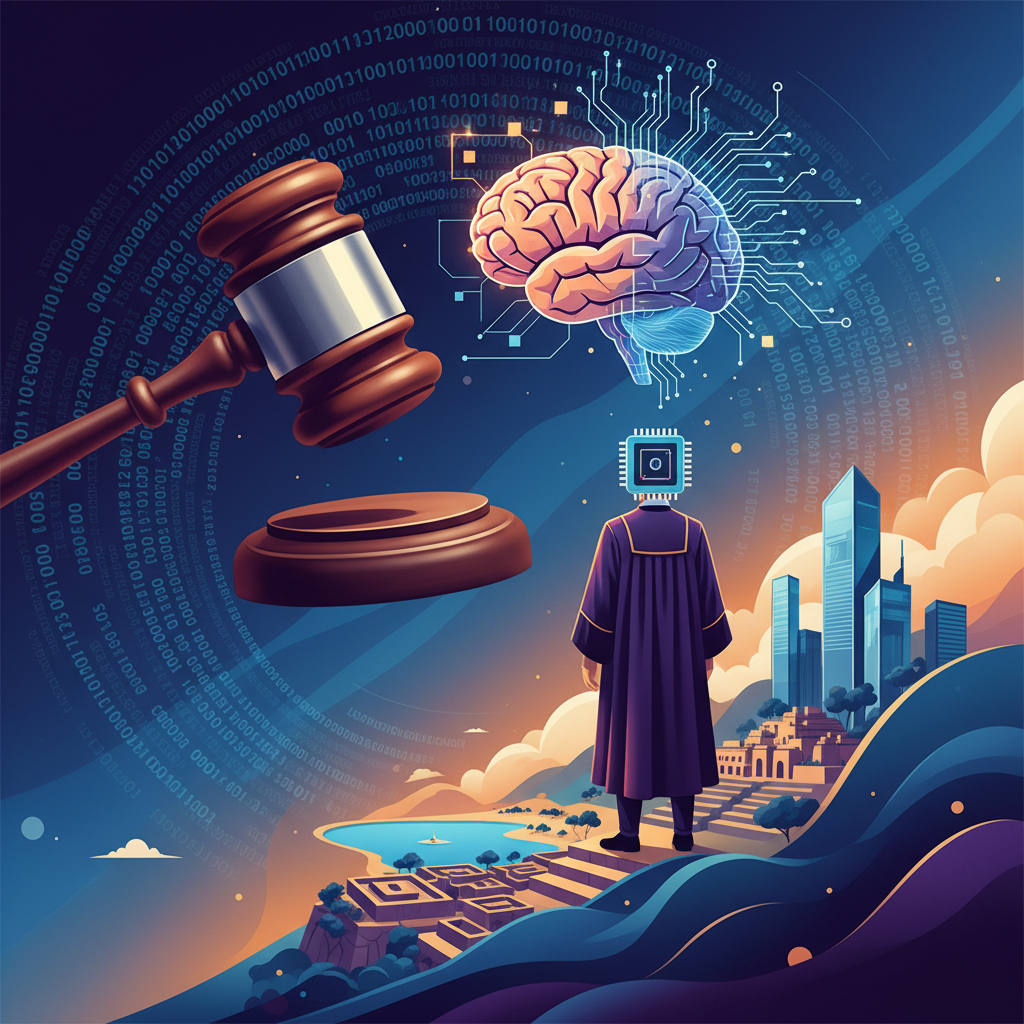

So, the European Union, bless its bureaucratic heart, has finally flipped the switch on its much-touted AI Act. As of April 2026, the grace period is over, and companies, from the behemoths of Silicon Valley to the plucky startups in, well, anywhere really, are now officially on the hook. And let me tell you, from my perch here in Santiago, watching the tech world collectively clutch its pearls, it's quite the spectacle.
For years, we've heard the whispers, then the shouts, about the EU's pioneering stance on AI regulation. While the US has been busy debating whether AI is sentient or just really good at mimicking, and China has been implementing its own brand of state-controlled digital oversight, Europe decided to go for the full-fat, all-encompassing regulatory framework. It's like comparing a quick pisco sour to a meticulously aged Cabernet Sauvignon from Maipo Valley: one is fast and potent, the other takes time, precision, and a lot of rules. And now, the cork is popped, and everyone has to drink it.
The core of this beast, as anyone who's skimmed a headline knows, is its risk-based approach. High-risk AI systems, those that could potentially mess with our fundamental rights, safety, or democratic processes, are under the microscope. Think facial recognition in public spaces, AI used for hiring or credit scoring, or systems controlling critical infrastructure. These aren't just toys; they're tools that can profoundly impact lives. And the EU, for once, is saying, 'Hold your horses, amigos, let's make sure these horses aren't going to trample everyone.'
What does this mean for the Googles, the OpenAIs, and the Microsofts of the world? It means a lot more paperwork, for starters. Impact assessments, risk management systems, data governance, human oversight, cybersecurity measures, and transparency obligations. It's a smorgasbord of compliance requirements that would make even the most seasoned Chilean lawyer reach for a strong espresso. They'll need to demonstrate that their high-risk AI systems are robust, accurate, and non-discriminatory, and that they can be effectively overseen by humans. Moreover, they'll have to register these systems in an EU database before they even hit the market. It's a level of scrutiny that many in the fast-moving tech world are simply not accustomed to.
I’ve heard the grumbles, of course. The usual suspects lamenting innovation stifled, competitive disadvantages, and the general burden of bureaucracy. They argue that such stringent rules will slow down development, push AI talent elsewhere, and ultimately leave Europe lagging behind. “Innovation thrives on freedom, not on endless checklists,” I overheard a Silicon Valley venture capitalist moan during a virtual panel discussion last month. He sounded like he’d never had to deal with a Chilean customs form, let alone an entire regulatory framework for artificial intelligence. He probably thinks a 'declaración jurada' is a new type of fancy cocktail. Bloomberg Technology has certainly highlighted the concerns from industry leaders about the potential for regulatory overreach.
But let's be honest, this isn't about stifling innovation. It's about responsible innovation. It's about ensuring that the dazzling new algorithms don't inadvertently create new forms of discrimination, erode privacy, or cause widespread societal harm. As Ursula von der Leyen, President of the European Commission, put it years ago,