The morning sun was already warm on my face as I made my way through the bustling streets of Mbabane. The air was thick with the scent of woodsmoke and frying emasi, a familiar comfort. But my thoughts were far from breakfast; they were on the digital currents shaping our world, currents that feel both distant and intimately close to our tiny kingdom. We often hear about the AI arms race, a grand competition between giants like the US, China, and the EU. But what about us, the so-called 'emerging nations'? Are we merely spectators, or do we have a role to play, particularly when it comes to something as vital as cybersecurity?
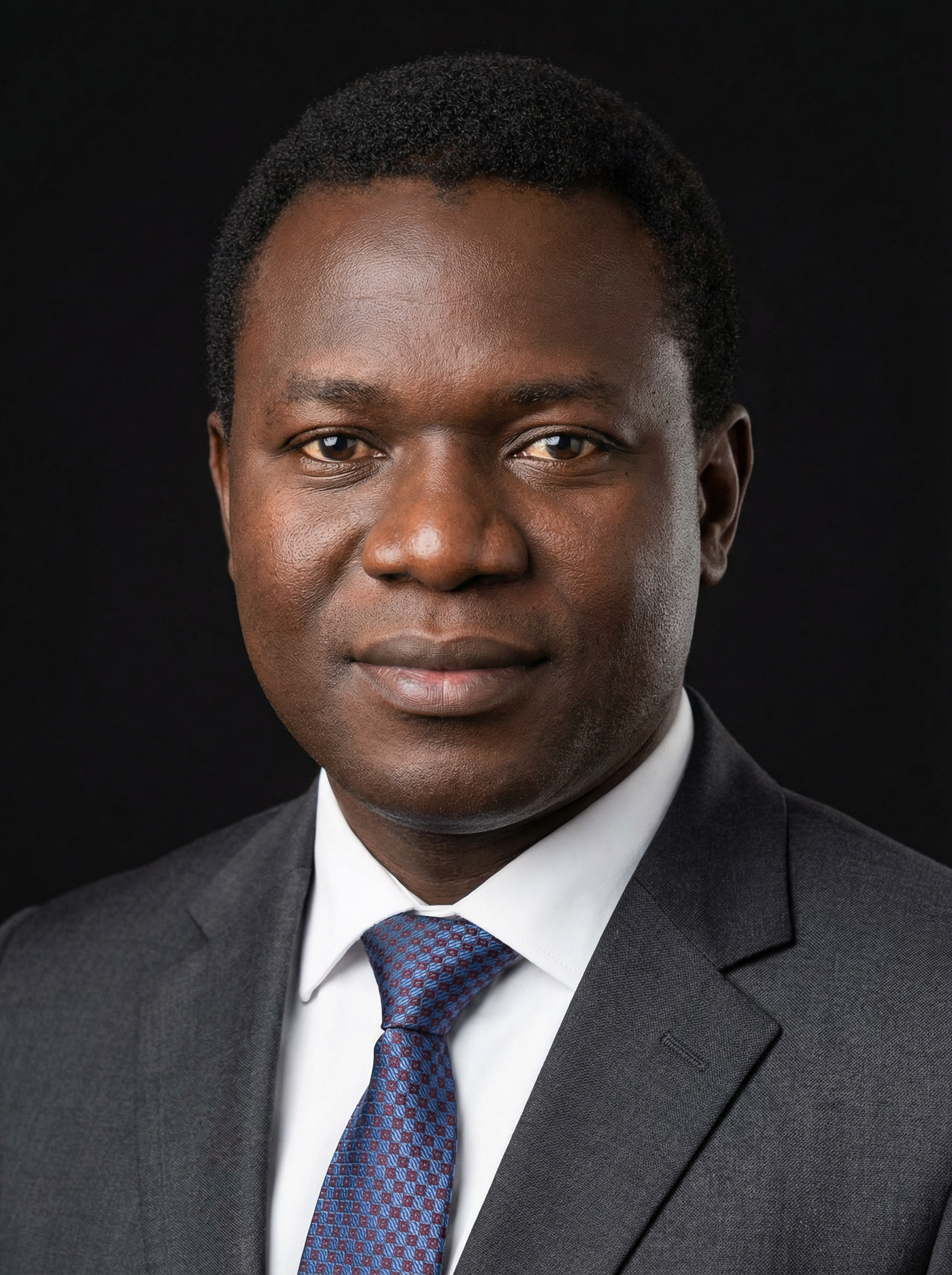
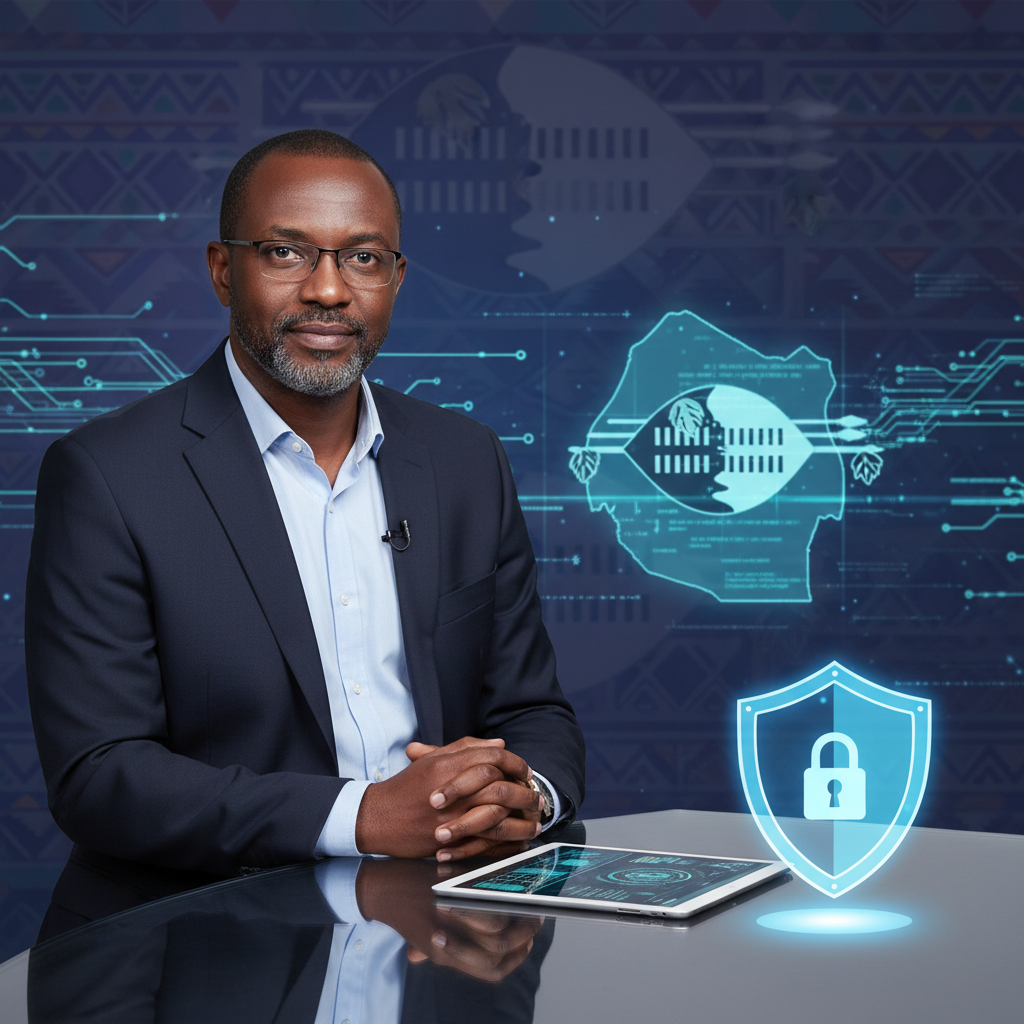
This question led me to Dr. Mactar Seck, a name many in African tech circles know well. He is a Senior Fellow at the United Nations Economic Commission for Africa, a man whose work has consistently championed Africa's digital transformation. He is not a CEO of a Silicon Valley behemoth, nor a government minister, but rather a quiet force, a scholar and advocate who has spent years thinking about how technology can serve our continent, not subjugate it. I caught him on a video call, his background a simple, uncluttered office, a stark contrast to the grand statements often made by AI leaders.
Dr. Seck's journey is one rooted in understanding the unique challenges and opportunities of African nations. He has observed firsthand how digital infrastructure, or the lack thereof, impacts everything from trade to healthcare. His perspective on the AI arms race is not one of fear, but of strategic imperative. He believes that for Africa, the focus must shift from merely consuming technology to actively participating in its development and, crucially, securing its digital future. “The AI race is not just about who builds the fastest chip or the smartest algorithm,” Dr. Seck told me, his voice calm and measured. “It is fundamentally about data sovereignty, about who controls the information that defines our societies and economies. For African nations, this means building our own capacity, not just importing solutions.”
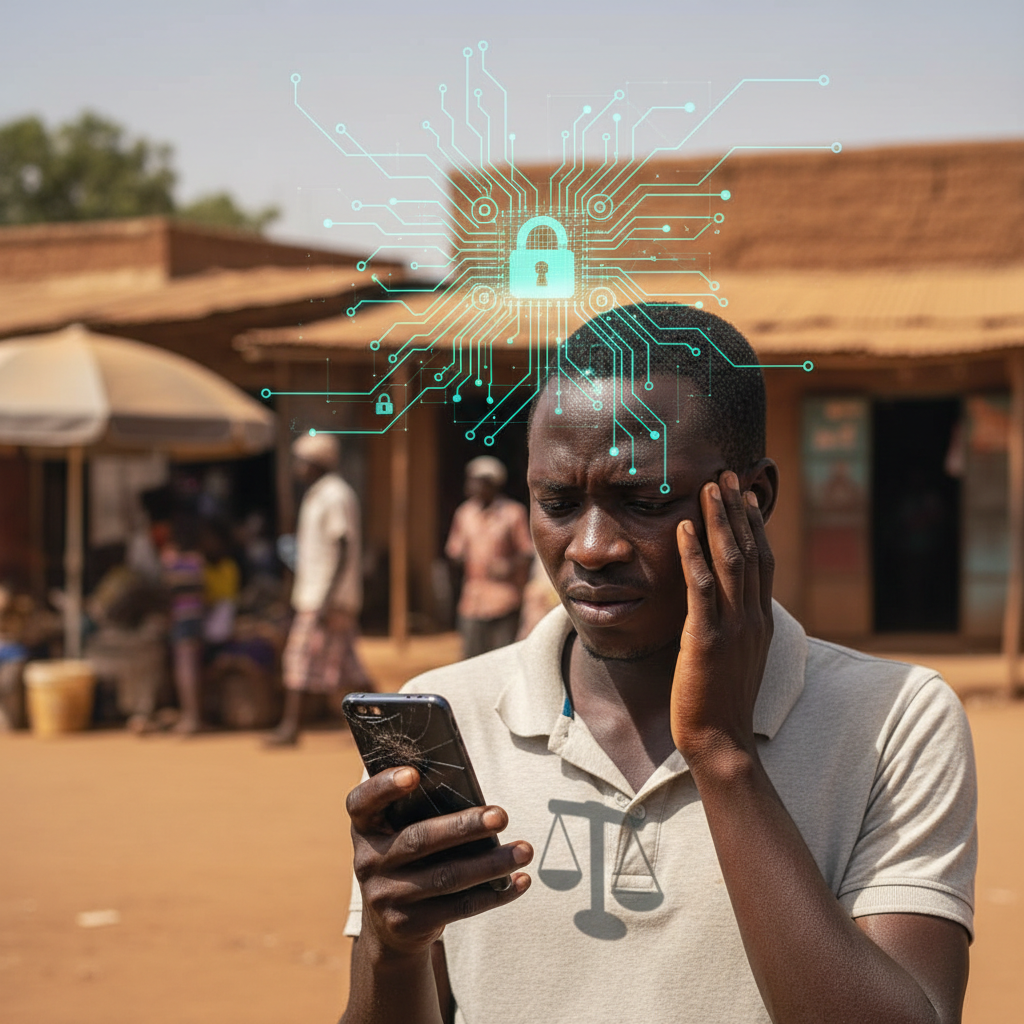
He emphasized that cybersecurity, in particular, is not a luxury but a foundational element for any nation hoping to leverage AI. Imagine, for a moment, if the rich agricultural data of Eswatini, our patterns of rainfall, crop yields, and soil health, were to fall into the wrong hands, manipulated by foreign AI systems. The implications for our food security and economic independence would be dire. Dr. Seck has often highlighted the vulnerability of developing nations to cyber threats, noting that while the big players are busy developing offensive AI capabilities, smaller nations often lack the basic defenses. “We cannot afford to be passive recipients of technology,” he stated in a recent forum, a sentiment he echoed in our conversation. “We must be proactive in shaping the digital landscape, ensuring our data is protected and our digital infrastructure is resilient.”
His work at the Uneca has involved advocating for policies that promote digital inclusion and security across the continent. He sees the 'AI arms race' not just as a military or economic competition, but as a race for intellectual property and digital self-determination. He believes that Africa has a unique opportunity to leapfrog traditional development models by strategically adopting AI, but only if it builds robust cybersecurity frameworks concurrently. “The cost of a cyberattack can cripple an emerging economy,” Dr. Seck explained. “It is not just financial; it erodes trust, disrupts essential services, and can set back years of development.”
This tiny kingdom has big ideas about technology, and Dr. Seck's vision resonates deeply here. We understand that our size does not diminish our aspirations. In Eswatini, we say 'a person is a person through other people', AI should learn this lesson. This proverb, umuntfu ngumuntfu ngebantfu, speaks to our interconnectedness, a principle that should guide how we approach AI. It is not just about individual brilliance, but about collective well-being and shared security. Dr. Seck's emphasis on collaborative efforts and regional cooperation in cybersecurity is particularly compelling.
He pointed to initiatives like the African Union's Cybersecurity Agenda as crucial steps. These regional bodies aim to harmonize policies, share threat intelligence, and build capacity across member states. It is a recognition that cyber threats do not respect borders, and a collective defense is often the strongest. He also spoke about the importance of open-source AI and cybersecurity tools, which can reduce reliance on proprietary systems from major tech powers. “Open-source allows us to inspect the code, to understand its vulnerabilities, and to adapt it to our specific needs,” he noted, suggesting that this approach fosters greater transparency and trust, especially in sensitive areas like national security. You can find more on the broader implications of AI in global security on Reuters Technology.
When I asked him about the role of local talent, his face lit up. “Africa has a vibrant youth population, brimming with innovation,” he said. “We need to invest in their education, provide them with the skills to not only use AI, but to build and secure it.” He believes that fostering local AI and cybersecurity experts is paramount to ensuring that our nations are not just consumers, but creators and guardians of their digital destiny. This means strengthening institutions like the Eswatini Communications Commission, ensuring they have the resources and expertise to protect our digital infrastructure from evolving threats.
Dr. Seck's perspective is a refreshing counter-narrative to the often-alarmist headlines about the AI arms race. While he acknowledges the geopolitical realities, his focus remains firmly on empowerment and proactive strategy for Africa. He is not naive about the challenges, but deeply optimistic about the continent's potential. He believes that by focusing on robust cybersecurity, fostering local talent, and advocating for data sovereignty, African nations can carve out a significant and secure space in the global AI landscape.
His vision is one where Africa is not just a market for AI, but a contributor, a co-creator, and a secure digital player. It is a vision that sees our small nations, like Eswatini, not as vulnerable targets, but as agile innovators capable of adapting and thriving. Sometimes the smallest countries have the biggest vision, and Dr. Seck's work helps us see how that vision can be realized, even in the complex, high-stakes world of AI. The scramble for digital dominance is indeed fierce, but with thoughtful leadership and a focus on collective security, Africa can ensure its place at the table, not just as a participant, but as a protector of its own digital future. For more insights into how AI is shaping global technology, MIT Technology Review offers in-depth analysis. The conversation reminded me that while the world rushes to build smarter AI, we must also build stronger digital walls. It is a lesson we in Eswatini, with our deep sense of community, understand well. The future of our digital sovereignty, much like our traditional communal strength, depends on how well we protect what is ours, together. You can also read about how AI is impacting other African nations, such as the discussion around Tesla's Autonomous Ambitions Collide With African Realities: Who Profits From Unregulated Roads? [blocked].