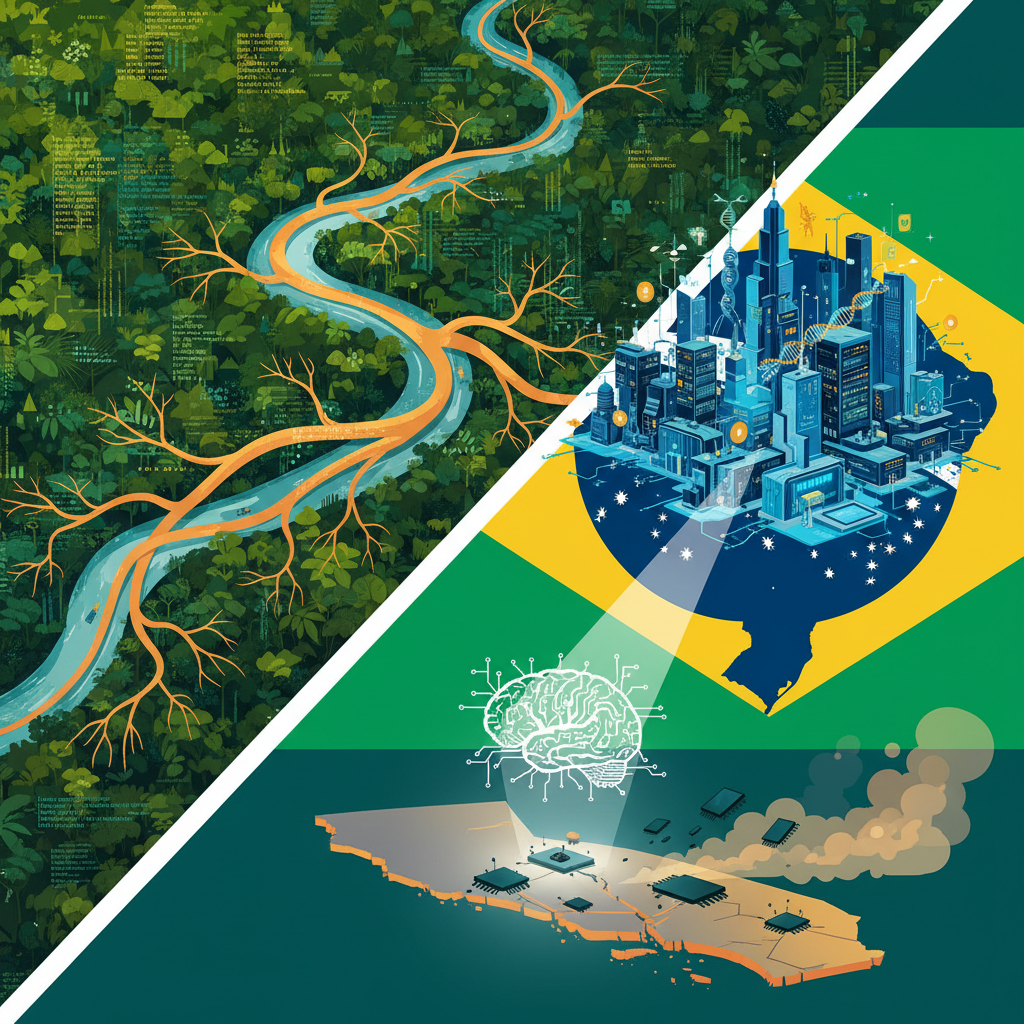

The aroma of filter coffee and the rustle of morning newspapers, that was my childhood, a symphony of information delivery. Now, my neighbor, Mrs. Sharma, a woman who once debated headlines with the fervor of a political pundit, scrolls through her news feed, eyes glazed over. She consumes, but does she truly engage? This isn't just about the digital shift; it's about the silent, insidious takeover of AI in our newsrooms, transforming not just how news is made, but how we, the readers, think about it.
We are told AI, particularly models from giants like Google and OpenAI, is here to help journalists. It automates mundane tasks, flags potential misinformation, and even drafts basic reports. Sounds fantastic, doesn't it? More time for investigative journalism, fewer errors, a utopia of information. But I look at Mrs. Sharma, and I wonder: what is the psychological cost of this efficiency? Are we, as consumers, becoming intellectually flabby, our critical faculties atrophying from a diet of pre-digested, algorithmically optimized narratives?
Consider the rise of automated reporting. News agencies, both global and local, are increasingly deploying AI to churn out reports on financial earnings, sports scores, and even disaster updates. In India, several regional outlets are experimenting with these tools for local election coverage or weather reports, aiming to cover more ground with fewer resources. The promise is clear: speed and volume. But here's the rub: these systems are trained on existing data. They are, by definition, backward-looking. They excel at pattern recognition, not nuanced interpretation or the detection of novel truths. When a machine writes the news, it tends to reinforce established frameworks, often missing the subtle human elements or the emergent, unexpected stories that truly shape our world.
Research from institutions like the Reuters Institute for the Study of Journalism consistently highlights a growing distrust in news, even as AI promises to 'fix' it. A 2023 report, for instance, indicated that public trust in news remains stubbornly low across many countries, including India. While not directly attributable to AI, the increasing opacity of news production, where algorithms make decisions behind the scenes, certainly doesn't help. We are losing the human touch, the journalist's instinct, the very thing that makes news relatable and trustworthy. MIT Technology Review has extensively covered the challenges of algorithmic bias and its implications for public perception, a concern that only amplifies when these systems are deployed in sensitive areas like news dissemination.
Dr. Anjali Singh, a cognitive psychologist based in Bengaluru, articulated this concern rather eloquently during a recent panel discussion.