
The sun rises over the Lubombo Mountains, painting the sky with hues of orange and purple, a sight that reminds me every morning of the beauty and resilience of Eswatini. Here, in our small but mighty kingdom, life moves with a rhythm deeply connected to community, to family, to the laughter of children playing in the dust. We say in Eswatini, 'umuntfu ngumuntfu ngabantu' a person is a person through other people. It is a philosophy that underpins everything we do, a gentle reminder that our individual well-being is intrinsically linked to the collective. And it is this very philosophy that makes me look at the rapid ascent of artificial intelligence, particularly its impact on our children, with both wonder and a profound sense of unease.
We hear the grand pronouncements from Silicon Valley, from the likes of Sam Altman at OpenAI and Sundar Pichai at Google, about AI's potential to revolutionize education, to cure diseases, to connect us in ways unimaginable. These are powerful visions, no doubt. But when I think about the children of Eswatini, the ones whose futures we are building, I cannot help but ask: what about the shadows these bright promises cast? What about the AI-generated content, the sophisticated manipulation, the subtle biases that could shape their young minds without them ever knowing?
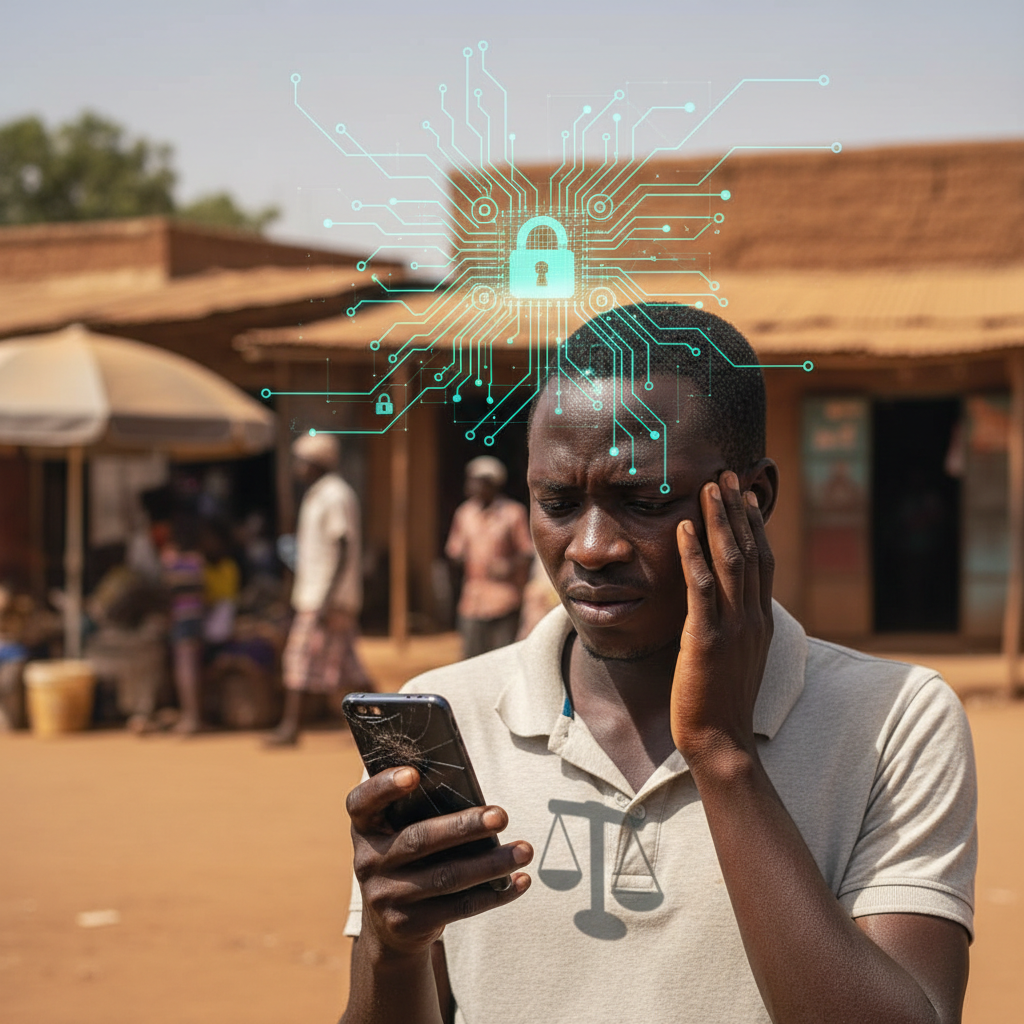
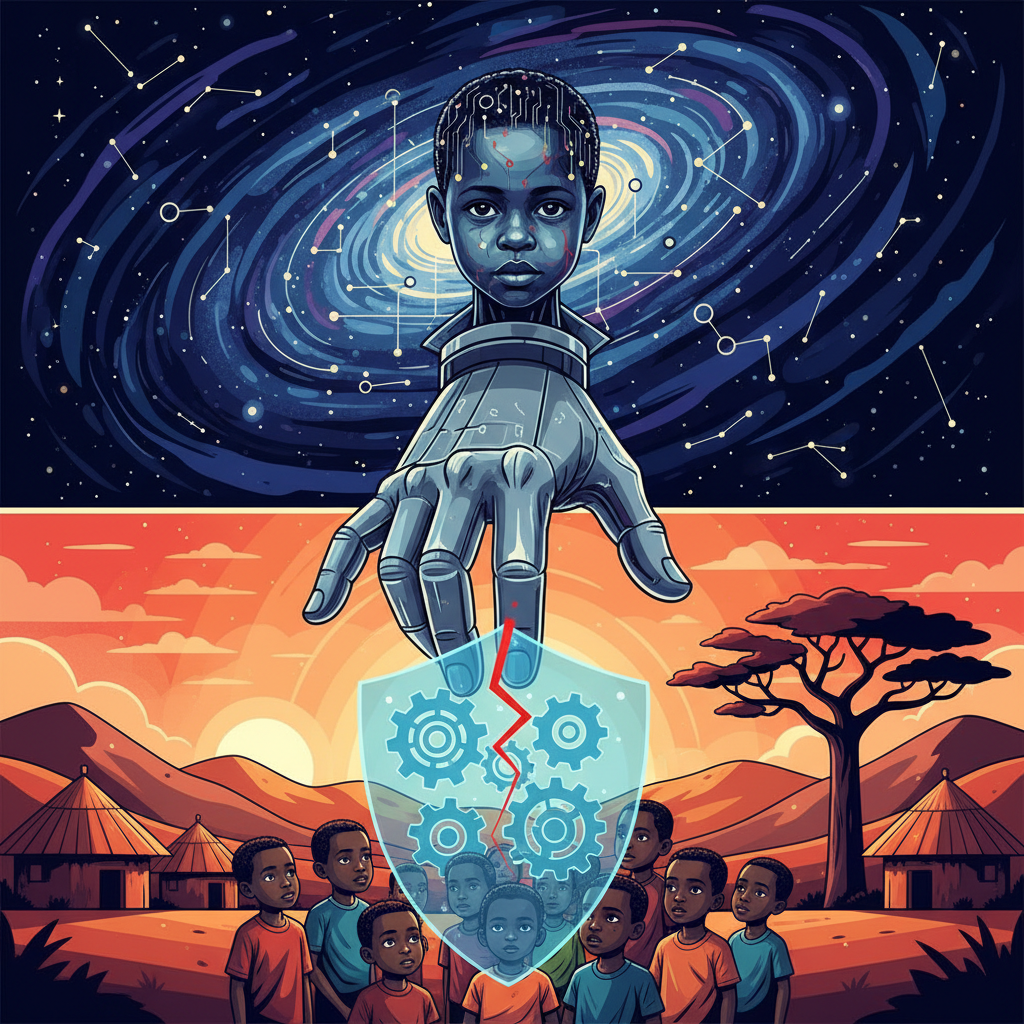
My concern is not theoretical. It is rooted in the very real experiences of communities globally. We are seeing an explosion of AI-generated content, from hyper-realistic deepfakes to personalized narratives designed to capture and hold attention. For adults, navigating this new digital landscape is challenging enough. For children, whose critical thinking skills are still developing, whose sense of self is still forming, it is an existential threat. Imagine a child here in Mbabane, perhaps exploring educational content online, suddenly exposed to AI-generated narratives that subtly promote harmful stereotypes or encourage risky behavior, all crafted with an understanding of their individual digital footprint. How do we protect them?
We are not talking about simple filters anymore. The sophistication of generative AI, exemplified by models like OpenAI's GPT-4o or Meta's Llama 3, means that content can be tailored with frightening precision. It can mimic trusted figures, create compelling but false realities, and exploit psychological vulnerabilities. A recent report by the MIT Technology Review highlighted how AI is already being used to create highly persuasive, albeit sometimes misleading, content. This isn't just about misinformation; it's about the potential for pervasive, personalized manipulation that can bypass traditional gatekeepers and parental oversight.
Some might argue that the responsibility lies with parents, that digital literacy is the answer. And yes, parents absolutely have a role to play. Here in Eswatini, we teach our children from a young age about respect, about discernment, about the wisdom of our elders. But even the most diligent parent, even the most culturally grounded community, cannot stand guard against an invisible, constantly evolving adversary that operates at a global scale. We cannot expect a rural grandmother in Lavumisa to fully comprehend the nuances of an AI model designed by thousands of engineers in California. This is not a fair fight.
Others might suggest that technology itself will provide the solution, that AI can be used to detect and filter harmful content. This is a comforting thought, but it's a reactive approach. It's like building a taller fence after the cattle have already wandered off. We need proactive measures, built-in safeguards, and ethical frameworks that prioritize child protection from the very inception of these technologies. As Dr. Rumman Chowdhury, a leading voice in responsible AI, often says,