
The Bangkok heat, bless its consistent heart, is a formidable beast. It melts ice cream faster than you can say 'durian sticky rice' and makes even the most stoic tuk-tuk driver sweat through his shirt. So when we talk about AI discovering new materials for superconductors and batteries, things that promise to cool our world and power our lives more efficiently, you'd think everyone would be doing the happy dance, right? Not quite. Because while the boffins in their labs are busy dreaming of room-temperature superconductors and solid-state batteries that charge in minutes, the rest of us, especially here in Thailand, are still grappling with the very human side of this technological tsunami. It’s a classic case of future shock, Thai-style innovation colliding with traditional anxieties.
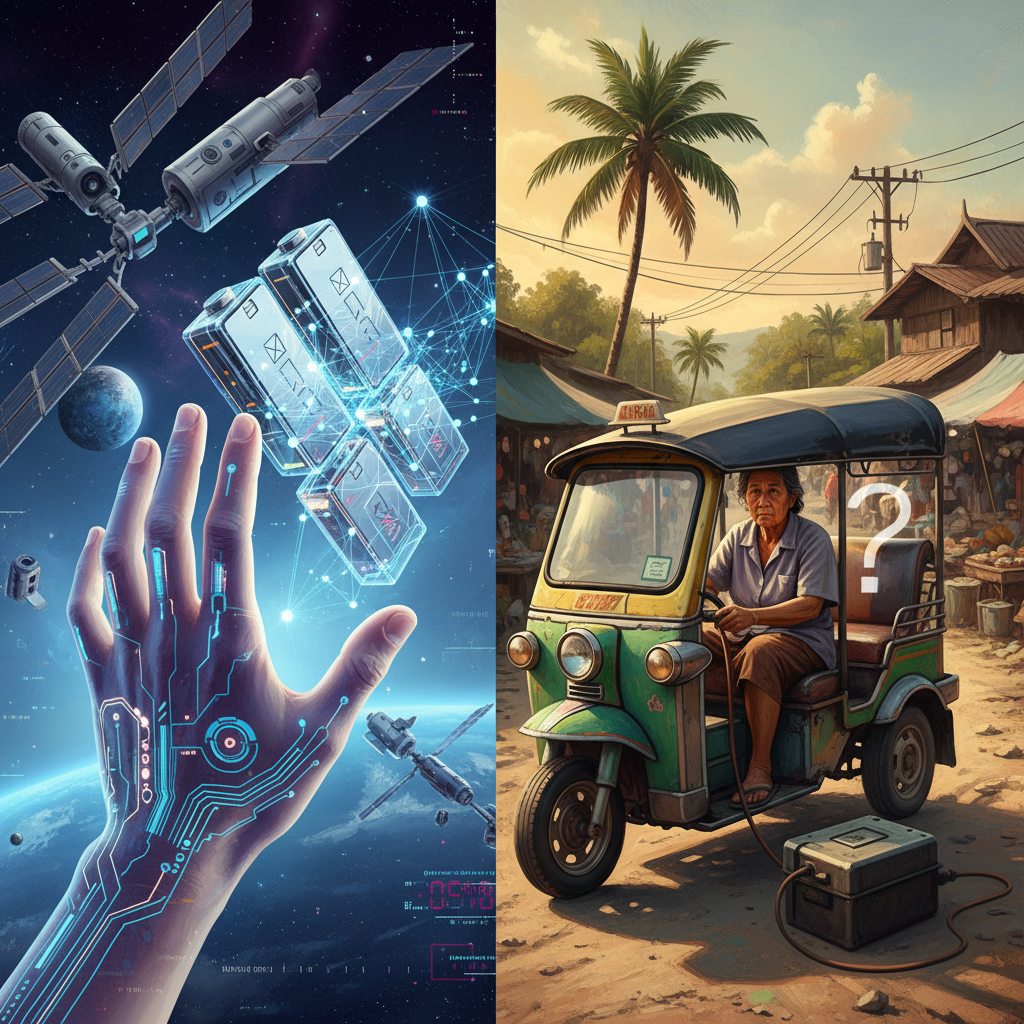
Take my Auntie Somchai, for instance. She runs a small noodle stall near Wat Arun, a place where the aroma of garlic and pork broth is as much a landmark as the temple itself. She recently bought an electric tuk-tuk, a shiny new contraption that hums rather than roars, a nod to Bangkok’s slow but steady embrace of green tech. On paper, it’s a marvel. It costs less to run, it’s quieter, and it doesn’t belch out exhaust fumes that make you cough. But Auntie Somchai, bless her pragmatic soul, is constantly worried. “What if the battery dies in the middle of a busy street?” she asks me, fanning herself with a newspaper. “How long will it take to charge? And what if this new, super-duper battery material they talk about makes my new tuk-tuk obsolete next year? Will I have to buy another one?”
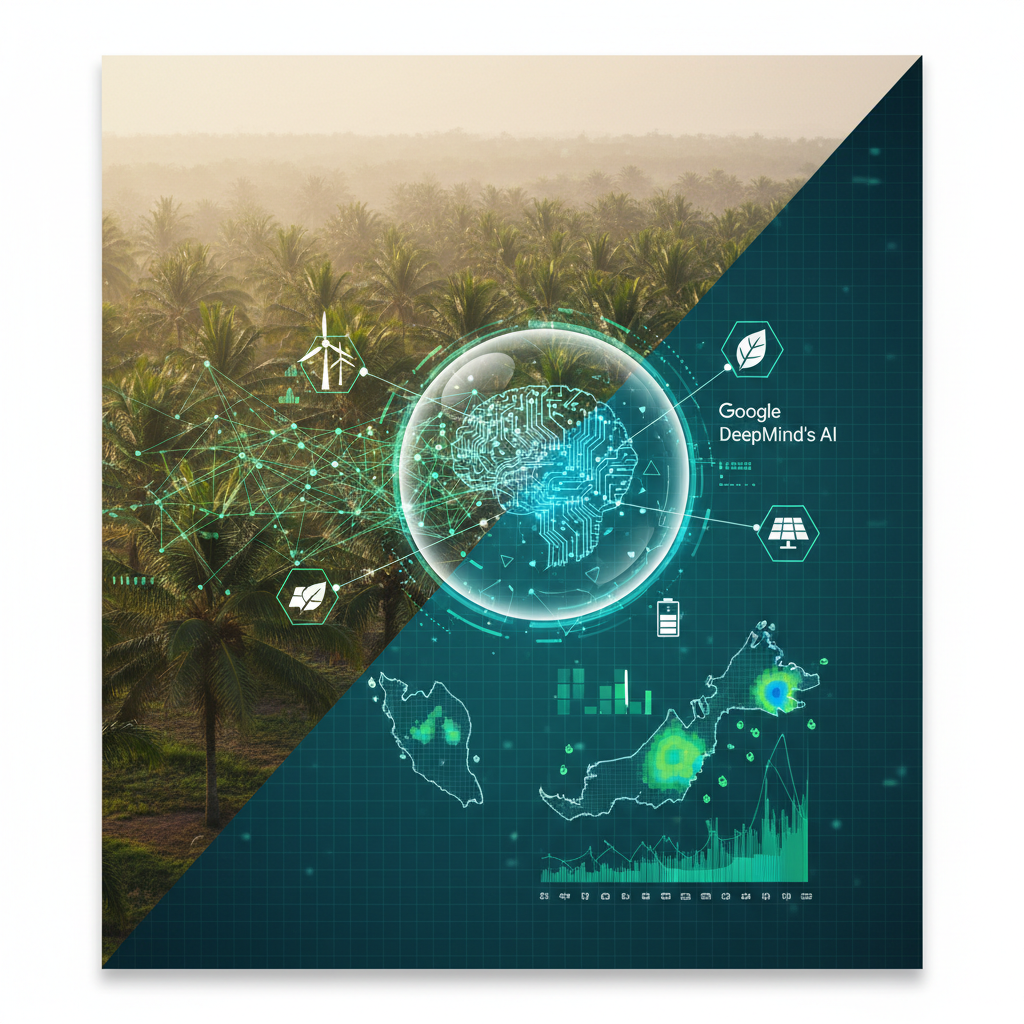
Her concerns, though seemingly simple, cut to the heart of the psychological impact of AI-powered materials discovery. It’s not just about the science, it’s about trust, obsolescence, and the cognitive load of constant change. Researchers at Google DeepMind and IBM have been making incredible strides, using AI to sift through billions of potential molecular structures, predicting their properties, and accelerating the discovery of novel compounds. We’re talking about AI systems like DeepMind’s GNoME, which reportedly discovered 2.2 million new materials, including 380,000 stable ones, in a fraction of the time it would take human chemists. This isn't just incremental improvement, it's a paradigm shift. MIT Technology Review has highlighted how these AI tools are revolutionizing everything from solar cells to quantum computing components.
But for Auntie Somchai, and millions like her, this scientific marvel translates into a nagging uncertainty. Psychologists studying human-AI interaction point to several key cognitive effects. Dr. Pimchanok Sricharoen, a behavioral psychologist at Chulalongkorn University, notes that “the sheer pace of AI-driven innovation can induce a form of cognitive dissonance. People are told these advancements are good, but their lived experience often involves adapting to new systems, learning new skills, and facing potential economic disruption. This creates a gap between perceived benefit and immediate personal cost.” She adds, “For many, the promise of a future powered by advanced materials is abstract, while the anxiety of a rapidly changing present is very real and concrete.”
This anxiety isn't just about the fear of being left behind; it’s also about the erosion of a sense of control. When AI discovers a material that promises to double battery life, it’s exciting for scientists, but for the consumer, it means the device they just bought might soon be outdated. This rapid cycle of innovation, fueled by AI, creates a perpetual state of upgrade culture, which can be exhausting. It’s a treadmill, and not everyone wants to run on it. The Land of Smiles has a new expression because it's called 'disruption', and it's not always smiling.
Moreover, the very complexity of these AI systems can lead to a lack of transparency, fostering distrust. When a new battery material is announced, few understand the quantum mechanics behind it, let alone the neural networks that discovered it. This black box nature can make people feel disempowered. “People tend to trust what they understand,” says Dr. Sricharoen. “When the technology becomes too opaque, even if it’s demonstrably superior, it can trigger a defensive psychological response. They might cling to older, familiar technologies, even if they are less efficient, simply because they feel more in control.”
Consider the broader societal implications here in Thailand. Our economy, while modernizing rapidly, still has deep roots in traditional sectors, small businesses, and a culture that values stability and community. The promise of super-efficient energy storage could transform our tourism industry, powering electric longtail boats or even entire floating markets. It could revolutionize our agricultural sector, enabling smart farms with reliable, off-grid power. Yet, the human element cannot be overlooked. The transition requires not just technological infrastructure, but also psychological preparedness and social safety nets. Reuters often covers the economic shifts driven by AI, but the human cost is harder to quantify.
Practical advice for navigating this brave new world? First, education. Not just for the scientists, but for everyone. Simple, clear explanations of what these materials do, how they work, and what their real-world impact will be can demystify the technology and build trust. Second, focus on accessibility and affordability. If these revolutionary materials remain confined to high-end gadgets, the psychological benefits of progress will only accrue to a select few, exacerbating existing inequalities. Third, and perhaps most importantly, we need to foster a culture of adaptability, but with empathy. Acknowledge the anxieties, validate the concerns, and provide pathways for people like Auntie Somchai to understand and integrate these changes into their lives without feeling overwhelmed or left behind.
Only in Bangkok, where ancient temples stand beside gleaming skyscrapers, can you truly appreciate this blend of tradition and relentless progress. The AI-powered materials revolution is coming, whether we like it or not. The challenge isn't just about discovering the next wonder material, it's about helping humanity, especially those of us who just want our electric tuk-tuks to run smoothly, to psychologically adapt to a future that’s arriving faster than a Bangkok express boat. It’s a delicate balance, one that requires more than just algorithms; it requires a deep understanding of the human heart.