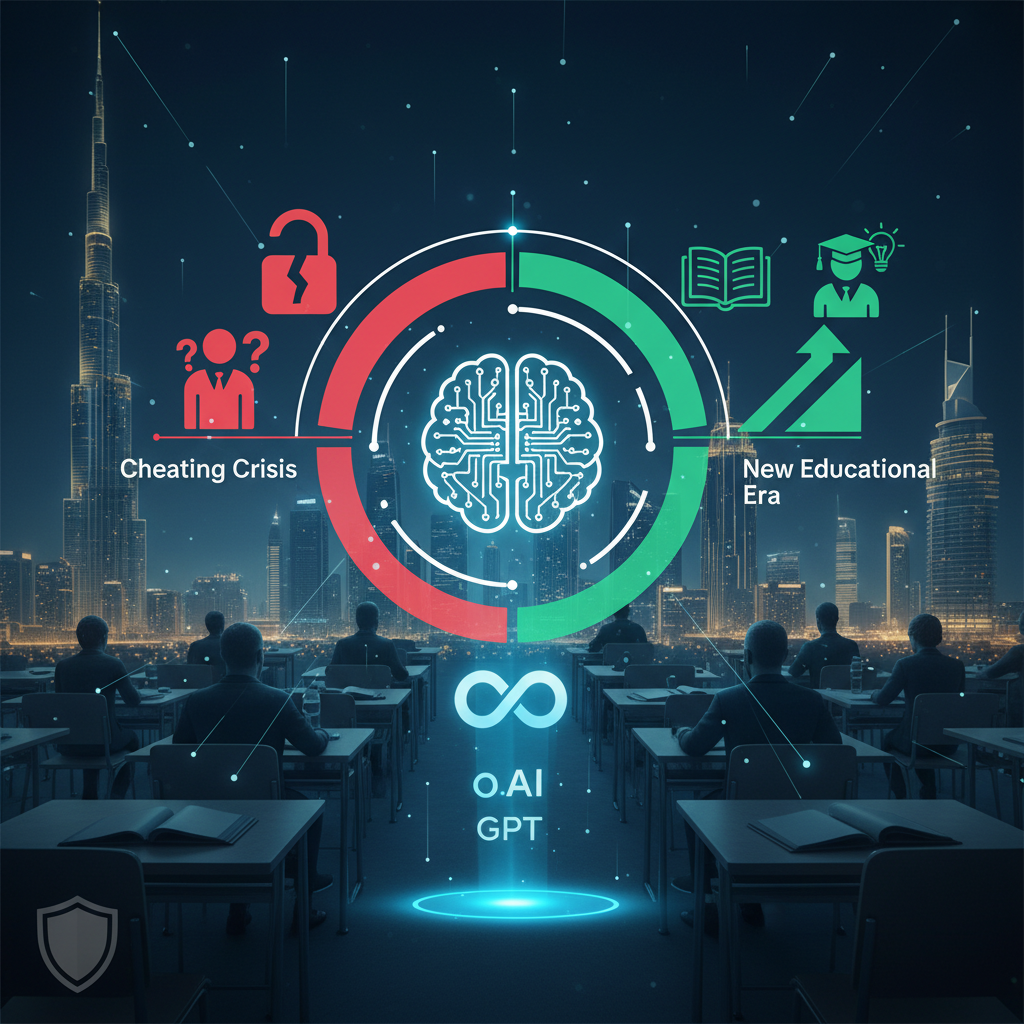

The question is no longer if artificial intelligence will fundamentally reshape education, but how and when. As AI chatbots, spearheaded by advancements from entities like OpenAI and Google DeepMind, permeate classrooms globally, a critical debate rages: are these sophisticated tools merely sophisticated avenues for academic dishonesty, or do they represent the most significant pedagogical leap since the advent of the internet? From my vantage point in the UAE, a nation relentlessly building its future, the answer is far more nuanced than a simple binary choice.
To truly grasp the present predicament, one must consider the historical arc of educational technology. Each wave of innovation, from the calculator to the internet, from Wikipedia to advanced search engines, has been met with both fervent optimism and dire warnings of intellectual decline. In the 1970s, the pocket calculator sparked fears of students losing basic arithmetic skills. Decades later, the internet was decried as a source of unchecked information and a facilitator of plagiarism. Yet, in each instance, education adapted. Curricula evolved, teaching methodologies shifted, and what was once considered a threat became an indispensable tool for learning and research. The current discourse surrounding AI chatbots echoes these historical anxieties, albeit with an amplified intensity given the unprecedented capabilities of large language models.
Today, the ubiquity of tools like OpenAI's GPT-4 and Anthropic's Claude 3 is undeniable. A recent survey conducted by the UAE Ministry of Education, in partnership with the Mohammed bin Rashid School of Government, revealed that approximately 68% of university students and 42% of high school students in the Emirates have utilized AI chatbots for academic purposes in the past six months. Globally, reports from institutions like Stanford University indicate similar adoption rates, with some studies suggesting over 70% of students in certain disciplines have experimented with AI for assignments. This is not merely an isolated phenomenon; it is a pervasive shift. The capabilities extend beyond simple text generation, encompassing code debugging, complex problem-solving, and even creative writing, challenging traditional assessment methods to their core.
Dr. Aisha Al-Hajri, Director of Educational Innovation at the Dubai Future Foundation, articulates a visionary perspective. "We cannot afford to view AI as an adversary," she states. "The UAE's AI strategy is decades ahead, and our educational institutions must reflect that foresight. These tools, when properly integrated, can democratize access to personalized learning, offer immediate feedback, and free educators to focus on critical thinking and complex problem-solving, rather than rote instruction. This is what ambition looks like, transforming challenges into opportunities." Her sentiment underscores a proactive approach, characteristic of a nation that understands the long game.
Conversely, concerns are legitimate and widespread. Professor Tariq Khan, Head of Academic Integrity at Khalifa University, highlights the immediate challenges. "The ease with which students can generate seemingly original content poses a significant threat to academic integrity," Professor Khan explains. "Our current detection mechanisms, while improving, struggle to keep pace with the sophistication of AI-generated text. We are seeing an increase in submissions that, while grammatically flawless, lack original thought or critical engagement with the material. This necessitates a fundamental re-evaluation of how we assess learning and foster genuine intellectual development." This perspective is echoed by many educators grappling with the practicalities of AI in their daily work.
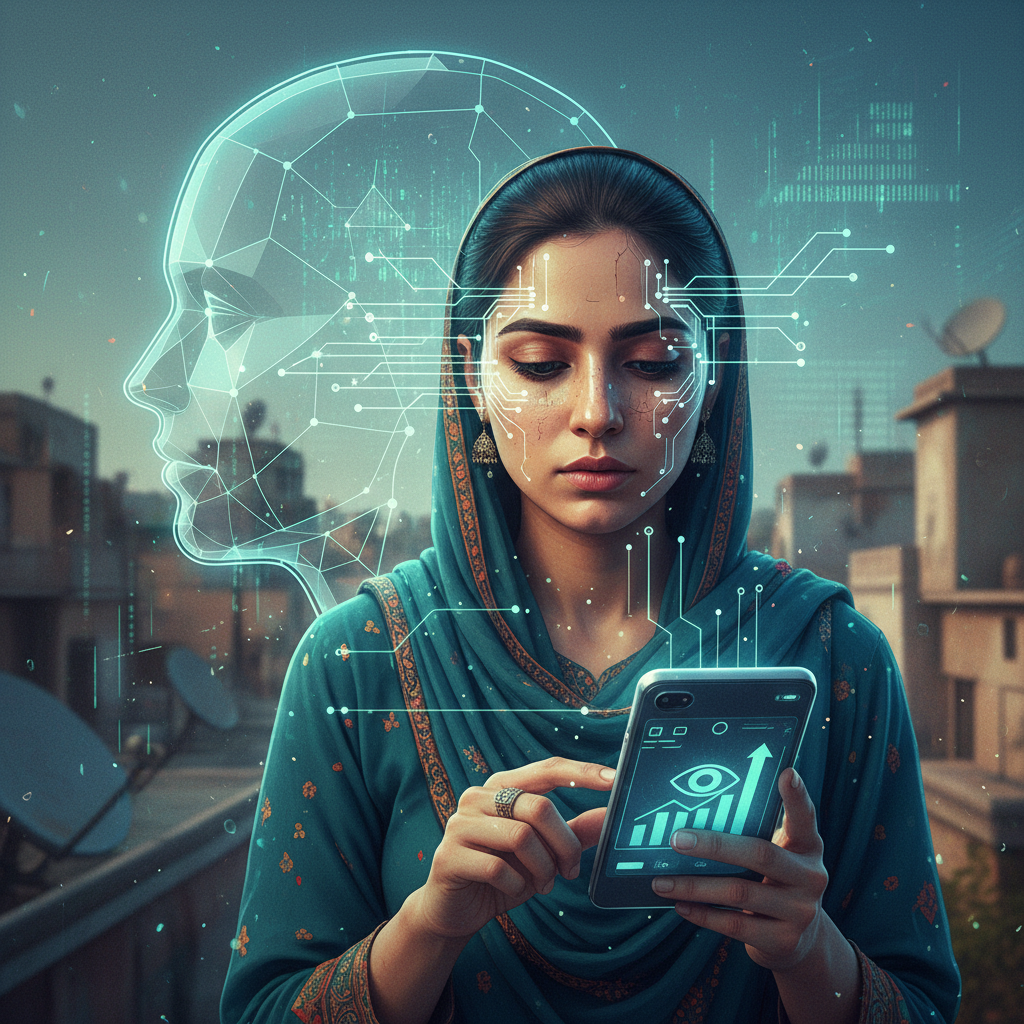
However, the narrative of AI as solely a cheating mechanism misses a crucial point: its potential as a powerful learning accelerator. Imagine a student struggling with a complex physics concept receiving an immediate, tailored explanation from an AI tutor, available 24/7. Consider a language learner practicing conversational skills with an AI that adapts to their proficiency level. Or a researcher rapidly synthesizing vast amounts of information from disparate sources, a task that once took days, now completed in minutes. These are not distant dreams; they are present realities being explored in pilot programs across the globe, including initiatives within the UAE's burgeoning educational technology sector.
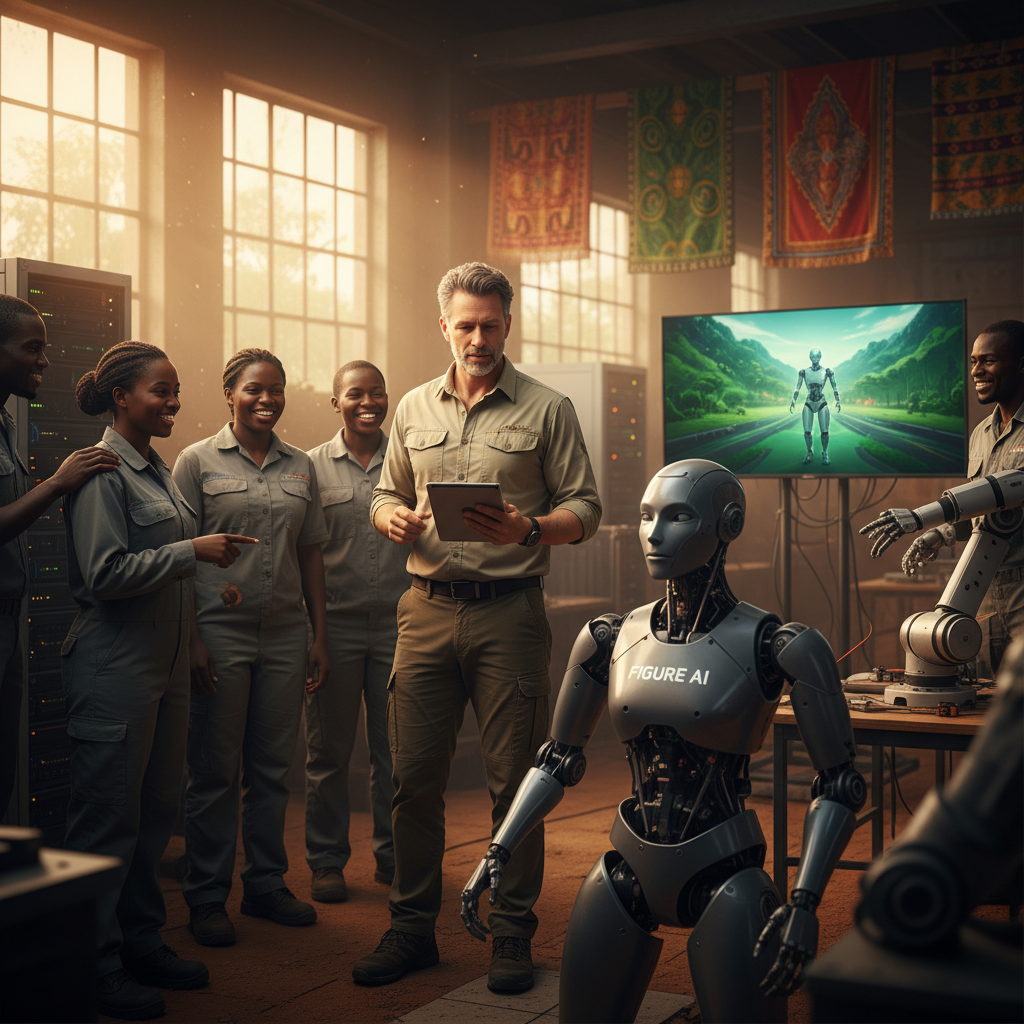
Indeed, the focus must shift from outright prohibition, which history has shown to be largely ineffective against technological advancement, to strategic integration and ethical education. Institutions are beginning to develop AI literacy programs, teaching students not just how to use these tools, but how to critically evaluate their outputs, understand their limitations, and apply them responsibly. The emphasis is moving towards 'human-AI collaboration' rather than 'human-AI replacement.' As MIT Technology Review has extensively covered, the future of work itself will involve such collaboration, and education must prepare students for this reality.
Furthermore, the development of 'AI-proof' assessments is gaining traction. This involves moving away from assignments that can be easily replicated by an AI, towards those requiring critical thinking, original research, interdisciplinary synthesis, and the application of knowledge in novel contexts. Oral examinations, project-based learning, and presentations that demand real-time defense of ideas are experiencing a resurgence. The goal is to cultivate skills that AI cannot yet replicate: creativity, emotional intelligence, ethical reasoning, and complex human interaction.
From a policy perspective, the UAE is uniquely positioned to lead in this transformation. With its forward-thinking governance and significant investment in future technologies, Dubai doesn't just adopt the future, it builds it. The Ministry of Artificial Intelligence, Data, and Digital Economy is actively exploring frameworks for responsible AI integration in education, recognizing that a clear national strategy is paramount. This proactive stance contrasts sharply with regions where policy lags behind technological adoption, creating an environment of uncertainty and reactive measures. Our commitment to smart cities and advanced infrastructure extends naturally to smart education, ensuring that our youth are not merely consumers of technology, but creators and ethical stewards.
Looking ahead, the next decade will witness a profound restructuring of educational paradigms. We will see the emergence of AI-powered personalized learning paths, adaptive curricula that respond to individual student needs, and assessment methods that measure genuine understanding and critical application rather than mere information recall. The 'cheating crisis' is a temporary symptom of an outdated system colliding with a powerful new reality. The 'educational revolution' is the inevitable outcome of embracing these tools with foresight, ethical consideration, and a clear vision for human flourishing. The challenge is not to eliminate AI from schools, but to harness its immense potential to cultivate a generation of innovative, critical thinkers prepared for a world increasingly shaped by intelligent machines. This journey, while fraught with complexities, promises a future of unprecedented educational empowerment, a future that the UAE is actively constructing today. For further insights into the broader impact of AI on society, one might explore discussions on Wired or Reuters.