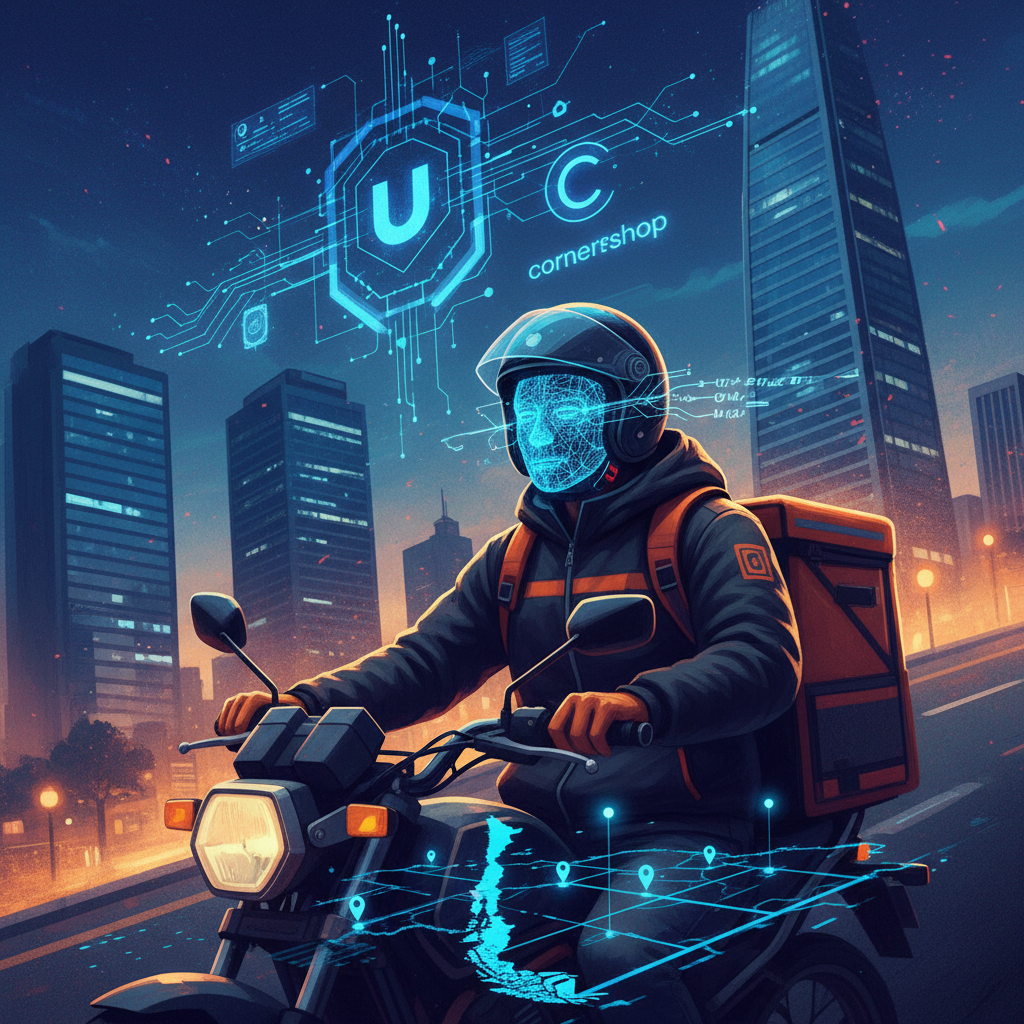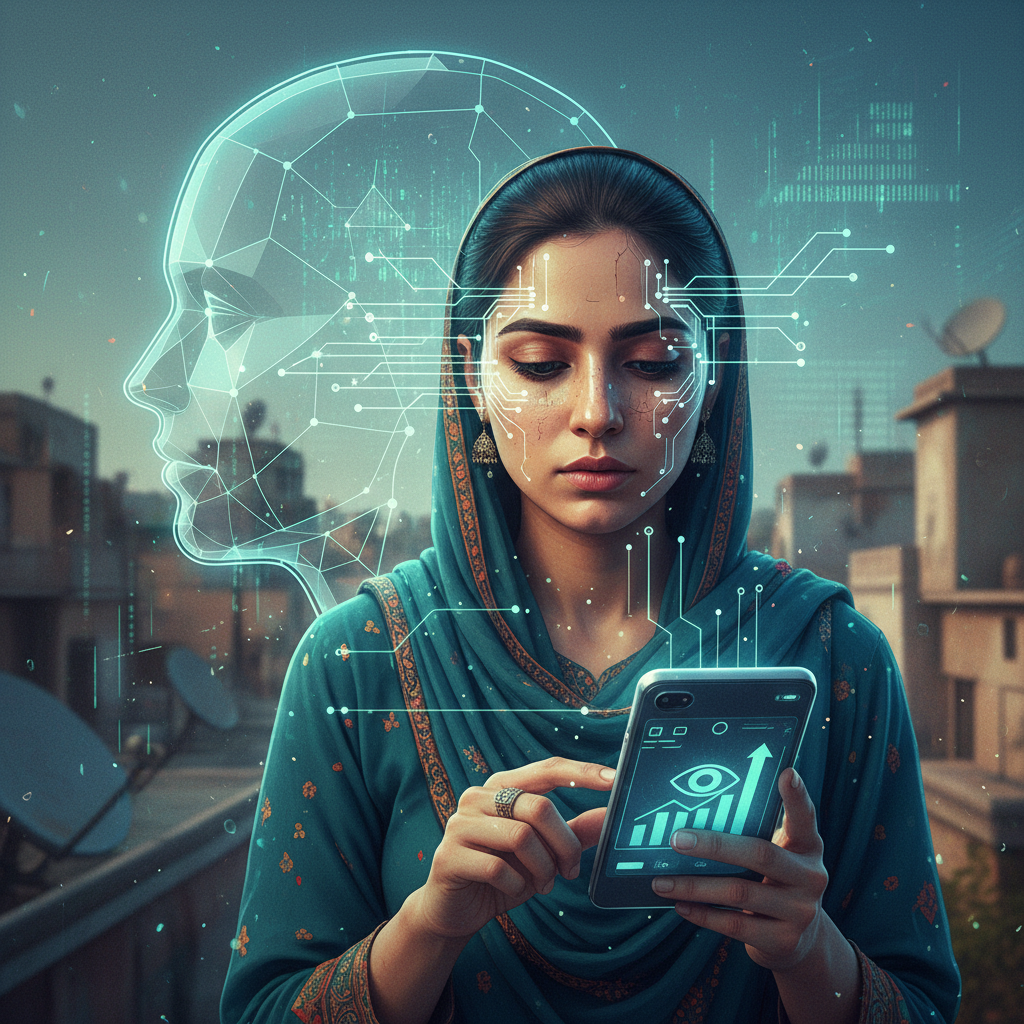

The sun beats down relentlessly on the streets of Lahore, a familiar heat that permeates everything. For countless young men and women, this heat is not just a physical discomfort, it is a constant companion as they navigate the city on motorcycles and rickshaws, delivering food, groceries, or ferrying passengers. They are the backbone of Pakistan's burgeoning gig economy, a sector that promised flexibility and economic empowerment. But beneath the surface of this modern convenience, a silent, pervasive force is at play: artificial intelligence, dictating their every move, shaping their decisions, and, I fear, subtly rewiring their very minds.
I have spent weeks speaking with these workers, from the bustling markets of Karachi to the quieter lanes of Islamabad. Their stories are remarkably similar. They speak of the constant pressure to accept every ride or delivery, the fear of declining a job and seeing their 'acceptance rate' drop, which in turn means fewer future opportunities. They talk about the algorithms that nudge them towards certain areas, dictate their routes, and even set their prices. This is not just about managing logistics, it is a psychological experiment playing out in real time, on a massive scale. This is a human rights issue disguised as a tech story, and we must not look away.
Consider the case of Ali, a 28-year-old ride-share driver in Karachi. He used to enjoy the freedom of setting his own hours, choosing his routes. Now, he feels like a cog in a machine. "The app knows everything," he told me, his voice tinged with resignation. "It knows when I am taking a break, when I am tired. If I don't accept a ride quickly enough, it sends me a notification, a warning. It feels like someone is always watching, always judging." This constant surveillance, even if perceived, creates an environment of anxiety and hyper-vigilance. Psychologists call this 'algorithmic management,' and its effects on human cognition are profound.
Research from institutions like the MIT Technology Review and various labor organizations globally has highlighted how algorithmic control in the gig economy can lead to increased stress, burnout, and a diminished sense of autonomy. Workers often report feeling dehumanized, reduced to data points rather than individuals with lives and needs. The gamification of work, where performance metrics are displayed prominently and incentives are tied to meeting algorithmic targets, can exploit natural human tendencies for competition and reward, pushing workers to prioritize the algorithm's demands over their own well-being or even safety.
Dr. Aisha Khan, a leading Pakistani psychologist specializing in occupational stress at the University of Punjab, explained the cognitive toll. "When individuals are constantly monitored and their work is dictated by an opaque algorithm, it erodes their sense of agency. This can lead to what we call 'learned helplessness,' where they feel they have no control over their work outcomes, regardless of their effort. Over time, this impacts self-esteem, motivation, and can contribute to anxiety and depression," she elaborated. "The unpredictability of earnings, often a direct result of algorithmic fluctuations, further exacerbates this stress, creating a vicious cycle of financial insecurity and psychological distress."
The algorithms used by global giants like Uber, Foodpanda, and Daraz are designed for efficiency and profit maximization, not necessarily for human welfare. They learn from vast datasets, optimizing routes, predicting demand, and dynamically adjusting pricing. While this can offer benefits to consumers and, ostensibly, to the platforms, the human cost is often overlooked. The lack of transparency in how these algorithms work means workers cannot understand why they are being penalized or rewarded, leading to frustration and a sense of injustice. This opacity breeds distrust and resentment, fundamentally altering the relationship between worker and platform.
Furthermore, the isolation inherent in much of gig work, combined with algorithmic control, can fragment social connections. Traditional workplaces, for all their flaws, often provide a social network, a sense of camaraderie. Gig workers, often operating independently, miss out on this crucial human element. The algorithm becomes their primary, often only, point of contact, a cold, unfeeling 'boss' that offers no empathy or understanding. This digital isolation, particularly in a collectivist society like Pakistan, can be deeply unsettling.
But it is not all bleak. There are glimmers of hope, and avenues for change. We are seeing early efforts in Pakistan to organize gig workers, to demand greater transparency and fairer algorithmic practices. Digital rights organizations are advocating for policies that mandate algorithmic accountability and ensure a 'right to explanation' for workers. The Punjab Information Technology Board (pitb) has started discussions on how technology can be leveraged to empower, rather than control, the workforce, though progress is slow.
We must remember that technology is a tool, and like any tool, its impact depends on how we wield it. We need to shift the narrative from solely focusing on economic efficiency to prioritizing human dignity and well-being. This means advocating for regulations that protect workers from algorithmic exploitation, ensuring fair wages, and promoting transparency in algorithmic decision-making. It also means fostering digital literacy among workers, empowering them to understand and navigate these complex systems, and to collectively bargain for their rights.
I have seen firsthand the resilience of Pakistani women, many of whom are entering the gig economy to support their families. Women in Pakistan are coding the future, yes, but they are also driving, delivering, and creating within this digital landscape. Their voices, their experiences with algorithmic control, are particularly crucial. They face unique challenges, from safety concerns to societal expectations, which are often amplified by the impersonal nature of algorithmic management. Their stories underscore the urgent need for a more equitable and human-centric approach to the gig economy.
The future of work in Pakistan, and indeed globally, will be shaped by AI. We have a choice: allow algorithms to become invisible overlords, eroding human agency and well-being, or consciously design systems that augment human capabilities, foster fairness, and uphold dignity. The challenge is immense, but the stakes are even higher. We cannot afford to let the promise of technological advancement overshadow our fundamental humanity. It is time to demand that the architects of these platforms prioritize people over profits, and design algorithms that serve us, not control us. For more insights into how AI is shaping global labor markets, you can explore reports on Reuters Technology. The conversation is just beginning, and we must all be a part of it.