The sun was just beginning to paint the eastern skies of Eswatini with hues of orange and purple, a gentle start to another day in our beautiful kingdom. I was sitting on my verandah, sipping emahewu, a traditional fermented drink, and scrolling through the news on my phone. My eyes landed on a headline that made me pause: another massive investment, this time $675 million, pouring into Figure AI, a company building humanoid robots. It was a sum so vast it felt like a distant galaxy, especially when you consider that the total bet on this company now stands at about $2.6 billion, with giants like Microsoft, NVIDIA, and even Jeff Bezos’s Explore Investments throwing their weight behind it.
My mind immediately went to Brett Adcock, the founder of Figure AI. This man, he is not just building robots; he is building a future where machines might walk among us, doing the work we once did. It is a future that sparks both wonder and a deep, thoughtful pause, especially for us here in Eswatini, where we say 'umuntu ngumuntu ngabantu,' which means 'a person is a person through other people.' If robots are doing the work, what happens to the 'people through other people' part of our lives?
Adcock is not new to the game of big ideas. Before Figure AI, he founded Archer Aviation, an electric vertical takeoff and landing aircraft company, and Vettery, a talent marketplace that was acquired by The Adecco Group. He is an entrepreneur through and through, a man who sees a problem and throws everything he has at solving it, often with a technological hammer. His journey began far from the bustling tech hubs of Silicon Valley, in a rather unassuming way. He grew up in Florida, a place known more for its sunshine and oranges than its tech titans. He attended the University of Florida, studying industrial and systems engineering. This background, I believe, gave him a unique perspective, a blend of practical problem-solving and systemic thinking.
His early career was not a straight shot to robotics. Vettery, his first major success, was about connecting people to jobs, a very human-centric endeavor. It allowed him to understand the nuances of labor markets, the supply and demand of human skills. This experience, I imagine, must have quietly informed his later pivot. He saw the gaps, the inefficiencies, and perhaps, the repetitive tasks that humans often found themselves doing. He saw a world where labor shortages were becoming a real concern in certain sectors, particularly in logistics and manufacturing, and he envisioned a solution that was not just about automation, but about creating a human-like form to navigate human-centric environments.
The idea for Figure AI, as he has often spoken about, came from a deep conviction that general purpose humanoid robots could address labor shortages and perform dangerous jobs. He founded Figure AI in 2022, a relatively young company, but one that has attracted an incredible amount of talent and capital very quickly. He assembled a team of brilliant minds, many of whom came from places like Boston Dynamics, Tesla, and Google DeepMind. These are the people who are literally building the future, piece by robotic piece.
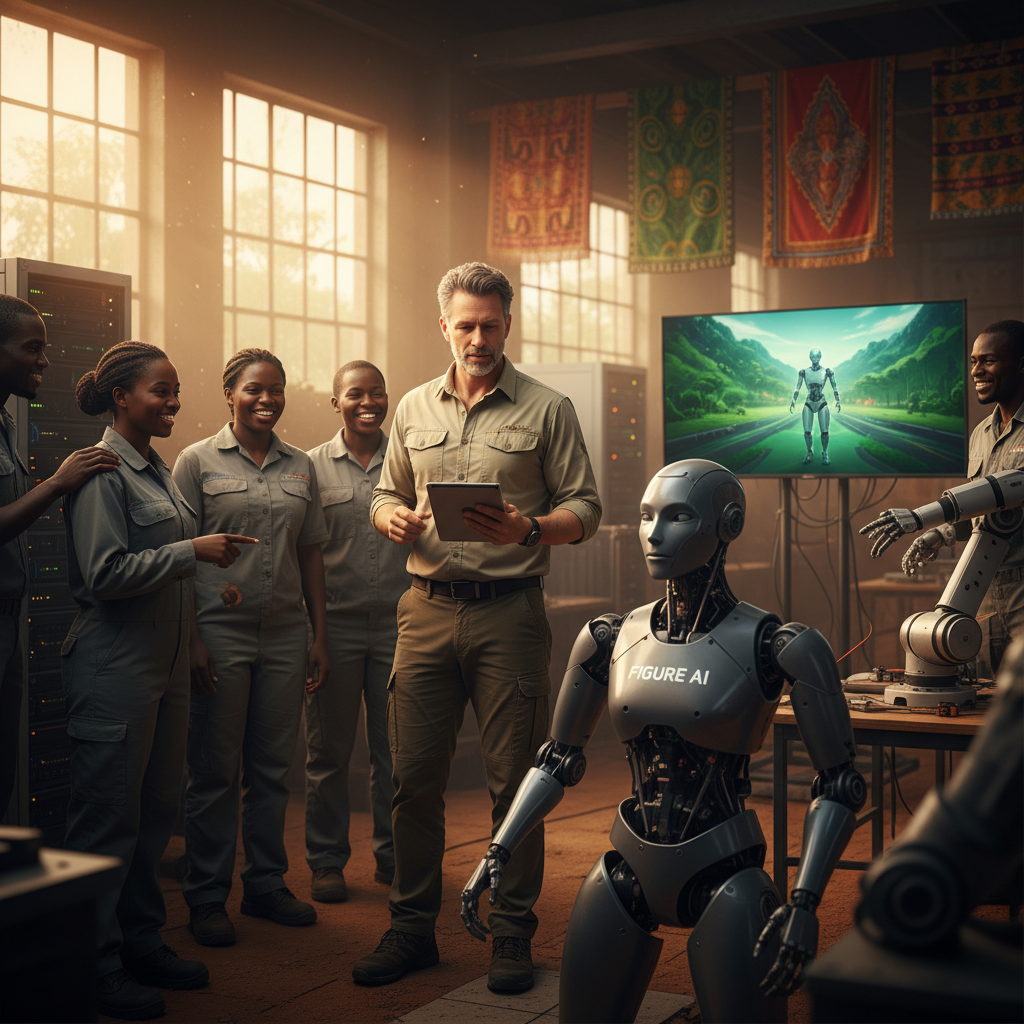
One of the defining moments for Figure AI came when they unveiled their first full-size humanoid robot, Figure 01. It was a moment that captured the world's attention. Here was a machine, standing upright, capable of walking, grasping objects, and performing tasks that were once exclusively in the human domain. The company's vision is clear: to deploy these robots in warehouses and manufacturing facilities, starting with tasks that are dull, dirty, or dangerous. They aim to free up human workers for more complex, creative, or interpersonal roles. It sounds like a dream, does it not? A world where machines handle the drudgery, and humans thrive in their unique capabilities.
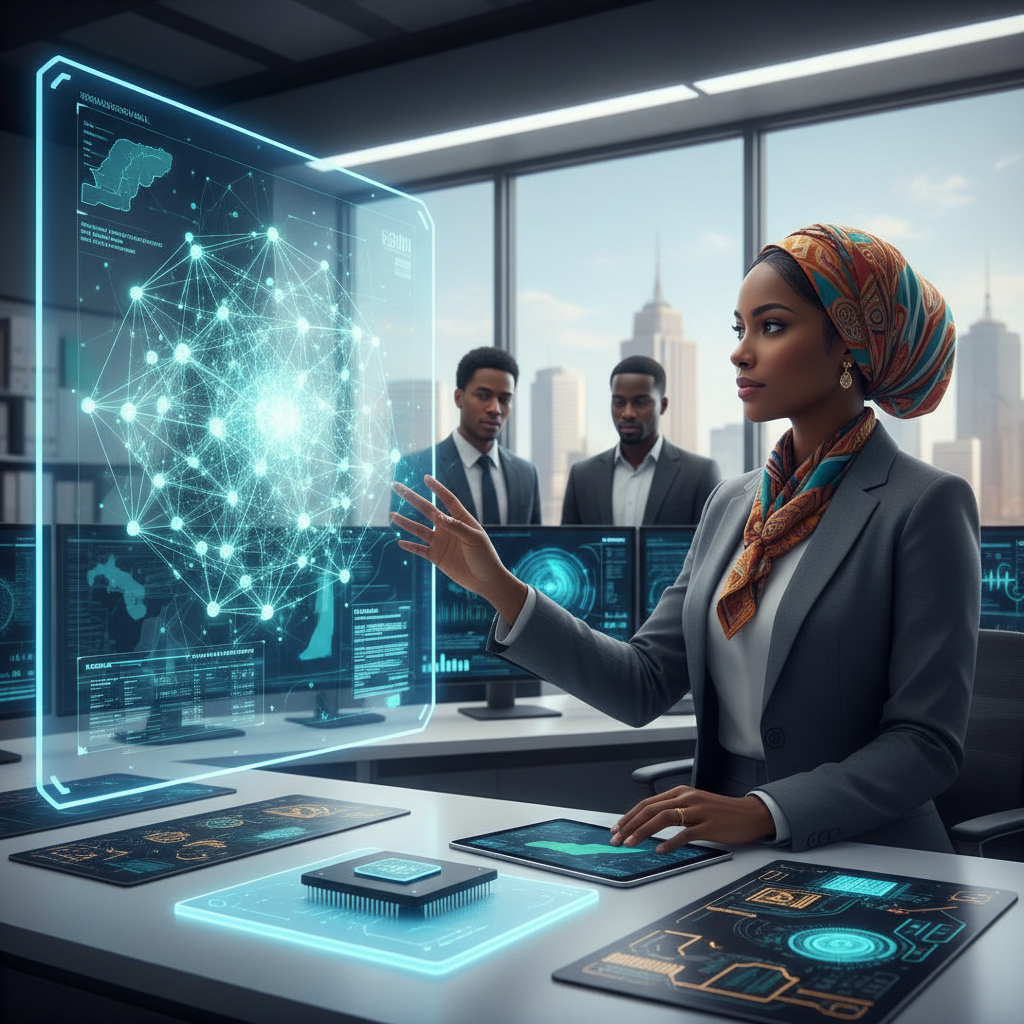
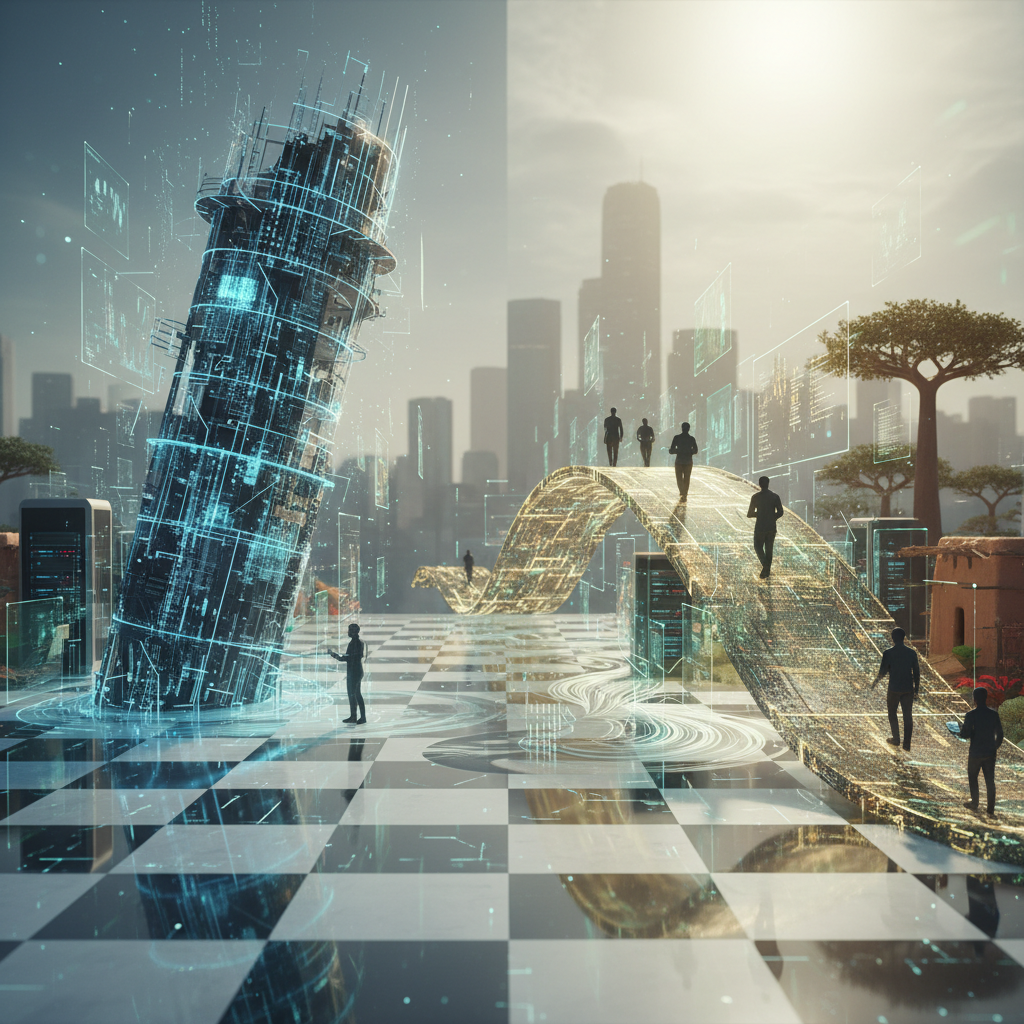
Yet, for us in Eswatini, and indeed across much of Africa, the conversation around labor is different. We do not often speak of labor shortages in the same way as highly industrialized nations. Our challenges are often about job creation, about finding meaningful employment for our vibrant youth. When I hear about robots potentially replacing human labor, even in warehouses, I wonder about the ripple effects. Will these technologies create new opportunities for us, or will they widen the chasm between the technologically advanced and those still striving for basic industrialization? This tiny kingdom has big ideas about technology, but our focus is often on how it can uplift, not displace.
Adcock’s approach to building Figure AI has been characterized by rapid iteration and ambitious goals. He has spoken about the importance of speed and the need to move quickly to solve complex engineering challenges. The company has partnered with OpenAI, for instance, to develop next-generation AI models for Figure 01, allowing the robot to process language and perform tasks more intelligently. This collaboration is a testament to the belief that the future of robotics is deeply intertwined with advancements in artificial intelligence. The humanoid form factor, combined with advanced AI, is what they believe will unlock true general-purpose capability.
“Our vision at Figure is to bring humanoid robots into commercial operations as soon as possible,” Adcock stated in a recent press release, “and this investment, coupled with our partnership with OpenAI, will help us achieve that goal.” This kind of determination is what drives innovation, no doubt. But it also raises questions. What does