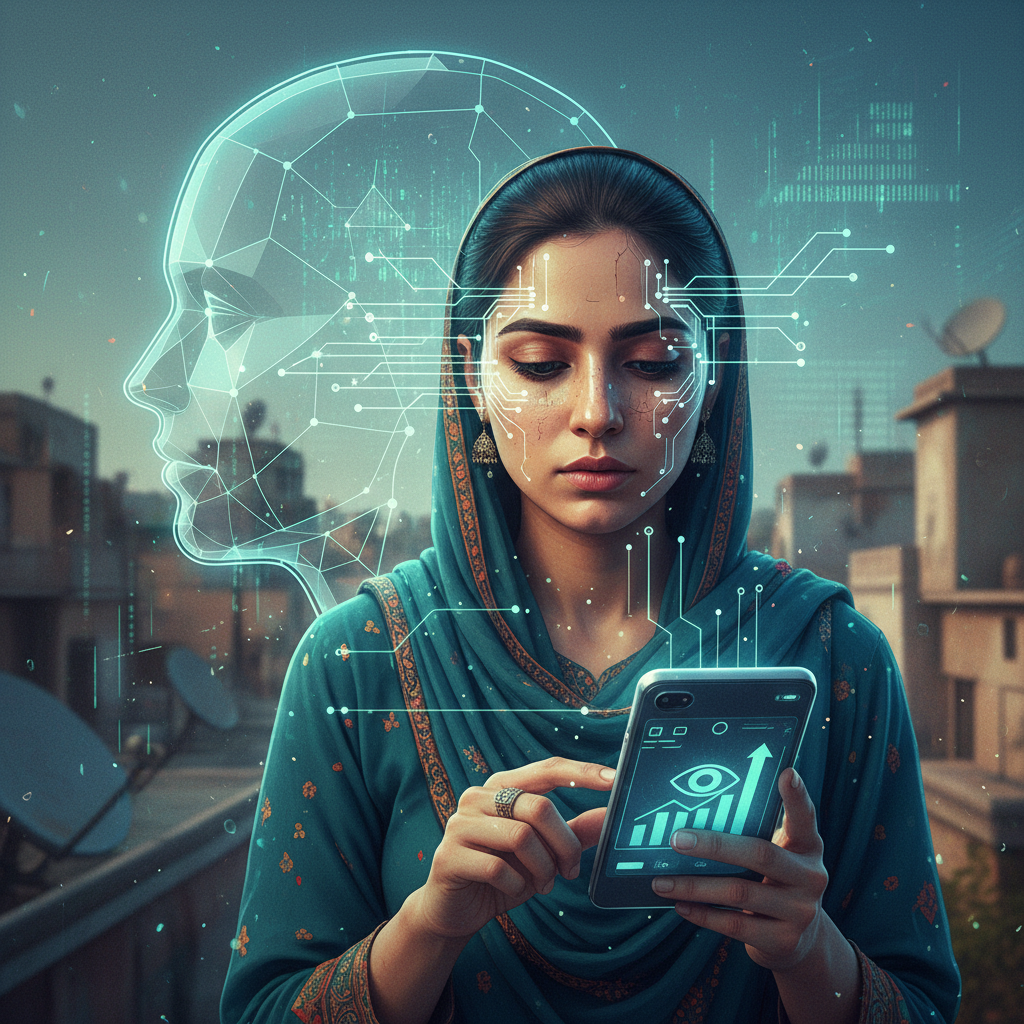

The legal battles engulfing major AI developers like OpenAI, Google, and Meta are no longer confined to the courtrooms of California or New York. These disputes, centered on allegations of copyright infringement by artists, authors, and musicians, resonate far beyond the Western tech hubs. Even here, in the heart of Central Asia, where the digital economy is still finding its footing, the implications are profound. For a nation like Tajikistan, where cultural heritage is a cornerstone of identity and creative expression is often a path to economic opportunity, the outcome of these 'AI copyright wars' could dictate the very future of our digital creative industries.
In recent months, the volume of litigation has surged. Authors' guilds, prominent artists, and record labels have initiated lawsuits against companies whose large language models and image generators were allegedly trained on copyrighted material without consent or compensation. The Authors Guild, representing thousands of writers, has filed a class-action lawsuit against OpenAI and Microsoft, asserting that their AI systems, including GPT-4 and Copilot, directly infringe on copyrighted books. Similarly, artists have targeted image generation platforms like Stability AI and Midjourney, claiming their styles and works were ingested into training datasets without permission. The music industry, never one to shy from legal action, has also joined the fray, with Universal Music Group and other labels pursuing action against AI music generators. The stakes are immense, with potential damages running into billions of dollars and the very business models of these AI giants hanging in the balance.
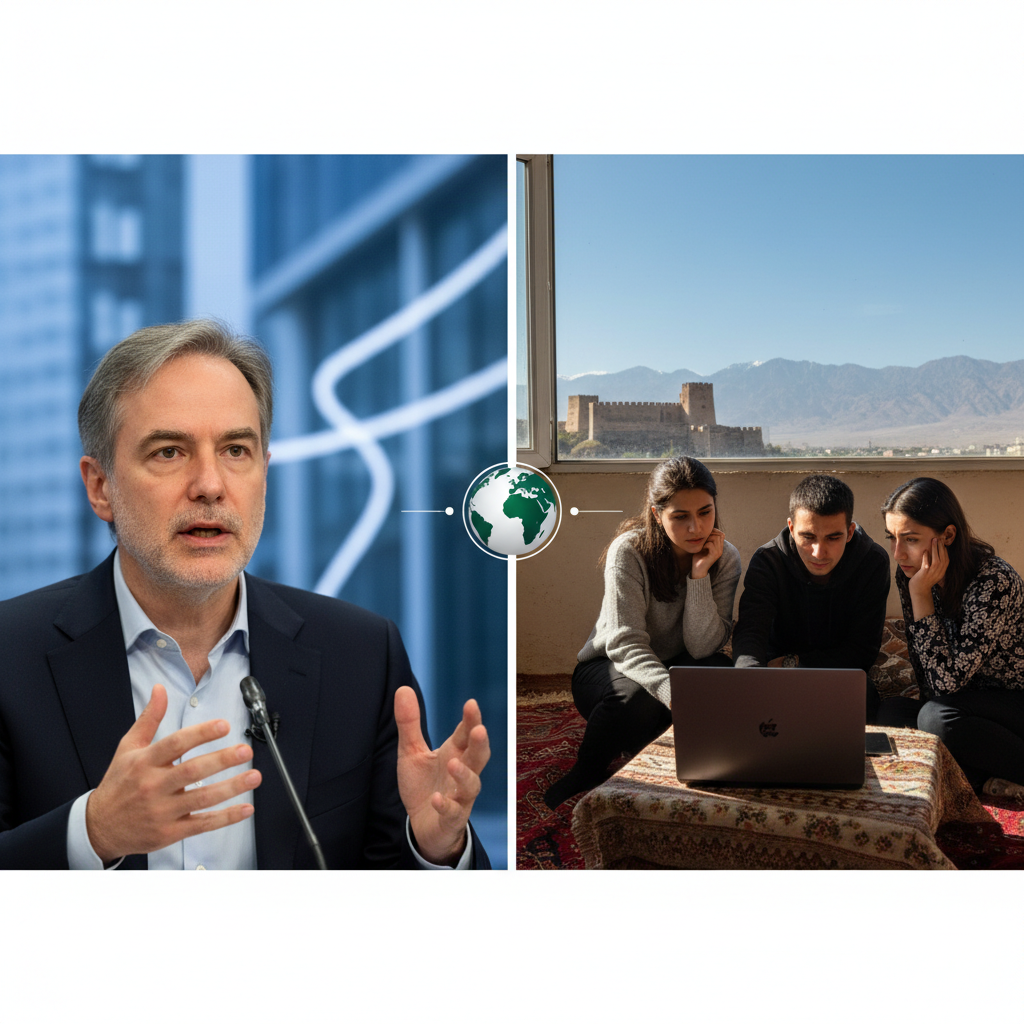
From a Tajik perspective, these developments are not abstract legal theories. They are practical concerns. Our artisans, calligraphers, musicians, and writers, often working with limited resources, depend on the integrity of their intellectual property. If AI models can freely replicate or derive new works from their creations without attribution or remuneration, it undermines the economic viability of their craft. "The reality in Central Asia is different from the headlines coming from Silicon Valley," explains Dr. Firuz Davlatov, a legal scholar specializing in intellectual property at the Tajik National University. "Here, many artists rely on traditional methods and direct sales. The idea of an algorithm consuming their life's work without permission is not just an injustice, it's an existential threat to their livelihood and cultural preservation."
Data from recent analyses underscores the scale of the problem. A report by the Copyright Alliance in late 2025 indicated that over 70% of creative professionals surveyed globally felt their work was at risk from unchecked AI usage. In the United States alone, the number of copyright infringement lawsuits related to AI has reportedly quadrupled in the past year, according to legal analytics firm Lex Machina. These figures, while Western-centric, paint a clear picture of a global challenge. The core argument from the plaintiffs is straightforward: AI models are not merely learning from data; they are, in essence, creating derivative works or facilitating the creation of works that compete directly with the originals, without licensing the underlying content. Tech companies, conversely, argue that their use of data constitutes 'fair use' or 'transformative use,' akin to how a human learns from reading and observing.
Consider the case of a traditional Tajik miniaturist, whose intricate designs and patterns have been passed down through generations. If an AI image generator, trained on a vast dataset including such cultural artifacts, can then produce similar designs on demand, the market for the original artist is directly impacted. "Who owns the style? Who owns the cultural motif? These are questions that transcend Western legal frameworks," notes Gulnora Karimova, a curator at the National Museum of Antiquities of Tajikistan. "For us, these are not just individual creations, they are part of our collective heritage. We must ensure that AI does not become a tool for cultural appropriation on an industrial scale."
The legal landscape is complex and evolving rapidly. Courts are grappling with unprecedented questions. Is a dataset a 'copy' in the copyright sense? Does the output of an AI model constitute a 'derivative work' if it does not directly reproduce the original? The outcomes of these cases against companies like OpenAI and Stability AI will set crucial precedents. A ruling in favor of creators could force AI developers to license vast quantities of data, potentially leading to a 'pay-for-play' model for training data. This would dramatically alter the economics of AI development, possibly favoring larger, more established tech firms that can afford such licenses, and potentially creating barriers for smaller innovators.
Conversely, a ruling favoring the AI companies could severely weaken copyright protections in the digital age, reducing the incentive for human creativity. This is a concern that resonates deeply in regions where creative industries are often fragile and vulnerable. "Tajikistan's challenges require Tajik solutions, but we cannot ignore global trends," states Rustam Safarov, head of the Digital Economy Department at the Ministry of Industry and New Technologies. "We are actively monitoring these cases, understanding that their resolutions will inform our own national policies regarding AI and intellectual property. We must protect our creators while also fostering technological advancement."
One emerging solution being discussed globally is the concept of 'opt-out' mechanisms, allowing creators to explicitly prevent their work from being used for AI training. Another is the development of robust licensing frameworks, perhaps managed by collective rights organizations. Some tech companies, like Adobe, are attempting to pre-empt litigation by building their generative AI models, such as Firefly, exclusively on licensed or public domain content. This approach, while more ethical, often results in models with narrower capabilities compared to those trained on the open web. More information on these developments can be found on TechCrunch.
The debate is not merely about money; it is about the very definition of creativity and authorship in the age of artificial intelligence. It forces us to confront fundamental questions: What is the role of the human creator when machines can generate art, music, and text with startling proficiency? How do we ensure that innovation does not come at the expense of human ingenuity and fair compensation? The answers will shape not only the tech industry but also the cultural fabric of societies worldwide.
As these legal battles unfold, the world watches. For us in Tajikistan, the outcome is not just academic. It is about safeguarding our cultural heritage, empowering our artists, and ensuring that the promise of AI serves humanity, rather than diminishing it. Let's talk about what actually works: a balanced approach that respects creative rights while enabling responsible technological progress. The future of our digital creativity depends on it. Further analysis of the broader societal impact of AI can be found on Wired. The academic perspective on these complex legal and ethical issues is often covered by MIT Technology Review.