
The digital tide, driven by the relentless march of artificial intelligence, is washing over every corner of the globe. From the bustling markets of Conakry to the remote villages nestled in the Fouta Djallon highlands, the promise of AI, often heralded by giants like Google with its Gemini models and OpenAI with its GPT series, is palpable. Yet, beneath the veneer of progress and efficiency, a more disquieting question emerges: who bears the responsibility when these sophisticated systems cause harm? This is not a theoretical debate confined to Silicon Valley boardrooms; it is a very real, pressing concern for nations like Guinea, where regulatory frameworks are still nascent and the potential for adverse impact is significant.
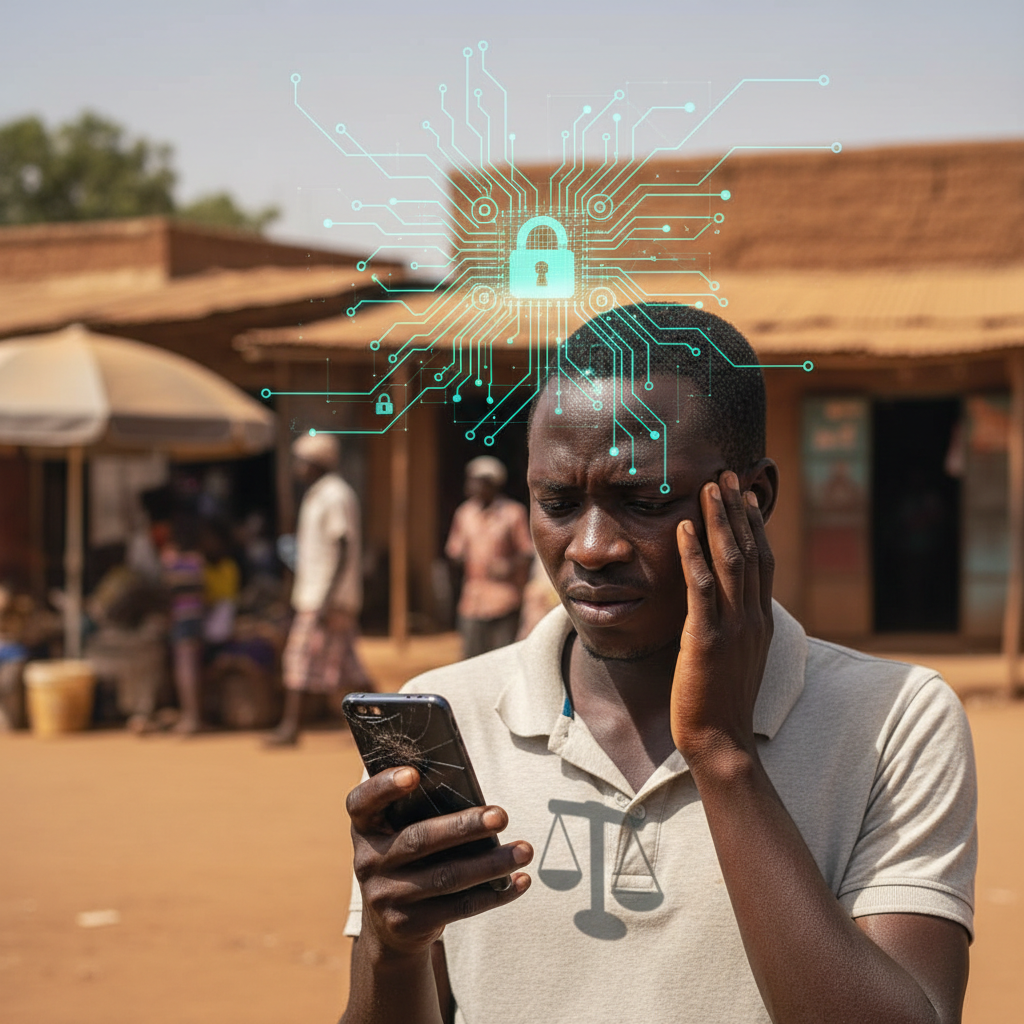
Consider the scenario of an AI-powered diagnostic tool, perhaps developed by a major tech firm, deployed in a Guinean hospital. If this tool, trained on predominantly Western datasets, misdiagnoses a prevalent tropical disease, leading to incorrect treatment and patient suffering, who is to blame? Is it the developer, Google or OpenAI, for creating a biased algorithm? Is it the local hospital for implementing it without sufficient validation? Or is it the government for failing to establish robust oversight? The complexities are immense, and the answers, far from clear.
My investigations across Conakry reveal a landscape ripe for both innovation and exploitation. There is an undeniable enthusiasm for AI's potential to leapfrog traditional development hurdles, particularly in sectors like agriculture, education, and healthcare. However, this enthusiasm often overshadows a critical examination of the underlying risks. "We are eager to embrace technology that can uplift our people," stated Dr. Mariam Diallo, a leading public health expert at the Gamal Abdel Nasser University of Conakry, during a recent symposium. "But we must not sacrifice safety and justice at the altar of innovation. The ethical implications, particularly around data privacy and algorithmic bias, are not mere academic exercises for us; they are matters of life and death." Her words echo a growing sentiment among Guinean intellectuals and policymakers.
The European Union, with its landmark AI Act, has attempted to draw clear lines of responsibility, categorizing AI systems by risk level and imposing stringent obligations on developers and deployers. While imperfect, it represents a concerted effort to grapple with this issue. In the United States, discussions are fragmented, often focusing on sector-specific guidelines rather than a comprehensive federal framework. But here's the catch for nations like Guinea: we often find ourselves as recipients of technologies designed and governed by external powers, with little say in their ethical parameters or liability structures. The digital coloniality, as some scholars term it, is a stark reality.
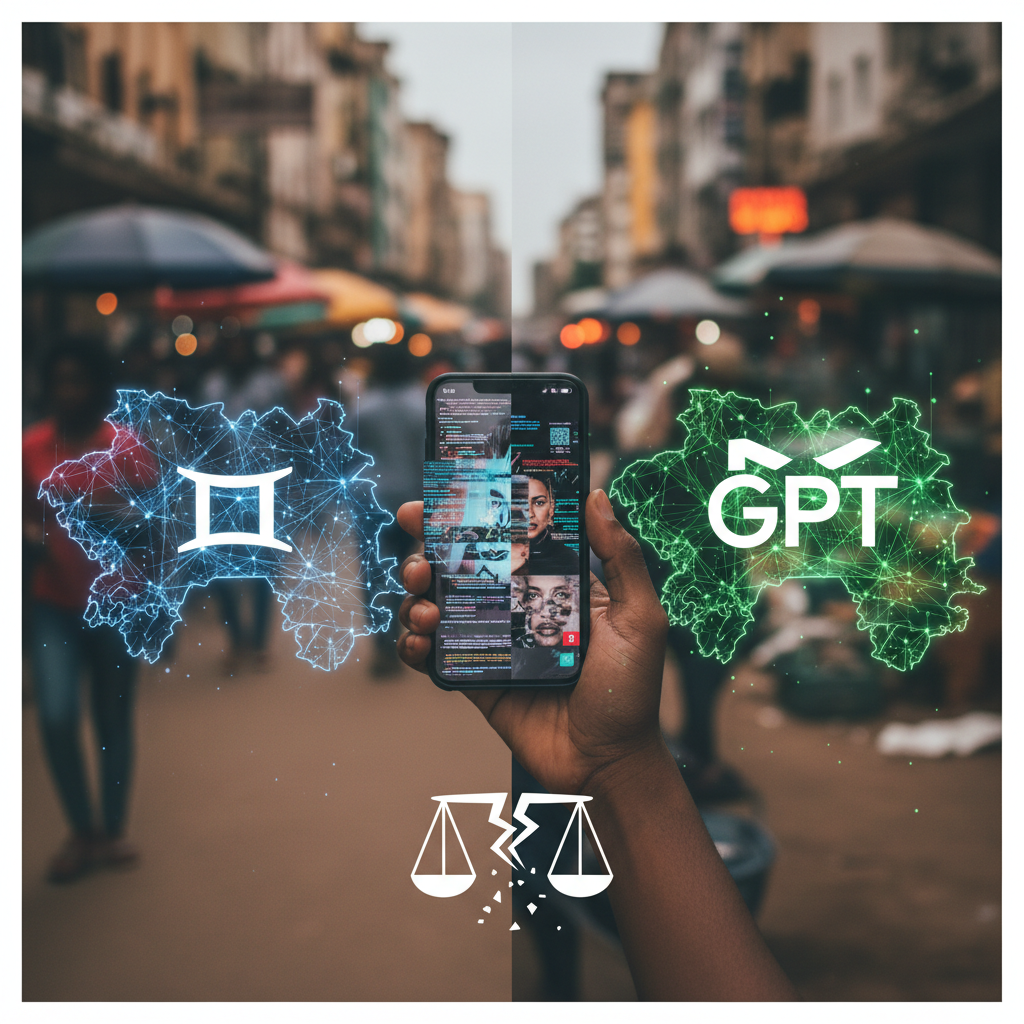
For instance, large language models like OpenAI's GPT-4 or Google's Gemini are increasingly being integrated into various applications, from content generation to customer service. While their utility is undeniable, their capacity to hallucinate, propagate misinformation, or even generate harmful content presents a unique challenge. If a Guinean news outlet uses an AI-powered content creation tool that inadvertently publishes false information, leading to social unrest, where does the legal culpability lie? The terms of service of these AI providers often shield them from such liabilities, pushing the burden onto the end-user or deployer. This creates an untenable situation for local businesses and institutions that lack the legal and technical resources to navigate such complex disputes.
I dug deeper and found something troubling. Many of the AI solutions being piloted or adopted in Guinea are 'black boxes,' their internal workings opaque even to the local experts deploying them. This lack of transparency, combined with the often-unilateral terms dictated by global tech companies, leaves our nation vulnerable. "We need to move beyond simply consuming technology to actively shaping its governance," argued Mamady Keita, a tech policy analyst with the Guinean Ministry of Digital Economy, Post and Telecommunications. "Our sovereignty in the digital sphere depends on it. We cannot afford to be passive recipients of algorithms that dictate our future without accountability." His point is well taken, reflecting a growing awareness that digital self-determination is as crucial as political independence.
The economic implications are equally significant. If an AI system causes significant economic damage, say by mismanaging agricultural output predictions for a major crop like rice or coffee, the financial repercussions for farmers and the national economy could be devastating. Guinea's economy, heavily reliant on natural resources and agriculture, is particularly susceptible to such disruptions. The current legal frameworks, largely inherited from colonial eras and designed for a pre-digital world, are ill-equipped to address these novel challenges. They lack specific provisions for algorithmic accountability, data ownership in the context of AI, or redress mechanisms for AI-induced harm.
This is not to say that AI should be shunned. Far from it. The potential for AI to assist in areas like climate change adaptation, disease surveillance, and improving public services is immense. However, the enthusiasm must be tempered with a pragmatic understanding of the risks and a proactive approach to governance. The devil is in the details of how these powerful tools are integrated into our society and who is ultimately responsible when they falter. Without clear liability frameworks, there is a significant risk that the most vulnerable populations will bear the brunt of AI's failures, while the powerful developers remain largely insulated.
Developing nations, including Guinea, must advocate for international cooperation that ensures equitable liability distribution. This could involve advocating for global standards, participating in multilateral discussions on AI governance, and building domestic capacity in AI ethics and law. The African Union's Artificial Intelligence Strategy offers a promising starting point, emphasizing human-centric AI development and robust ethical guidelines. However, translating strategy into enforceable law and practical implementation remains a formidable task.
Furthermore, local innovation and research are critical. Investing in Guinean AI researchers and developers, fostering local data ecosystems, and encouraging the creation of culturally relevant AI applications can help mitigate some of the biases inherent in globally developed models. This localized approach can also empower our nation to develop its own liability frameworks that are tailored to our unique socio-economic and legal contexts, rather than merely adopting those designed for vastly different societies. The path forward requires a delicate balance: embracing the transformative potential of AI while rigorously demanding accountability and safeguarding the rights of our citizens. It is a challenge that Guinea, and indeed all of Africa, must confront head-on, with clear eyes and a firm resolve. For more insights into how other nations are grappling with AI governance, one might consult resources like MIT Technology Review. The conversation around AI's impact on global markets is also frequently covered by Reuters Technology. For a broader perspective on the tech landscape, The Verge offers consistent updates. The question of who is responsible for AI's actions is not just a legal one; it is a deeply moral and societal imperative that will define our digital future.