The scent of freshly baked koeksisters from the corner stall mixes with the exhaust fumes of taxis rushing past, creating that familiar, vibrant symphony of a Johannesburg morning. It is a symphony of life, of hustle, of a city always moving forward, always adapting. Here, in the heart of our economic engine, the conversations about the future are not just academic; they are about livelihoods, about dignity, about ensuring that progress uplifts everyone, not just a select few.
Lately, the global chatter has been dominated by AI safety institutes. Governments from the US to the UK are scrambling to set up bodies to test these increasingly powerful AI systems before they are unleashed on the world. It is a necessary conversation, no doubt, but as I sip my rooibos tea, I cannot help but wonder: what about us? What about South Africa, what about the continent? Are we just passive recipients of technologies developed elsewhere, or do we have a seat at the table, shaping their safety and their future?
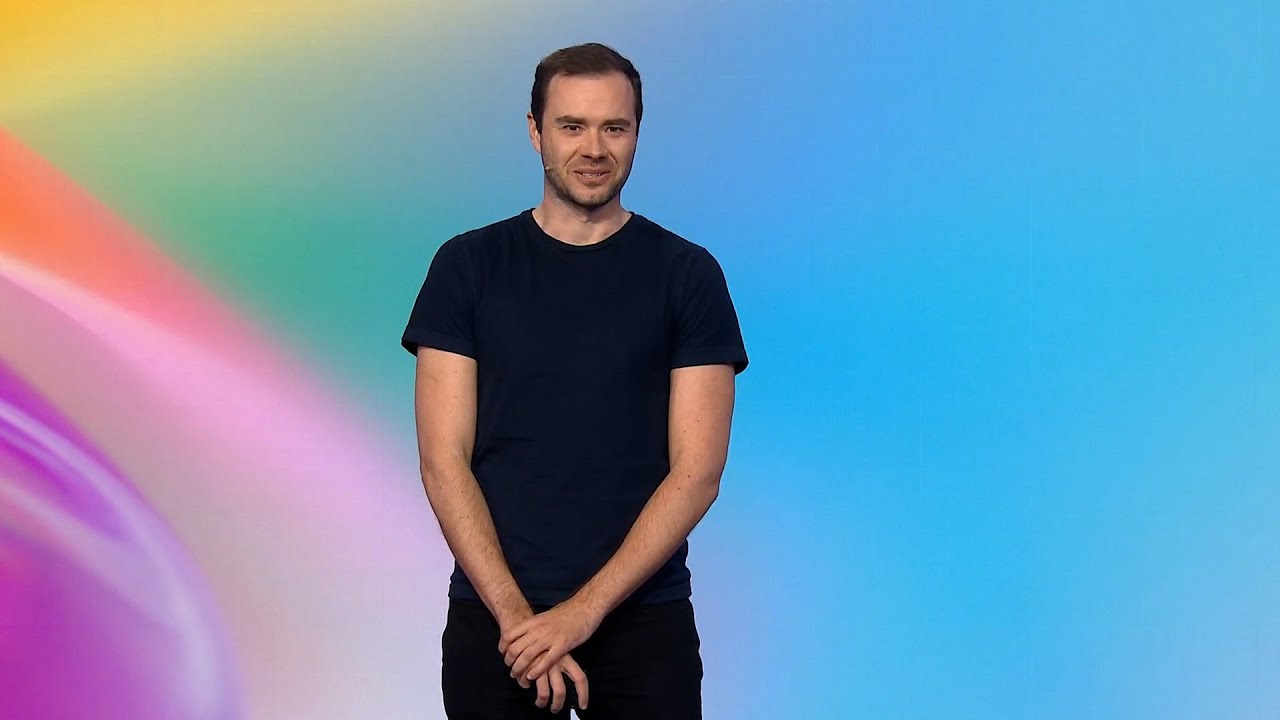
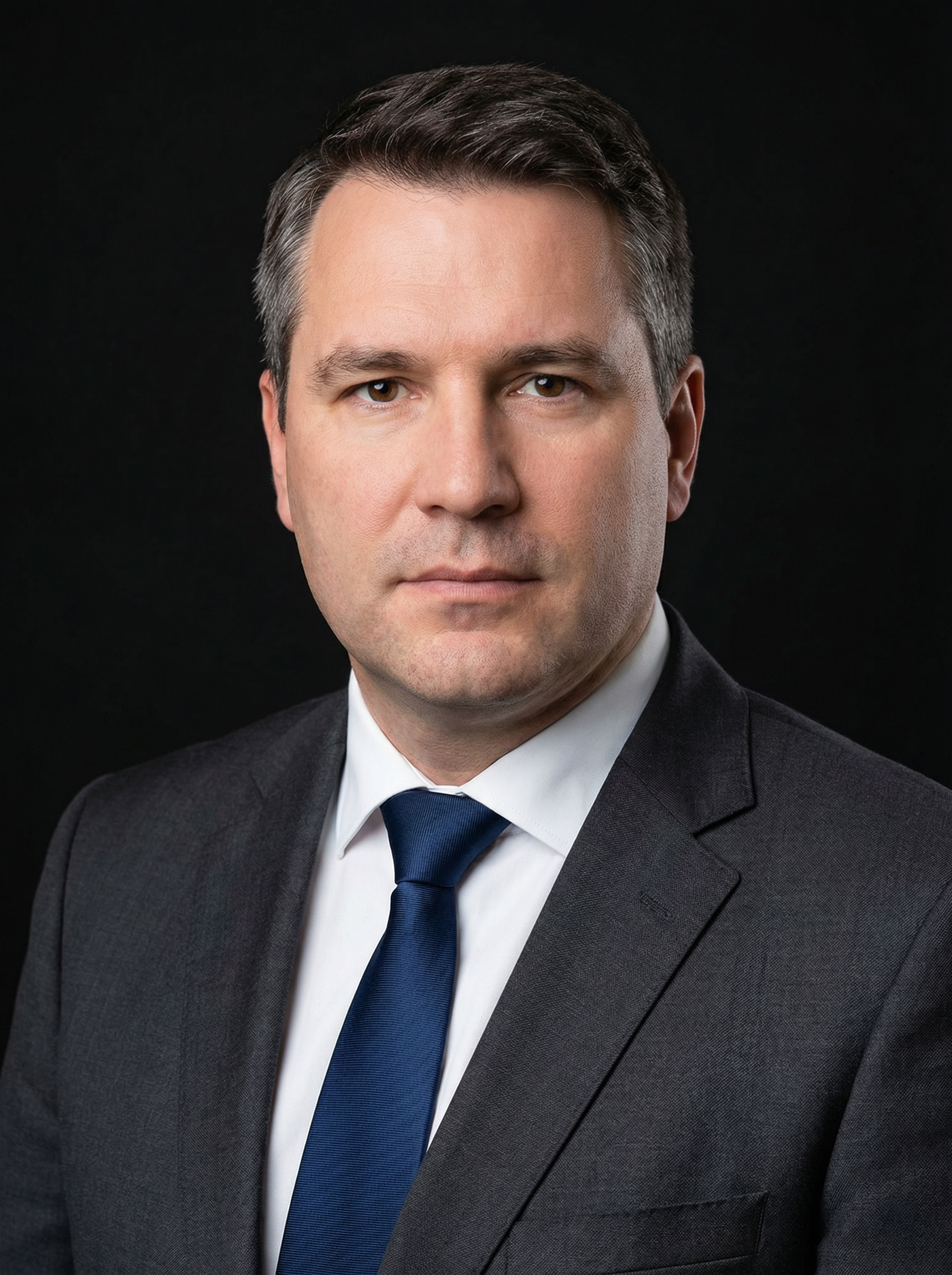
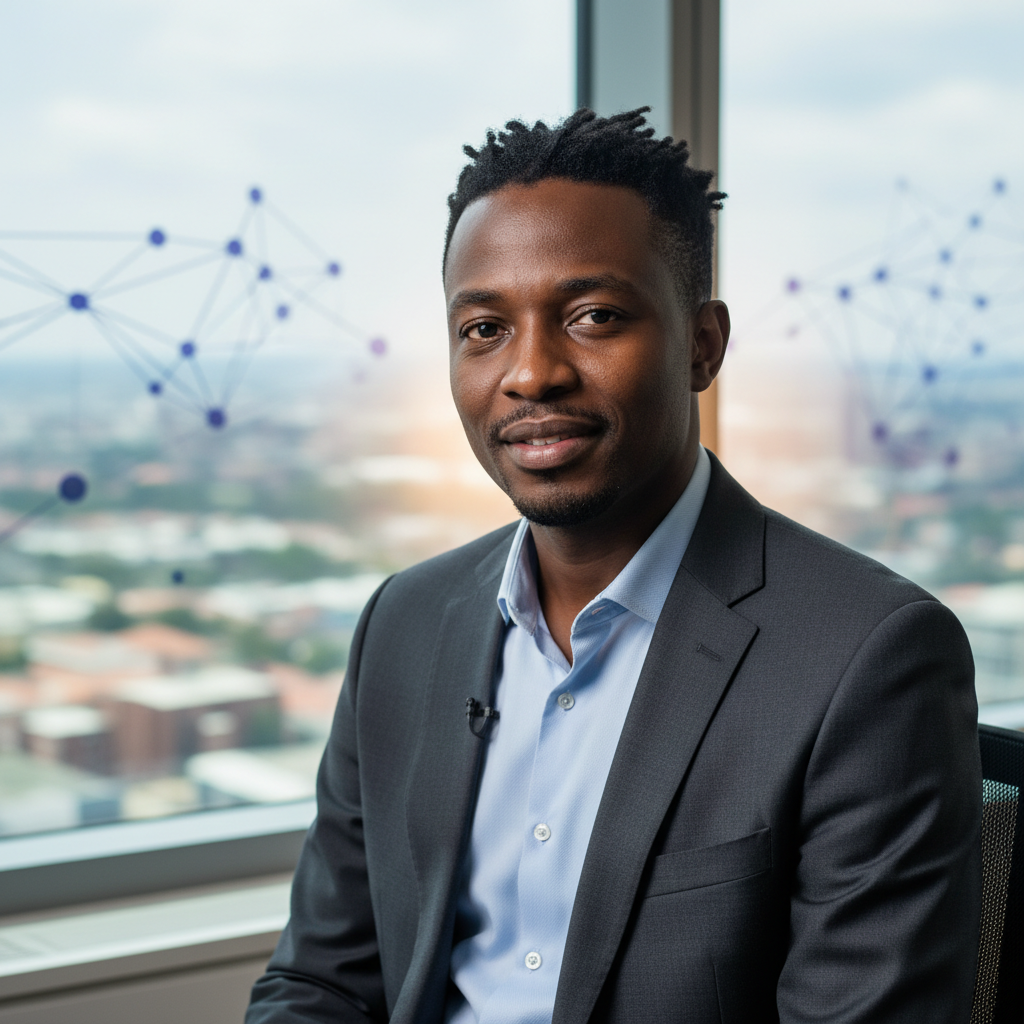
This question led me to Dr. Vukosi Marivate, a name synonymous with AI innovation and ethical leadership in South Africa. He is a Senior Lecturer in Computer Science at the University of Pretoria, a co-founder of the Deep Learning Indaba, and a passionate advocate for African-led AI development. His work often focuses on natural language processing for African languages, tackling real-world problems with a deep understanding of local context. Dr. Marivate is not just talking about AI; he is building it, teaching it, and crucially, thinking deeply about its societal impact.
I met him on a surprisingly quiet afternoon, the hum of the city a distant murmur. We spoke about the global rush to regulate, the promises and perils of AI, and what a truly equitable approach to AI safety might look like for a country like ours. "The conversation around AI safety is critical, absolutely," Dr. Marivate began, his voice calm yet resonant. "But we must ensure that the frameworks developed are not just reflective of Silicon Valley's concerns. Our challenges, our priorities, and our data landscapes are different. We need safety mechanisms that understand a township, not just a tech park."
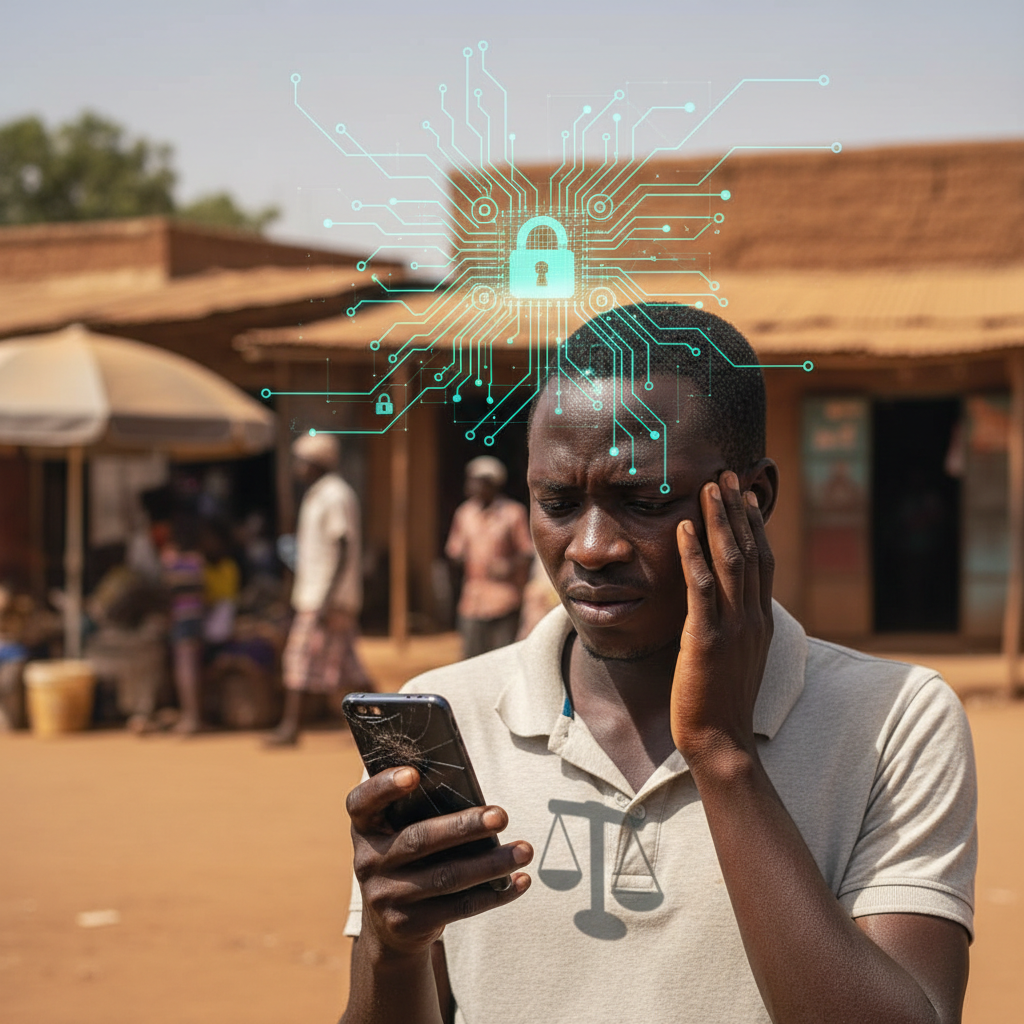
Let that sink in. For too long, the narrative around emerging technologies has been dictated by the global North. Their problems become the universal problems, their solutions the universal solutions. But Africa has a unique set of circumstances: vast linguistic diversity, varying levels of digital infrastructure, and a history of technological adoption that has often bypassed or even harmed local communities. An AI system deemed 'safe' in California might still perpetuate bias or exacerbate inequalities when deployed in a rural South African village, simply because its training data did not include our realities.
Dr. Marivate emphasized the foundational role of data. "If your AI models are trained predominantly on data from Western contexts, they will inherently carry those biases," he explained. "When such a model is then used for, say, credit scoring in South Africa, it might unfairly disadvantage individuals based on names, addresses, or even language patterns that it simply does not understand or associates with negative outcomes. This isn't just a tech story because it's a justice story."
He pointed to initiatives like the Masakhane research community, which he co-founded, dedicated to strengthening natural language processing for African languages. This kind of grassroots, community-driven effort is vital for building AI systems that are not only effective but also culturally appropriate and fair. The goal is not just to translate, but to truly understand and represent the nuances of African communication. Without this, how can an AI be truly 'safe' for a Xhosa speaker, a Zulu speaker, or a Tswana speaker?
The idea of AI safety institutes, where governments and independent bodies rigorously test AI models for risks like bias, privacy violations, or even catastrophic failures, is gaining traction. The UK, for instance, launched its AI Safety Institute in 2023, focusing on evaluating advanced AI models. The US followed suit with its own AI Safety Institute within the National Institute of Standards and Technology. These are important steps, but Dr. Marivate argued that Africa cannot afford to be a mere spectator.
"We need our own capacity to evaluate these systems," he stated firmly. "It is not enough to rely on reports from overseas. We need local experts, local infrastructure, and local understanding to assess how these models will interact with our unique societal fabric. This means investing in AI education, fostering local research, and building institutions that can conduct independent audits tailored to our context." He highlighted the need for a pan-African approach, perhaps a regional AI safety body, given the shared challenges and opportunities across the continent. Such an institution could pool resources, share expertise, and develop standards that resonate with African values.
When we talk about Ubuntu, that profound African philosophy of 'I am because we are,' it applies directly to AI safety. An AI system that harms one part of our community ultimately harms us all. Its safety, therefore, must be a collective responsibility, informed by collective wisdom. Dr. Marivate believes that our approach to AI safety must be rooted in this principle.
He also touched on the economic implications. "If we do not develop our own robust safety and governance frameworks, we risk becoming a dumping ground for untested or inappropriate AI technologies," he warned. "That not only stifles local innovation but also exposes our populations to avoidable risks. We need to be proactive, not reactive." This means engaging with global discussions, but also asserting our own needs and perspectives. It means building bridges with international partners, but always with our sovereignty and our people's well-being at the forefront.
Looking ahead, Dr. Marivate envisions a future where African researchers and policymakers are not just consumers of AI safety standards, but co-creators. He sees a role for local universities, tech hubs, and even civil society organizations in contributing to these evaluations. "We have brilliant minds here, people who understand the intricacies of our societies better than anyone else," he said. "Their insights are invaluable. We must empower them." For more on the global landscape of AI policy, you might find articles on MIT Technology Review insightful.
Here's the thing nobody's talking about enough: the cost of inaction. The cost of not having our own AI safety institutes, our own regulatory sandboxes, our own ethical guidelines. It is not just about missed economic opportunities; it is about the potential erosion of trust, the deepening of existing inequalities, and the loss of agency over our own technological future. The world is moving fast, and while we welcome innovation, we must also insist on responsibility. The future of AI in South Africa, and indeed across Africa, depends on our ability to shape it, not just react to it. For more on African AI initiatives, TechCrunch often covers emerging startups and research.
As our conversation drew to a close, Dr. Marivate's parting words resonated deeply. "We have an opportunity, right now, to build an AI future that is truly inclusive and beneficial for all. But it requires intentional effort, local expertise, and a commitment to our values. We cannot afford to get this wrong." It is a powerful call to action, a reminder that technology, like any tool, reflects the values of its creators and its stewards. For South Africa, that stewardship must be guided by Ubuntu, ensuring that AI serves humanity, in all its diverse and beautiful forms. The journey to a safe and equitable AI future is long, but with leaders like Dr. Marivate, we are taking crucial steps forward, one thoughtful conversation at a time. This is a story about more than just algorithms; it's about building a better society. For more on AI ethics and governance, articles on Wired often explore these complex issues. Our own DataGlobal Hub also covers such topics, including how When Google's Algorithms Judge Your CV: Why Jordan's Human Touch Still Outsmarts Silicon Valley's Bias [blocked].