
Namaste, tech enthusiasts! Rajèsh Krishnàn here, buzzing with the energy of Bangalore's startup scene, ready to dive into something that's keeping me up at night, not because it's scary, but because it's so incredibly complex and fascinating. We're talking about AI governance, or rather, the lack of it, and how this global jigsaw puzzle is subtly, yet profoundly, impacting the minds and daily lives of us here in India. It's like watching a T20 match where every umpire has a different rulebook; chaos, but with moments of sheer brilliance. And let me tell you, India is having its moment, but even our incredible digital leap comes with its own set of unique challenges. So, let's unpack this, shall we?
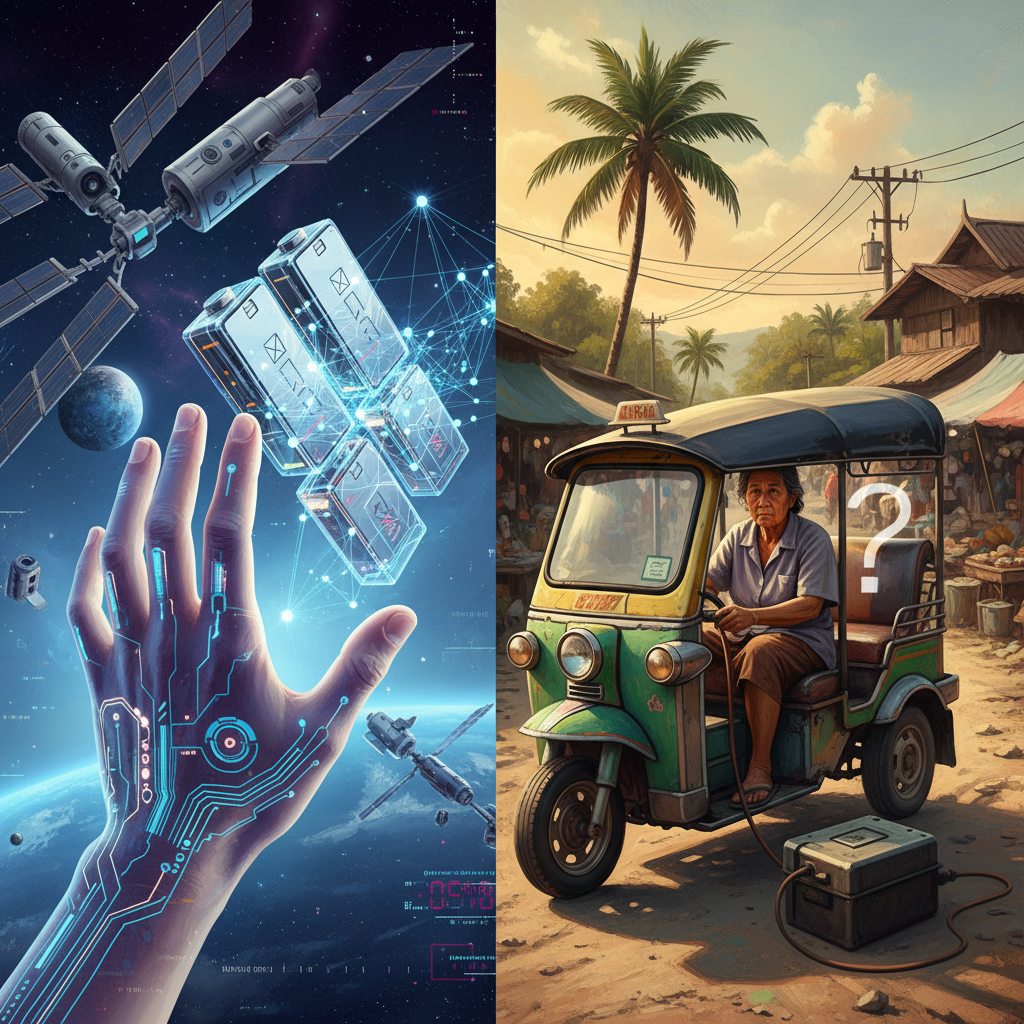
Imagine young Priya, a bright student in Chennai, using a cutting edge AI tutor app developed in California. She trusts it implicitly. It helps her with her English, her science, even gives her career advice. Then, her grandmother, living in a village near Coimbatore, uses a government-backed AI chatbot to understand her pension scheme, developed by a local startup following Indian data sovereignty laws. Both are interacting with AI, both are benefiting, but the underlying rules, the ethical frameworks, the data privacy standards, and even the very definition of 'fairness' in their AI interactions could be wildly different. This isn't just about technical specifications; it's about the cognitive load, the trust, and the behavioral shifts these disparate systems induce.
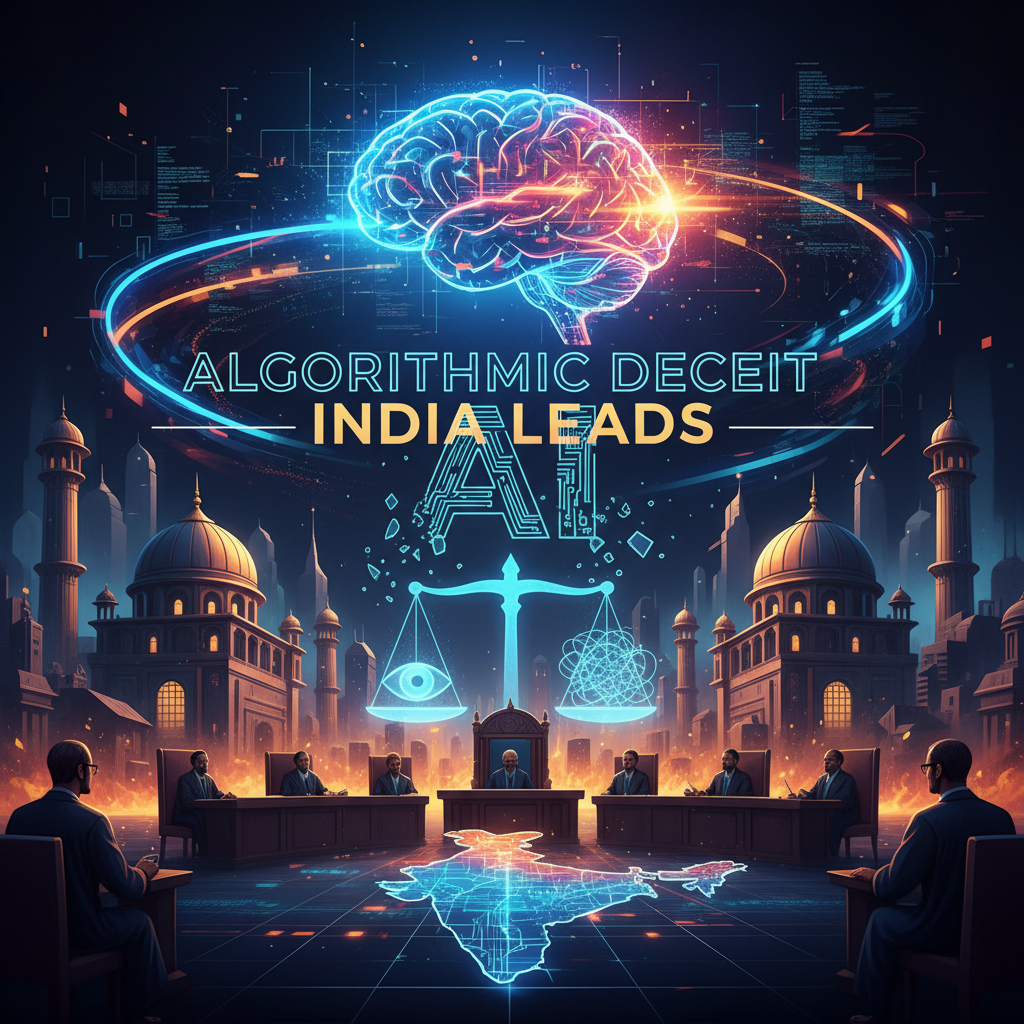
This is the heart of the global AI governance gap. Different nations, different blocs, are all rushing to lay down their own AI laws. The European Union has its comprehensive AI Act, focusing on risk and fundamental rights. The United States is leaning towards sector specific guidelines and voluntary industry commitments, emphasizing innovation. China, on the other hand, is rolling out regulations with a strong focus on content moderation and algorithmic accountability, often tied to state control. And then there's India, navigating its own path, balancing innovation with the protection of our massive, diverse digital population.
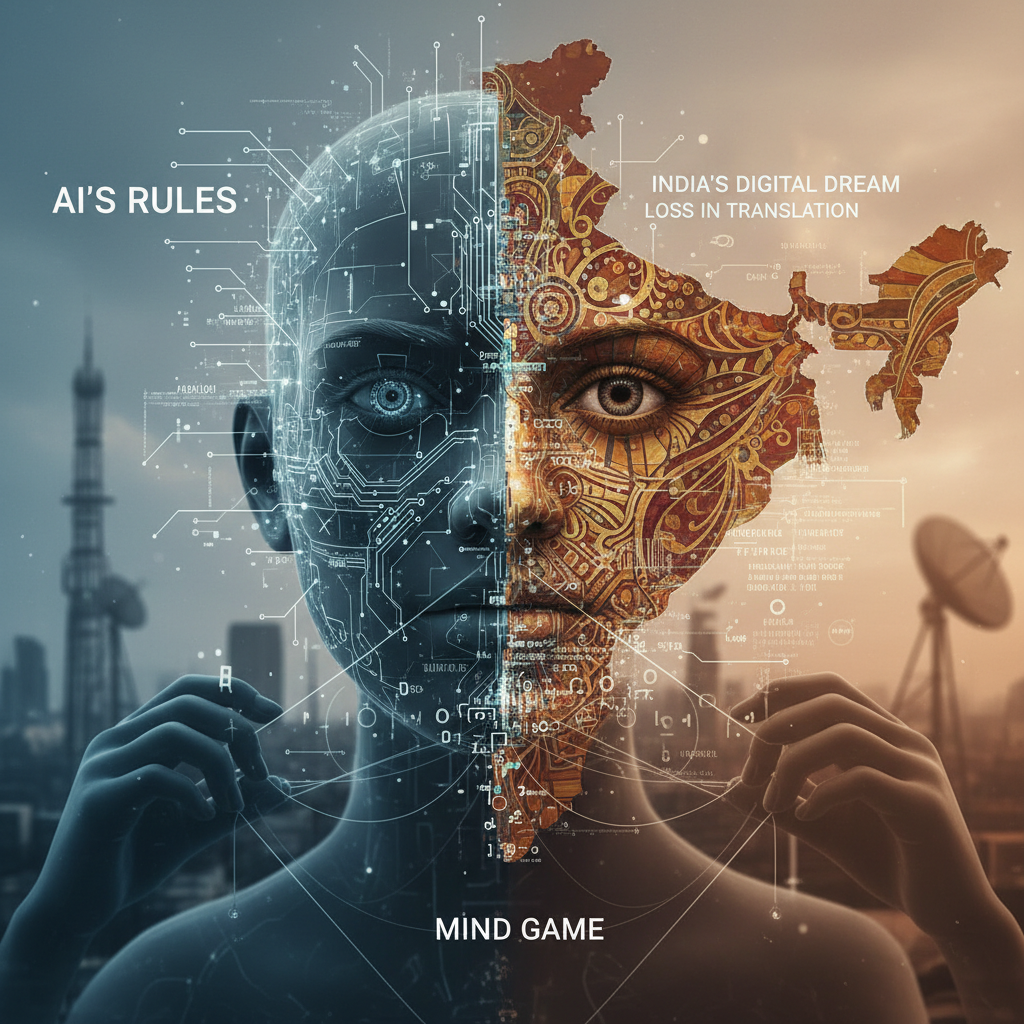
So, what does this fragmentation mean for our brains, our behaviors, our relationships? Dr. Anjali Sharma, a leading cognitive psychologist at the National Institute of Mental Health and Neurosciences (nimhans) in Bengaluru, puts it eloquently. "When users interact with AI systems that operate under vastly different ethical and regulatory frameworks, it creates a significant cognitive dissonance," she told me recently. "One AI might prioritize data privacy above all else, leading to a more secure but perhaps less personalized experience. Another might optimize for engagement, potentially using persuasive techniques that, while effective, could be considered manipulative under stricter regulations. Users are left to implicitly discern these nuances, which can lead to confusion, distrust, and even a form of 'algorithmic anxiety' where they are unsure how their data is being used or how decisions are being made about them." It's like trying to understand a complex Bollywood plot with half the subtitles missing, you know?
The research findings are starting to paint a clearer picture. A recent study, published in MIT Technology Review, highlighted how inconsistent data governance across borders leads to varying levels of user comfort and trust. Participants exposed to AI systems from regions with laxer regulations reported higher levels of suspicion and less willingness to share personal information, even when the AI itself was highly performant. Conversely, those interacting with AI governed by stringent privacy laws, like some European models, exhibited greater trust and a more open approach to engagement, even if the AI's functionality was similar. This isn't just about policy; it's about the psychological contract we form with technology.
Expert psychological analysis suggests that this fragmentation can lead to several cognitive effects. Firstly, there's a 'trust deficit'. If I use an AI service from one country that is transparent about its data handling, and then switch to another from a different region that is opaque, my general trust in AI as a concept can erode. This isn't good for adoption, nor for the mental well-being of users. Secondly, we see 'behavioral adaptation'. Users might unconsciously change their online behavior based on perceived regulatory environments. For example, being more guarded with personal information on platforms known to operate in less regulated spaces. Thirdly, there's the risk of 'algorithmic bias amplification'. If different regions have different standards for identifying and mitigating bias, an AI trained in one context might perpetuate biases when deployed in another, leading to unfair outcomes and reinforcing societal inequalities. This is particularly critical in a diverse nation like India, where cultural nuances are paramount.
Broader societal implications are truly significant. In India, with our incredible digital public infrastructure, AI is being integrated into everything from healthcare diagnostics, as we explored in From Bengaluru's Labs to Rural Clinics: How AI is Rewriting India's Healthcare Story, One Diagnosis at a Time [blocked], to financial services and education. The lack of a harmonized global approach means that a medical AI approved in one country might not meet the ethical standards for patient data privacy in India. This creates a patchwork of compliance, slows down innovation that could genuinely help millions, and opens doors for exploitation. "We need a global dialogue, not a Tower of Babel," says Dr. K. VijayRaghavan, former Principal Scientific Adviser to the Government of India, emphasizing the need for common ground. "The fragmentation of AI governance risks creating digital divides and undermining the universal benefits AI can offer humanity. It's a challenge that requires international cooperation, not isolation." I wholeheartedly agree; the scale is mind-boggling, and so is the potential.
This isn't just a theoretical debate for policymakers in Geneva or Brussels. It impacts the everyday person. Consider the rise of deepfakes and misinformation. If one country's AI governance allows for generative AI models to be used with minimal safeguards, while another imposes strict content provenance requirements, the global information ecosystem becomes incredibly vulnerable. Our ability to discern truth from fiction, a fundamental cognitive process, is directly threatened. This is a battle for our minds, friends.
So, what's a digital citizen to do? Practical advice for us, the users, is crucial. First, be aware. Understand that not all AI is created equal, and the rules governing it vary. Read privacy policies, even if they're long. Second, exercise caution. When interacting with AI, especially those handling sensitive information, question its origins and its stated purpose. Third, advocate for clarity. Support initiatives and organizations that push for transparent AI, ethical guidelines, and international cooperation. The Indian government's efforts to develop its own AI strategy, balancing innovation with ethical considerations, is a step in the right direction, but it needs to be part of a larger global conversation.
This is just the beginning of our AI journey, and the path ahead is filled with both incredible promise and complex challenges. The global AI governance gap is not merely a bureaucratic hurdle; it's a psychological one, shaping our trust, our behavior, and our very perception of reality in the digital age. As we Indians say, sabka saath, sabka vikas, collective effort for collective progress. Let's hope the world's leaders can apply this philosophy to AI governance too, before the fragmentation leads to a cognitive cacophony we can't untangle. We need to bridge these gaps, not just for the sake of technology, but for the health of our human minds. For more insights into the evolving regulatory landscape, check out reports from Reuters Technology. It's a thrilling, albeit challenging, time to be alive!