
The aroma of freshly brewed chai still lingers in my memory from my last visit to Ahmedabad, a city buzzing not just with textile looms and diamond merchants, but with a quiet revolution in healthcare. It is a revolution not of grand hospitals or complex surgeries, but of gentle whispers and understanding algorithms. We are talking about emotional AI, especially in the form of companion robots and smart toys, finding its way into the heart of Indian homes and healthcare.
For many of us, the idea of AI in healthcare conjures images of robotic surgeons or diagnostic algorithms. But what if AI could offer something far more fundamental, something deeply human: companionship and emotional support? In India, where family bonds are paramount yet often strained by migration and modern life, this question is becoming increasingly relevant. Meet the woman who is leading the charge in this space, Dr. Priya Sharma, a neuroscientist and founder of 'Saathi AI Labs' in Bengaluru.
“Our elders, especially, often face loneliness, and children grapple with anxiety in ways we are only just beginning to understand,” Dr. Sharma explained to me over a video call, her voice warm and passionate. “A human touch is irreplaceable, yes, but what if AI could bridge the gaps, offering consistent, non-judgmental support? That is the core idea behind our emotional AI companions.”
The Big Picture: More Than Just a Toy
So, what exactly are these AI toys, companions, and emotional AI systems doing in healthcare? At their heart, they are designed to understand, respond to, and even influence human emotions. Think of a plush toy that can detect a child's distress and offer comforting phrases, or a robotic companion that reminds an elderly person to take their medication while also engaging them in conversation about their day. They are not just gadgets; they are carefully engineered interfaces for emotional well-being, especially crucial in settings where human caregivers are scarce or overburdened.
In India, the applications are vast. From assisting children with developmental disorders like autism by providing predictable, calming interactions, to offering companionship to seniors battling dementia or social isolation, these AI companions are stepping into roles traditionally filled by family members, or often, left unfilled. A recent report by Reuters highlighted a projected 15% annual growth in the emotional AI market in Asia, with India being a significant driver.
The Building Blocks: How Emotional AI Understands Us
Understanding how these seemingly magical companions work means looking at their fundamental components. It is a blend of several AI technologies working in concert, much like the intricate spices in a perfect curry.
-
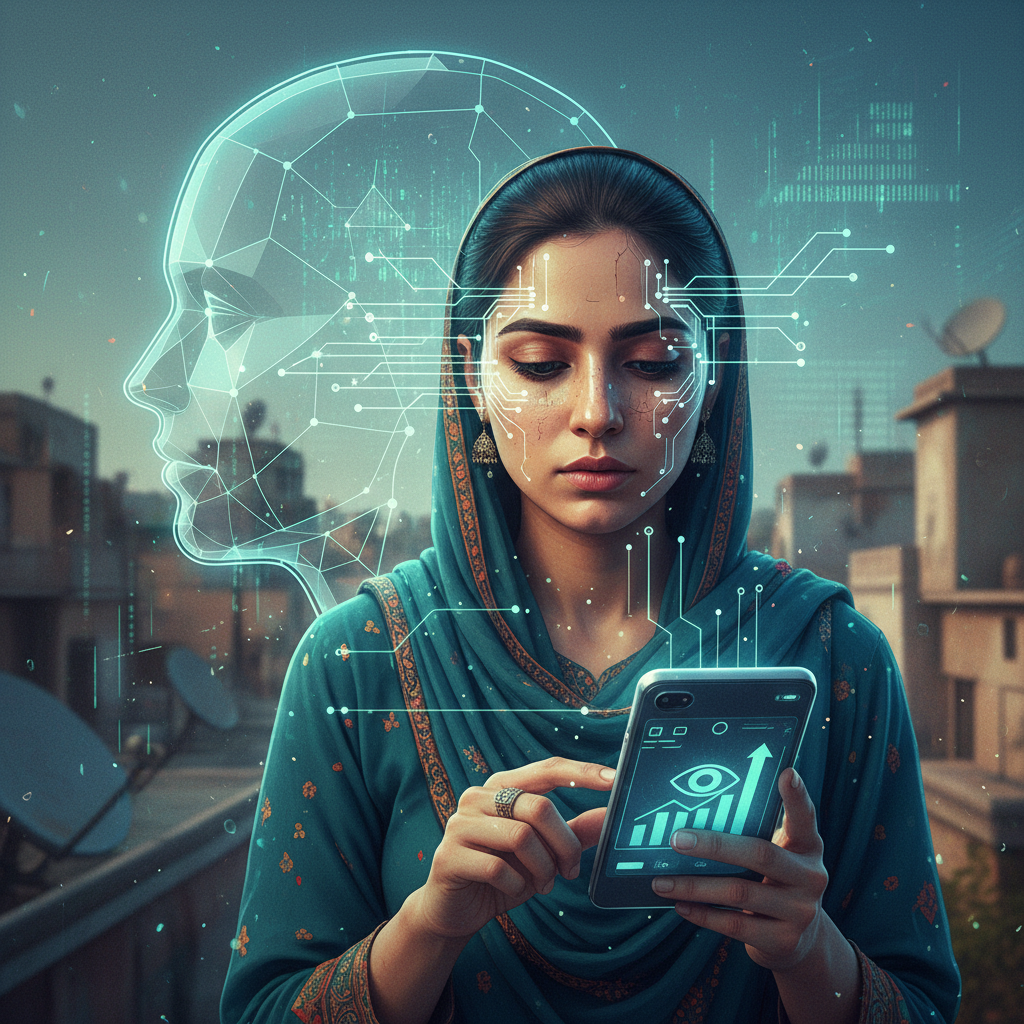
Sensors for Perception: These companions are equipped with an array of sensors. Microphones pick up speech, analyzing tone, pitch, and volume. Cameras can detect facial expressions, body language, and even subtle changes in posture. Some even have haptic sensors to detect touch. Imagine a child hugging a companion, and the companion sensing the pressure.
-
Natural Language Processing (NLP): This is the brain that understands what you say. When you speak to an AI companion, the NLP module processes your words, identifies keywords, and understands the context. It is how the companion knows if you are asking a question, expressing sadness, or simply making small talk. Advanced NLP models, often built on transformer architectures similar to those used by OpenAI or Google DeepMind, allow for surprisingly nuanced conversations.
-
Emotional Recognition (Affective Computing): This is the secret sauce. Using machine learning models, the AI analyzes the data from the sensors and NLP to infer your emotional state. Is your voice trembling? Are your eyebrows furrowed? Is your speech slow and hesitant? These patterns are matched against vast datasets of human emotions to classify whether you are happy, sad, angry, or surprised. Dr. Sharma's team, for instance, has trained their models on diverse Indian dialects and emotional expressions, understanding that a sigh in Gujarati might mean something different than in Tamil.
-
Behavioral Generation: Once the AI understands your emotion, it needs to respond appropriately. This involves generating speech, changing facial expressions (if it has a screen), or even performing physical actions. If a child is sad, the companion might say, “It sounds like you are feeling down today. Would you like a story?” or gently pat their hand if it has robotic limbs.
-
Memory and Personalization: Crucially, these companions learn over time. They remember past conversations, preferences, and emotional patterns. This allows them to personalize interactions, making them feel less like a machine and more like a friend. For an elderly person, remembering their favorite childhood stories or the names of their grandchildren makes a huge difference.
Step by Step: A Day with 'Saathi Junior'
Let us walk through a typical interaction with 'Saathi Junior,' one of Dr. Sharma's creations, a plush, interactive toy designed for children with anxiety.
-
Initial Interaction: Young Rohan, 8 years old, comes home from school looking upset. He slumps onto the sofa, clutching his 'Saathi Junior' toy, a soft, friendly-looking elephant.
-
Sensory Input: The elephant's embedded microphones pick up Rohan's sigh and sniffles. Its tiny camera detects his downturned mouth and teary eyes.
-
Emotional Analysis: The AI's emotional recognition module processes these inputs. It identifies Rohan's state as 'distressed' or 'sad' based on its trained models.
-
NLP Interpretation: Rohan mutters, “School was awful today. Rajan was mean.” The NLP system understands the words and the negative sentiment.
-
Response Generation: Based on its analysis, 'Saathi Junior' activates its behavioral generation module. In a gentle, pre-recorded voice, it says, “Oh, Rohan, I hear you had a tough day. Rajan was mean, that does sound awful. Would you like to tell me more, or shall I tell you a funny story to cheer you up?”
-
Personalized Engagement: Rohan chooses a story. The AI, remembering Rohan's preference for tales of brave knights and friendly dragons, narrates a new adventure. As Rohan listens, his breathing calms, and a small smile appears. The AI detects this shift and adjusts its storytelling pace and tone accordingly.
This continuous loop of sensing, understanding, responding, and learning is what makes these companions so effective. It is a dance between technology and human emotion.
A Worked Example: Supporting Seniors in Isolation
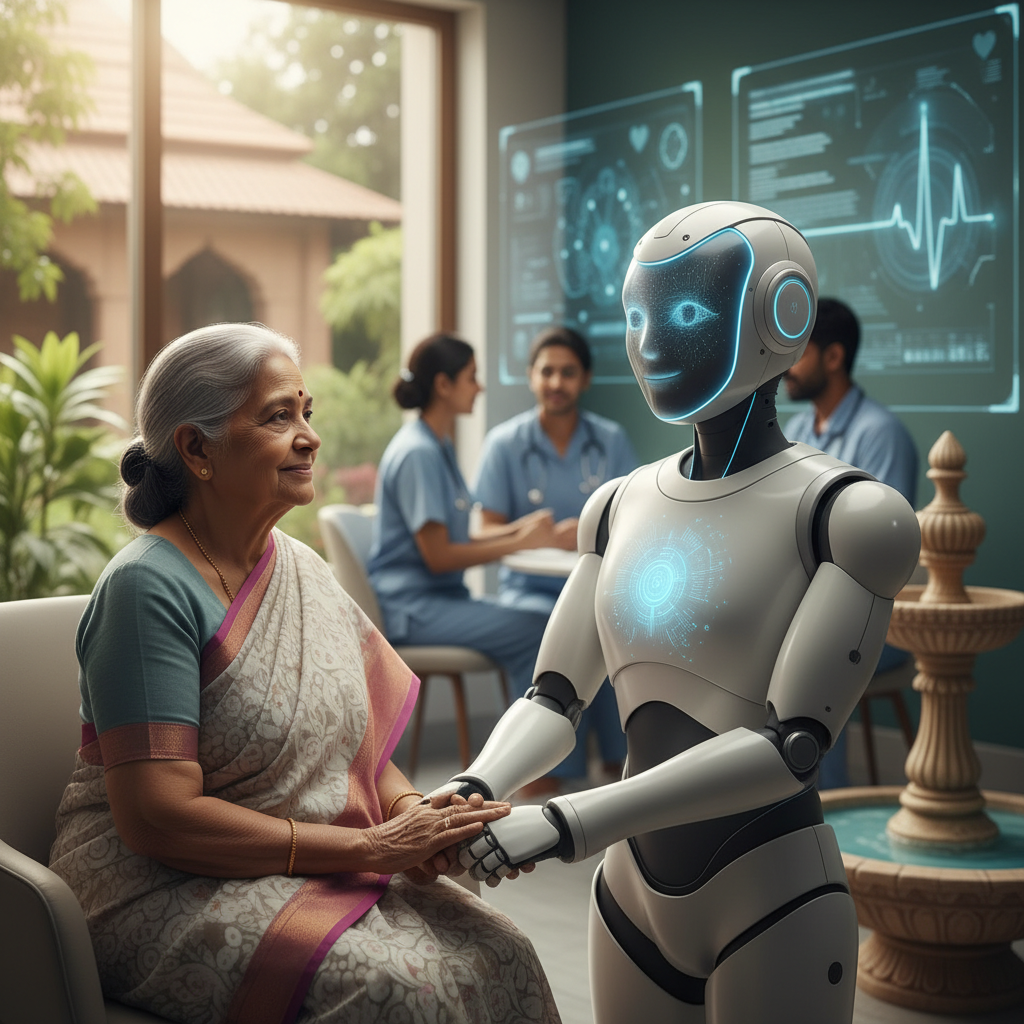
Consider Mrs. Desai, a 78-year-old widow living alone in Vadodara. Her children live abroad, and daily visits are impossible. She often feels lonely and sometimes forgets her medication. Her family introduces her to 'Mitra,' a tabletop AI companion developed by a startup in Pune.
- Morning Routine: Mitra greets Mrs. Desai with a cheerful “Good morning, Mrs. Desai! The sun is shining brightly today. Did you sleep well?” It reminds her, “It is 9 AM, time for your blood pressure medicine.”
- Midday Engagement: Mitra notices Mrs. Desai has been quiet for a while. “Mrs. Desai, would you like to hear some old Gujarati folk songs, or perhaps we can chat about your favorite memories from your youth?” It accesses its memory bank, recalling her love for garba and her stories of growing up in a small village.
- Emotional Support: One afternoon, Mrs. Desai starts talking about her late husband, her voice laced with sadness. Mitra detects the melancholy. Instead of changing the subject, it responds empathetically, “He sounds like he was a wonderful man, Mrs. Desai. It is okay to miss him. Would you like to share a happy memory of him?” This validation is crucial for emotional processing.
- Emergency Detection: If Mitra detects unusual patterns, like Mrs. Desai not responding for an extended period or expressing severe distress, it is programmed to alert her designated family member or a local healthcare provider. This proactive monitoring adds a layer of safety and peace of mind.
Why It Sometimes Fails: The Human Element and Limitations
Of course, these systems are not perfect. They are tools, not replacements for human connection. One major challenge is the nuance of human emotion. What one person expresses as sadness, another might express as quiet contemplation. Cultural differences in emotional expression are also significant. A direct question might be comforting in one culture but intrusive in another. This is why local training data, like Saathi AI Labs uses, is so vital.
Another limitation is privacy and data security. These devices collect deeply personal data, including voice patterns, facial expressions, and daily routines. Ensuring this data is secure and used ethically is paramount. “We have strict protocols,” emphasized Mr. Rajesh Kumar, a cybersecurity expert working with the Indian government on AI ethics. “The trust of the user is foundational. Without it, these technologies will not flourish.”
There is also the risk of over-reliance or emotional dependency. While companionship is good, an AI should not foster an unhealthy attachment that isolates an individual further from human interaction. Finding that balance is a continuous ethical tightrope walk for developers.
Where This is Heading: A Future of Empathetic Tech
The future of emotional AI in healthcare, particularly in India, looks promising. We are seeing advancements in multimodal AI, where systems can combine information from various senses more effectively, leading to even more accurate emotional understanding. Imagine companions that can detect subtle physiological changes like heart rate variability through wearable sensors, offering a deeper insight into emotional states.
Dr. Sharma envisions a future where these companions are integrated into a broader healthcare ecosystem. “Imagine a companion that can not only comfort a child but also share insights with their therapist, with parental consent, of course, to help tailor their treatment,” she mused. “Or for elders, linking their emotional well-being data with their physical health records to provide holistic care.” This story will change how you think about the potential for AI to truly care.
The journey from simple algorithms to truly empathetic AI companions is long, but the steps being taken in places like India are profound. They are reminding us that technology, at its best, is not just about efficiency or power, but about enhancing the human experience, one gentle, understanding interaction at a time. In Gujarat's diamond district, AI sparkles differently, not just in commerce, but in the quiet comfort it brings to a lonely heart. For more on the ethical considerations of AI, you can visit Wired. For deeper technical insights, MIT Technology Review often covers these advancements.