
The flickering neon lights of Shinjuku often paint a picture of endless possibilities, a vibrant tapestry of tradition and technology. Yet, beneath this dazzling surface, a quiet anxiety has been growing. It is the fear of not knowing what is real anymore, a fear amplified by the unsettling rise of AI deepfakes. This concern touches every aspect of our lives, from finance to personal relationships, threatening the very fabric of trust in our digital interactions. But in a quiet Tokyo lab, a small team is working tirelessly to mend this fraying fabric, led by a woman whose journey began with a deeply personal realization.
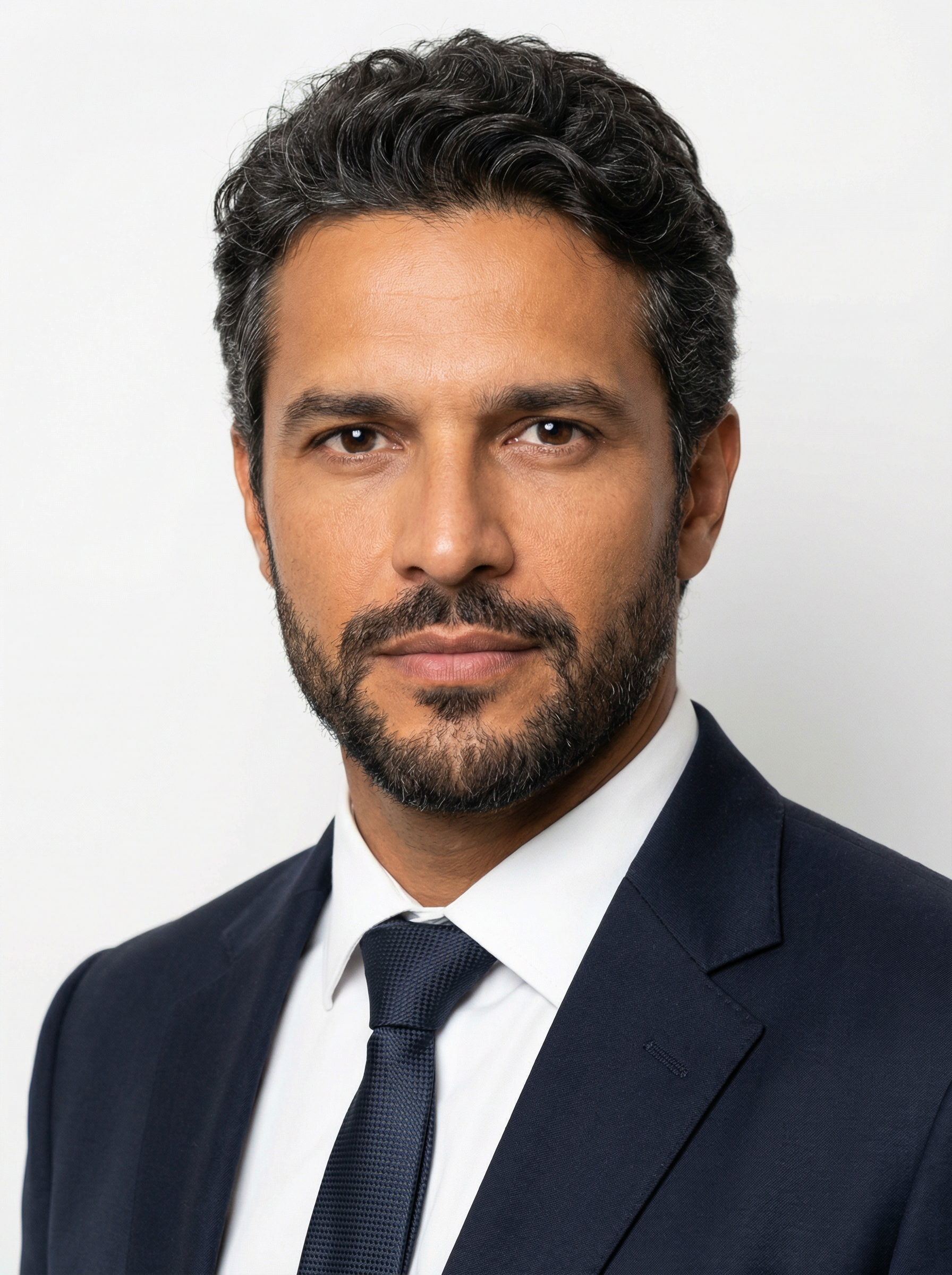
Meet Dr. Akari Sato, the visionary founder and CEO of 'Shinrai Labs.' Her name, Akari, means 'light' in Japanese, and it feels fitting, for she is indeed bringing light to one of the darkest corners of our digital age. Dr. Sato is not your typical tech CEO. With a background rooted in computational linguistics and a deep appreciation for Japanese cultural values of integrity and harmony, she carries a calm demeanor that belies the fierce determination within. Her 'aha moment' did not come from a boardroom discussion or a research paper, but from a family gathering. Her grandmother, a woman of profound wisdom, almost fell victim to a sophisticated voice deepfake scam, believing she was speaking to a long-lost relative asking for money. The distress in her grandmother's eyes, the betrayal she felt, resonated deeply with Akari. "It was then," she whispered something that changed my perspective, "that I understood the true human cost of digital deception. It wasn't just about data, it was about dignity, about the bonds that hold us together."
This personal experience ignited a fire in Akari. She saw a future where digital interactions, once meant to connect us, could become tools of profound manipulation. The problem Shinrai Labs is solving is monumental: how do we establish and verify digital identity in an age where AI can convincingly mimic voices, faces, and even behaviors? The current landscape is fraught with peril. Deepfakes are not just for entertainment or political disinformation anymore; they are increasingly used in financial fraud, identity theft, and corporate espionage. The global cost of cybercrime, much of it enabled by sophisticated social engineering and deepfake technology, is projected to reach over $10.5 trillion annually by 2025, according to some estimates. Japan, with its rapidly digitizing economy and aging population, is particularly vulnerable, as seen in the rising number of online scams targeting seniors.
Shinrai Labs' solution, named 'Kagami,' meaning 'mirror' in Japanese, is an innovative AI-powered digital identity verification platform. Kagami doesn't just look at a face or listen to a voice; it analyzes a complex tapestry of biometric, behavioral, and contextual data in real-time. Imagine a digital kimono, woven with threads of your unique mannerisms, speech patterns, subtle facial movements, and even the way you type or interact with your device. Kagami learns this unique 'kimono' of your digital self. When you attempt to authenticate, whether for a bank transaction or accessing sensitive data, Kagami compares the incoming data stream to your established digital identity profile. It looks for inconsistencies, minute tells that betray a synthetic origin. "We're moving beyond simple recognition," explains Kenji Tanaka, Shinrai Labs' Chief Technology Officer, a former researcher from the National Institute of Advanced Industrial Science and Technology. "We're building a system that understands the authenticity of a human presence, not just its appearance. It's about detecting the subtle 'tells' that even advanced generative AI struggles to replicate consistently across multiple modalities."
Their technology employs a multi-modal deep learning architecture, combining advanced neural networks for facial recognition, voice biometrics, and behavioral analytics. What sets Kagami apart is its continuous, passive verification. Instead of a one-time check, it can subtly monitor interactions, flagging suspicious changes in real-time. This is particularly crucial for preventing sophisticated, ongoing deepfake attacks. The system is designed with privacy at its core, using federated learning techniques to train its models without centralizing sensitive personal data. This approach resonates deeply with Japanese sensibilities regarding personal information and security.
The market opportunity for Shinrai Labs is vast and growing exponentially. The global digital identity solutions market was valued at approximately $28 billion in 2023 and is expected to exceed $70 billion by 2028, driven by increasing cyber threats and regulatory pressures. In Japan alone, the move towards a more digital society, accelerated by initiatives like My Number Card integration, creates an urgent need for robust identity verification. Financial institutions, e-commerce platforms, healthcare providers, and even government services are all potential clients. Shinrai Labs recently secured a Series A funding round of $15 million, led by prominent Japanese venture capital firm Sakura Ventures and supported by a strategic investment from a major regional bank, Mizuho Financial Group. This funding validates their approach and provides the capital needed to scale operations and expand their research and development efforts.
Of course, the competitive landscape is fierce. Giants like Microsoft and Google are investing heavily in identity solutions, and numerous startups are emerging in the biometric authentication space. However, Shinrai Labs believes its multi-modal, behavioral-centric approach, combined with its deep understanding of the unique challenges and cultural nuances of the Asian market, gives it a distinct edge. Companies like Pindrop and Sensity AI offer deepfake detection services, but Kagami's focus on proactive, continuous identity verification rather than just reactive detection positions it uniquely. "Many solutions are like trying to catch a thief after they've already entered your home," says Dr. Sato. "Kagami is designed to be the digital equivalent of a vigilant gatekeeper, discerning intent and authenticity at the threshold." The human side of the machine, as Akari often says, is about building systems that protect our very humanity.
What's next for Shinrai Labs? Their immediate plans include expanding pilot programs with several Japanese banks and developing integrations for online government services. They are also exploring partnerships in Southeast Asia, where digital transformation is rapidly accelerating, and the need for secure identity solutions is paramount. Dr. Sato envisions a future where Kagami becomes an invisible, trusted layer across all digital interactions, allowing people to engage online with the same confidence and peace of mind they experience in face-to-face encounters. She hopes to foster a digital ecosystem where trust is not merely assumed, but intelligently verified, allowing us to embrace the benefits of AI without succumbing to its potential for deception. As technology continues to reshape our world, Shinrai Labs reminds us that at its heart, innovation must always serve to protect and enhance the human experience. Their work is a quiet, yet profound, testament to that principle.
For more insights into the evolving landscape of AI and digital security, you can explore reports from MIT Technology Review or follow the latest developments in AI startups on TechCrunch. The fight against digital deception is a global one, and companies like Shinrai Labs are at the forefront, building the tools for a more trustworthy digital future. We are also tracking how other regions are approaching similar challenges, for example, the discussions around AI companions and digital relationships in Europe, as explored in articles like When Your AI Companion Asks for a Serbian Visa: Digital Relationships and Belgrade's New Reality [blocked]. The conversation is truly global.