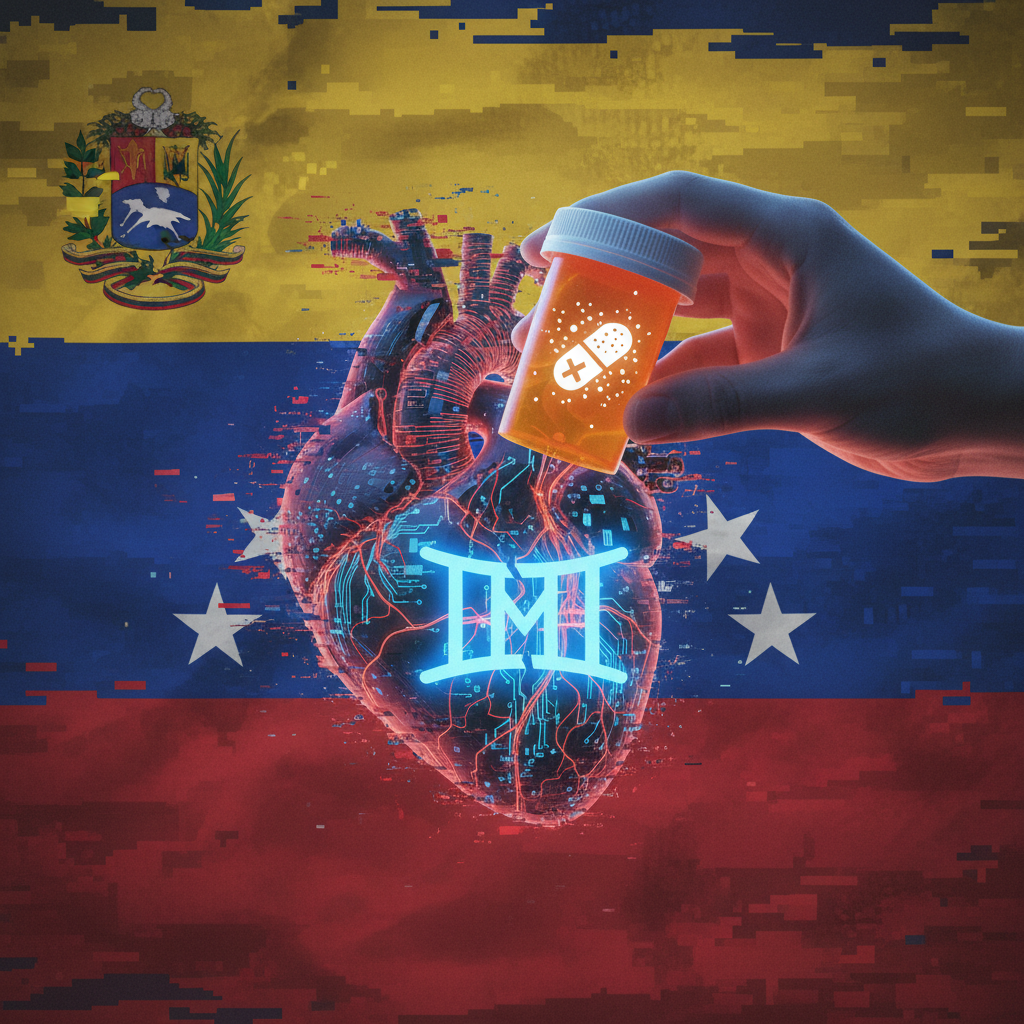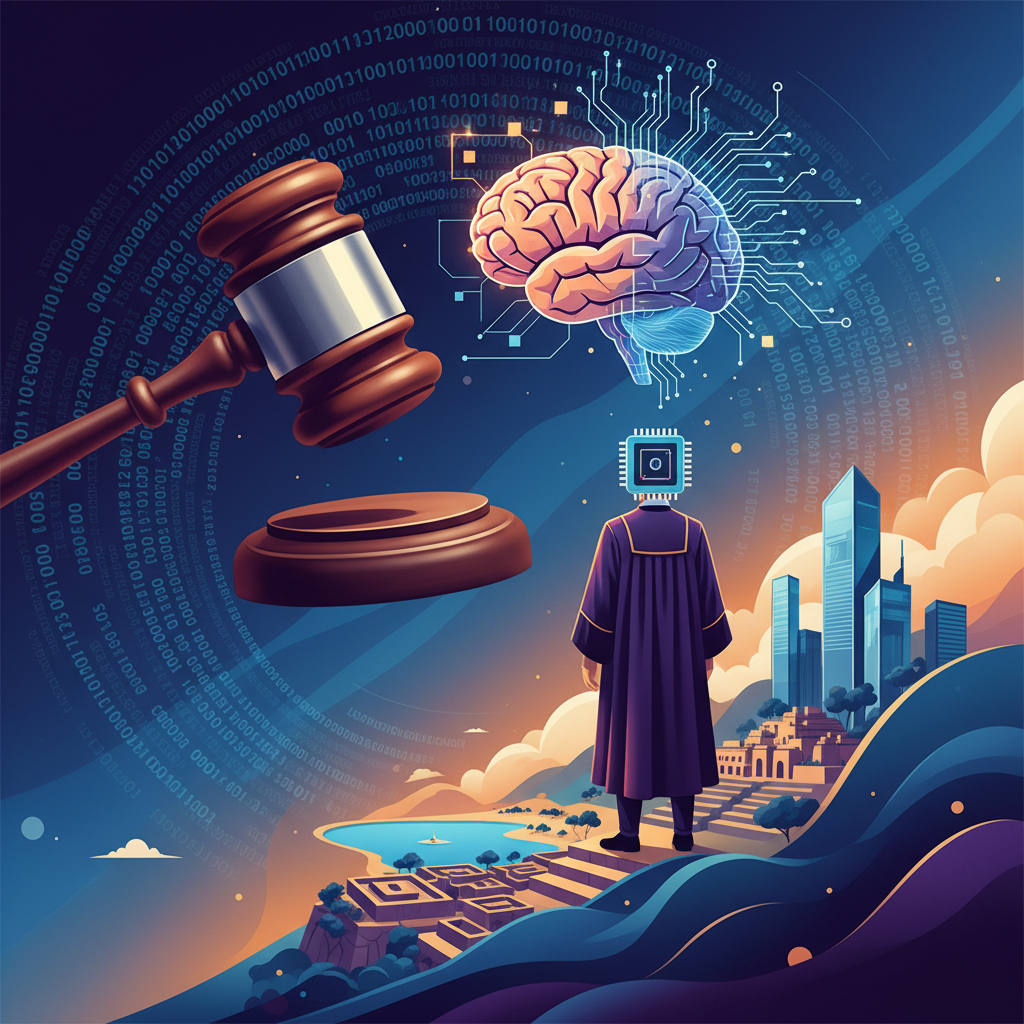
Let's be honest, the global conversation around AI and intellectual property has become a circular firing squad of lawyers and tech bros. Everyone is screaming about who owns what an AI creates, but nobody seems to be asking the right questions, especially not from where I sit in Caracas. They are debating in their air-conditioned offices, while out here, the crisis created something unexpected: a fresh perspective on ownership that Silicon Valley is too blind to see.
Take the case of the artist, the musician, the writer. They pour their soul into their work, then an algorithm scrapes it, learns from it, and spits out something 'new.' Suddenly, OpenAI, Google, or Meta claims ownership, or worse, the user who typed a few prompts. It's a gold rush, yes, but one built on the back of stolen labor, a digital form of extractivism that we in the Global South know all too well. The big players, like Sam Altman of OpenAI, talk about democratizing AI, but what does that mean when the very foundations of creativity are being undermined? It means democratizing the theft of intellectual property, if you ask me.
This isn't just a theoretical debate for us. Venezuela's tech diaspora is reshaping AI globally, and many of these brilliant minds started their journey by finding innovative ways to create and sustain themselves despite immense challenges. They understand the value of original work because they have lived through times when their very ideas were their only currency. When an AI generates a new design for a healthcare device, or a piece of software that streamlines medical diagnostics, who gets the credit? Who gets the patent? Who profits? These are not trivial questions, especially in a sector as critical as healthcare AI, where innovations can literally mean life or death.
The current legal frameworks are, to put it mildly, a mess. Most copyright laws were written for a pre-digital age, let alone a pre-AI one. The United States Copyright Office has repeatedly stated that human authorship is a prerequisite for copyright protection, denying registration to works created solely by AI. This stance, while seemingly protective of human creators, creates a vacuum. If an AI creates something valuable, and no human can claim copyright, does it become public domain? Or does the company that owns the AI model effectively control it through other means, like trade secrets or restrictive licenses?
Consider the recent legal battles. Artists and writers are suing companies like Stability AI, Midjourney, and OpenAI, alleging that their AI models were trained on copyrighted material without consent or compensation. Sarah Silverman and other authors filed lawsuits against OpenAI and Meta, claiming their books were ingested by large language models. This isn't just about a few disgruntled artists; it's a fundamental challenge to the economic model of creative industries. As Maria Pallante, President and CEO of the Association of American Publishers, stated in a recent interview, “The wholesale ingestion of copyrighted works without permission or payment is a direct threat to the creative ecosystem.” She is right, and the implications for smaller economies, where individual creators often struggle to protect their rights, are even more dire.
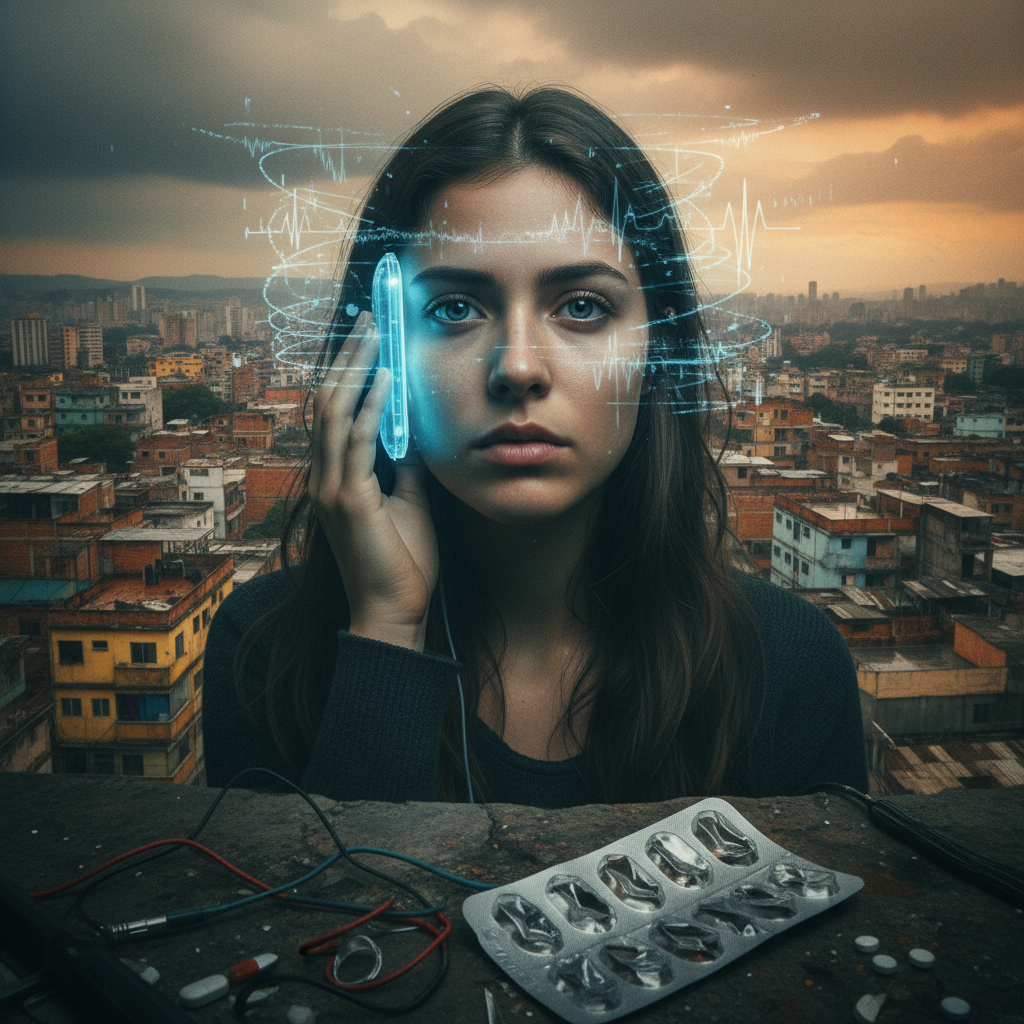
In Venezuela, where economic instability has driven many to seek livelihoods through digital means, the stakes are incredibly high. Imagine a young developer in Maracaibo, using open-source AI tools to create a novel diagnostic algorithm for neglected tropical diseases, something desperately needed here. If the underlying AI model was trained on data scraped from global research papers, and then that model's output is deemed uncopyrightable, where does that leave our developer? Does a foreign tech giant then swoop in and claim the commercial rights to a life-saving innovation simply because they own the AI tool? This is not a far-fetched scenario; it is a very real possibility.
This isn't just about big tech versus individual creators either. It is about national sovereignty over intellectual assets. Countries like Venezuela, with rich cultural heritage and a burgeoning tech scene, need clear, robust legal frameworks to protect their innovators. We cannot afford to let our future intellectual capital be absorbed into the digital commons of the global north without fair compensation or recognition. The current approach from many Western governments feels like a slow-motion surrender, prioritizing the rapid advancement of AI over the fundamental rights of creators.
Some companies are trying to navigate this minefield. Adobe, for example, has launched its Firefly generative AI models with a promise to compensate contributors whose work was used for training, and they offer indemnification to enterprise customers against copyright claims related to Firefly-generated content. This is a step in the right direction, a recognition that the well of creativity is not infinite and needs to be replenished, not just drained. But it is a small step in a very large ocean.
We need to push for a global consensus, one that acknowledges the human element in AI creation, even when the output is generated by a machine. This could involve new forms of licensing, micro-payments for data usage, or even a system where AI-generated works are co-owned by the AI developer and the original human creators whose data informed the model. The European Union is further along in this conversation with its AI Act, which includes provisions for transparency regarding copyrighted training data. This is a model worth watching, as it attempts to balance innovation with ethical considerations, something the US seems less inclined to do quickly.
Unpopular opinion from Caracas: the solution won't come from Silicon Valley's self-serving declarations. It will come from the collective pressure of creators, from governments willing to stand up for their citizens' intellectual rights, and from a recognition that true innovation builds on fair exchange, not exploitation. The future of AI, especially in critical sectors like healthcare, depends on it. If we don't fix this now, we risk creating a world where the most valuable creations are owned by algorithms and the corporations behind them, leaving human ingenuity in the dust. And that, my friends, would be a tragedy far greater than any copyright dispute.
For more on the evolving legal landscape of AI, check out reports from Reuters Technology and analysis from MIT Technology Review. The debate is far from over, and the stakes are only getting higher. We need to ensure that the voices from every corner of the world, especially those from places like Venezuela, are heard loud and clear in this crucial conversation. The future of human creativity, and the economic justice that underpins it, depends on it.