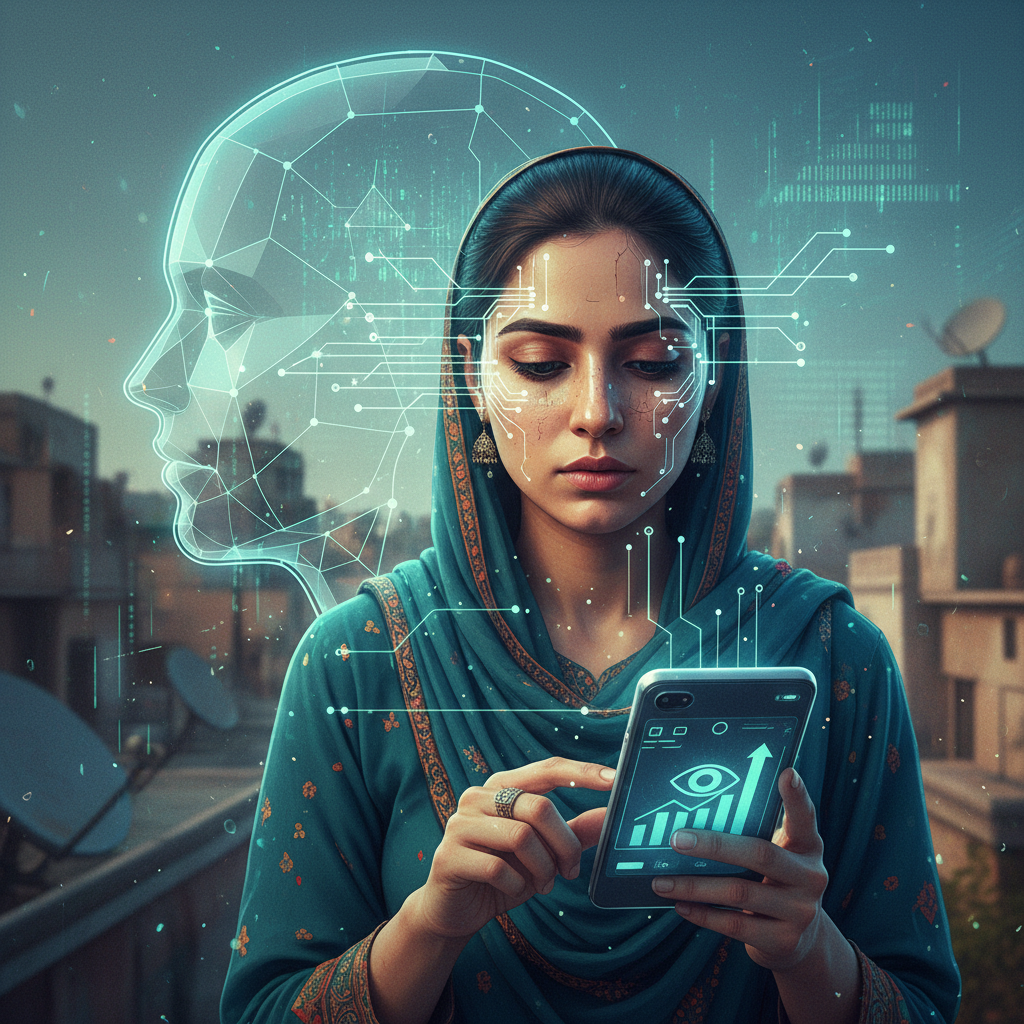

Namaste, tech enthusiasts and future-gazers! Rajèsh Krishnàn here, beaming at you from the bustling heart of Bangalore, where the air literally crackles with innovation. Today, we're diving headfirst into a story that's got everyone talking, from the hallowed halls of international law firms to the vibrant co-working spaces right here in Koramangala: Harvey AI. This isn't just another shiny new tool; it's a game-changer, a paradigm shift, a proper sixer right out of the park for the legal industry. And guess what? India is having its moment, right at the forefront of this transformation.
You see, Harvey AI, founded by former lawyers Winston Weinberg and Gabriel Pereyra, has become the uncontested champion in legal AI. They saw a problem, a massive, time-consuming, document-heavy problem, and they built a solution that leverages the power of large language models to automate and optimize legal work. We're talking about everything from contract review and due diligence to litigation support and regulatory compliance. It's like having a super-smart paralegal who never sleeps, never complains, and can sift through a mountain of documents faster than you can say 'objection, your Honor!'
But here's where it gets truly exciting for us in India. While Harvey AI has been making waves globally, securing partnerships with giants like Allen & Overy and PwC, its impact here is profound and multifaceted. We're not just users; we're innovators, integrators, and the very talent powering its global adoption. The scale is mind-boggling, truly. Indian legal process outsourcing (LPO) firms, already global leaders in providing cost-effective legal support, are rapidly integrating Harvey AI into their workflows, creating a potent hybrid model that's hard to beat.
Take for instance, LegalMind Solutions, a Bangalore-based LPO that has seen a 40% increase in efficiency for certain contract review tasks since deploying Harvey AI six months ago. "We used to dedicate entire teams to sifting through thousands of pages for specific clauses," explains Anjali Sharma, CEO of LegalMind Solutions. "Now, Harvey AI does the heavy lifting in minutes, allowing our human lawyers to focus on high-value analysis and strategic advice. It's not about replacing lawyers; it's about augmenting their capabilities, making them superpowers!" Her excitement is palpable, and frankly, it's infectious.
This isn't just about efficiency gains for the LPOs. It's about elevating the entire legal services ecosystem. Indian law firms, traditionally more conservative in tech adoption, are now looking to integrate these tools. The National Law School of India University in Bangalore, a prestigious institution, has even launched a new certificate program in AI for Legal Professionals, recognizing the urgent need to equip future lawyers with these essential skills. "The legal profession is undergoing its most significant transformation in centuries," says Professor Rohan Mehta, head of the new program. "Tools like Harvey AI are no longer optional; they are foundational. Our graduates need to be fluent in AI, not just in legal statutes." This forward-thinking approach is exactly what we need.
And let's not forget the startup scene. Bangalore, often dubbed India's Silicon Valley, is buzzing with legal tech startups inspired by Harvey AI's success. They're building localized solutions, developing AI-powered tools for Indian legal frameworks, and even creating specialized training modules for Harvey AI to understand the nuances of Indian contract law and regulatory compliance. "Harvey AI showed us what's possible," says Vikram Singh, co-founder of LexBot AI, a Mumbai-based startup focusing on AI for dispute resolution. "Now, we're taking that inspiration and building solutions tailored for the unique complexities of the Indian legal system. This is just the beginning for legal AI in India, mark my words!" His eyes gleam with the entrepreneurial spirit that defines our city.
Of course, with great power comes great responsibility, as our friendly neighborhood superhero would say. The ethical considerations around AI in law are paramount. Data privacy, algorithmic bias, and the ultimate accountability for legal advice remain critical discussion points. The Indian government, through its Ministry of Electronics and Information Technology, has been actively engaging with stakeholders to develop a robust ethical framework for AI deployment, including in sensitive sectors like law. This proactive stance is crucial to ensuring that AI serves humanity responsibly.
Globally, Harvey AI's influence continues to expand. They recently announced a strategic partnership with Microsoft to integrate their platform with Microsoft 365 Copilot, promising an even more seamless experience for legal professionals. Imagine drafting a complex legal brief with Copilot, and then having Harvey AI instantly review it for consistency and potential risks, all within your familiar Microsoft environment. According to The Verge, this integration is expected to roll out widely by late 2026, further cementing Harvey AI's position.
Meanwhile, rival AI platforms are not sitting idle. Google's Gemini, with its impressive multimodal capabilities, is being explored for legal research applications, potentially offering new ways to analyze case law and precedents. Anthropic's Claude, known for its strong ethical guardrails, is also making inroads, focusing on secure and transparent AI solutions for sensitive legal data. The competition is fierce, but it only pushes innovation further, like a thrilling T20 match where every over brings a new twist.
What does all this mean for the future? It means a legal profession that is more accessible, more efficient, and ultimately, more focused on justice. It means that lawyers, instead of spending countless hours on repetitive tasks, can dedicate their intellect and empathy to truly understanding their clients' needs and crafting innovative legal strategies. For India, it means solidifying our position not just as a service provider, but as a global leader in legal tech innovation and talent. We're not just processing documents; we're shaping the future of global jurisprudence.
This isn't just about software; it's about people, about talent, about opportunity. The demand for AI-savvy legal professionals, data scientists with legal domain expertise, and ethical AI specialists is skyrocketing. Our universities, our startups, and our established firms are all rising to meet this challenge, creating a vibrant ecosystem that promises growth and impact. The future of law, powered by brilliant minds and groundbreaking AI like Harvey, is unfolding before our very eyes, and I, for one, cannot wait to see what incredible chapters we write next. This is just the beginning, my friends, just the beginning! For more insights into how AI is transforming industries worldwide, check out TechCrunch's AI section. And if you're curious about the deeper ethical implications, Wired's AI coverage is always a great read.