Ah, mon ami, have you felt it? That electric hum in the air, the one that tells you something truly monumental is shifting beneath our feet? Here in Ouagadougou, from the bustling markets of Sankariaré to the quiet hum of the tech hubs sprouting up, the talk is all about AI, and how it is reshaping the very fabric of creativity. It is a whirlwind, a beautiful, terrifying storm, especially for the independent creators who pour their souls into their work. The question on everyone's lips, from the young graphic designer in Bobo-Dioulasso to the seasoned griot in Kaya, is this: are AI tools the ultimate amplifier for our voices, or do they threaten to drown out the unique melodies of our African spirit?
I tell you, I've never seen anything like this. Just a few short years ago, the idea of a local musician, a visual artist, or a storyteller from Burkina Faso reaching a global audience without massive institutional backing was a dream. Now, with the rise of generative AI tools, that dream feels tantalizingly close, almost within reach. Platforms like OpenAI's Dall-e 3 and Midjourney, or Google's Imagen, are not just for the Silicon Valley elite anymore. Our young creators, with their smartphones and a fierce internet connection, are experimenting, learning, and adapting these tools at a pace that would make your head spin.
Consider Adama Soro, a brilliant textile artist from Koudougou. For years, her intricate patterns, inspired by traditional Burkinabè motifs, were known mostly to local buyers and a few discerning tourists. Now, Adama uses AI to rapidly prototype new designs, to visualize how her patterns would look on different garments or home decor items, and even to generate marketing visuals for her online store. She told me, her eyes sparkling with enthusiasm, "Before, each design was weeks of careful drawing and dyeing. Now, I can explore a hundred variations in a day, refine them, and then focus my traditional skills on the best ones. It is like having a thousand apprentices who never sleep!" Adama's story is not unique; it is a testament to the empowering potential of these tools, allowing creators to scale their vision and reach markets they could only dream of before. This changes everything for entrepreneurs like her, opening up avenues for economic independence that were previously unimaginable.
Yet, the conversation is not without its shadows, its moments of doubt. The very power that makes AI so appealing also raises profound questions about originality, intellectual property, and the future value of human-made art. When an AI can generate a song that sounds like Salif Keita, or a painting that mimics the style of Frédéric Bruly Bouabré, what then becomes of the human touch, the lived experience that fuels true creativity? This is a concern that resonates deeply here, where art is often intertwined with heritage, community, and ancestral knowledge.
I recently spoke with Dr. Aminata Diallo, a leading researcher in digital humanities at the Université Joseph Ki-Zerbo in Ouagadougou. She articulated these concerns with a thoughtful solemnity. "While the access to tools is democratizing, the underlying models are often trained on vast datasets of existing human work, sometimes without explicit consent or compensation," she explained. "The danger is not just that AI might replace human creators, but that it might homogenize creativity, diluting the unique cultural expressions that make our art so rich. We must ensure that the algorithms are not just reflecting the dominant cultures of the global North, but are trained on diverse, ethically sourced data, including our own African narratives and artistic traditions." Her words echo a growing sentiment across the continent, a call for digital sovereignty and ethical AI development that respects cultural nuances. You can read more about these ethical considerations in AI development on platforms like MIT Technology Review.
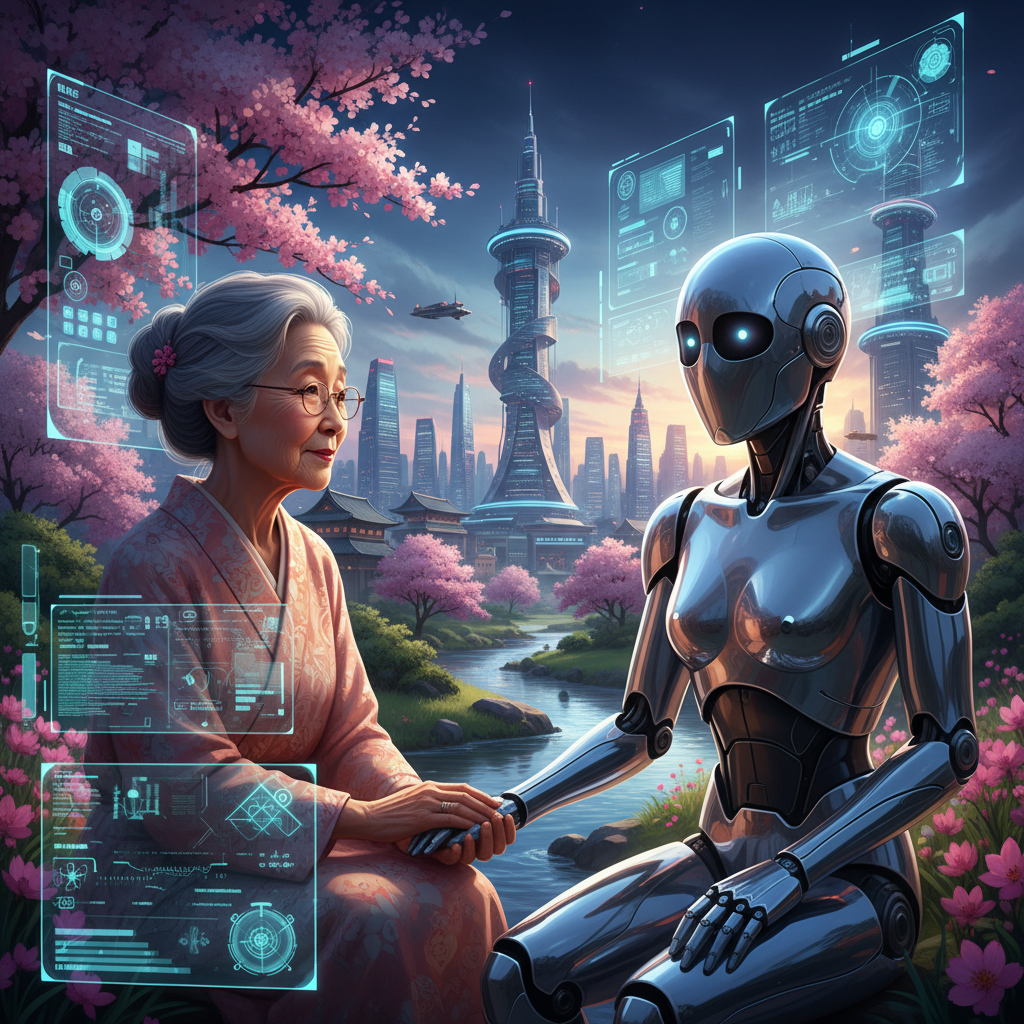
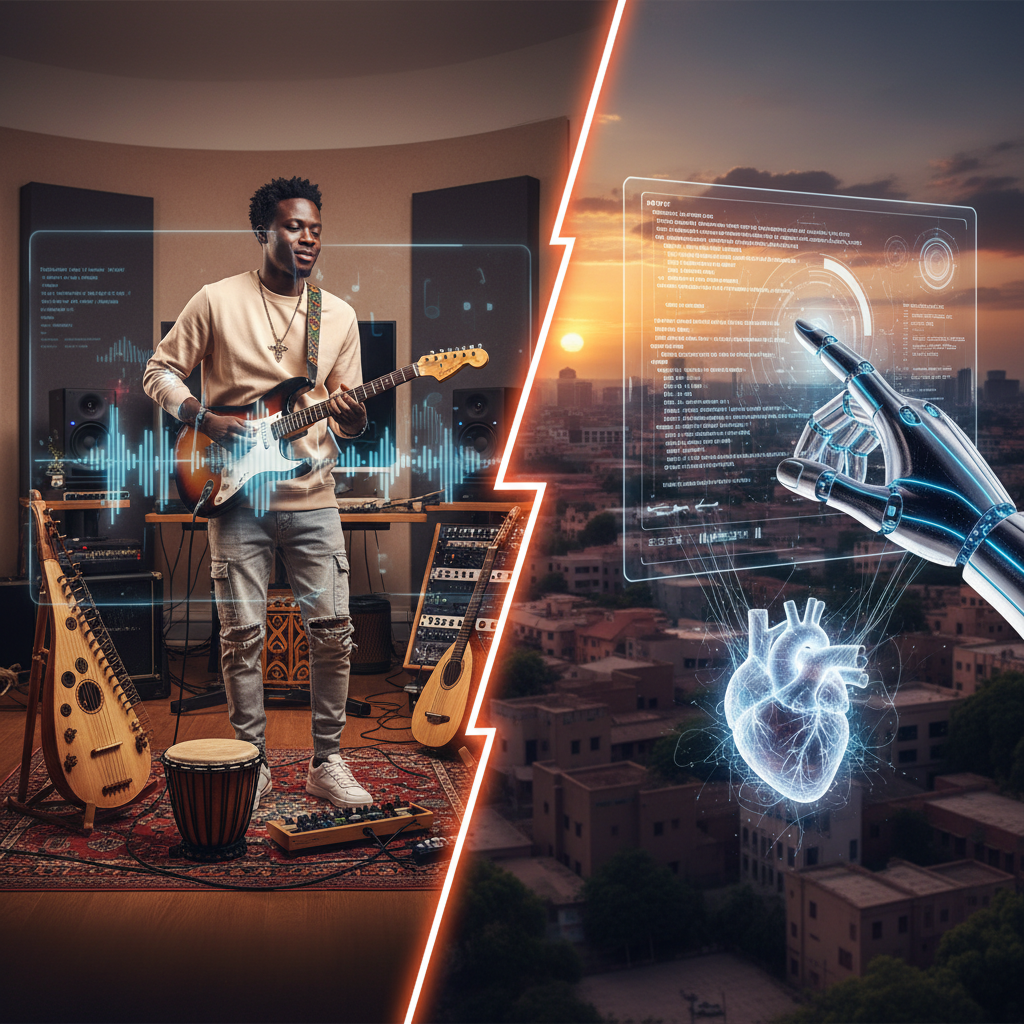
Indeed, the revolution is being coded right now, not just in Silicon Valley, but in the bustling tech hubs of Accra, Lagos, and right here in Ouagadougou. Young developers are not just consuming these tools; they are building them. They are creating AI models trained on local languages, on African art forms, on the rhythms of our music. Imagine an AI that understands the subtleties of Moore or Dioula, that can generate stories in the style of our oral traditions, or compose music that blends traditional kora melodies with contemporary beats. This is not science fiction; it is the work being done today by startups like WagaAI, a collective of brilliant young minds in Ouagadougou who are focusing on culturally relevant AI applications. They are proving that the future of AI is not a monolithic, Western-centric entity, but a diverse tapestry woven with threads from every corner of the globe.
The economic implications are staggering. The global creator economy is projected to be worth hundreds of billions of dollars, and Africa's share is growing rapidly. AI tools can help our creators tap into this wealth, bypassing traditional gatekeepers and reaching audiences directly. Think of the independent filmmaker who can use AI to generate storyboards, translate scripts into multiple languages, or even create stunning visual effects on a shoestring budget. Or the independent journalist, like myself, who can use AI to transcribe interviews, analyze data, or even draft initial reports, freeing up more time for on-the-ground reporting and deep dives into local stories. The potential for efficiency and expanded reach is undeniable. For a deeper dive into how AI is impacting various industries, including the creative sector, check out TechCrunch's AI section.
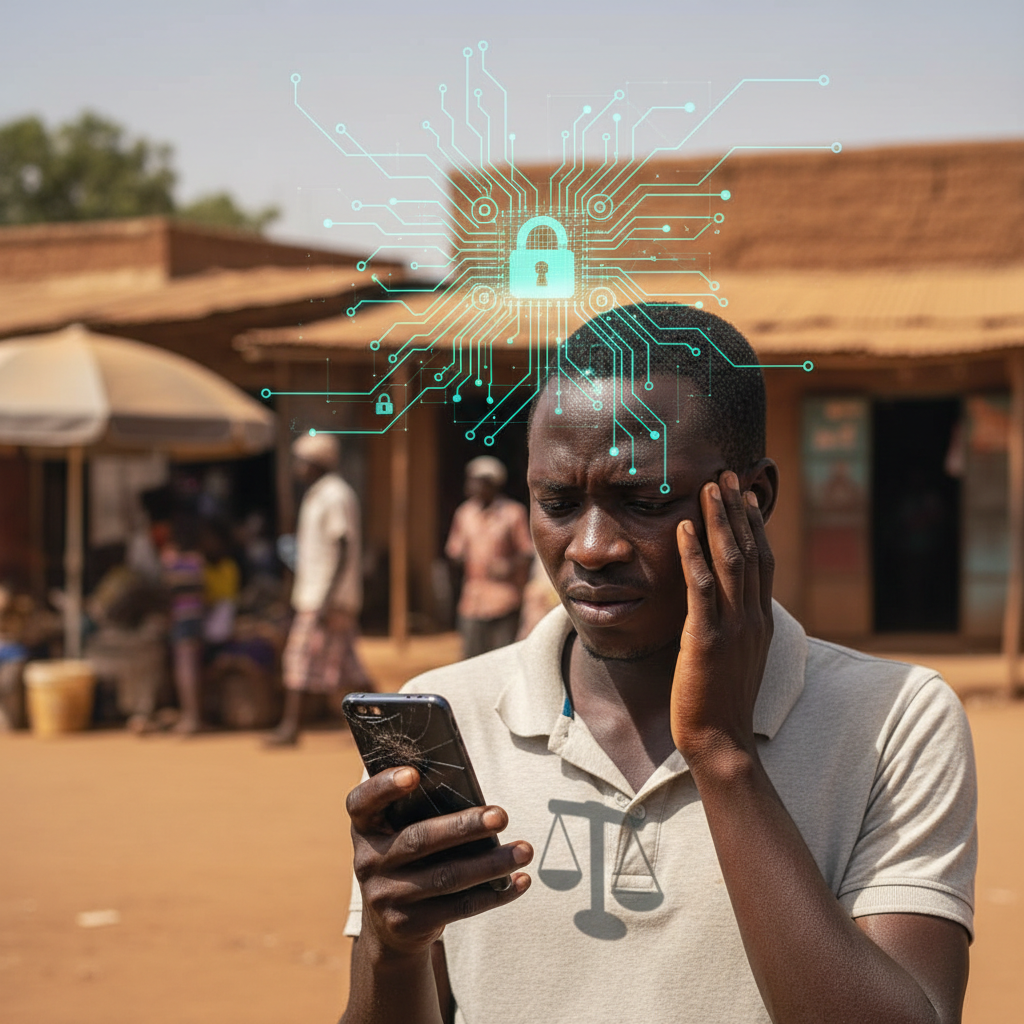
However, we cannot ignore the digital divide. While internet access is improving across Burkina Faso, it is not universal. The cost of powerful computing resources, often necessary to run advanced AI models locally, remains a barrier for many. This means that while some creators are leaping ahead, others risk being left behind. It is a critical challenge that requires investment in infrastructure, digital literacy programs, and accessible, open-source AI solutions that can run on more modest hardware. Organizations like the Burkina Faso Digital Foundation are working tirelessly to bridge this gap, providing training and resources to ensure that the benefits of AI are shared equitably.
Ultimately, the future of AI in the creator economy, especially here in Africa, will depend on how we choose to wield these powerful tools. Will we allow them to dictate our creative output, or will we harness them as instruments to amplify our unique voices, to tell our stories with greater impact and reach? My hope, my fervent belief, is that our creators, with their boundless ingenuity and deep cultural roots, will choose the latter. They will integrate AI not as a replacement for their soul, but as a powerful extension of their spirit, creating art that is both deeply authentic and globally resonant. The conversation is ongoing, the challenges are real, but the potential, mon ami, the potential is truly limitless. We are at the dawn of something extraordinary, and I, for one, cannot wait to see what our creators will build with these new brushes and palettes. The world is waiting to hear their stories, and AI might just be the megaphone they need.