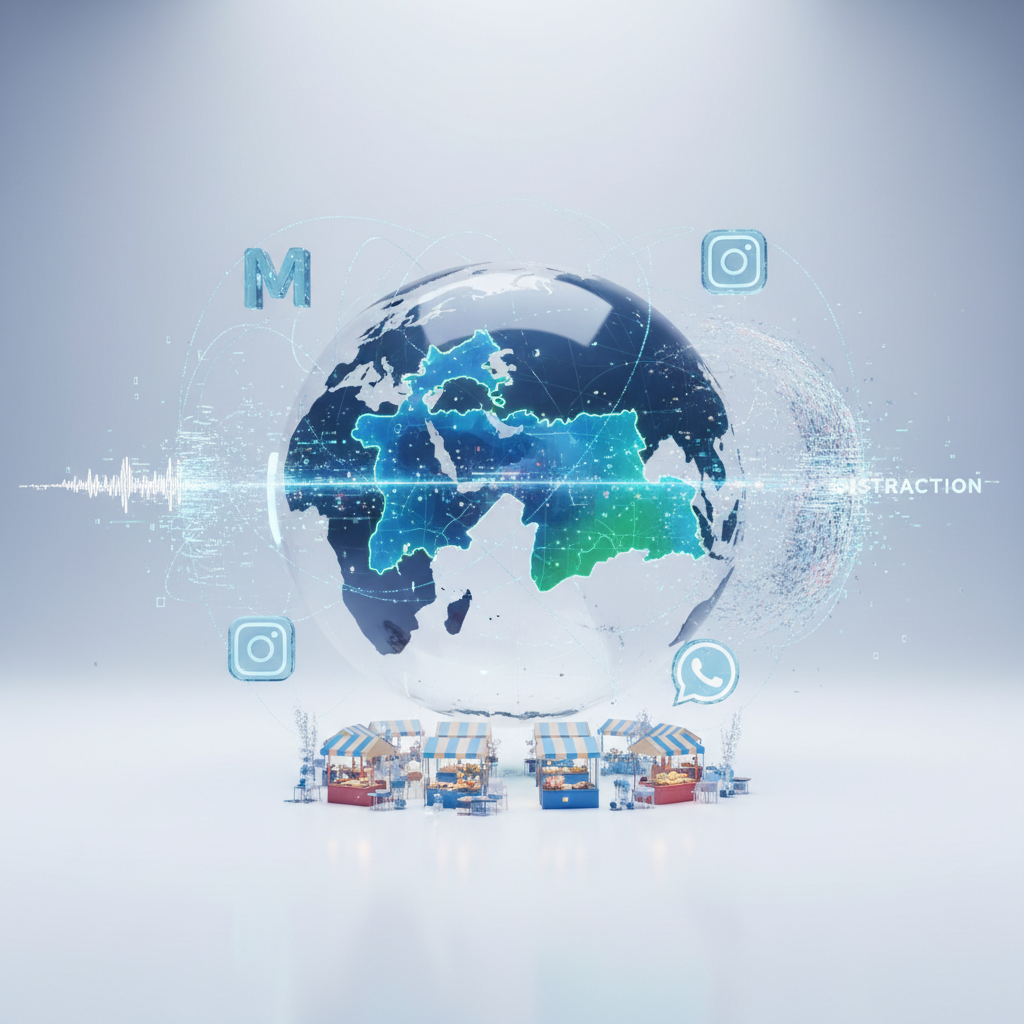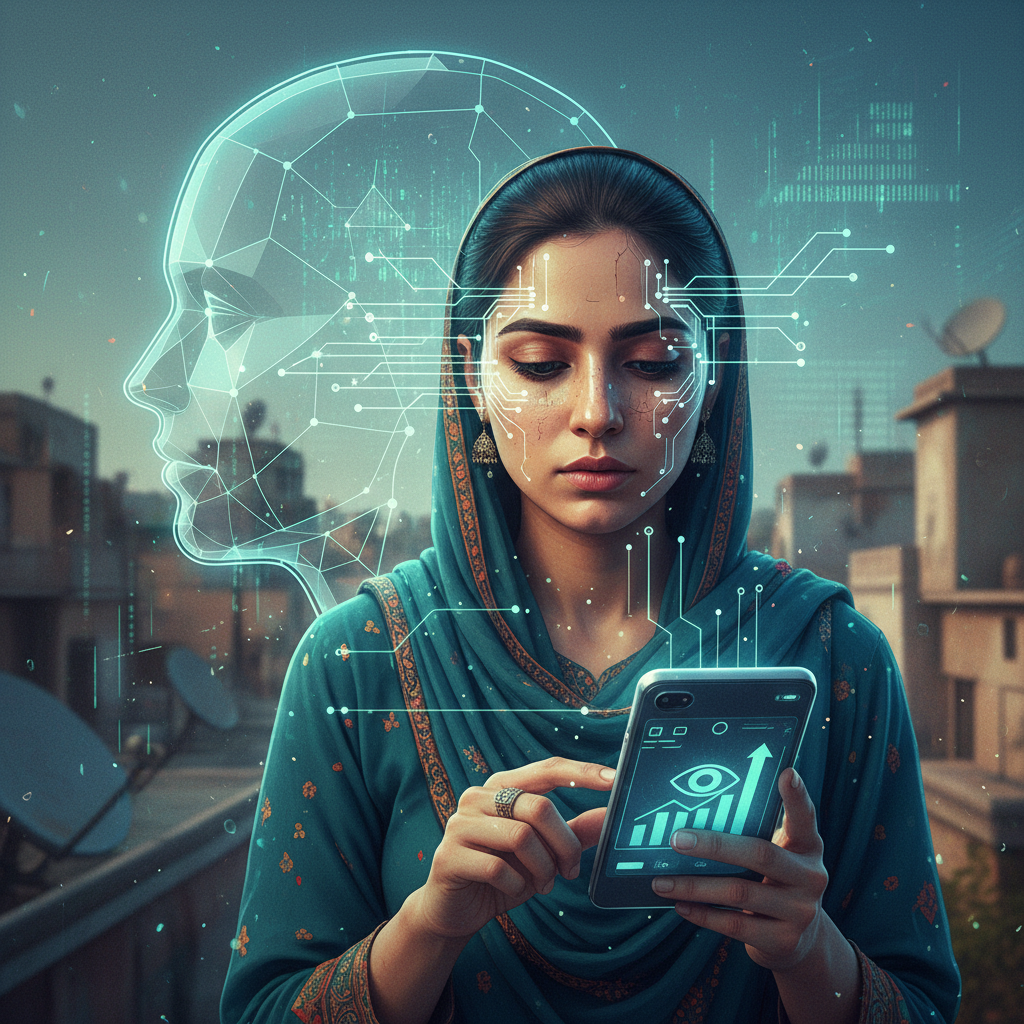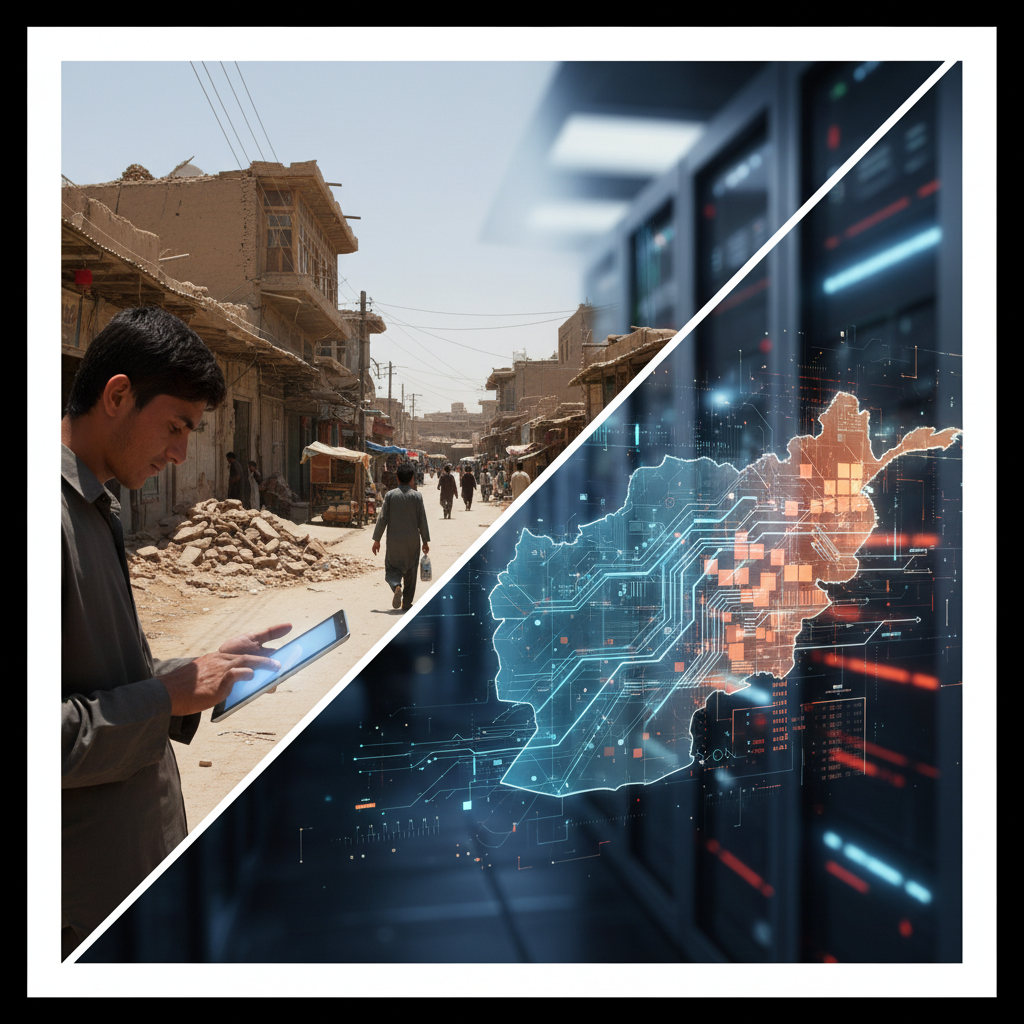
In the bustling, resilient heart of Kabul, where ancient traditions meet the nascent stirrings of a digital future, conversations about artificial intelligence often feel distant, abstract. Yet, the decisions made by technology behemoths thousands of miles away, in the gleaming campuses of California, directly impact the lives of ordinary Afghans. Specifically, the divergent philosophies of OpenAI and Anthropic regarding AI development are not academic curiosities for us; they are pathways that could either empower or further marginalize a society already grappling with immense challenges.
OpenAI, with its bold vision of Artificial General Intelligence and its rapid deployment of powerful models like GPT, has captured global imagination. Its approach, often characterized by a 'move fast and break things' ethos, albeit with increasing safety considerations, prioritizes widespread access and iterative improvement through real-world interaction. Sam Altman, OpenAI's CEO, has frequently spoken about the democratizing potential of AI, aiming to make advanced capabilities available to all. This can be a double-edged sword for regions like Afghanistan. On one hand, the sheer power and accessibility of tools like ChatGPT can offer unprecedented educational resources, translation services, and even entrepreneurial opportunities in areas starved of traditional infrastructure. Imagine a young student in Kandahar, without access to a library, suddenly able to query an AI for knowledge on any subject. This is about dignity, about unlocking potential that has long been suppressed.
However, this rapid deployment also raises profound questions about cultural relevance, bias, and control. When an AI model is trained predominantly on data reflecting Western perspectives, what narratives does it perpetuate? What local languages, dialects, and cultural nuances does it fail to understand, or worse, misrepresent? The Pashto and Dari languages, rich with history and complex idioms, are often poorly served by models not specifically trained on diverse, high-quality datasets from our region. For us, the concern is not just about technological advancement, but about preserving our identity in a digitally dominant world. As Dr. Ahmad Shuja Jamal, a prominent Afghan scholar and former government official, once articulated, "Technology should serve the most vulnerable, not inadvertently erase their heritage or exacerbate their vulnerabilities." His words resonate deeply here.
Anthropic, founded by former OpenAI researchers Dario Amodei and Daniela Amodei, offers a contrasting vision. Their core principle, 'Constitutional AI,' emphasizes safety, alignment, and interpretability from the ground up. Their Claude models are designed with a set of guiding principles, a 'constitution,' to ensure helpfulness, harmlessness, and honesty. This approach, while potentially slower in its public rollout, prioritizes careful, ethical development. For a nation like Afghanistan, where trust in institutions is fragile and the potential for misuse of powerful technology is high, Anthropic's cautious stance holds a particular appeal. The idea of an AI explicitly designed to avoid harmful outputs, to be transparent in its reasoning, and to adhere to a predefined ethical framework is compelling. It suggests a future where AI might be a more reliable partner in reconstruction and development, rather than another unpredictable force.
Consider the application of AI in humanitarian aid or conflict resolution. An AI designed with a robust ethical constitution could, theoretically, be invaluable in analyzing complex data, identifying patterns of need, or even assisting in peace-building efforts, all while minimizing the risk of biased recommendations or unintended consequences. This is not a utopian dream; it is a practical necessity. The United Nations Assistance Mission in Afghanistan (unama) has often highlighted the need for data-driven approaches in their work, and a constitutionally aligned AI could be a powerful, trustworthy tool in such endeavors. However, the slower pace of development and potentially higher computational demands of such models could also mean that access to these 'safer' AIs might be limited, creating a new form of digital divide.
The financial muscle behind these companies also plays a critical role. OpenAI, with significant investment from Microsoft, has the resources to scale its models globally and integrate them into widely used software. Anthropic, while also well-funded by investors like Google and Amazon, has maintained a more focused, research-intensive trajectory. This difference in scale and market integration dictates how quickly and widely their technologies can penetrate underserved markets. For a country like Afghanistan, where digital infrastructure is still developing, the ease of integration and cost of access are paramount considerations. We cannot afford technologies that are prohibitively expensive or require advanced technical infrastructure that is simply unavailable.
Behind every algorithm is a human story, and in Afghanistan, these stories are often ones of resilience, struggle, and an enduring hope for a better future. The debate between OpenAI's rapid, broad deployment and Anthropic's safety-first, constitutionally guided approach is not just about technical specifications; it is about the kind of future we are building, and who gets to participate in shaping it. Will AI be a tool that amplifies existing inequalities, or one that helps to bridge them? Will it be a voice that speaks only in dominant global languages, or one that learns to understand the rich tapestry of human expression, including the quiet whispers from the mountains of Afghanistan?
The international community and tech companies bear a moral responsibility to ensure that AI development considers the unique needs and vulnerabilities of nations like ours. This means investing in local data collection, fostering local AI talent, and collaborating with local experts to build models that are culturally sensitive and contextually appropriate. It means moving beyond a one-size-fits-all approach and recognizing that the impact of these technologies is deeply personal and profoundly societal. As the global AI landscape continues to evolve at an astonishing pace, with new models and breakthroughs announced almost weekly, the imperative to ensure equitable access and ethical deployment grows ever more urgent. The choices made today by OpenAI, Anthropic, and other AI leaders will determine whether the promise of AI becomes a reality for all, or remains a privilege for the few. For more insights into the broader AI industry, one might consult TechCrunch's AI section or MIT Technology Review. The future of AI is not just a technological challenge; it is a human one, and our collective humanity demands that we choose wisely. The stakes, for Afghanistan and for the world, could not be higher.