The vibrant threads of Afghanistan's textile traditions, woven through centuries of history, tell stories of resilience, artistry, and identity. From the intricate patterns of Herati carpets to the delicate embroidery of Kandahari dresses, each stitch carries the weight of generations. Yet, as the global fashion industry hurtles into an AI-driven future, our artisans, particularly women, often remain on the periphery, their voices muted in the clamor for innovation. This is not merely a technological gap, it is a profound question of equity and access.
Around the world, companies like Google, Microsoft, and Meta are investing heavily in AI applications for fashion. We see virtual try-on experiences that allow shoppers to visualize garments on their digital avatars, AI algorithms predicting the next big trend with uncanny accuracy, and sophisticated systems optimizing supply chains for greater sustainability. Major players such as Stitch Fix, powered by advanced machine learning, have revolutionized personalized shopping, while startups like LVMH's Nona Digital are exploring how AI can enhance luxury fashion from design to distribution. The conversation often centers on Western markets and their consumer habits, overlooking regions where such technology could bring transformative change, not just profit.
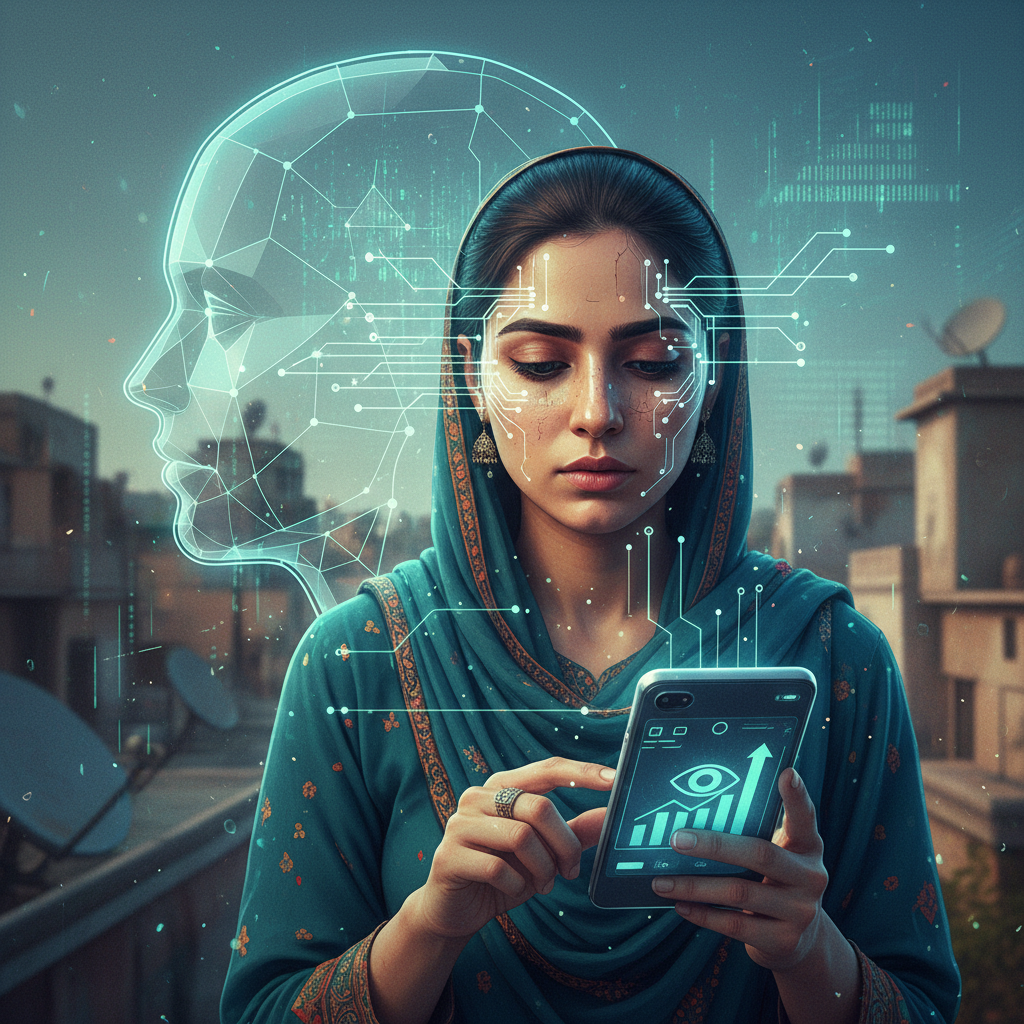
Consider the potential for Afghanistan. Our country, with its deep-rooted craft traditions, faces immense challenges. Economic instability, limited infrastructure, and restricted access to global markets mean that even the most exquisite creations struggle to find their rightful place. Imagine if AI could bridge this divide. What if a woman in a remote village, skilled in the ancient art of guldozi, could use an AI-powered platform to predict demand for specific patterns, connect directly with international buyers, or even virtually showcase her designs to a global audience? This is about dignity, about empowering those who have been historically marginalized.
"The fashion industry's embrace of AI is commendable for its efficiency and predictive power, but we must ask: who benefits most from these advancements?" queries Dr. Aisha Zadran, a Kabul-based economist specializing in women's entrepreneurship. "If AI remains confined to the boardrooms of New York and Paris, it perpetuates existing inequalities. We need solutions that are localized, culturally sensitive, and designed for genuine empowerment, not just market expansion." Her words resonate deeply, highlighting the critical need for inclusive innovation.
Indeed, the concept of sustainable design, often touted as a key benefit of AI in fashion, takes on a different meaning in our context. For us, sustainability is not a new buzzword, it is a way of life, born from necessity and tradition. Our artisans naturally employ sustainable practices, using local materials and minimizing waste. AI could amplify these inherent strengths, perhaps by optimizing natural dye processes, tracking the provenance of materials to ensure ethical sourcing, or even creating digital archives of traditional patterns to prevent cultural appropriation and ensure fair compensation. Microsoft's commitment to ethical AI, as articulated by Satya Nadella, should extend to these often-forgotten corners of the world, ensuring that their tools are not just powerful but also equitable.
One of the most compelling applications of AI for our region lies in trend prediction. Afghan fashion is not static, it evolves, albeit often subtly, influenced by regional aesthetics and contemporary events. An AI system trained on local design data, historical patterns, and even social media trends from within the region could offer invaluable insights to artisans. This could help them produce items that appeal to both local and international markets, reducing unsold inventory and maximizing their meager resources. "Behind every algorithm is a human story, and in Afghanistan, those stories are rich with heritage and resilience," states Professor Hamidullah Khan, head of the computer science department at Kabul University. "We have the talent, we have the tradition, we need the tools to connect them to the future."
The challenge, of course, is immense. Infrastructure limitations, including unreliable electricity and internet access, pose significant hurdles. Furthermore, digital literacy is not universal, especially among women in rural areas. Any AI solution must be designed with these realities in mind, perhaps leveraging offline capabilities, voice interfaces, or community-based training programs. Companies like Google and OpenAI, with their vast resources and expertise in natural language processing, could develop interfaces that are intuitive and accessible to non-technical users, overcoming language barriers and literacy gaps.
The idea of virtual try-on, while seemingly futuristic for Afghanistan, holds practical promise. For artisans, it could mean showcasing their designs without the need for expensive physical samples or travel, allowing potential buyers to visualize garments on diverse body types. For consumers, it could offer a private and convenient way to explore traditional attire, particularly important in a conservative society where public displays of fashion might be restricted. Imagine a digital platform, perhaps supported by Meta's advancements in virtual reality, where Afghan designers can present their collections to the world, breaking down geographical and cultural barriers.
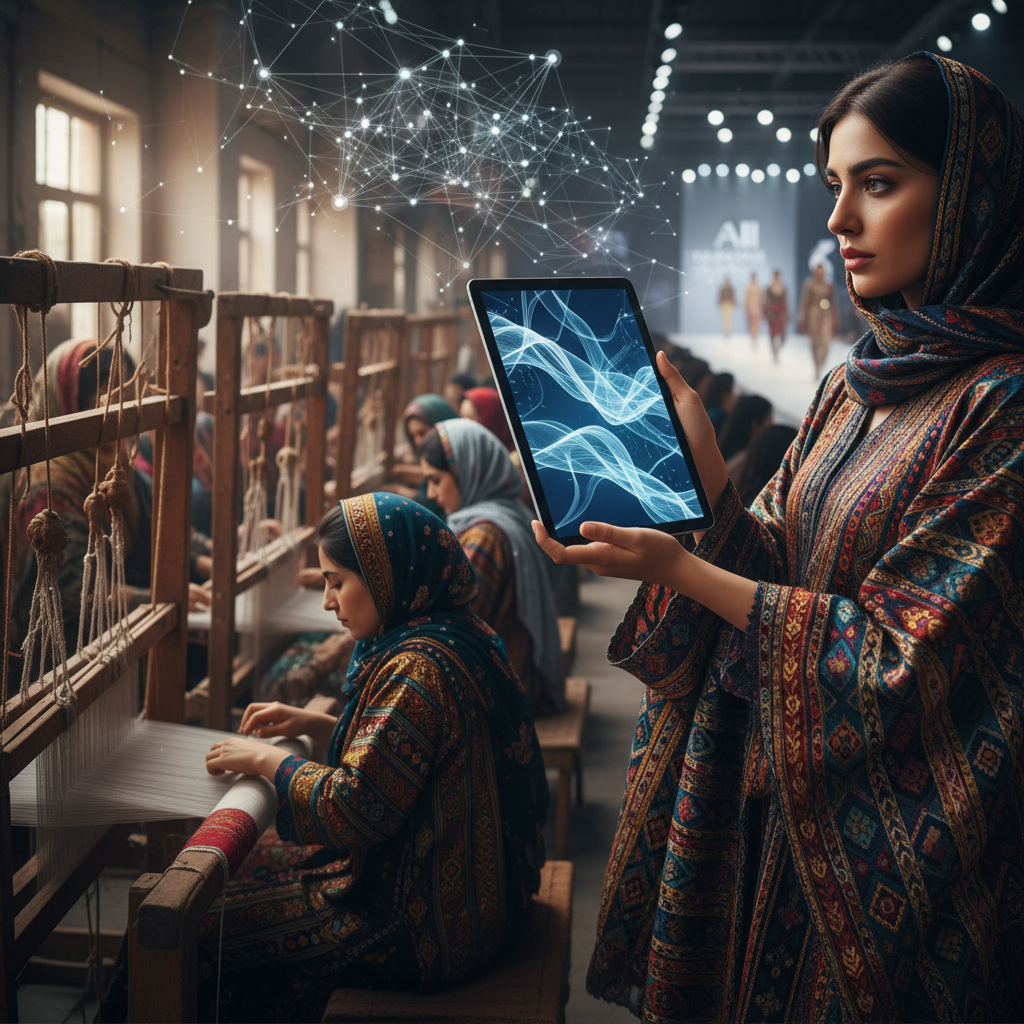
Consider the plight of Afghan women, many of whom are skilled artisans but face severe restrictions on mobility and economic participation. AI tools, if developed thoughtfully, could offer a lifeline. They could facilitate remote work, provide access to education and training in design and marketing, and create independent income streams. This is not just about economic development, it is about empowering women to reclaim their agency and contribute to their families and communities. Technology should serve the most vulnerable, and in Afghanistan, this means prioritizing solutions that uplift women.
There are nascent efforts. A small initiative in Bamyan, supported by a local NGO, is exploring how basic digital tools can help women weavers catalog their designs and connect with buyers in Kabul. While not yet full-fledged AI, it demonstrates the hunger for technological solutions. "We are seeing a slow but steady adoption of smartphones, even in remote areas," notes Ms. Zarmina Safi, a project manager for the NGO. "If we can develop simple, user-friendly AI applications that run on these devices, the potential for impact is enormous." This grassroots momentum needs the support of global tech giants.
The global fashion industry, with its multi-trillion-dollar valuation, has a moral imperative to ensure that its technological advancements do not leave behind those who contribute to its rich tapestry of design and craftsmanship. Silicon Valley's leaders, including Mr. Pichai of Google and Mr. Cook of Apple, often speak of a connected world. Let that connection extend to the bazaars of Mazar-e-Sharif and the workshops of Herat. True innovation lies not just in creating advanced algorithms, but in ensuring those algorithms serve humanity in its entirety, especially its most vulnerable segments. The question remains: will the architects of AI choose to weave a future that includes everyone, or will they allow the digital divide to widen further, leaving rich traditions to fade into obscurity? The answer will define the true legacy of AI in fashion. For more insights into how technology is shaping global industries, you can visit TechCrunch or MIT Technology Review. The path to equitable AI is long, but it is a journey we must embark upon with conviction.