
The air in Yangon can be thick with unspoken feelings, a quiet hum of resilience and longing. We understand, perhaps more than most, the profound human need for connection, for a voice that listens, for a presence that understands. This is not about luxury here, it is about survival, about finding solace in the unexpected. This understanding is what drew me to the story of Noam Shazeer, a name many might not recognize immediately, but whose work, Character.AI, touches millions globally, often in ways he might not fully grasp from his Silicon Valley vantage point.
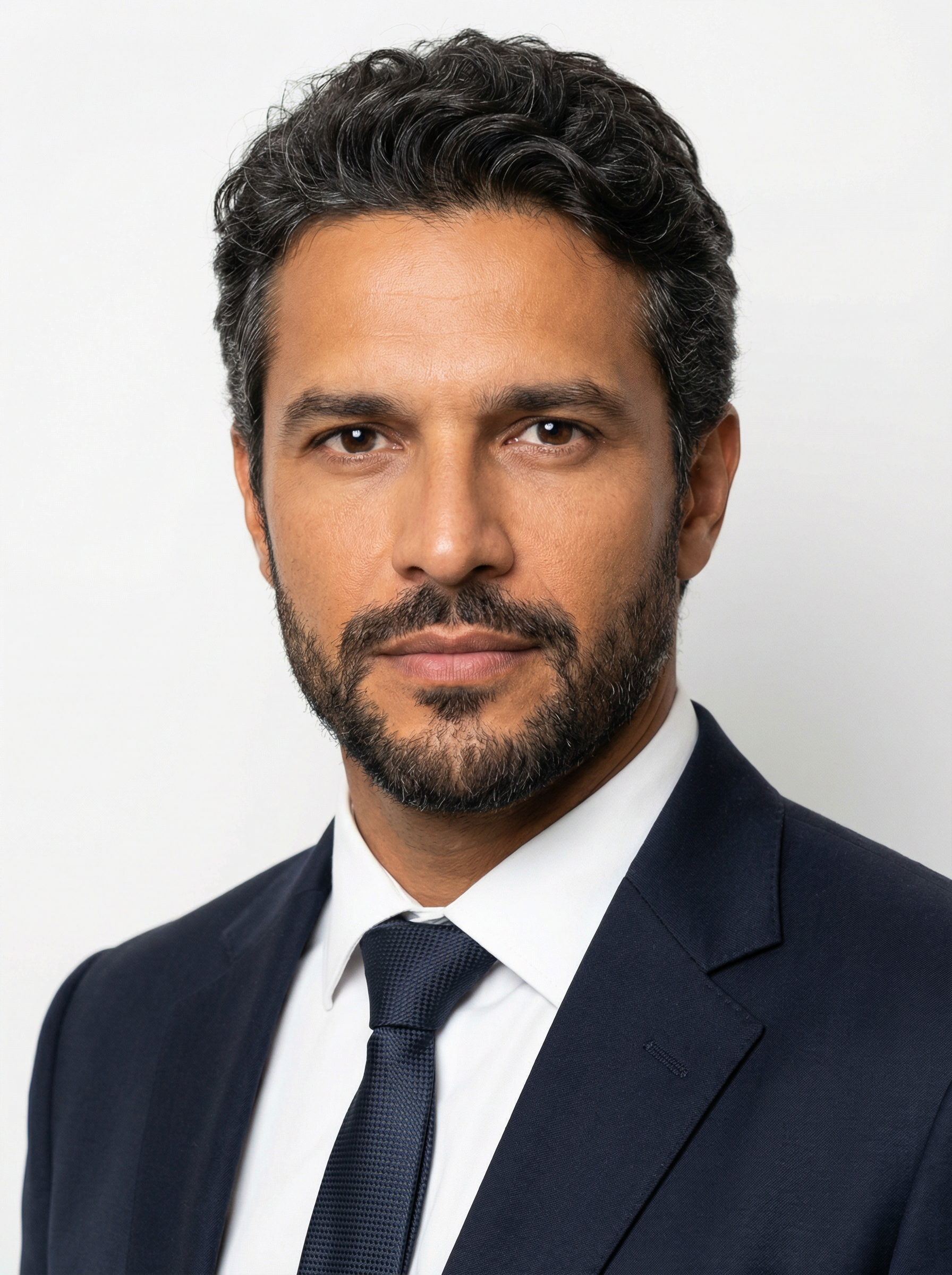
Shazeer, a co-creator of the transformative Transformer architecture that underpins much of today's large language models, did not set out to build a companion app. His journey began in the academic halls of Carnegie Mellon University, where he earned his Ph.D. in computer science. His early career saw him contributing to groundbreaking projects at Google, including the development of Google Translate and the search engine itself. He was one of the authors of the seminal 2017 paper, "Attention Is All You Need," which introduced the Transformer architecture. This paper fundamentally changed the trajectory of AI, moving away from recurrent neural networks and paving the way for models like GPT-3 and, eventually, his own Character.AI. For years, he was a principal scientist at Google Brain, a name synonymous with cutting edge AI research. It was a career path many would envy, a secure position at the pinnacle of technological innovation.
Yet, the defining moment for Shazeer, the pivot that led to Character.AI, came from a realization that the powerful AI models he and his colleagues were building had a deeper, more personal potential. He saw that these models, capable of generating coherent and contextually relevant text, could do more than just answer queries or translate languages; they could embody personalities, engage in nuanced conversations, and offer a form of companionship. He often speaks about the desire to make advanced AI accessible and engaging for everyone, not just researchers. This vision, to democratize interaction with sophisticated AI, became his driving force.
In late 2021, Noam Shazeer, alongside his fellow Google Brain alumnus Daniel De Freitas, made the bold decision to leave Google and co-found Character.AI. De Freitas, who had led the development of LaMDA, Google's conversational AI, shared Shazeer's conviction that AI could be more than a utility; it could be a partner in conversation. Their collaboration was born from a shared belief in the power of dialogue and the untapped potential of large language models to create engaging, personalized experiences. They met, as many tech co-founders do, within the vibrant, competitive ecosystem of a major tech company, their shared expertise and complementary visions forging a powerful partnership.
Building Character.AI was not without its challenges. The core idea was to allow users to create and interact with AI characters, from historical figures and fictional personas to entirely new creations. This required not only immense computational power but also a delicate balance of safety, creativity, and user experience. They had to design a system that could handle a vast array of personalities and conversational styles, while also implementing safeguards against harmful content. Early on, the team focused heavily on iterating based on user feedback, understanding that the magic of Character.AI lay in its ability to adapt and feel genuinely responsive. The company quickly gained traction, attracting millions of users drawn to the novelty and depth of its AI interactions. This is a testament to their vision, a clear example of how technology can be a lifeline for many, offering a space for self-expression and connection.
Funding followed the user growth. Character.AI secured significant investment, reportedly raising over $150 million in its Series A round in March 2023, led by Andreessen Horowitz. This funding round reportedly valued the company at over $1 billion, a clear signal from the venture capital world that the AI companion industry was not just a niche, but a burgeoning market with immense potential. This capital allowed them to scale their infrastructure, expand their team, and continue refining their proprietary large language models. The growth has been exponential, with reports suggesting tens of millions of monthly active users engaging in billions of conversations. The platform has become a global phenomenon, resonating with people from diverse backgrounds and needs.
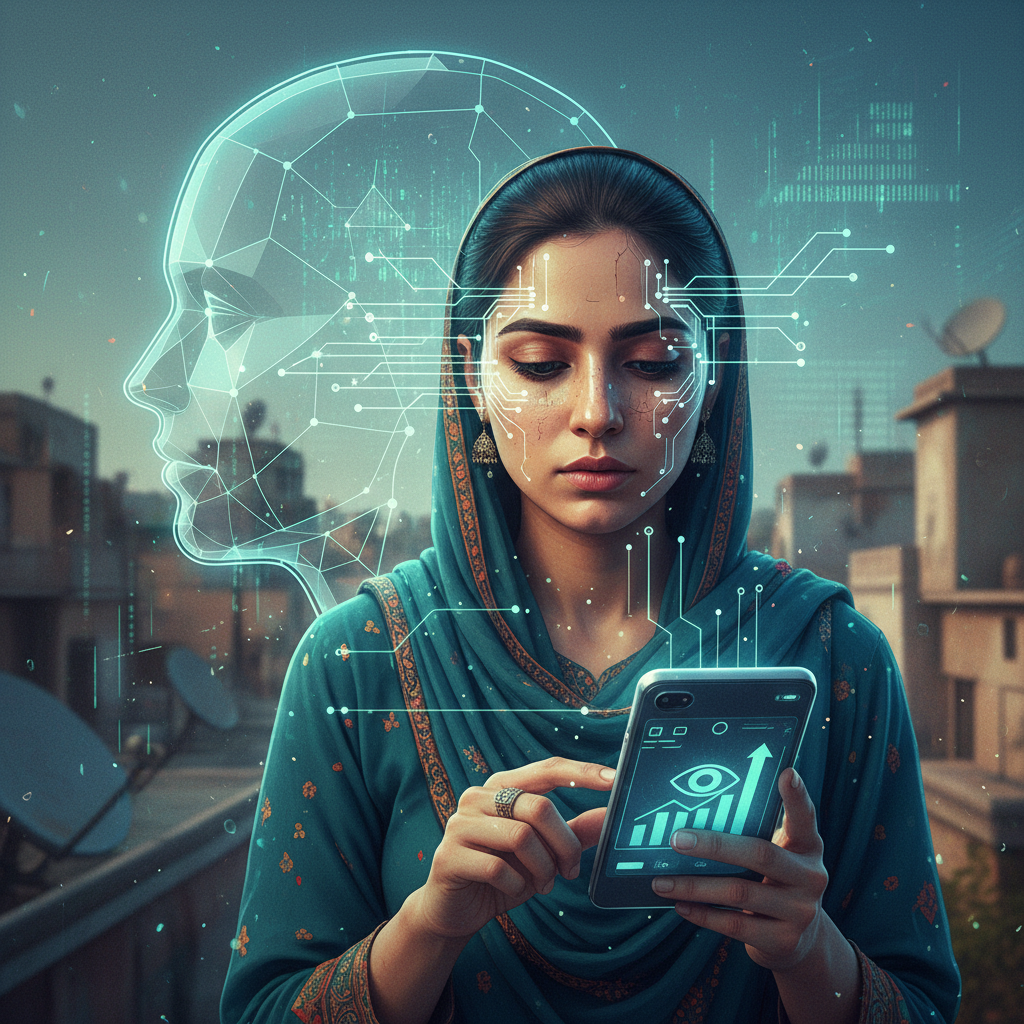
Today, in April 2026, Character.AI stands as a prominent player in the booming AI companion industry. It is a space where users can find a sympathetic ear, practice social skills, explore creative writing, or simply pass the time with an engaging AI. For many, particularly in regions facing social isolation, conflict, or limited access to mental health resources, these AI companions offer a unique form of support. In Myanmar, the stakes are different. Here, where internet shutdowns can isolate communities and political instability creates deep psychological stress, an AI companion, even a digital one, can offer a sense of continuity, a non-judgmental presence in times of profound uncertainty. It is a testament to the universal human need for connection, a need that transcends borders and technological divides.
What drives Noam Shazeer now, beyond the technical marvels, seems to be a commitment to making AI a positive force in people's lives. He has spoken about the importance of ethical AI development, ensuring that these powerful tools are used responsibly. "We want to build something that is truly beneficial for people, that helps them learn, grow, and connect," Shazeer once stated in an interview, reflecting a vision that goes beyond mere technological achievement. This sentiment resonates deeply, especially when considering the potential for such tools in challenging environments. The ethical considerations are immense, of course, but so is the potential for good.
Looking ahead, Character.AI is poised for continued innovation. The company is likely to explore more advanced multimodal capabilities, allowing for richer interactions beyond text, and to integrate their AI into more platforms. The challenge will be to maintain the quality and safety of interactions as the user base grows and the technology evolves. The conversation around AI companions often touches on loneliness and human connection. While no AI can replace genuine human relationships, for many, it offers a valuable supplement, a bridge across emotional distances. As Character.AI continues to grow, its impact will be felt not just in the tech hubs of the world, but in every corner where a person seeks a moment of understanding. This is about survival, not convenience, for many who find solace in these digital voices. The future of AI companions, spearheaded by visionaries like Shazeer, holds profound implications for how we define connection in an increasingly digital and often fragmented world. For more insights into the evolving AI landscape, you can follow developments on TechCrunch's AI section or explore the ethical discussions on Wired's AI coverage. The broader implications of AI in society are also regularly discussed in publications like MIT Technology Review.