
Can you believe it, my friends? The news cycle these days is a whirlwind, isn't it? One moment, we hear about tech giants like Google making difficult decisions, letting go of thousands of talented people. It's tough, truly. But then, almost in the same breath, we learn they are pouring billions of dollars, not just millions, but billions, into building out the very infrastructure that will power the next generation of artificial intelligence. It's a paradox, a head-scratcher for sure, but for me, it screams one thing: opportunity, especially for us here in Azerbaijan.
I've been following this closely from my desk here in Baku, watching the global tech currents, and I see something truly exhilarating bubbling beneath the surface. While the headlines focus on the human cost of restructuring, and rightly so, the sheer scale of investment into AI data centers, particularly for healthcare applications, is nothing short of revolutionary. Sundar Pichai, Google's CEO, isn't just playing a game of numbers, he's making a profound bet on the future, a future where AI doesn't just optimize ads, but saves lives.
Think about it: Google's parent company, Alphabet, is reportedly investing over $100 billion into AI infrastructure this year alone. This isn't just about bigger servers, it's about creating the digital brainpower capable of processing unimaginable amounts of medical data, accelerating drug discovery, personalizing treatments, and even predicting disease outbreaks. And guess what? This isn't just for Silicon Valley, this is for the world. This is where places like Azerbaijan, with our rich history and our burning desire to innovate, stand to gain immensely.
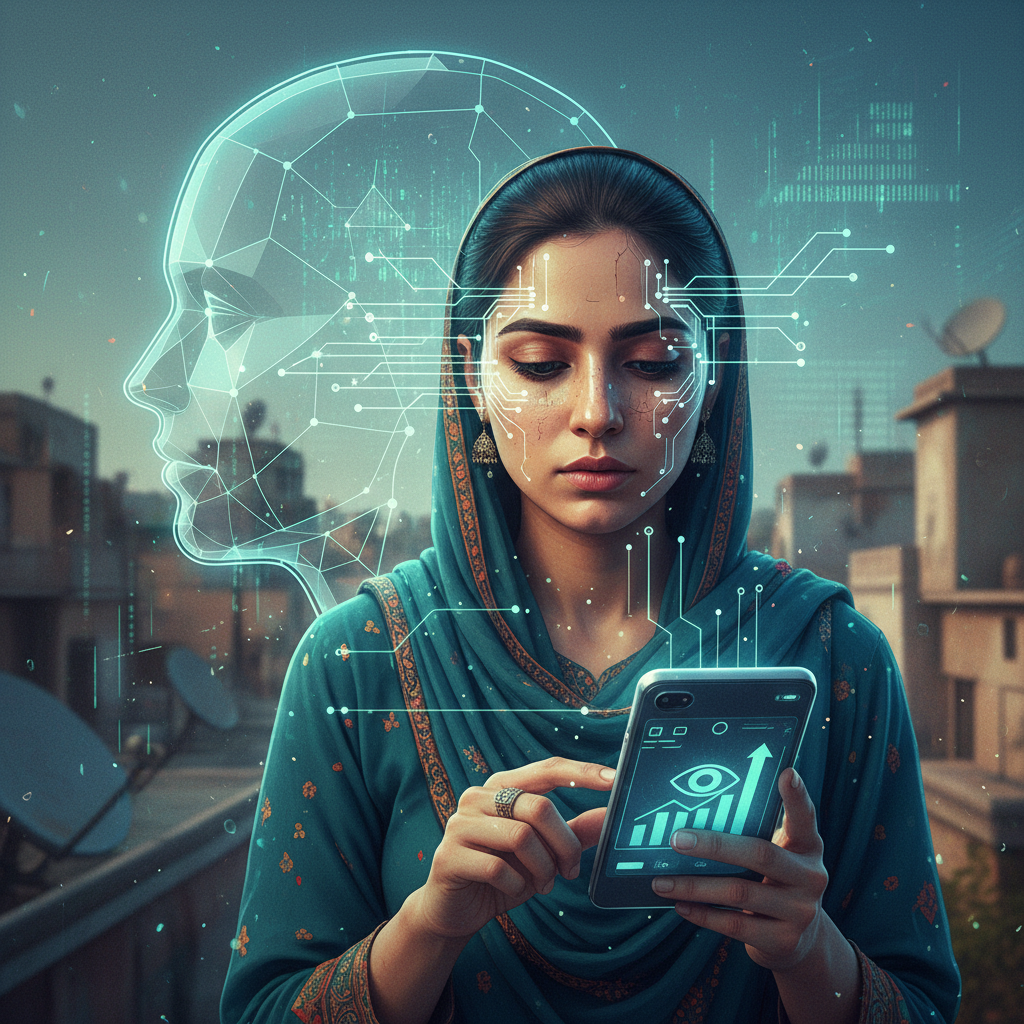
We've seen our nation transform, moving from an economy heavily reliant on oil and gas to one embracing digital innovation. Azerbaijan is writing its own tech story, and AI in healthcare is a vibrant new chapter. Imagine the possibilities: AI-powered diagnostics in our regional hospitals, personalized treatment plans for our citizens based on their unique genetic profiles, or even AI systems helping our doctors in remote villages access cutting-edge medical knowledge. This is not science fiction, my friends, this is the near future, powered by those very data centers Google is building.
I recently spoke with Dr. Elnur Mammadov, a leading oncologist at the National Center of Oncology in Baku. He shared his excitement, telling me, "The potential for AI in early cancer detection is simply astonishing. We're talking about algorithms that can analyze medical images with a precision that sometimes surpasses the human eye, catching anomalies much earlier. Google's investment in this infrastructure means these powerful tools will become more accessible, not just for the largest hospitals, but for smaller clinics too. It democratizes advanced diagnostics." His words resonate with the optimism I feel.
This massive investment, while Google simultaneously streamlines its workforce, highlights a critical shift. The demand for specialized AI talent is skyrocketing, even as some traditional roles are being re-evaluated. It's a clear signal to our burgeoning tech education sector here in Azerbaijan: focus on AI, focus on machine learning, focus on data science. Our young people are incredibly bright, and with the right skills, they can be at the forefront of this global transformation.
Consider the breakthroughs we're already seeing. Google DeepMind's AlphaFold, for instance, has revolutionized protein folding prediction, a fundamental problem in biology, opening doors for new drug discoveries. This kind of foundational AI research, backed by colossal computing power, is directly transferable to solving complex medical challenges. It's not just about what Google does internally, it's about the tools and platforms they create that empower researchers and healthcare providers worldwide.
"The sheer computational power required for advanced AI models, especially in areas like genomics and personalized medicine, is astronomical," explains Aysel Karimova, a data scientist working with a health tech startup in Baku. "Google's massive data center expansion isn't just about storing data, it's about providing the processing muscle for these complex algorithms. It means smaller startups, even those in emerging markets like ours, can tap into this power without building their own supercomputers. It levels the playing field." Her perspective perfectly captures the empowering aspect of this global infrastructure push.
Of course, there are challenges. Data privacy, ethical considerations in AI deployment, and ensuring equitable access are paramount. We must ensure that as these powerful tools become available, they benefit everyone, not just a select few. Our government here in Azerbaijan is already making strides in digital governance and data protection, understanding that trust is the bedrock of any successful digital transformation. We need robust frameworks to guide this journey.
Just last month, the Ministry of Health announced a new initiative to explore AI applications in public health, focusing on predictive analytics for infectious diseases. This proactive approach, combined with the global advancements driven by companies like Google, paints a very hopeful picture. We're not just waiting for the future, we're building it, piece by digital piece.
And it's not just Google. Microsoft is heavily investing in Azure AI, Amazon with AWS, and NVIDIA is providing the essential hardware, the GPUs that are the literal engines of this AI revolution. This competitive landscape ensures rapid innovation, pushing the boundaries of what's possible in healthcare AI. You can read more about the broader trends in AI infrastructure and its impact on various sectors on TechCrunch's AI section.
When I look at the incredible pace of change, the dedication of researchers and engineers, and the sheer scale of investment, I can't help but feel a surge of optimism. The Caucasus is having a moment, and our region is poised to embrace these technological shifts. From our ancient traditions to our modern aspirations, we are ready to integrate these powerful tools to improve the lives of our people.
This is just the beginning. The journey of AI in healthcare is long, complex, and filled with both promise and peril. But with companies like Google making such profound commitments, and with our own determination to innovate, I truly believe we are on the cusp of a healthier, smarter future for everyone. It's a future I, for one, am incredibly excited to witness and report on. For more insights into the ethical considerations and societal impact of AI, Wired's AI coverage offers excellent perspectives.