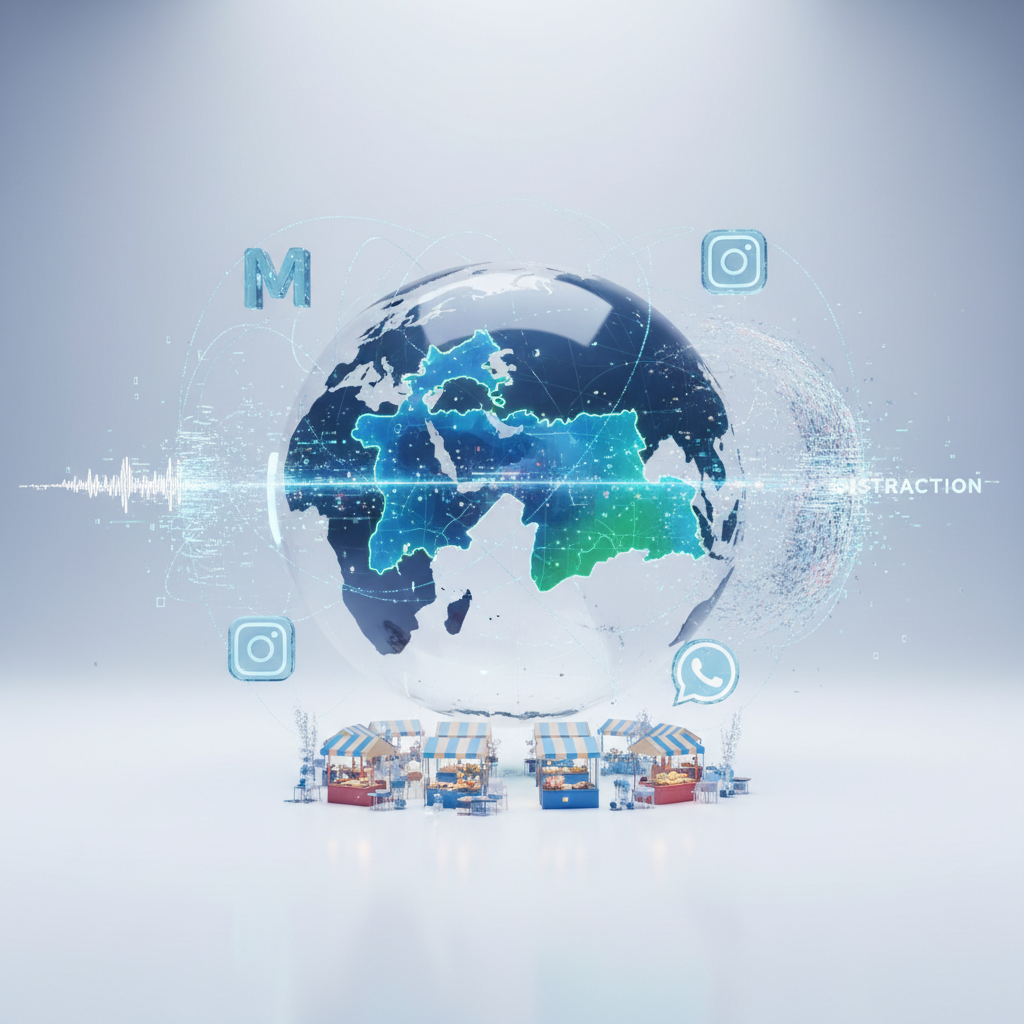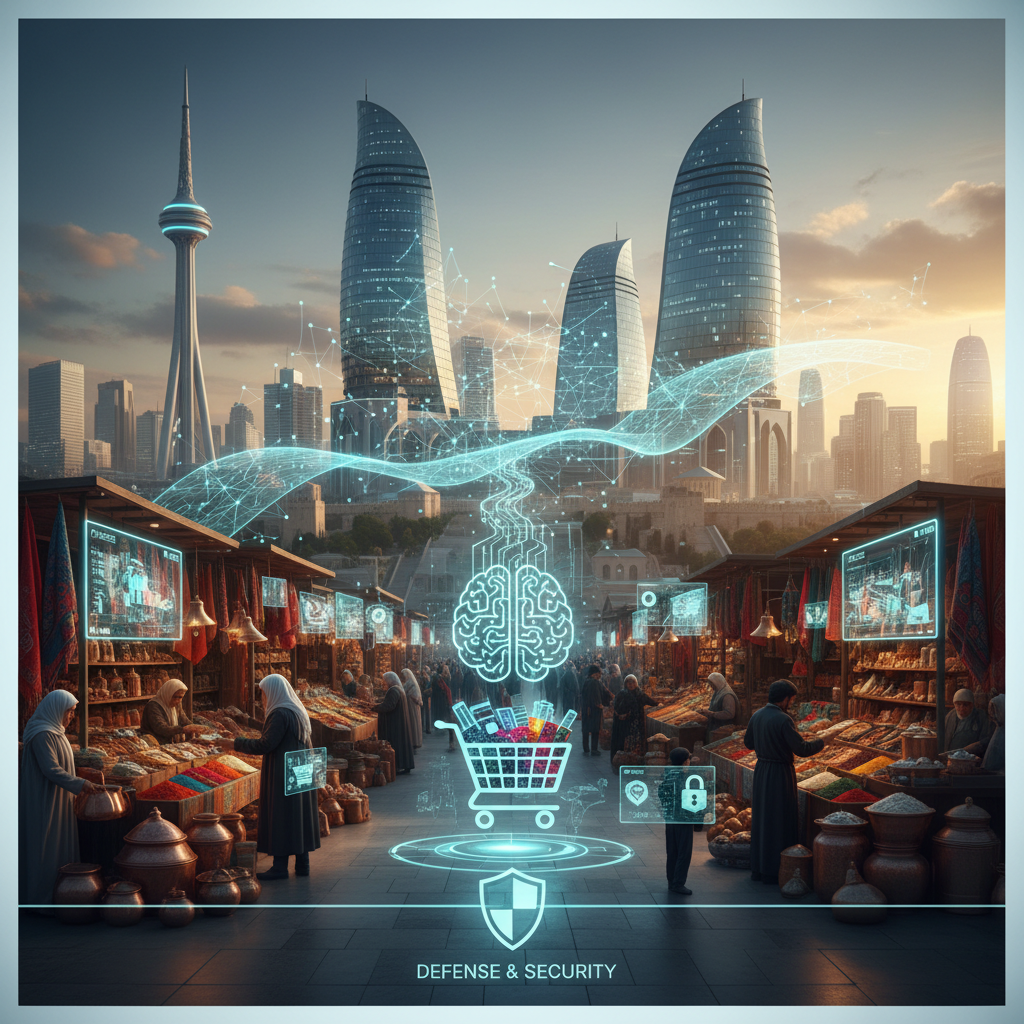

Have you ever walked into a store, perhaps even one of our bustling bazaars here in Baku, and felt like they knew exactly what you wanted, even before you did? Or maybe you've scrolled through an online shop, and suddenly, there it was, that perfect item, almost magically appearing in your feed. This isn't magic, my friends, it's the quiet, powerful hum of artificial intelligence, and it's reshaping retail from the ground up. This isn't just a Silicon Valley story, no, this is a global phenomenon, and Azerbaijan is writing its own tech story right alongside it.
The Silent Revolution on Aisle Seven
What's happening right now is nothing short of a retail renaissance, driven by AI. We're talking about three big pillars: demand forecasting, inventory optimization, and personalized shopping. Think about it: retailers are using sophisticated algorithms, often powered by incredible hardware from companies like NVIDIA, to predict what you'll want to buy next week, next month, even next year. They are optimizing their warehouses and store shelves so that the products are always there when you need them, not sitting in some distant depot. And they're crafting shopping experiences so unique to you, it feels like the store was designed just for your tastes. Companies like Google and Amazon have been at the forefront, but this technology is now accessible to everyone, from the largest global chains to our beloved local boutiques.
Why Most People Are Still Missing the Big Picture
It's easy to get caught up in the flashier headlines about AI, isn't it? We hear about generative AI creating art, or large language models writing code, and those are truly astounding. But the AI transforming retail, while less dramatic in its daily presentation, is arguably having a more immediate and pervasive impact on our daily lives. It's often invisible, working behind the scenes. When a supermarket chain reduces food waste by 15 percent because AI accurately predicted demand, that's a huge win for sustainability and their bottom line, but it rarely makes prime time news. When your favorite online store recommends a product you genuinely love, it feels like good marketing, not a complex AI model at work. This quiet efficiency, this seamless integration, is precisely why many consumers and even some businesses are underestimating its profound significance. They see the effect, but not the intricate AI engine driving it.
How This AI Retail Wave Affects YOU, Right Now
So, how does this all touch your life, my dear reader? Let's get personal. First, better prices and fresher goods. When retailers can accurately forecast demand, they order just enough, reducing waste and often passing those savings on to you. For us in Azerbaijan, where fresh produce is so vital to our cuisine, imagine fewer spoiled fruits and vegetables at your local market, thanks to smarter ordering. Second, no more 'out of stock' frustration. AI driven inventory optimization means that the popular item you want is much more likely to be on the shelf or available for quick delivery. No more trekking to three different shops for that specific type of tea or traditional carpet. Third, and perhaps most excitingly, shopping becomes a joy, not a chore. Personalized recommendations, powered by algorithms from giants like Meta and Google, mean you discover new products that genuinely align with your interests. It's like having a personal shopper who knows your style, your preferences, and even your budget, making every click and every visit feel curated just for you. This isn't just about convenience, it's about elevating the entire shopping experience.
The Bigger Picture: A Global Economic Shift and Local Opportunities
Beyond individual convenience, AI in retail is reshaping economies and societies. Globally, it's driving efficiency, reducing waste, and creating new job categories. The World Economic Forum has highlighted how AI can boost productivity across sectors, and retail is a prime example. For countries like Azerbaijan, which are actively diversifying their economies beyond oil and gas, this is a golden opportunity. Our government's push for a digital transformation means that local businesses, from small family-run shops in Icherisheher to large national chains, can adopt these tools. This can make them more competitive on a global scale, attract foreign investment, and even foster a new generation of tech-savvy entrepreneurs. The Caucasus is having a moment, and digital innovation is at its heart. This isn't just about selling more, it's about building a more resilient, dynamic economy.
However, there are important considerations. The collection and use of personal data for personalization raise privacy concerns. Ensuring these powerful AI tools are used ethically and transparently is paramount. We need robust data protection frameworks, just as the European Union's GDPR has shown us. The potential for job displacement in traditional retail roles is also real, necessitating investment in reskilling and upskilling programs for our workforce. But with careful planning and proactive policies, the benefits far outweigh the risks.
What Experts Are Saying
Industry leaders and analysts are universally bullish on AI's impact on retail. Satya Nadella, CEO of Microsoft, has often spoken about how AI will empower every organization and individual, and retail is a prime example of this empowerment. "AI is not just a tool, it's a co-pilot for every business process," he remarked in a recent earnings call, emphasizing its role in optimizing operations and customer engagement. We see this vision playing out in retail every day.
Closer to home, Dr. Anar Karimov, a leading Azerbaijani economist and digital transformation advocate, recently noted, "For our local businesses, adopting AI in demand forecasting means we can better manage our supply chains, reduce import costs, and support local producers more effectively. It's a strategic imperative for economic growth and sustainability." His perspective underscores the practical, tangible benefits for our region.
From the academic world, Professor Anya Singh, a retail technology expert at MIT, highlighted the shift towards hyper-personalization. "The future of retail isn't just about selling products, it's about selling experiences. AI allows brands to understand individual customer journeys at an unprecedented level, creating loyalty that traditional marketing could only dream of." Her insights, often published in outlets like MIT Technology Review, show us the cutting edge of this transformation.
And from the startup scene, Leyla Aliyeva, co-founder of a burgeoning e-commerce platform in Baku, shared her excitement: "We're a small team, but with AI tools for inventory and recommendations, we can compete with much larger players. It levels the playing field and lets us focus on what we do best: connecting with our customers." This is the entrepreneurial spirit, alive and thriving, embracing the future.
What You Can Do About It
For consumers, the best thing you can do is be aware. Understand that your data helps shape your shopping experience. Be mindful of your privacy settings on various platforms. Explore new online stores and physical shops that are clearly leveraging AI to offer better service. Give feedback, because your preferences help these systems learn and improve.
For businesses, especially here in Azerbaijan, it's time to embrace this change. Start small, perhaps with an AI-powered demand forecasting tool, or explore customer relationship management systems that use AI for personalization. Look at success stories from global players like Walmart, which uses AI to manage its vast inventory, or Stitch Fix, which built its entire business model on AI-driven styling. Partner with local tech startups or consultancies that specialize in AI implementation. The investment now will pay dividends for years to come. The resources are out there, from open source tools to cloud-based solutions offered by companies like Google Cloud and Microsoft Azure. Don't be afraid to experiment, because this is just the beginning.
The Bottom Line: Why This Will Matter in 5 Years
In five years, the idea of shopping without AI will feel as antiquated as shopping without the internet does today. Every aspect of retail, from the moment a product is conceived to the moment it arrives at your doorstep, will be infused with intelligent automation. Stores will be predictive, personalized, and hyper efficient. The lines between online and offline shopping will blur even further, creating truly omnichannel experiences. The businesses that embrace this transformation will thrive, offering unparalleled value and convenience. Those that don't, well, they risk being left behind. This isn't just about technology, it's about a fundamental shift in how we exchange goods and services, how businesses operate, and how we, as consumers, interact with the world around us. It's an exciting time to be alive, and to witness this incredible evolution unfold, right here, right now. This is the future of retail, and it's already here, making our lives a little bit smarter, one purchase at a time. For more on how AI is shaping industries globally, check out TechCrunch's AI section.