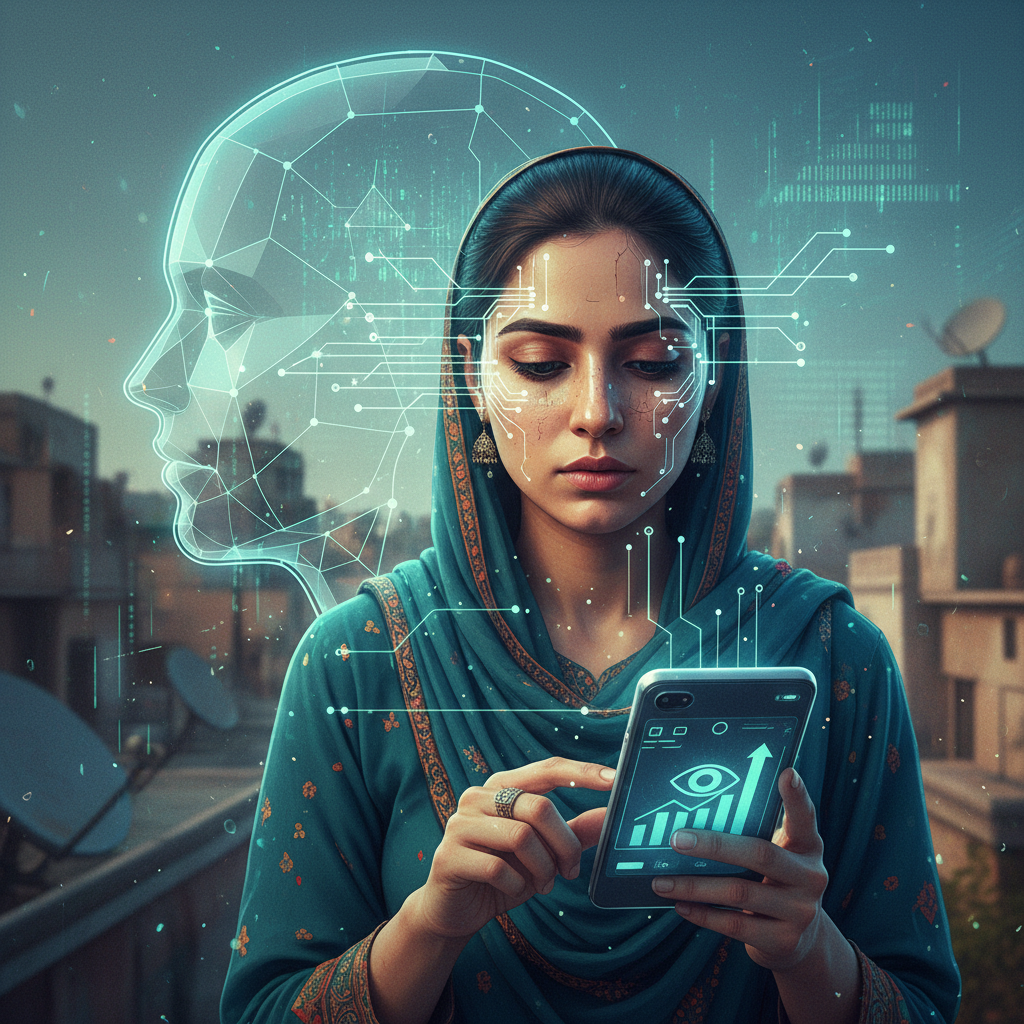

The sun rises over the Mdzimba mountains, painting the sky with hues of orange and purple, just as it has for centuries. Here, in Eswatini, life moves to a different rhythm. We are a small nation, yes, but our hearts beat with a profound sense of community, a spirit of 'Ubuntu' where a person is a person through other people. It is this very spirit that makes me pause, and sometimes even worry, when I hear the grand pronouncements from Silicon Valley about the 'smart cities' of tomorrow, especially when they speak of AI-powered surveillance as the cornerstone of safety.
Companies like Google, with their DeepMind projects, and even Amazon, with its Alexa-enabled devices, are at the forefront of developing technologies that promise safer, more efficient urban spaces. They envision a world where AI algorithms monitor traffic, detect crime, and manage public services with unprecedented precision. On the surface, it sounds like a dream, a utopia where every potential threat is neutralized before it even fully forms. But I ask myself, at what cost does this utopia come, especially for the people whose lives are being meticulously observed?
The promise of enhanced safety is seductive. Imagine a city where AI-driven cameras can identify a lost child within minutes, or where predictive policing algorithms can dispatch emergency services to a potential incident before it escalates. For a nation like Eswatini, grappling with its own challenges, such capabilities could seem like a godsend. "The potential for AI to transform public safety in developing nations is immense, offering solutions to resource-constrained police forces and emergency services," says Dr. Nompumelelo Dlamini, a senior lecturer in computer science at the University of Eswatini. "However, we must proceed with extreme caution, ensuring that these tools serve our people, not control them."
But here is where my Eswatini heart feels a tremor of unease. The very essence of 'smart city' surveillance, with its ubiquitous cameras and facial recognition systems, chips away at the fundamental right to privacy. It creates a digital panopticon, where every step, every interaction, every moment in public space is potentially recorded, analyzed, and stored. Who has access to this data? How is it protected? What happens when these powerful tools fall into the wrong hands, or are used to suppress dissent, rather than prevent crime? The line between safety and control becomes dangerously thin.
I’ve heard the counterarguments, of course. Proponents argue that if you have nothing to hide, you have nothing to fear. They say that the benefits of reduced crime rates, faster emergency response, and optimized urban planning far outweigh the perceived loss of privacy. They point to statistics, perhaps showing a 30% reduction in petty crime in a pilot smart city in Europe, or a 15% decrease in traffic accidents due to AI-managed intersections. They might even suggest that citizens will grow accustomed to the constant gaze, much like they have to Cctv cameras in shops. "Modern urban living demands modern solutions. The data collected is anonymized, aggregated, and used solely for public good," argues Mr. David Chen, a regional director for Google's Smart City initiatives in Africa, during a recent virtual conference. "We are building a safer future for everyone, and privacy concerns are addressed through robust ethical guidelines and secure infrastructure."
But I cannot shake the feeling that this perspective, often coming from places far removed from our daily realities, misses the point entirely. In Eswatini, we say 'a person is a person through other people', and this philosophy extends to our understanding of freedom and dignity. Privacy is not merely about hiding secrets, it is about the space to be ourselves, to think, to assemble, to live without the constant awareness of being watched. It is about the power dynamic between the individual and the state, or in this case, the individual and the powerful corporations providing the technology. When every face is scanned, every movement tracked, does true freedom still exist? Does the fear of being misidentified by an algorithm, or having one's data misused, stifle the very vibrancy of community life?
Consider the potential for bias. AI systems are trained on vast datasets, and if those datasets reflect existing societal biases, the algorithms will perpetuate and even amplify them. What if a facial recognition system, developed primarily in Western nations, struggles to accurately identify people with darker skin tones, leading to false arrests or disproportionate scrutiny in our communities? Or what if the predictive policing models, based on historical crime data, inadvertently target specific neighborhoods or demographics, reinforcing systemic inequalities? This tiny kingdom has big ideas about technology, and one of them is that technology must serve all people equitably.
Furthermore, the sheer volume of data collected by these systems makes them attractive targets for cyberattacks. A breach could expose the movements and personal information of millions, creating vulnerabilities far greater than the crimes they were designed to prevent. The recent data breaches at major tech companies, despite their assurances of security, serve as stark reminders of this ever-present danger. According to TechCrunch, cybersecurity remains a paramount concern in the AI space, with new threats emerging constantly.
My call is not for an outright rejection of technology. Far from it. Eswatini, like many African nations, is eager to harness the power of AI for good, to improve healthcare, education, and economic opportunities. But we must demand that these technologies are developed and deployed with a deep respect for human dignity, privacy, and community values. We need AI that empowers, not surveils. We need smart cities that foster genuine connection, not just efficient control. We need to ensure that the voices of those who will live under the watchful eye of these systems are not just heard, but actively shape their development.
Perhaps the solution lies in a more localized, community-centric approach. Instead of top-down mandates for pervasive surveillance, we should explore AI solutions that are designed with specific community needs in mind, with transparent governance, clear oversight, and strong protections for individual rights. We should prioritize systems that are explainable, auditable, and accountable. We can learn from initiatives that prioritize data sovereignty, ensuring that our data remains within our borders and under our control. For more on the broader implications of AI on society, Wired often covers these complex ethical discussions.
Ultimately, the question is not whether AI can make our cities safer, but whether it can do so without sacrificing the very essence of what makes us human. Can we build smart cities with a soul, cities where technology enhances our lives without diminishing our freedom? I believe we can, but only if we remember that sometimes the smallest countries have the biggest vision, and that the true measure of a smart city is not just its efficiency, but its humanity. Our future must be built on trust, not just on algorithms and cameras. It is a lesson that Silicon Valley, with all its brilliance, would do well to learn from the heart of Eswatini. The time for a global conversation about ethical AI deployment, one that truly includes all voices, is now. We cannot afford to wait.```