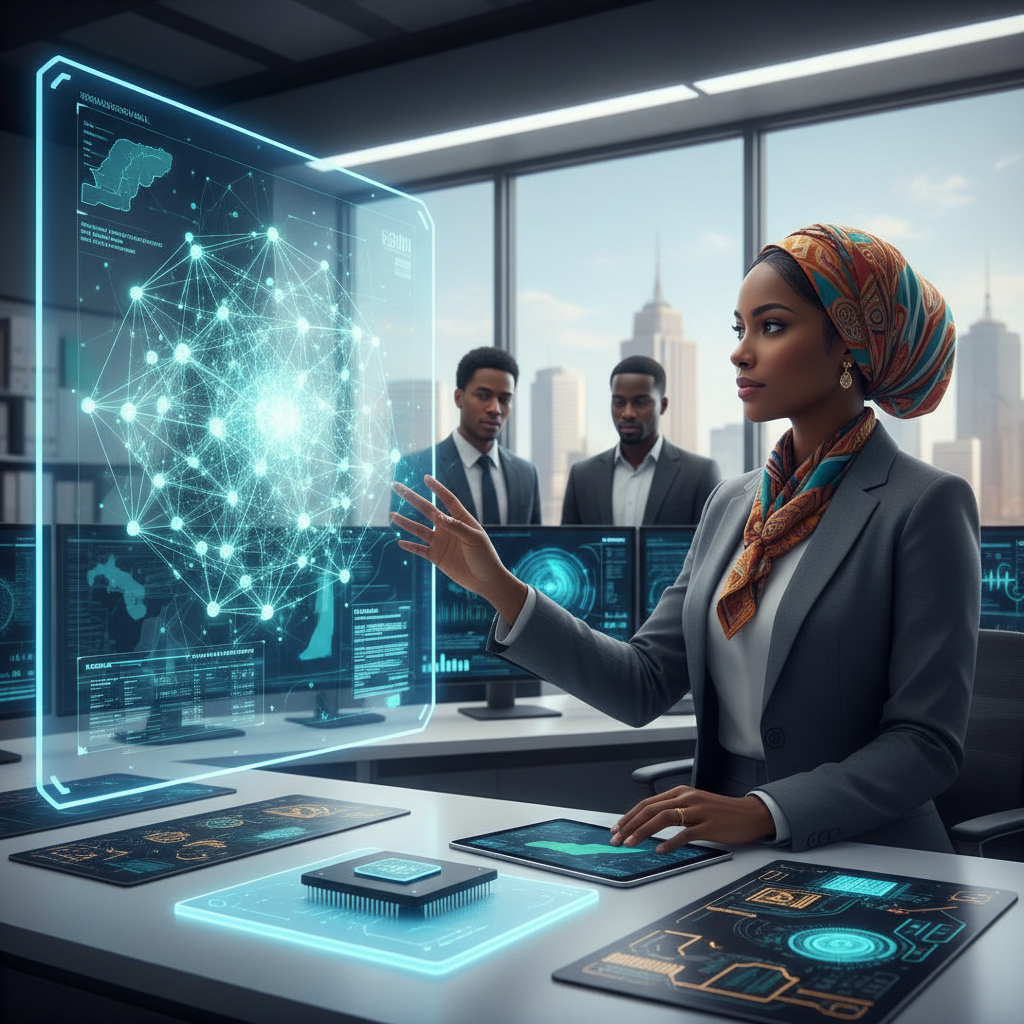
The morning sun was just beginning to paint the dusty streets of Thiès, casting long shadows as I walked towards the bustling market. The air was thick with the scent of spices, grilled fish, and the lively chatter of vendors. It was a scene as old as time, yet just a few kilometers away, in quiet labs and burgeoning tech hubs, something profoundly new is taking shape. We are talking about neuromorphic computing, a phrase that might sound like it belongs in a science fiction novel, but here in Senegal, it is becoming a tangible reality for businesses and workers.
For many, artificial intelligence still conjures images of powerful, number-crunching machines, algorithms that process vast amounts of data at dizzying speeds. But neuromorphic computing, my friends, is different. Imagine a computer chip not just calculating, but thinking more like a human brain, with neurons and synapses, learning and adapting in ways that are far more efficient and intuitive. It is a fundamental shift, and its quiet arrival in Senegal is creating ripples of both excitement and apprehension.
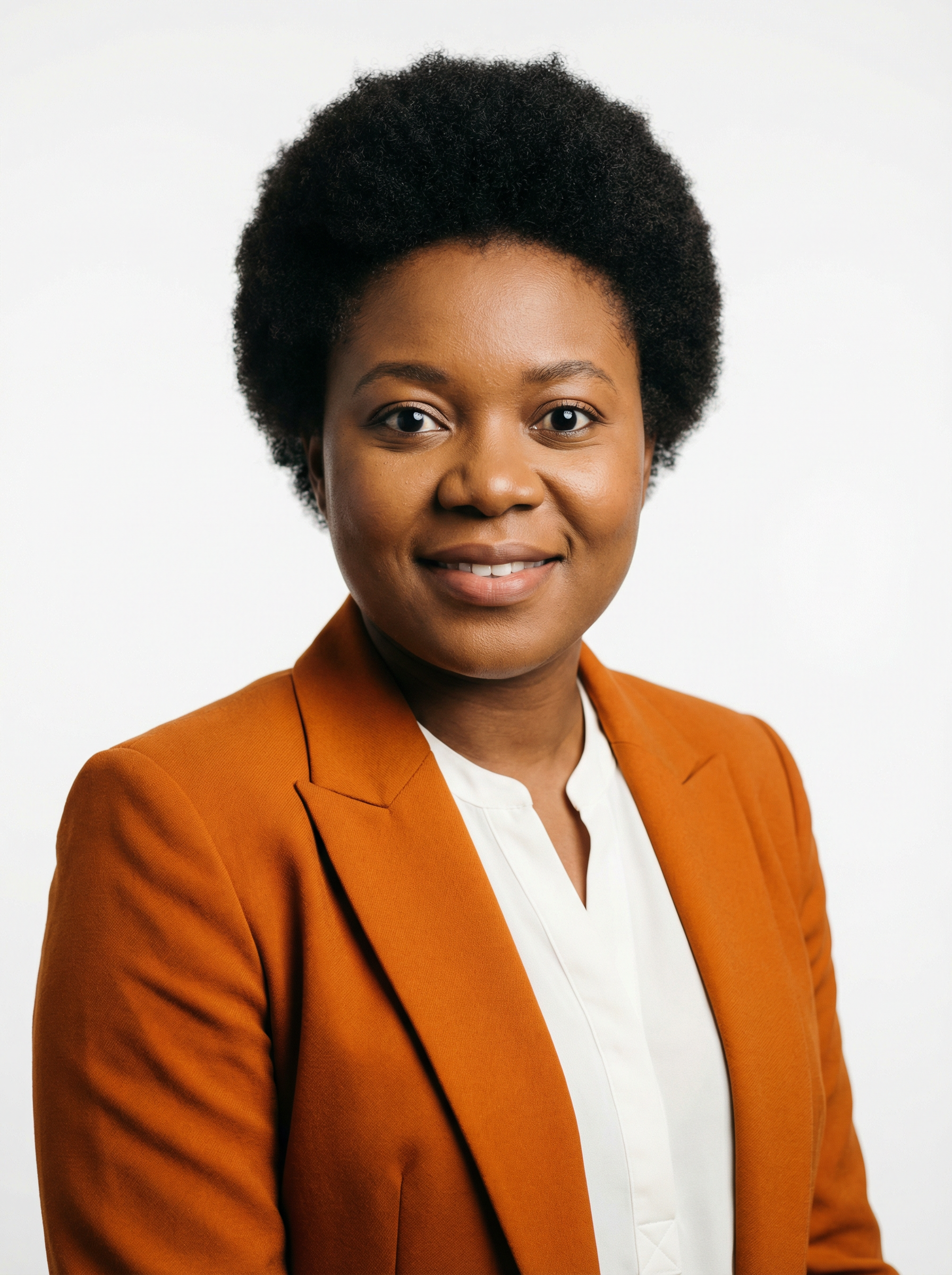
I sat down with Dr. Aïcha Sow, a brilliant computer scientist and co-founder of DiambarTech, a Dakar-based startup focused on AI solutions for local industries. Her eyes lit up when she told me about their pilot project using neuromorphic processors to optimize irrigation systems for smallholder farmers in the Kaolack region. "Nguir bëgg sa bët, da ngay teg ci sa loxo," she said, a Wolof proverb meaning, "If you want to see with your eyes, you must put your hands on it." She explained that traditional AI models needed constant retraining and significant energy to adapt to changing weather patterns and soil conditions. "With neuromorphic chips, we are seeing a 30% reduction in energy consumption and a much faster adaptation rate. The system learns the nuances of the land, almost instinctively, like an experienced farmer." This is not just about efficiency, she stressed, but about making advanced technology accessible and sustainable for our people.
While global giants like Intel and IBM have been at the forefront of neuromorphic chip development, with Intel's Loihi and IBM's NorthPole leading the charge, their adoption in Africa has been slower. However, reports from the African Development Bank and recent analyses by firms like McKinsey suggest a growing interest. A 2025 report estimated that neuromorphic computing could drive a 15-20% increase in operational efficiency for specific sectors in emerging markets within the next five years, particularly in edge computing applications where power consumption is critical. Senegal, with its burgeoning tech scene and a strong focus on digital transformation, is positioning itself to be a leader in this space.
The Data Speaks: Adoption and Impact
What does this mean for businesses on the ground? In Senegal, the early adopters are primarily in sectors where real-time, low-power processing is a game-changer. Beyond agriculture, healthcare is seeing significant potential. For instance, Sama Santé, a local health tech firm, has been testing neuromorphic sensors for early disease detection in remote clinics. Dr. Moussa Diallo, CEO of Sama Santé, shared his findings: "Our initial trials show that these brain-inspired chips can analyze complex biological signals with greater accuracy and far less power than conventional systems. This means we can deploy sophisticated diagnostic tools in areas without reliable electricity, extending healthcare access. We have seen a 25% improvement in diagnostic speed for certain conditions, which is life-changing." This kind of impact is what truly excites me; it is technology serving humanity directly.
However, adoption rates are still nascent. A survey conducted by the Senegalese Ministry of Digital Economy in late 2025 indicated that while 60% of surveyed tech companies were aware of neuromorphic computing, only about 8% had active pilot projects. The primary barriers cited were the high initial cost of specialized hardware and the scarcity of local talent trained in neuromorphic programming. This is where the winners and losers begin to emerge. Companies with strong research and development arms, or those willing to invest in upskilling their workforce, are gaining an early advantage.
Worker Perspectives: A New Skillset Emerges
For the workers, this technological shift brings both opportunity and challenge. I spoke with Mariama Diop, a young engineer who recently transitioned from traditional machine learning to neuromorphic software development at DiambarTech. "At first, it felt like learning a new language entirely," she admitted, laughing. "The way you think about data flow and processing is so different. It is less about sequential instructions and more about parallel, event-driven learning. But it is incredibly rewarding. I feel like I am building the future." Mariama is one of the few, but her experience highlights the need for specialized training programs.
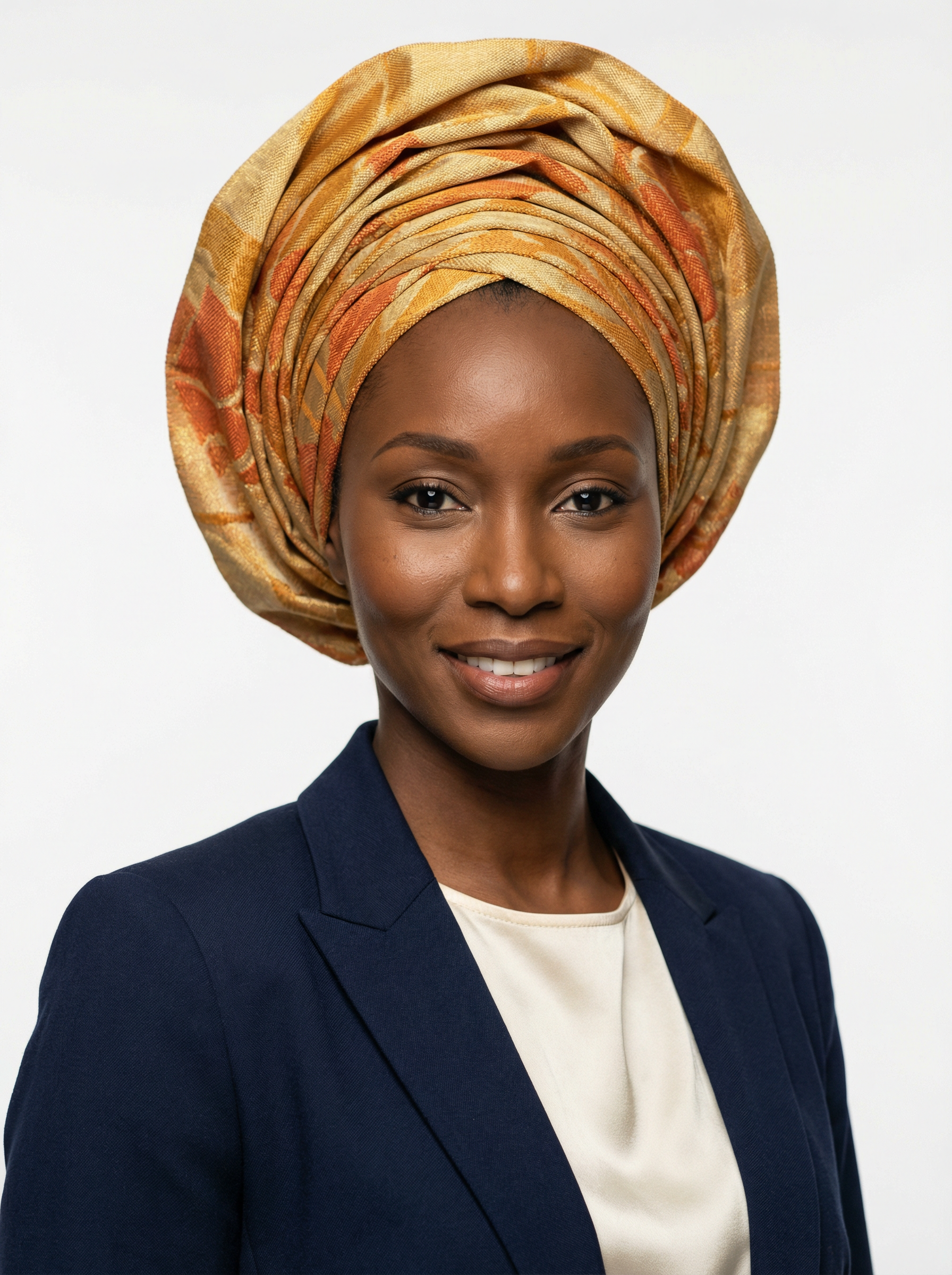
This is a story about people, not algorithms, and the human element is crucial. The fear of job displacement is real, but experts like Professor Ndèye Fatou Fall from the Cheikh Anta Diop University of Dakar emphasize the evolving nature of work. "Neuromorphic computing will not simply replace jobs; it will transform them," she explained during a recent symposium. "We need to invest in education, creating curricula that equip our youth with the skills to design, manage, and innovate with these new systems. The demand for neuromorphic architects and engineers will only grow." This sentiment is echoed by many in the academic community, who see this as a chance to leapfrog older technologies and create new economic opportunities for Senegal.
Expert Analysis: A Future Shaped by Brain-Inspired AI
Globally, the neuromorphic computing market is projected to reach significant figures in the coming years. According to a report by Reuters, the market for neuromorphic chips is expected to grow substantially, driven by demand for energy-efficient AI at the edge, in areas like IoT devices, autonomous vehicles, and advanced robotics. This global trend provides a strong tailwind for countries like Senegal that are strategically investing in this domain.
Mr. Ousmane Diagne, Director of Innovation at the Senegalese Ministry of Digital Economy, shared his vision: "We see neuromorphic computing as a critical component of our 'Sénégal Numérique 2025' strategy. It offers a pathway to develop localized, sustainable AI solutions that are less reliant on massive cloud infrastructure, which can be costly and bandwidth-intensive. Our goal is to foster an ecosystem where local startups can leverage these advancements to solve our unique challenges, from climate resilience in agriculture to personalized education." The government is reportedly exploring partnerships with international research institutions and chip manufacturers to facilitate technology transfer and talent development, a crucial step for a nation aspiring to be a digital hub.
What is Coming Next?
The road ahead is not without its bumps. The development of neuromorphic hardware is complex and expensive, and the software ecosystem is still maturing. However, the potential benefits in terms of energy efficiency, real-time processing, and adaptive learning are too significant to ignore. We are likely to see more specialized neuromorphic accelerators integrated into everyday devices, making our smart homes smarter, our medical diagnostics more precise, and our industrial processes more efficient.
The proverb, "Ku bëgg jàng, da ngay gis sa moroom" which means, "If you want to learn, you must observe your peer," reminds us that collaboration and knowledge sharing will be key. Senegal is not just passively adopting technology; it is actively seeking to shape it, to infuse it with local wisdom and address local needs. The journey from the traditional markets of Thiès to the brain-inspired chips of tomorrow is a long one, but the spirit of innovation, like the enduring baobab tree, stands strong. It is a testament to the ingenuity of our people, who are not just watching the future unfold, but actively building it, one neuron-like connection at a time.
For more insights into the broader AI landscape, you might find this article on AI in healthcare [blocked] interesting.