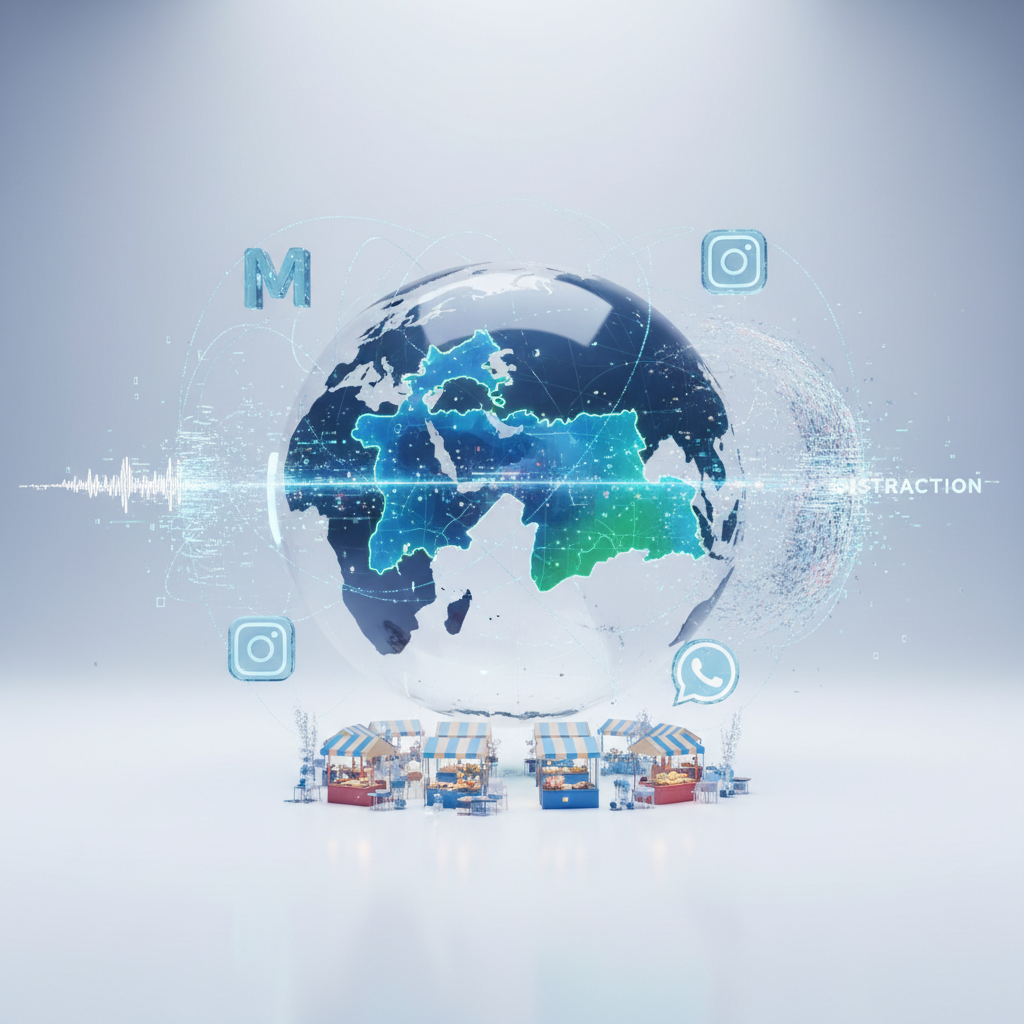

Picture this: it's 2031. You're strolling through Chatuchak Weekend Market, dodging motorbikes and the enticing aroma of grilled squid, but something feels different. The small vendor selling handmade soaps, usually shouting prices, now has a sleek, voice-activated system that translates her sales pitch into five languages simultaneously, personalizes recommendations based on your past purchases, and processes payments with a blink. Her inventory is managed by an AI that predicts demand with uncanny accuracy, sourcing ingredients from local farms just in time. This isn't some far-fetched sci-fi dream. This is the future Amazon's AWS Bedrock is trying to build, right here in Thailand, and frankly, it's both exciting and a little terrifying.
For years, the big tech players have been battling it out for cloud dominance, a fight as fierce as any Muay Thai match. But now, the prize isn't just storage or computing power, it's the very brains of future businesses: enterprise AI. And Amazon, with its AWS Bedrock, is making a play so audacious, it makes you wonder if Andy Jassy has been taking lessons from a Bangkok street vendor on how to corner a market. Bedrock isn't just another AI tool; it's a platform that lets companies build their own generative AI applications using a choice of foundational models, including those from AI giants like Anthropic, AI21 Labs, and even Amazon's own Titan models. It's like a buffet of AI brains, ready for enterprises to pick and choose.
Now, why does this matter for us, particularly here in Southeast Asia? Because in the next five to ten years, this isn't just about Silicon Valley boardrooms. This is about the small and medium-sized enterprises (SMEs) that form the backbone of economies like Thailand's. We're talking about the family-run textile factories in Chiang Mai, the seafood exporters in Phuket, the bustling logistics companies navigating Bangkok's notorious traffic. For these businesses, the barrier to entry for advanced AI has been prohibitively high, a digital chasm as wide as the Chao Phraya River. Bedrock, theoretically, aims to bridge that.
The Grand Vision: AI for Everyone, Courtesy of Amazon?
Amazon's strategy is clear: become the indispensable infrastructure layer for all enterprise AI. They want to be the electricity grid for the AI revolution. By offering a managed service that simplifies the deployment and scaling of foundational models, they're trying to democratize access to cutting-edge AI. This means a small Thai startup, without an army of AI engineers, could potentially leverage the same powerful models as a multinational corporation. Imagine a local e-commerce platform using Bedrock to create hyper-personalized shopping experiences, or a tourism agency developing an AI chatbot that speaks perfect Thai, English, and Mandarin, anticipating every traveler's need before they even ask. Only in Bangkok, where ingenuity is a daily currency, could this truly flourish.