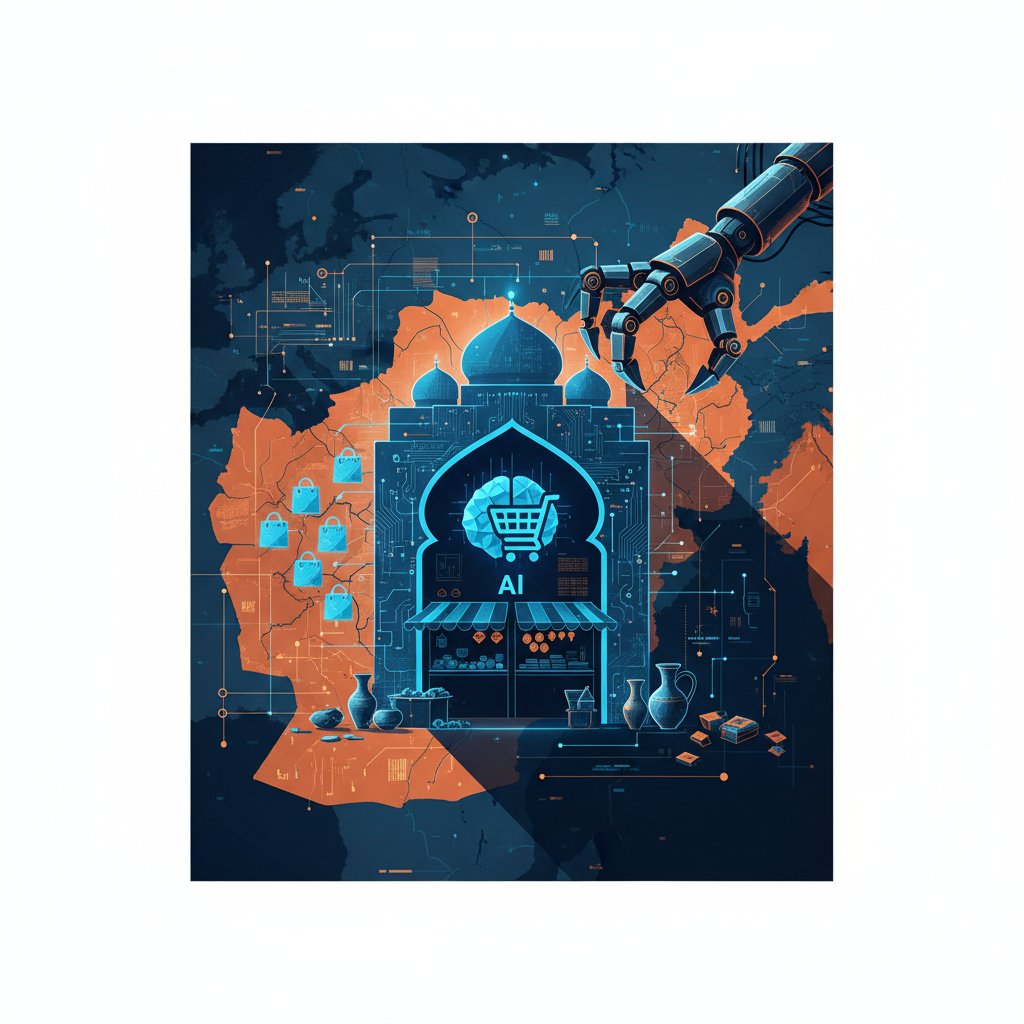
The digital marketplace, once a distant concept for many in Afghanistan, now flickers on the screens of smartphones even in remote villages. For years, the promise of e-commerce has been one of boundless choice and unprecedented access. Now, with Amazon's recent unveiling of its advanced AI shopping assistant, a new chapter begins, one where algorithms do more than just recommend; they anticipate, curate, and potentially dictate our purchasing decisions. But is this hyper-personalization a liberating force, or does it risk creating digital echo chambers that further marginalize those already on the fringes? This is a question that resonates deeply in places where access to technology is not a given, but a hard-won struggle for dignity.
Historically, commerce has always been a deeply personal affair. From the bustling bazaars of Kabul, where merchants know their customers by name and understand their needs through years of interaction, to the local shops in Kandahar, trust and relationship form the bedrock of trade. The advent of early e-commerce sought to digitize this, but often fell short on the human element. Recommendations were rudimentary, based on simple purchase history or broad categories. Then came the era of sophisticated algorithms, like those powering Amazon's vast empire, which began to learn our preferences with increasing accuracy. This evolution has culminated in the latest generation of AI assistants, poised to become our digital shopping companions, understanding our desires even before we articulate them. According to The Verge, these systems leverage vast datasets, including browsing history, past purchases, and even external data points, to craft an almost bespoke shopping experience.
The current state of AI in e-commerce is marked by a race for ultimate personalization. Amazon, a titan in this space, is at the forefront. Their new AI assistant, integrated across their platform, goes beyond simple product suggestions. It aims to understand intent, anticipate future needs, and even negotiate on behalf of the consumer, theoretically simplifying the shopping journey to an unprecedented degree. Reports suggest that initial trials have shown a significant uptick in conversion rates and customer satisfaction in developed markets, with some analysts estimating a potential 15-20% increase in average order value for users engaging with the assistant. This is a powerful economic incentive driving its widespread adoption.
However, the implications extend far beyond convenience and profit margins. For regions like Afghanistan, where internet penetration remains challenging and digital literacy is still developing, the introduction of such advanced AI raises complex questions. While the global north embraces the efficiency, we must ask what these technologies mean for societies grappling with more fundamental issues. Will these AI assistants truly open new avenues for local artisans and small businesses to reach global markets, or will they further entrench the dominance of large corporations, making it harder for unique, culturally significant products to surface amidst a sea of algorithmically optimized offerings?
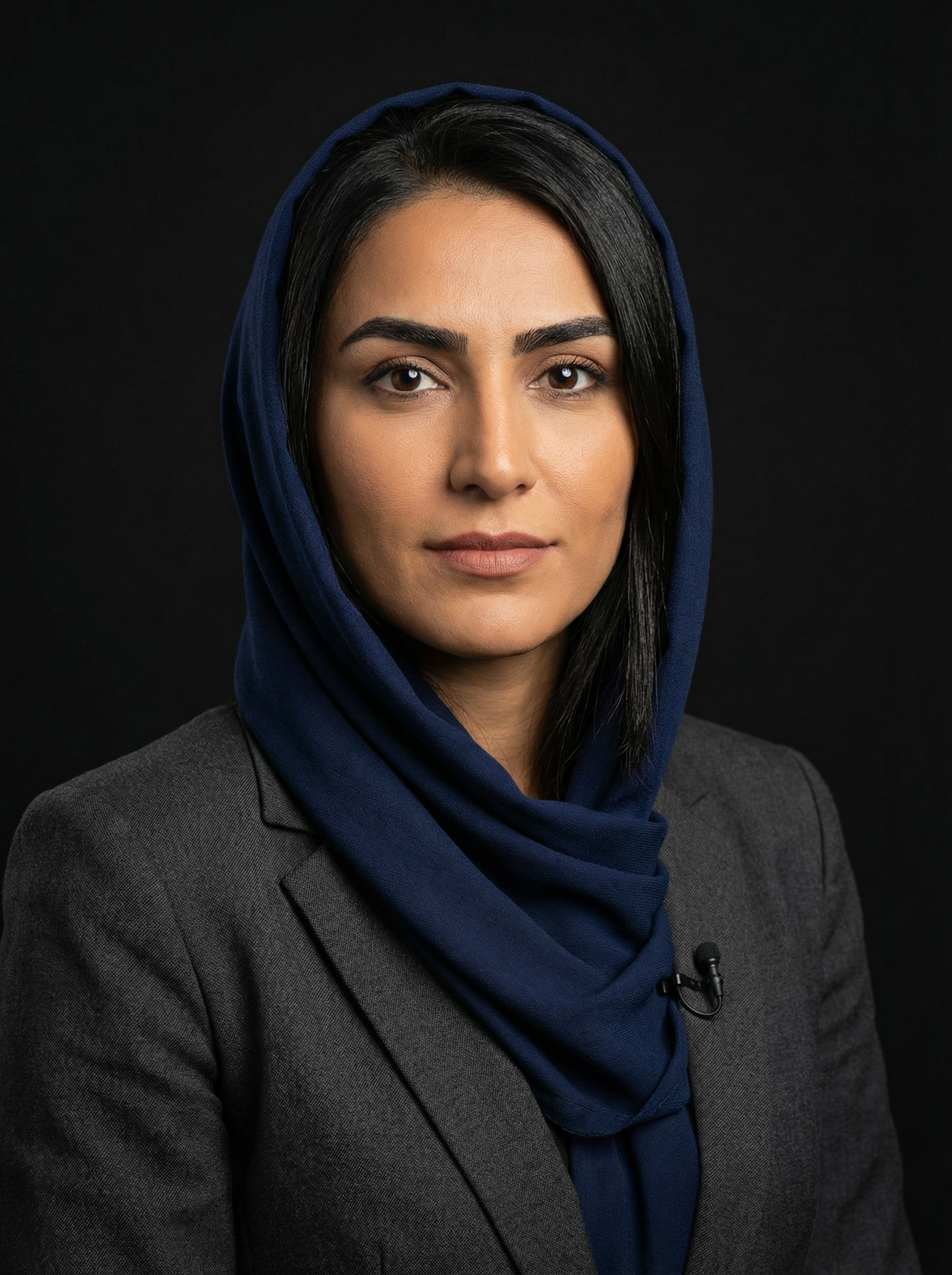
Dr. Aisha Ahmad, a leading expert on technology and development at the American University of Afghanistan, voiced her concerns recently. “While the promise of AI for economic inclusion is compelling, we must critically examine who truly benefits. If these systems are trained predominantly on data from affluent Western consumers, they risk perpetuating existing biases and overlooking the unique needs and purchasing patterns of communities in the Global South. Technology should serve the most vulnerable, not inadvertently disadvantage them.” Her words echo a sentiment shared by many who believe that the design and deployment of AI must be globally inclusive, not just globally dominant.
Furthermore, the issue of data privacy and sovereignty becomes paramount. When an AI assistant collects intimate details about a user's life, from their dietary preferences to their gift-giving habits, who owns that data? And how is it protected, especially in jurisdictions with less robust regulatory frameworks? For many, the idea of a foreign corporation holding such a comprehensive digital profile is not just an abstract concern, but a tangible threat to cultural identity and economic autonomy. As Mr. Abdullah Abdullah, a former Chief Executive of Afghanistan, once remarked in a different context,