
The global fashion industry, a behemoth valued at trillions, is increasingly captivated by the siren song of artificial intelligence. From algorithmic trend prediction to immersive virtual try-on experiences and the promise of sustainable design, the narrative is one of innovation, efficiency, and a greener future. Companies like Google and Meta are investing heavily, pushing the boundaries of what AI can do for design houses and retailers alike. Yet, from my vantage point here in Conakry, observing the bustling markets and the enduring artistry of our local textile producers, I must ask: is this technological marvel truly a tide that lifts all boats, or merely a sophisticated tool for those already at the helm, further marginalizing the very traditions it purports to modernize?
The prevailing discourse suggests AI can revolutionize every facet of fashion. Trend prediction algorithms, fueled by vast datasets of social media, sales figures, and cultural phenomena, claim to forecast consumer desires with unprecedented accuracy. This, we are told, reduces waste by aligning production more closely with demand. Virtual try-on platforms, leveraging augmented reality and sophisticated 3D modeling, promise to enhance online shopping, minimizing returns and offering a personalized experience. Then there is the grand promise of sustainable design, where AI optimizes material usage, tracks supply chains, and even designs garments with minimal environmental impact. These are compelling visions, certainly, and the potential for positive change is undeniable. But here's the catch: the benefits, as currently implemented, seem overwhelmingly concentrated in the global North, leaving developing economies, particularly those in Africa, largely as spectators, if not victims, of this digital transformation.
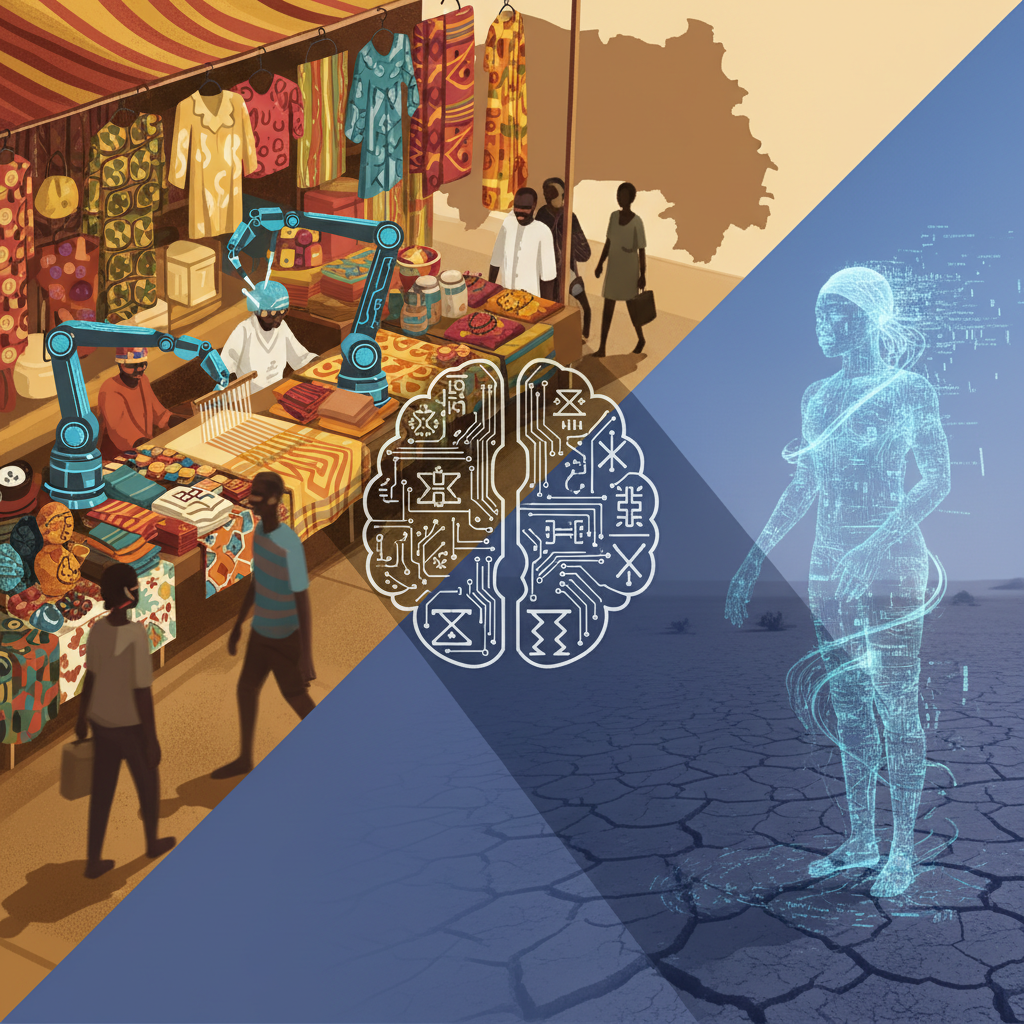
Consider the trend prediction models. These systems thrive on data, and the data they consume is primarily derived from Western consumer patterns, social media trends predominantly shaped by Western influencers, and sales data from major global retailers. Where does the rich tapestry of African fashion, with its diverse cultural expressions, unique prints, and artisanal techniques, fit into this algorithmic equation? It often does not. Our local designers, who draw inspiration from centuries of tradition and contemporary African life, find their creativity sidelined by algorithms that prioritize a homogenized, globally marketable aesthetic. This is not innovation; it is algorithmic colonialism, subtly eroding cultural diversity under the guise of efficiency.
I recently spoke with Dr. Aminata Diallo, a textile historian at the University of Gamal Abdel Nasser in Conakry. She expressed a profound concern: "The algorithms are not neutral; they reflect the biases of their creators and the data they are fed. If African fashion is not adequately represented in these datasets, then AI will simply reinforce existing power structures, dictating trends that ignore our heritage and stifle our economic growth." Her words resonate deeply. The vibrant colors of a Bazin fabric, the intricate patterns of a Kente cloth, or the symbolic motifs of a Bogolanfini are not mere aesthetics; they are narratives, histories, and identities. Can an algorithm truly comprehend or predict the nuances of such cultural depth?
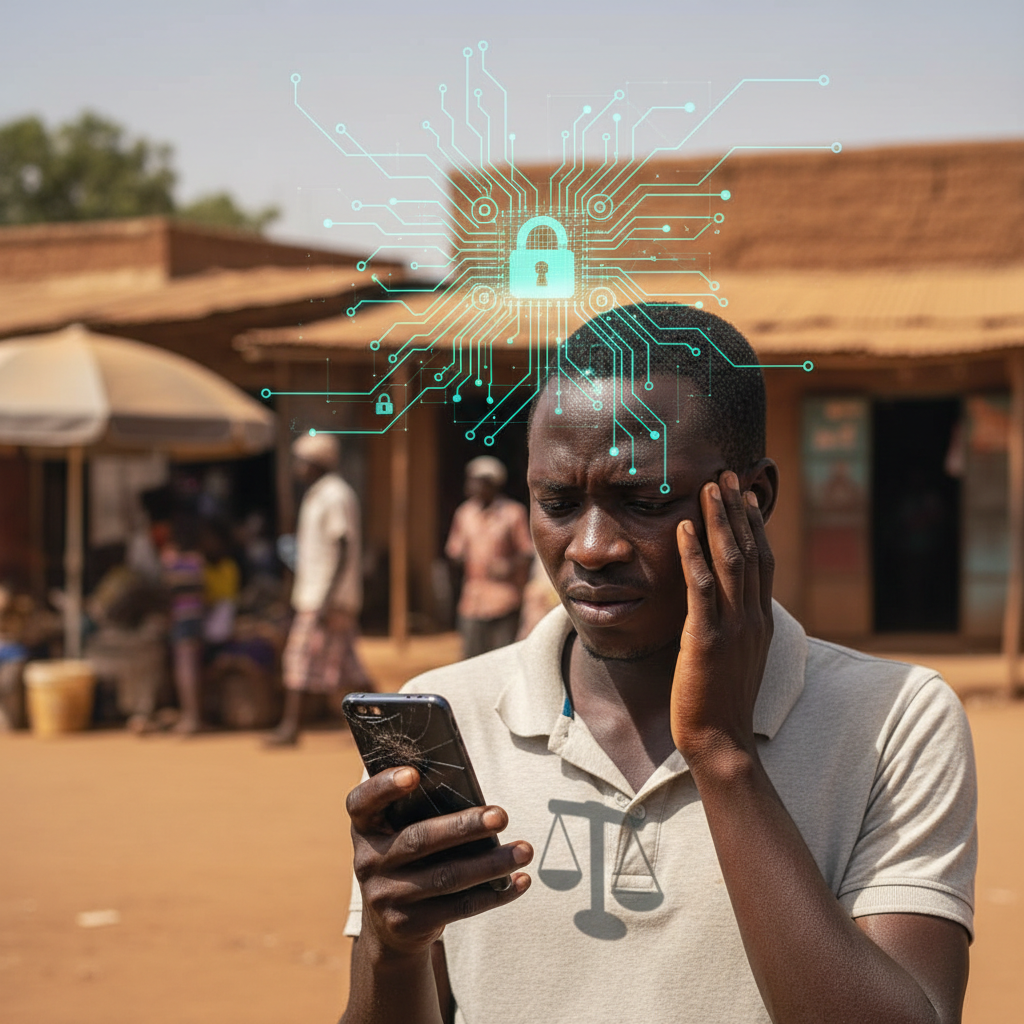
Then there is the issue of access and infrastructure. Virtual try-on technologies, while impressive, require high-speed internet, powerful computing devices, and sophisticated 3D scanning capabilities. In many parts of Guinea, and indeed across much of Africa, reliable internet access remains a luxury, not a given. The digital infrastructure simply does not exist to support widespread adoption of these tools among local businesses. How can a small tailor in the Kankan market, whose artistry is passed down through generations, compete with a global brand offering a virtual fitting room, when they struggle with consistent electricity, let alone fiber optic broadband? The gap widens, creating an insurmountable barrier to entry for those who could benefit most from technological advancement, if only it were accessible and appropriate.
Anticipating the counterargument, some might suggest that these technologies will eventually trickle down, or that African entrepreneurs can adapt and leverage these tools. They might point to initiatives by tech giants to expand internet access or offer AI training programs. Indeed, Google has made strides in expanding its digital skills initiatives across the continent, and companies like NVIDIA are pushing for more localized AI development. However, the pace of this trickle-down effect is glacial, and the fundamental power dynamics remain unchanged. The tools are designed elsewhere, for other markets, and then retrofitted for African contexts, often without true understanding of local needs or cultural sensitivities. This is akin to offering a sophisticated medical scanner to a village without a trained doctor or even a reliable power source; the technology is impressive, but its utility is severely limited by the surrounding ecosystem.
The devil is in the details, as they say. The promise of sustainable design through AI is particularly alluring, given the global climate crisis. AI can optimize fabric cutting to minimize waste, track ethical sourcing, and even simulate the environmental impact of different design choices. This is commendable. However, the fashion industry's sustainability problem is not solely a design or production efficiency issue; it is fundamentally a problem of overconsumption driven by fast fashion. AI, by making trend prediction more accurate and production more efficient, risks exacerbating this very problem, accelerating the consumption cycle rather than slowing it down. If AI helps brands produce more precisely what consumers want, it might reduce some waste, but it does not address the underlying impulse to constantly buy new items, often at the expense of quality and longevity. The true sustainable solution lies in reducing overall consumption, valuing craftsmanship, and embracing circular economies, principles that are often at odds with the current AI-driven fast fashion paradigm.
What then, is the path forward for African fashion in this AI-dominated landscape? We must not reject technology outright, but rather demand its ethical and equitable application. We need AI that is trained on diverse datasets, reflecting the rich cultural heritage of Africa. We need infrastructure development that prioritizes access for small and medium-sized enterprises. We need investment in local AI innovation, empowering African developers to build tools that serve our unique needs and celebrate our distinct identities. This is not merely about adopting technology; it is about reclaiming agency in a global industry that too often overlooks or appropriates our contributions.
As I reflect on the vibrant colors and intricate patterns of the fabrics sold daily in the Marché du Niger, I see not just textiles, but stories, heritage, and economic livelihoods. The global AI fashion narrative must evolve beyond a Western-centric, efficiency-driven model. It must embrace true inclusivity, recognizing that the future of fashion, and indeed of humanity, depends on valuing diversity, supporting local economies, and building technology that genuinely empowers all, not just a privileged few. Otherwise, this AI revolution risks becoming another chapter in the long history of technological advancements that deepen existing inequalities, leaving our artisans in the digital dust. The question remains: will the fashion world listen, or will it continue to weave a future that excludes the very threads that make its tapestry truly rich?
For more on the intersection of AI and global development, consider exploring analyses on MIT Technology Review. The ethical implications of AI in various industries are also frequently discussed on Wired. Furthermore, the business impact of AI on industries like fashion is often covered by Reuters Technology.