The digital landscape, particularly the vast expanse of YouTube, has long been a battleground for attention, creativity, and increasingly, algorithmic supremacy. In this arena, the recent pronouncements from YouTube's CEO, Neal Mohan, regarding the platform's aggressive push into AI-powered content creation tools, warrant a rigorous examination. Mohan, who ascended to the top role at YouTube in February 2023, has been a vocal proponent of AI's transformative potential, framing it as an empowering force for the global creator economy. But as a journalist who has spent years observing the often-disparate promises and realities of technology in our part of the world, I find myself asking: what does this truly mean for the millions of creators, from Colombo to California, who rely on YouTube for their livelihoods?
Mohan's vision, frequently articulated in public statements and interviews, positions AI as a democratizing agent. He envisions a future where complex video production, once the domain of well-funded studios, becomes accessible to anyone with an idea. “AI will empower creators to do things they never thought possible, to unlock new forms of creativity and storytelling,” Mohan stated in a recent blog post, emphasizing tools like Dream Screen for generating AI backgrounds and AI-powered dubbing for global reach. This narrative is compelling, particularly in a country like Sri Lanka, where access to high-end production equipment remains a significant barrier for many aspiring content creators.
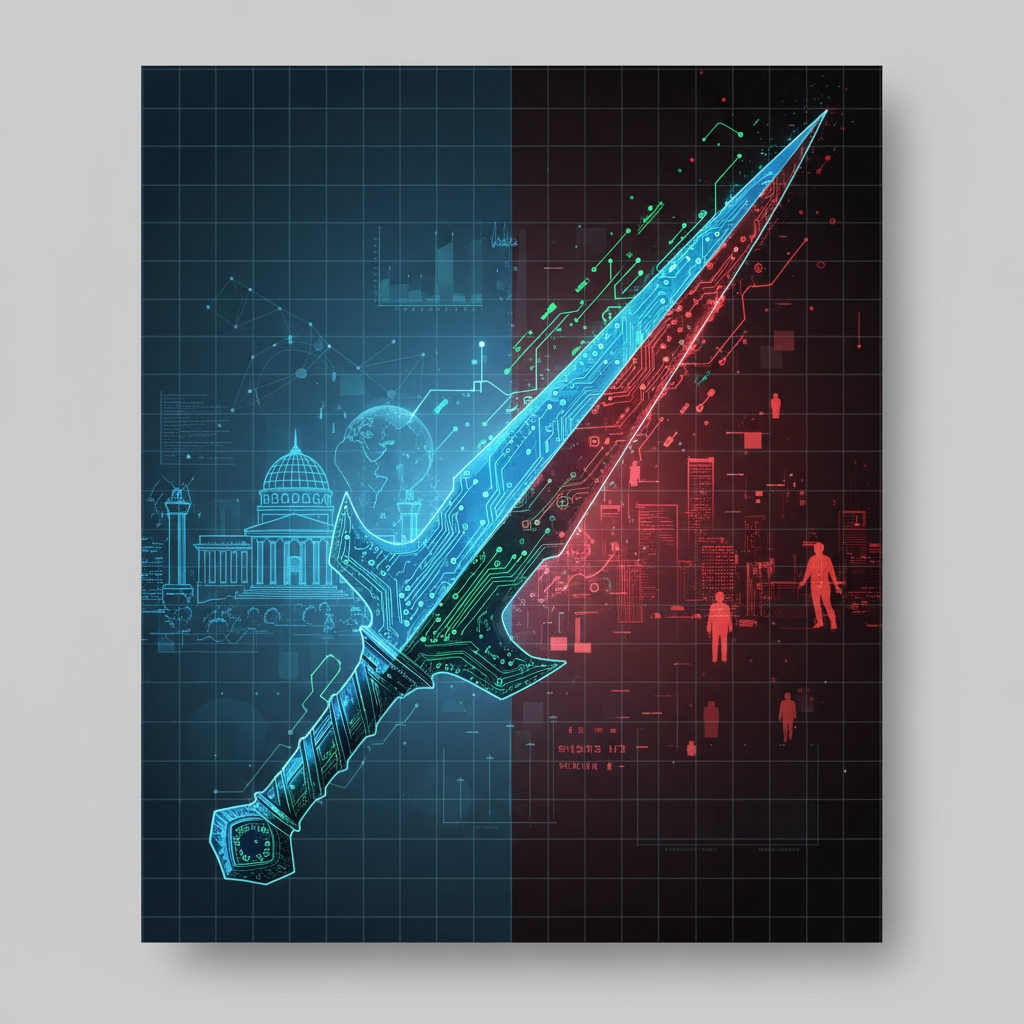
However, the enthusiasm surrounding these AI tools often glosses over critical questions of authenticity, intellectual property, and the potential for a race to the bottom in content quality. Will the proliferation of AI-generated content dilute the value of human-made work? Will the algorithms favor perfectly optimized, AI-assisted videos over raw, authentic storytelling? These are not trivial concerns; they strike at the very heart of what makes platforms like YouTube valuable to both creators and viewers.
I've been tracking this for months, observing the gradual rollout of features like YouTube Create, which offers editing, captioning, and music tools, and the more advanced generative AI capabilities being tested. While the convenience is undeniable, the implications are far-reaching. Consider the case of a young Sri Lankan artist, perhaps from Kandy, who painstakingly crafts stop-motion animation. Will their unique, labor-intensive art be overshadowed by an AI that can generate similar visuals in seconds? The promises don't match the reality if human ingenuity is ultimately devalued.
Mohan’s background, with a long tenure at Google and a significant role in developing advertising products, provides context for his strategic direction. He was instrumental in building YouTube Shorts and integrating shopping features, always with an eye towards monetization and scale. This commercial imperative, while understandable for a global platform, often clashes with the nuanced needs of individual creators. The push for AI tools, therefore, can be seen not just as a creative boon, but also as a mechanism to further streamline content production, potentially increasing output and, by extension, advertising inventory.
In a conversation with Bloomberg Technology earlier this year, Mohan reiterated YouTube’s commitment to responsible AI development, acknowledging the need for safeguards. “We’re building these tools with creators, not just for them, and we’re focused on transparency and attribution,” he said. Yet, the specifics of these safeguards often remain vague. How will YouTube differentiate between AI-assisted content and purely AI-generated content? What mechanisms will be in place to prevent misuse, such as the creation of deepfakes or the propagation of misinformation, issues that have already plagued social media platforms globally, including those used extensively in Sri Lanka?
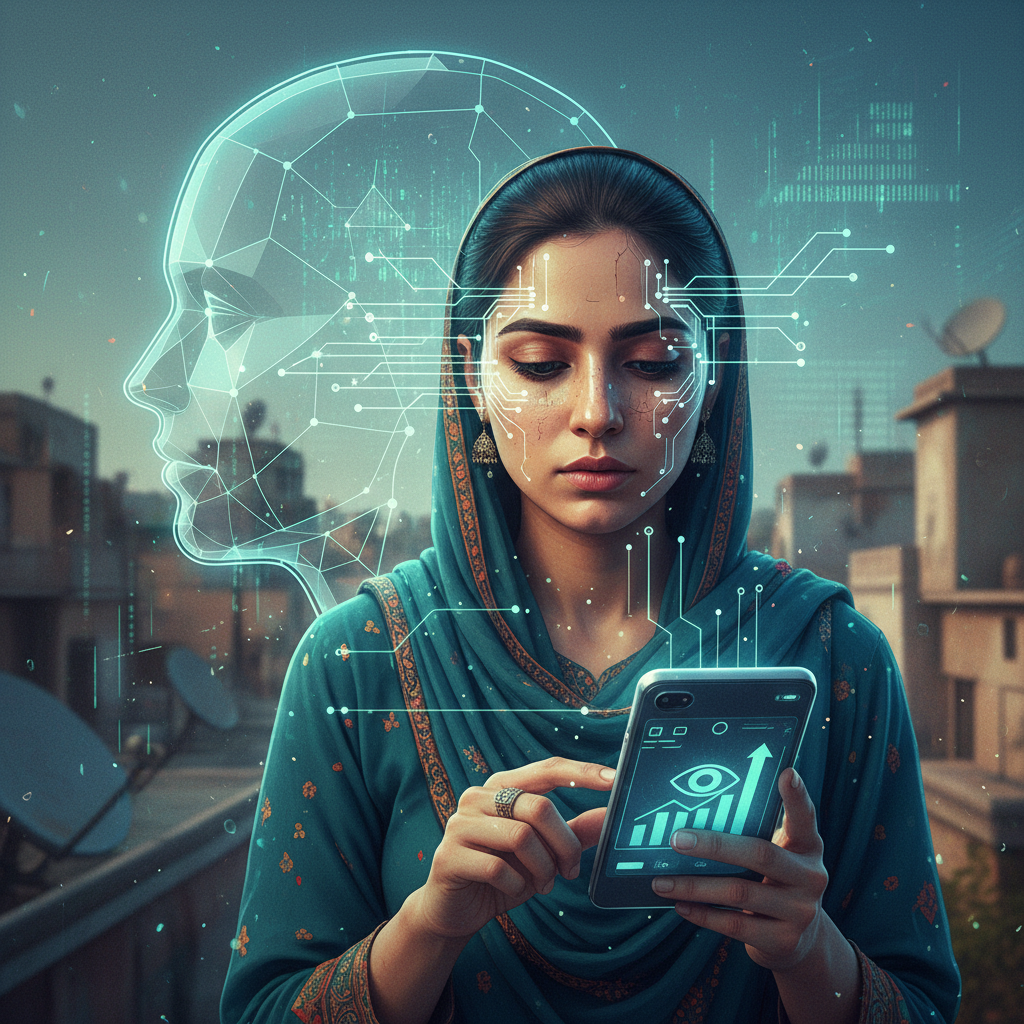
Here's what the data actually shows: while AI tools can indeed lower the bar for entry into content creation, they also raise the bar for standing out. As the volume of AI-generated content increases, the premium on truly unique, human-driven narratives will likely grow. This creates a dichotomy: AI can help you start, but it might also make it harder to succeed meaningfully. For creators in emerging markets, where resources are already scarce, this could mean an even more competitive landscape.
Take for instance the burgeoning Sinhala and Tamil language content creators. AI-powered dubbing could theoretically expand their audience globally, but will the nuances of local humor, cultural references, and linguistic subtleties truly translate? Or will it result in a homogenized, generic output that loses its original charm? The fear is that AI, while offering reach, might inadvertently strip away the very cultural specificity that makes content unique and relatable to local audiences.
Moreover, the economic model remains a significant concern. If AI drastically reduces the time and effort required to produce content, will advertisers pay less for views, assuming a lower cost of production? This could depress creator incomes, particularly for those who have invested years in honing their craft. The promise of “more content, faster” must be balanced against the sustainability of a creator’s livelihood. The digital economy in Sri Lanka, much like its traditional counterparts, is sensitive to such shifts.
Mohan’s vision for AI on YouTube is undeniably ambitious, aiming to keep the platform at the forefront of digital media. He sees AI as a natural extension of YouTube’s mission to give everyone a voice. “We want to empower the next generation of storytellers, regardless of their technical expertise,” he has stated, painting a picture of a vibrant, diverse ecosystem. However, the path to this utopia is fraught with challenges. The ethical implications, the potential for job displacement, and the subtle erosion of human creativity are not mere footnotes; they are central to the discourse.
As YouTube continues to integrate these powerful AI tools, the onus is on the platform to ensure that the benefits genuinely accrue to the creators, not just the algorithms. Transparency, robust ethical guidelines, and a clear understanding of the economic impact on diverse creator communities are paramount. Otherwise, what appears to be a creative revolution might simply become another layer of automation, further distancing creators from the fruits of their labor. The future of content creation, particularly for those in regions like ours, depends on a more critical, less celebratory, assessment of these technological advancements. For further insights into the broader implications of AI on creative industries, one might consider the ongoing discussions at Wired or TechCrunch. The conversation is far from over, and the real impact is yet to be fully understood. Perhaps a deeper dive into how AI is shaping other creative fields, such as in Microsoft's GitHub Copilot: Is It Building Bridges or Walls for Eswatini's Aspiring Coders? [blocked], could offer parallel insights into the promises and pitfalls of AI assistance.