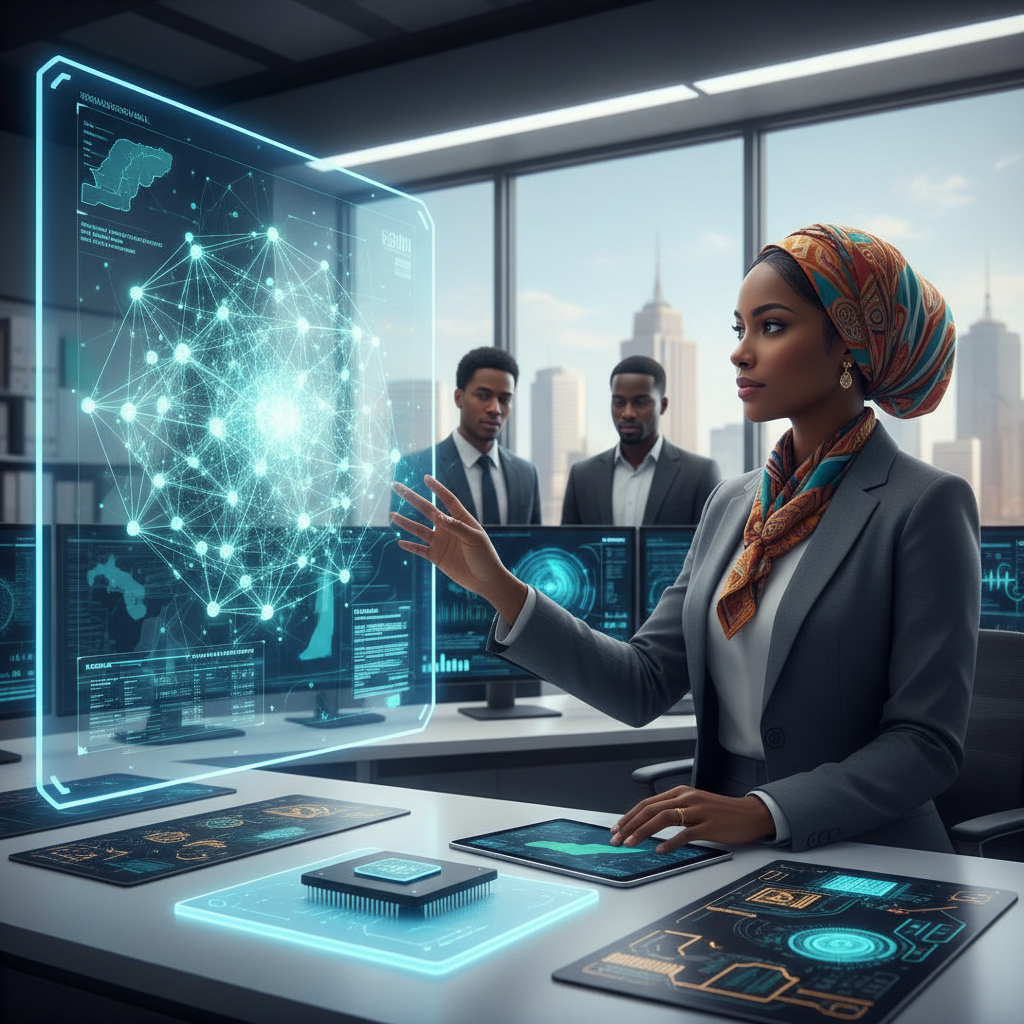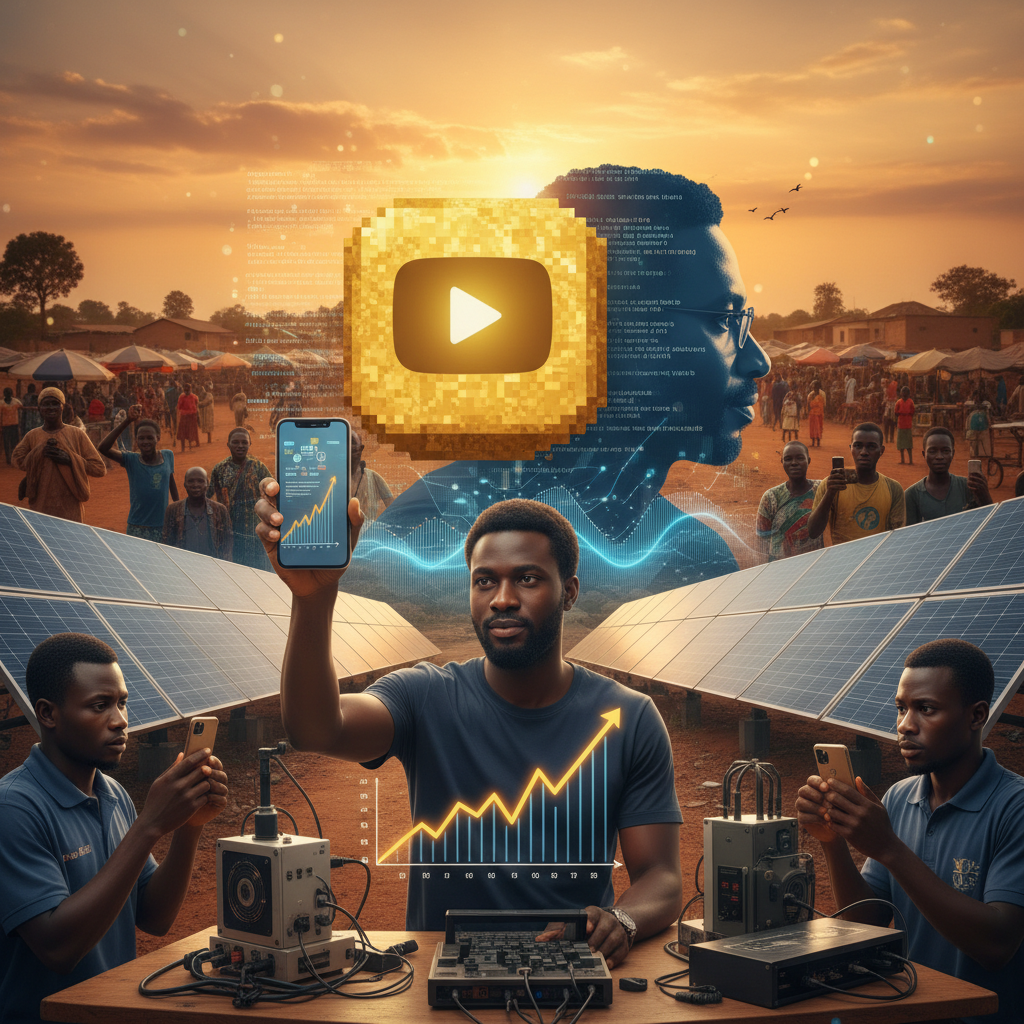
The digital world, my friends, is a marketplace of ideas, a vibrant kente cloth woven from countless voices. For years, platforms like YouTube have been the town square, the durbar ground where stories are shared, talents showcased, and livelihoods forged. But now, a new force is reshaping this landscape: Artificial Intelligence. YouTube, under Google's vast umbrella, has been rolling out a suite of AI-powered content creation tools, promising to democratize production and amplify reach. From automated video editing to AI-generated scripts and voiceovers, the buzz is undeniable. Yet, here in Ghana, as we watch these developments unfold, a crucial question echoes in my mind: Will these tools truly empower our creators, or will they simply deepen existing inequalities, leaving many behind in the dust of innovation?
I have seen the excitement, the eager discussions among young Ghanaian YouTubers at the Accra Digital Centre. They talk about how AI can help them overcome resource limitations, speed up editing, and even translate their content into multiple languages to reach a wider audience. This is the promise, the alluring vision of a level playing field where talent, not just capital, reigns supreme. Imagine a young filmmaker in Kumasi, with a brilliant story to tell, using AI to enhance production quality that would otherwise be out of reach. Or a musician in Tamale, leveraging AI to generate intricate backing tracks, freeing them to focus on their unique vocal artistry. These are not pipe dreams; these are the immediate applications being touted by Google and other tech giants.
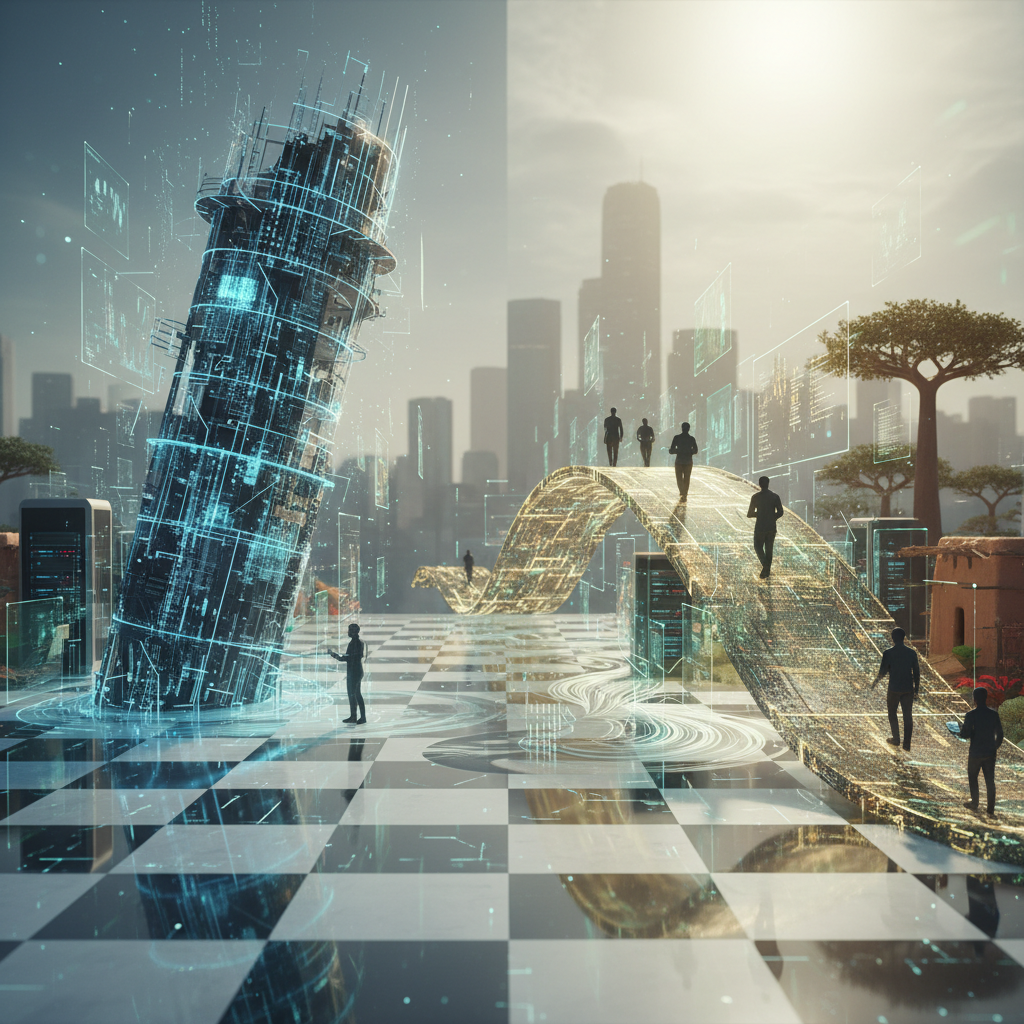
However, we need to talk about this. The Adinkra symbol Sankofa reminds us to 'go back and get it,' to learn from the past. And the past tells us that technology, while offering immense potential, often exacerbates existing disparities if not carefully managed. The digital divide is not just about internet access; it is about access to tools, knowledge, and equitable monetization. For many Ghanaian creators, the cost of high-end computing power needed to run sophisticated AI models, or even the data costs to upload and process large AI-generated files, remains a significant barrier. Moreover, the training data for many of these AI models is predominantly Western, raising concerns about cultural bias and the potential for AI to homogenize content, rather than celebrate its diversity.
“The excitement is real, but so are the challenges,” says Dr. Ama Owusu, a leading researcher in digital media at the University of Ghana. “While AI can certainly assist with repetitive tasks, the nuanced understanding of Ghanaian culture, our storytelling traditions, our humor, our music scales, these are things AI is still struggling with. If the AI tools are not trained on diverse, culturally rich datasets from places like Ghana, they risk producing content that is generic, or worse, culturally inaccurate. This affects every single one of us, because it impacts how our stories are told to the world.” Her words resonate deeply with me, echoing a fear that our unique narratives might be flattened by algorithms designed elsewhere.
Consider the monetization aspect. YouTube’s Partner Program is already a complex beast, with algorithms dictating discoverability and ad revenue. If AI-generated content floods the platform, how will human-created, original content compete? Will the algorithms favor quantity over quality, or efficiency over authenticity? A recent report by Reuters highlighted how AI is already transforming advertising models, which directly impacts creator earnings. This is not just about making videos; it is about making a living.
Then there is the issue of intellectual property. Who owns the content generated by AI, especially if it draws inspiration, or even direct elements, from existing human works? This is a legal and ethical minefield that platforms like YouTube and Google are still navigating. For a creator in Ghana, without robust legal frameworks or access to expensive intellectual property lawyers, asserting ownership or seeking redress for AI misuse could be an insurmountable task. The Ananse spider, our trickster hero, teaches us about cleverness, but also about the consequences of unchecked ambition. We must ensure that AI's cleverness serves humanity, not exploits it.
“We’ve seen a 30% increase in content output from creators experimenting with AI tools on YouTube in the last six months alone,” notes Kwesi Boateng, a community manager for a major YouTube creator network in West Africa. “But the engagement metrics for purely AI-generated content are often lower. Audiences still crave that human touch, that authenticity. The sweet spot seems to be human creativity augmented by AI, not replaced by it.” This insight is crucial. It suggests that while AI can be a powerful assistant, the soul of content creation, particularly cultural content, remains firmly in human hands. The challenge then becomes how to equip our creators with the skills to effectively wield these tools, rather than be overwhelmed by them.
Organizations like the Ghana Association of Content Creators are already pushing for training programs and workshops focused on AI literacy for their members. They understand that silence is complicity when it comes to shaping the future of digital creation. They are advocating for platforms like YouTube to invest in local language models and culturally relevant AI tools, ensuring that the technology reflects the diversity of its global user base. Imagine an AI that truly understands Twi proverbs, or can generate high-quality Adowa dance animations. That is the kind of localized innovation we need.
Furthermore, the environmental impact of these AI tools cannot be ignored. Training and running large AI models consume vast amounts of energy, contributing to carbon emissions. As a continent already disproportionately affected by climate change, we must ask if the benefits outweigh the environmental costs, and push for more sustainable AI development practices. This is a global conversation, but it hits particularly close to home for us.
Ultimately, YouTube's AI-powered tools present a crossroads. They offer an unprecedented opportunity to democratize content creation and amplify diverse voices, including those from Ghana and across Africa. Yet, they also carry the risk of deepening existing digital divides, eroding cultural authenticity, and creating new ethical dilemmas. For Sundar Pichai and the leadership at Google, the onus is on them to ensure these powerful tools are developed and deployed with equity and inclusion at their core. For us, the creators and consumers, the responsibility lies in demanding better, in advocating for tools that truly serve our communities, and in continuing to tell our stories with the unique nkra or soul that only humans can provide. The future of our digital narratives depends on it. For more on the broader implications of AI in creative fields, you might find this Wired article insightful. We must ensure that as the digital world evolves, our voices are not just heard, but truly understood and valued. The conversation has just begun.```