
Let's be brutally honest. Most people are still stuck on ChatGPT. They see AI as a fancy text generator, a digital scribe, or maybe a slightly better search engine. They're missing the forest for a single, albeit impressive, tree. The real revolution, the one that will fundamentally rewire our lives, our jobs, and our very perception of reality, is multimodal AI. And if you think this is some abstract Silicon Valley fantasy, you haven't been paying attention to Seoul.
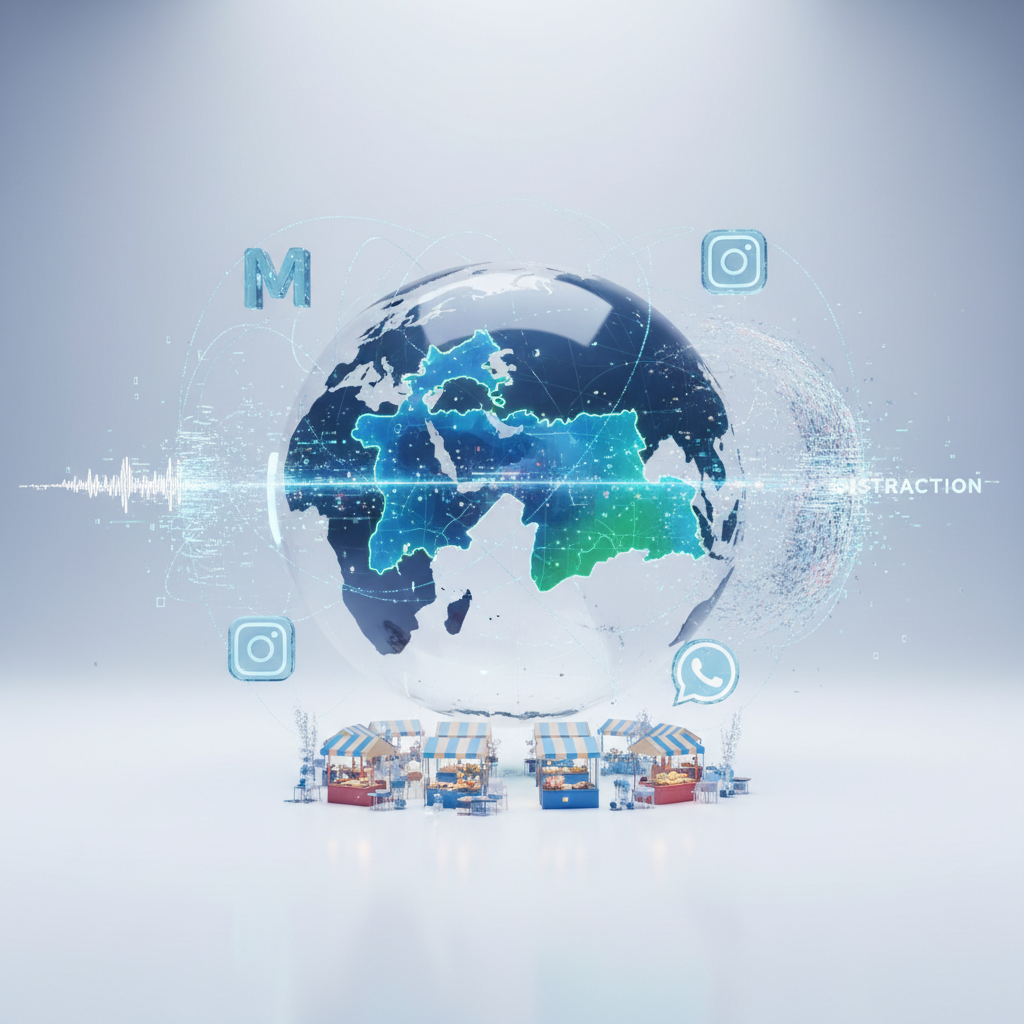
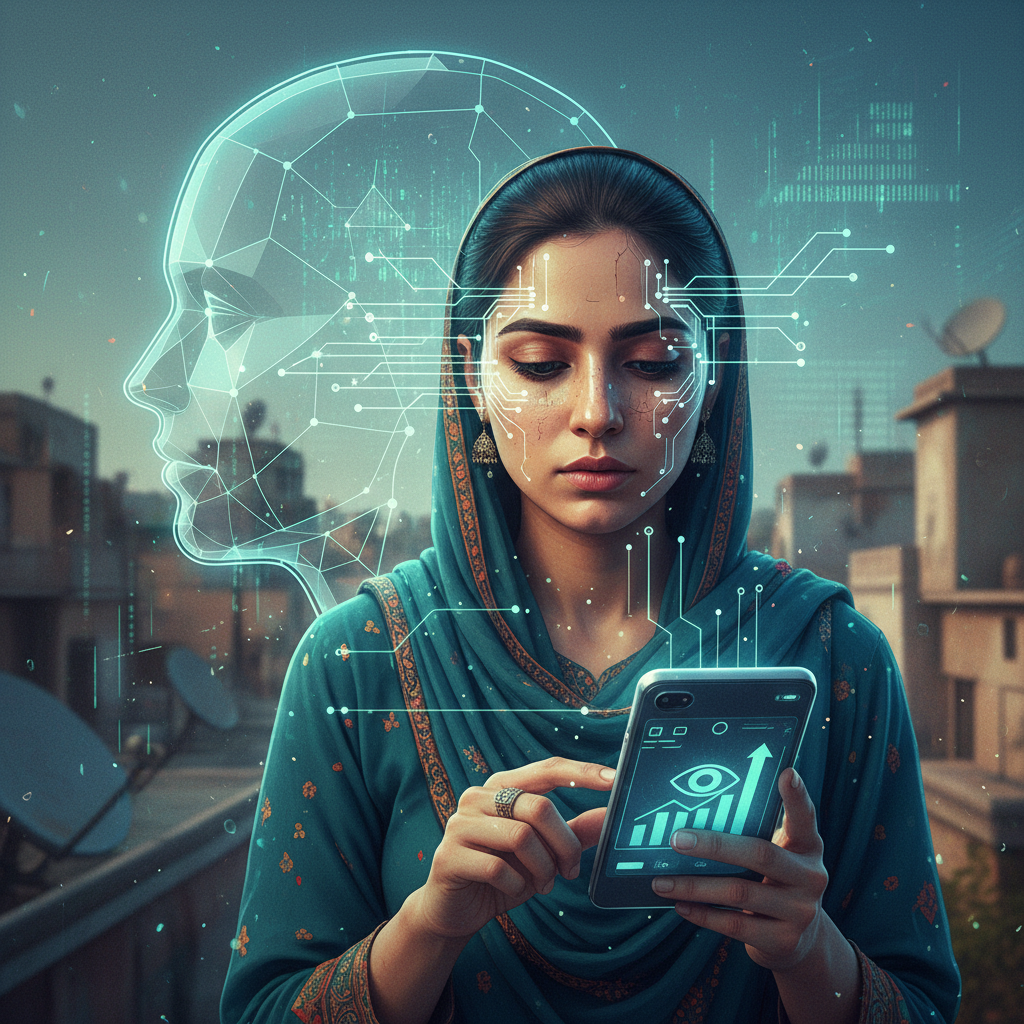
Multimodal AI is not just about processing one type of data, like text or images. It's about an AI that can simultaneously interpret vision, audio, video, and even other sensory inputs, then synthesize that information to understand context and respond in a far more human-like way. Imagine an AI that doesn't just recognize your face, but also understands the nuanced tone in your voice, the subtle shift in your posture, and the environment around you, all at once. This isn't science fiction anymore. It's here, and it's evolving at a terrifying pace.
Why Most People Are Ignoring It
The attention gap here is frankly astounding. We're bombarded with headlines about new large language models, their latest benchmarks, and the occasional AI-generated art scandal. But the quiet, relentless progress in multimodal capabilities often gets relegated to academic papers or niche tech blogs. Why? Because it's harder to grasp, harder to sensationalize in a soundbite. It's not a single, flashy product launch. It's a foundational shift, like the internet moving from text to images, then to video, but all happening inside the AI's 'brain' simultaneously. People are still arguing about whether AI can write a decent poem, while companies like Samsung and LG, along with countless Korean startups, are quietly embedding AI that can see your home, hear your commands, and understand your intent from multiple angles into your next refrigerator or robot vacuum. Everyone's wrong about this, underestimating its immediate impact.
How It Affects YOU
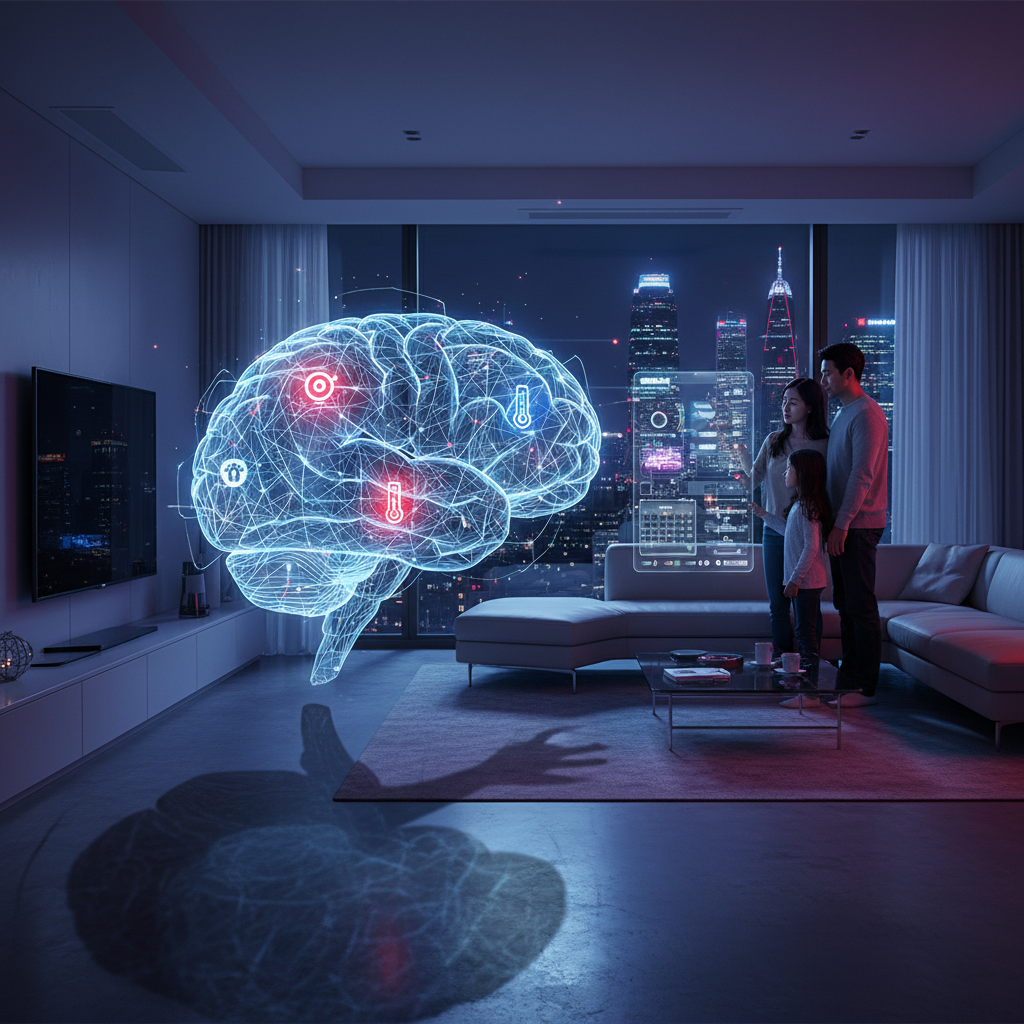
This isn't some distant future scenario. Multimodal AI is already creeping into your daily life, and it's only going to accelerate. Think about your smart home devices. Right now, your smart speaker hears your voice, your security camera sees motion, and your thermostat senses temperature. They operate in silos. A multimodal AI system, however, could watch your child's feverish face, listen to their cough, and then automatically adjust the room temperature while simultaneously alerting you and suggesting a doctor's appointment. Convenient? Absolutely. Intrusive? Potentially, yes. Your privacy, your autonomy, and even your emotional well-being will be under the algorithmic microscope like never before. From personalized health monitoring that truly understands your symptoms, not just your words, to hyper-realistic virtual companions that can read your expressions and respond empathetically, the line between technology and human interaction is blurring. The K-wave is coming for AI too, and it will be deeply personal.
Consider healthcare, a sector ripe for disruption. A multimodal diagnostic AI could analyze a patient's medical images, listen to their heart and lung sounds, process their medical history, and even observe their gait or facial expressions during an interview, all to provide a more accurate diagnosis than a human doctor might achieve alone. This isn't just about efficiency; it's about potentially saving lives. But what happens when the AI makes a mistake? Who is accountable when a system designed to see and hear everything misinterprets a subtle cue?
The Bigger Picture
The societal and economic implications are staggering. South Korea, with its hyper-connected infrastructure and a population deeply integrated with technology, is a prime testing ground. Our elderly population, for example, could benefit immensely from multimodal AI companions that can detect falls, monitor vital signs, and provide emotional support by understanding their nuanced needs. But this also raises profound ethical questions about surveillance, data ownership, and the very definition of care. Will these systems be accessible to everyone, or will they deepen the digital divide?
Economically, the country that masters multimodal AI will hold immense power. From advanced robotics that can navigate complex environments and perform intricate tasks, to entertainment experiences that are so immersive they blur reality, the market opportunities are colossal. Korean companies are pouring billions into this space, recognizing its strategic importance. The global competition, particularly with the US and China, is fierce. Whoever controls the most sophisticated multimodal models will dictate much of the future of industry, defense, and even culture.
What Experts Are Saying
"The leap from unimodal to multimodal AI is not incremental; it's exponential," states Dr. Ji-Hoon Park, Director of the AI Ethics Research Institute at Kaist. "We're moving from AI that understands 'what' to AI that understands 'why' and 'how' in real-world contexts. This demands a complete rethink of our regulatory frameworks, especially concerning data privacy and bias in sensory perception." His concern is palpable, and rightly so.
Ms. Lena Kim, CEO of 'Visionary AI Labs,' a Seoul-based startup specializing in multimodal healthcare solutions, offers a more optimistic view. "We're developing systems that can detect early signs of neurological disorders by analyzing speech patterns, eye movements, and even subtle tremors in video. The potential for preventative medicine is revolutionary. Our work is about augmenting human capabilities, not replacing them." She emphasizes the assistive nature of their technology.
However, Professor Min-Jae Lee, a legal scholar at Korea University specializing in cyber law, warns, "The current legal landscape is woefully unprepared for multimodal AI. How do you define consent when an AI is constantly observing and interpreting your non-verbal cues? What constitutes a 'right to be forgotten' when sensory data is fused and processed in complex ways? Seoul has a different answer to these questions, but we need to move faster." His points highlight the urgent need for robust legal frameworks.
And from the private sector, Mr. Sang-Woo Choi, Head of AI Research at LG Electronics, recently commented, "Our goal is to create truly intelligent home appliances that understand the user's environment and needs intuitively. Multimodal AI is the key to achieving this, allowing our products to not just react, but to anticipate. We anticipate a 30% increase in smart home device adoption directly attributable to these advanced capabilities by 2028." The industry is clearly all-in.
What You Can Do About It
Don't just consume the technology; understand it. Ask questions about how your smart devices collect and process data. Demand transparency from companies. Support policies that prioritize ethical AI development and robust data privacy. Educate yourself on the capabilities and limitations of these systems. Your voice, even if it's just one among millions, can influence the direction of this technology. Participate in public discourse, read up on the latest developments, and challenge the narratives presented by both corporations and doomsayers. Your digital literacy is your best defense and your most powerful tool.
The Bottom Line
Multimodal AI is not just another feature; it's a paradigm shift. It's the moment AI truly steps out of the digital realm and into our physical world, interacting with it and understanding it in ways that were once confined to science fiction. In five years, the devices you interact with, from your car to your refrigerator, will not just respond to your commands, but will proactively anticipate your needs based on a holistic understanding of your environment, your behavior, and your emotional state. This will bring unprecedented convenience, but also unprecedented challenges to privacy, security, and even our understanding of what it means to be human. The stakes are incredibly high, and ignoring this fundamental change is a luxury none of us can afford. This is not just about technology; it's about the future of our society, and South Korea is at its very heart. For more insights into the broader implications of AI in healthcare, you might want to read about Australia's new rules for autonomous healthcare agents [blocked], which touches on similar ethical dilemmas. Keep an eye on MIT Technology Review for in-depth analysis on these complex topics. The future is watching, and listening, to us all. And it's learning. Fast.