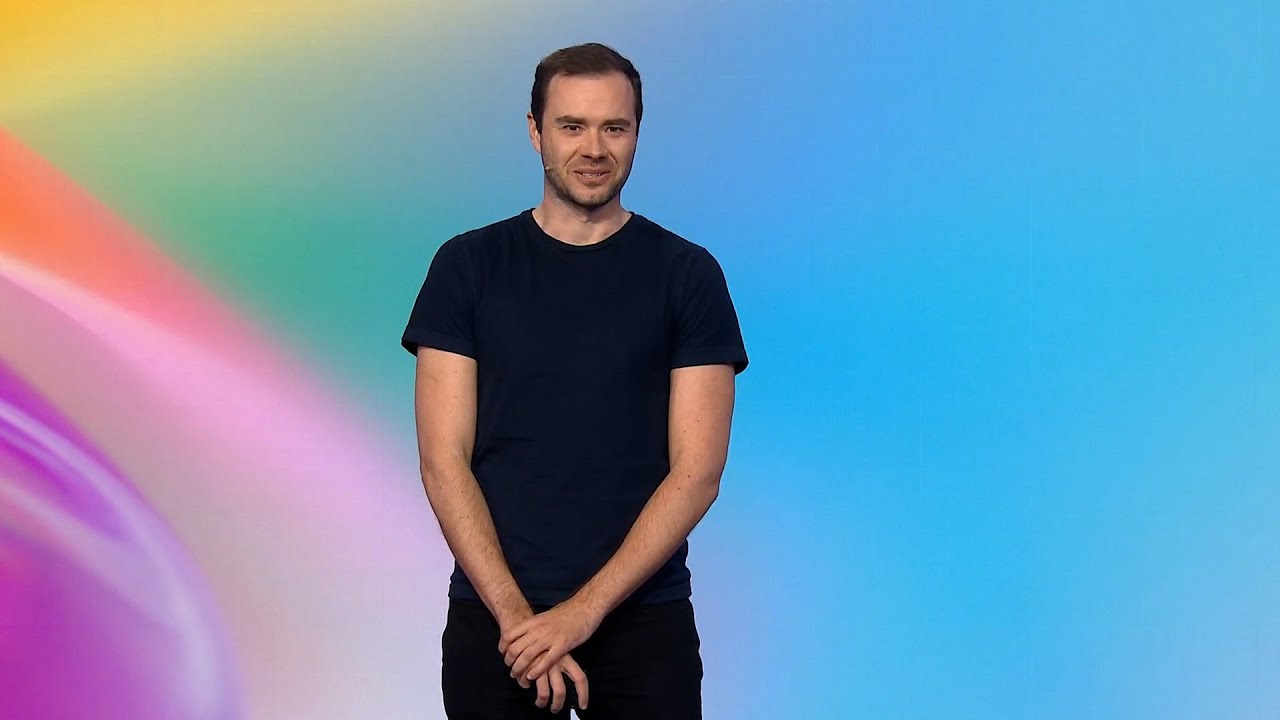
The world watched, fascinated, as Mark Zuckerberg declared Meta's grand pivot from the immersive, albeit costly, metaverse to the blistering pace of artificial intelligence. It was a strategic calculus, a move that sent ripples across the tech industry, shifting billions in investment and countless hours of developer focus. But here in Eswatini, a tiny kingdom nestled in Southern Africa, our thoughts often turn to a different kind of calculation: what does this global AI race mean for us, for our languages, our cultures, and our unique ways of seeing the world?
It is easy for the grand narratives of Silicon Valley to overshadow the quiet innovations happening in places like Mbabane, our capital. Yet, it is precisely in these overlooked corners that some of the most vital work is taking root. I recently spent time with the brilliant minds behind Luhle AI, a startup that embodies the spirit of 'a person is a person through other people' , and is ensuring Eswatini's linguistic heritage thrives in the age of generative AI.
The Seed of an Idea: A Founder's Journey
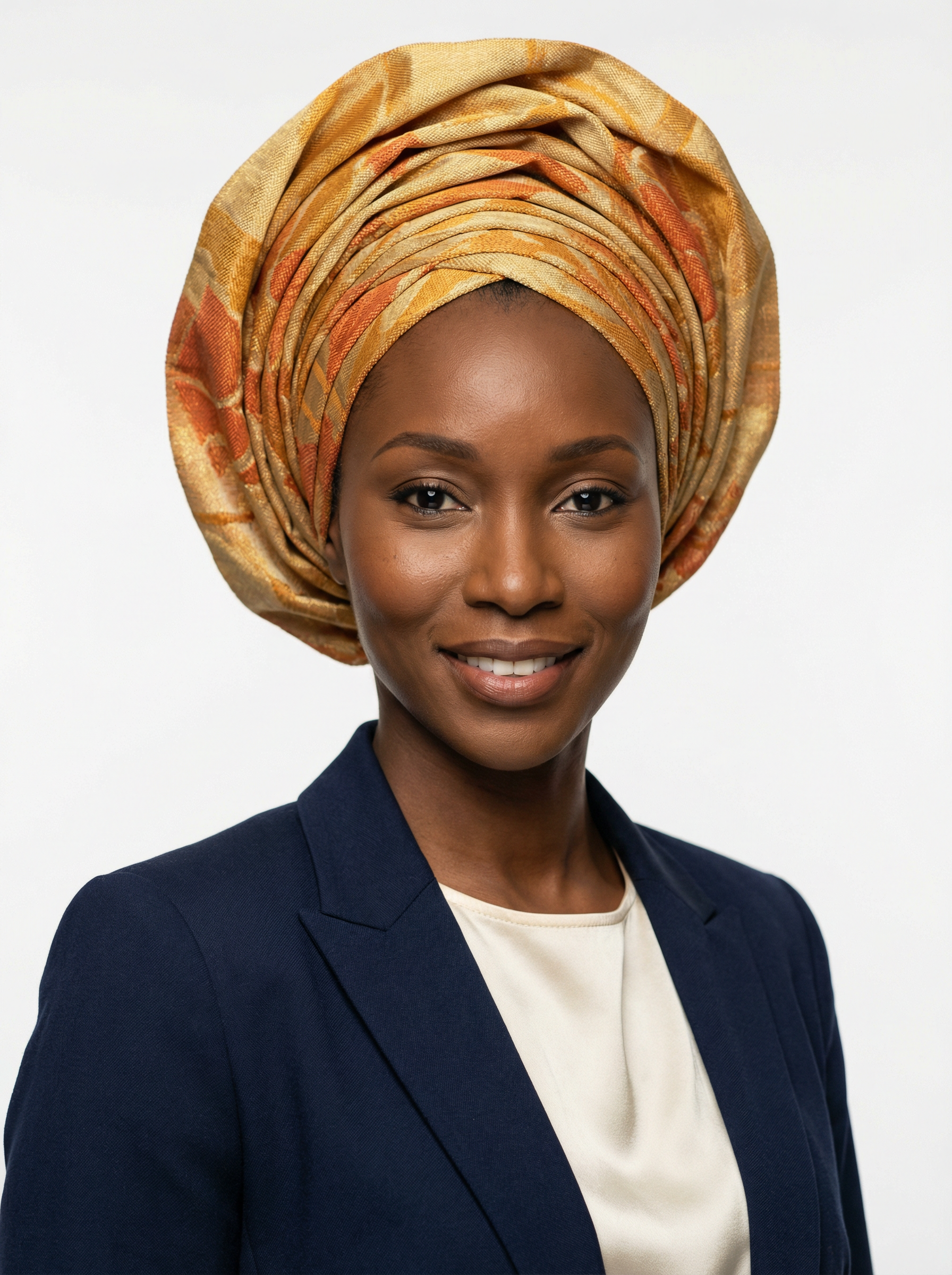
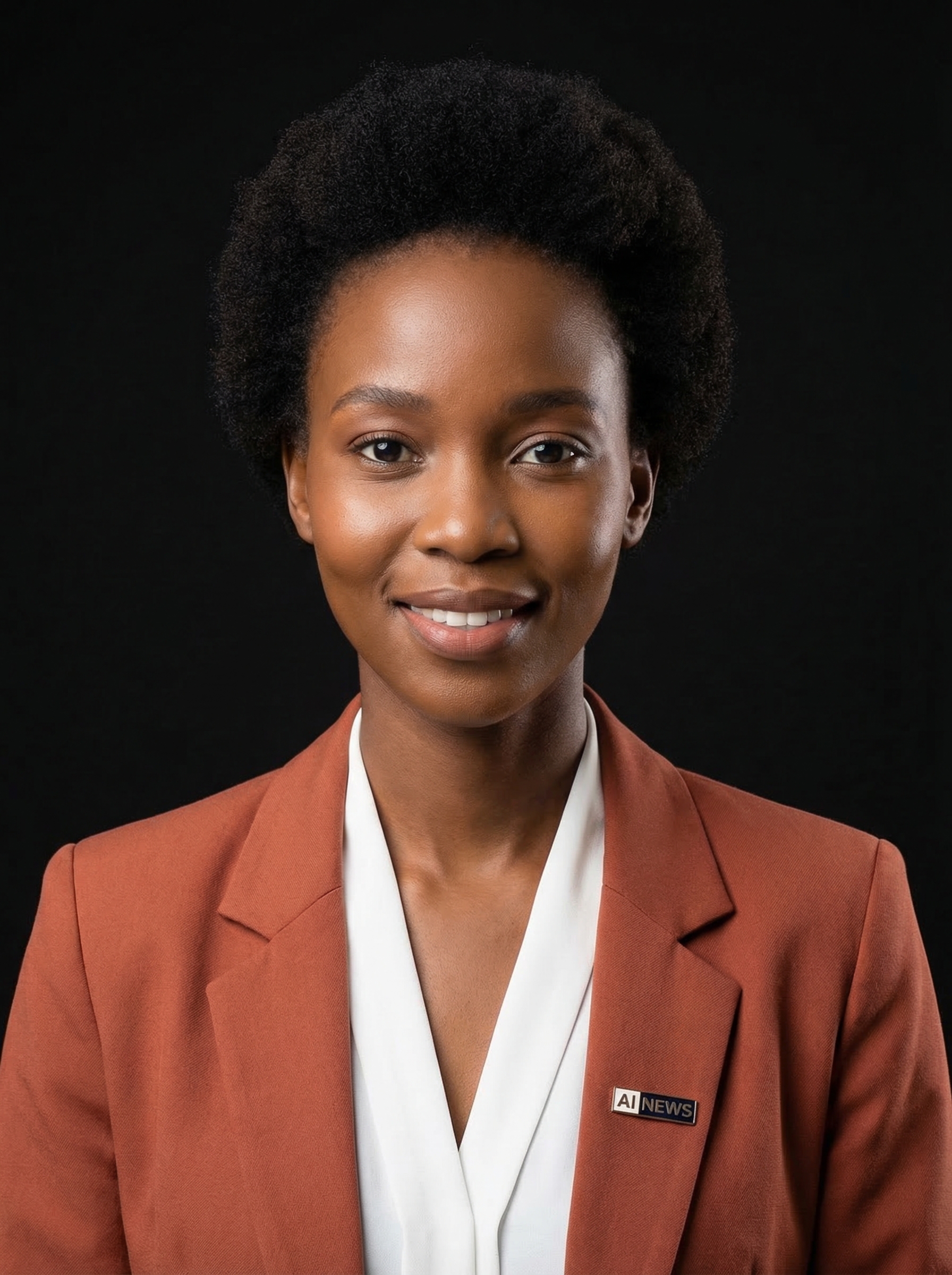
Meet Nompumelelo Dlamini, the visionary founder and CEO of Luhle AI. Nompumelelo, a name that means 'beautiful flower' in Siswati, grew up in the rural heartland of Eswatini, surrounded by the rich oral traditions of her people. She left our shores to study computer science at the University of Cape Town, then worked for a few years at a prominent tech firm in Johannesburg. But the pull of home, and a growing unease about the direction of global AI, brought her back.
"My 'aha moment' wasn't a sudden flash, but a slow burn," Nompumelelo told me, her eyes sparkling with passion. "I was working on large language models that could generate text in English, French, even Mandarin. But when I tried to make them understand a simple Siswati proverb, they were utterly lost. It was like they were deaf to the very sounds of my childhood. I realized then that if we didn't build our own, our languages, our stories, would become digital ghosts, invisible to the future of AI."
This realization struck her around the same time Zuckerberg was making his big announcement. While Meta was pouring resources into Llama models for widely spoken languages, Nompumelelo saw a gaping chasm for the world's less resourced tongues. She returned to Eswatini in late 2023, determined to bridge that gap.
The Problem They are Solving: AI for All Voices
The core problem Luhle AI is tackling is linguistic bias in large language models. Most powerful AI models today are trained predominantly on data from a handful of dominant languages, primarily English. This creates a significant disadvantage for speakers of other languages, limiting their access to AI's benefits in education, healthcare, and economic development. For a language like Siswati, spoken by roughly 1.3 million people, the risk of digital extinction is very real.
"Imagine a future where you cannot ask an AI assistant for medical advice in your mother tongue, or where your children cannot learn from AI tutors in Siswati," Nompumelelo explained, her voice tinged with urgency. "That's the future we are trying to prevent. We want AI to be a tool for cultural preservation, not assimilation."
The Technology: Building from the Ground Up
Luhle AI is not trying to build a foundation model from scratch like OpenAI or Google. That would be an impossible task for a small startup. Instead, they are focusing on fine-tuning and adapting existing open-source large language models, like Meta's Llama 2 and more recent iterations, for specific African languages, starting with Siswati. They are meticulously curating datasets of Siswati text and speech, working with linguists, educators, and local communities to gather high-quality, culturally relevant data.
Their approach involves several key steps:
- Data Collection and Annotation: They are digitizing historical texts, transcribing oral histories, and collecting contemporary written Siswati from local newspapers, government documents, and social media, all with proper consent and ethical guidelines. This is a painstaking process, but absolutely crucial for accuracy.
- Pre-training and Fine-tuning: Using these unique datasets, they are pre-training and fine-tuning open-source models. This teaches the AI the nuances of Siswati grammar, vocabulary, and idiomatic expressions.
- Community Validation: Luhle AI involves local Siswati speakers in the validation process, ensuring the AI's outputs are natural, culturally appropriate, and genuinely useful.
"We are not just translating, we are teaching the AI to think in Siswati," said Dr. Zanele Maseko, a senior linguist at the University of Eswatini, who collaborates closely with Luhle AI. "This requires a deep understanding of our oral traditions, our proverbs, and our unique storytelling structures. It is a monumental task, but Nompumelelo's team is doing it with remarkable dedication."
Market Opportunity and Funding
The market opportunity for locally relevant AI in Africa is immense, though often underestimated by global investors. There are over 2,000 distinct languages spoken on the continent, many of which are severely under-represented in current AI systems. Luhle AI's initial focus on Siswati is a proof of concept, a blueprint for expansion.
Their primary market segments include:
- Education: Developing AI tutors and learning tools that can interact with students in their mother tongue.
- Healthcare: Creating AI assistants that can help diagnose symptoms or provide health information in local languages, crucial for reaching remote communities.
- Government and Public Services: Enabling better communication between citizens and government through AI-powered chatbots and information services.
- Cultural Preservation: Building digital archives and interactive platforms that celebrate and teach indigenous languages and stories.
Luhle AI has successfully raised a seed round of $500,000 from local angel investors and a grant from the Eswatini National Research Council. They are currently in talks for a larger Series A round, targeting impact investors who understand the long-term value of linguistic diversity. "We are looking for partners who see beyond the immediate profit, who understand that empowering local languages is empowering entire communities," Nompumelelo stated.
Competitive Landscape: A Niche of Their Own
In the broader AI landscape, Luhle AI operates in a highly specialized niche. While giants like Meta, Google, and OpenAI are focused on scaling their models globally, their efforts often gloss over low-resource languages. There are a few other startups in Africa working on similar problems, such as NaijaHacks AI in Nigeria focusing on Yoruba and Igbo, or startups in Kenya developing Swahili models. However, Luhle AI's deep community engagement and specific focus on Siswati give them a unique advantage in Eswatini and potentially other Southern African languages.
Their competitive edge lies in their cultural authenticity and local expertise. They are not just technologists; they are members of the communities they serve. This allows them to build trust and gather data that external companies would struggle to access. "Our advantage is that we live and breathe Siswati," Nompumelelo said with a proud smile. "We understand the nuances that an algorithm trained on distant data simply cannot grasp."
What's Next for Luhle AI?
The immediate future for Luhle AI involves launching their first public-facing application: an AI-powered storytelling platform for children, where kids can interact with traditional Siswati folk tales and even create their own. This platform, slated for release in late 2026, aims to reignite interest in the language among younger generations.
They also plan to expand their linguistic efforts to other local languages in the region, such as Zulu and Xhosa, leveraging the methodological framework developed for Siswati. Nompumelelo envisions a future where Luhle AI becomes a hub for African linguistic AI development, a place where local experts build solutions for local problems.
Mark Zuckerberg's pivot to AI is a powerful reminder of the technology's transformative potential. But as the world rushes forward, it is crucial that we do not leave anyone behind. Luhle AI, with its humble beginnings in Eswatini, is a shining example of how local innovation, driven by a deep understanding of community and culture, can ensure that the AI revolution speaks to everyone, in every language. This tiny kingdom has big ideas about technology, and Luhle AI is proving that our voices, too, deserve to be heard by the machines of tomorrow. Their journey is a testament to the fact that true progress is inclusive, embracing all the beautiful variations of human expression. For more on the global impact of AI, you can explore articles on MIT Technology Review.