
Let's be honest, life in Bangkok is a beautiful, chaotic symphony. One minute you're stuck in traffic, questioning all your life choices, the next you're devouring street food so good it makes you forget your name. But beneath the smiles and the vibrant energy, there's a growing hum of modern stress, a quiet struggle that many in Thailand, like people everywhere, face. Mental health, once a hushed topic, is finally getting the spotlight it deserves. And guess who's trying to get in on the conversation? Our silicon overlords, of course.
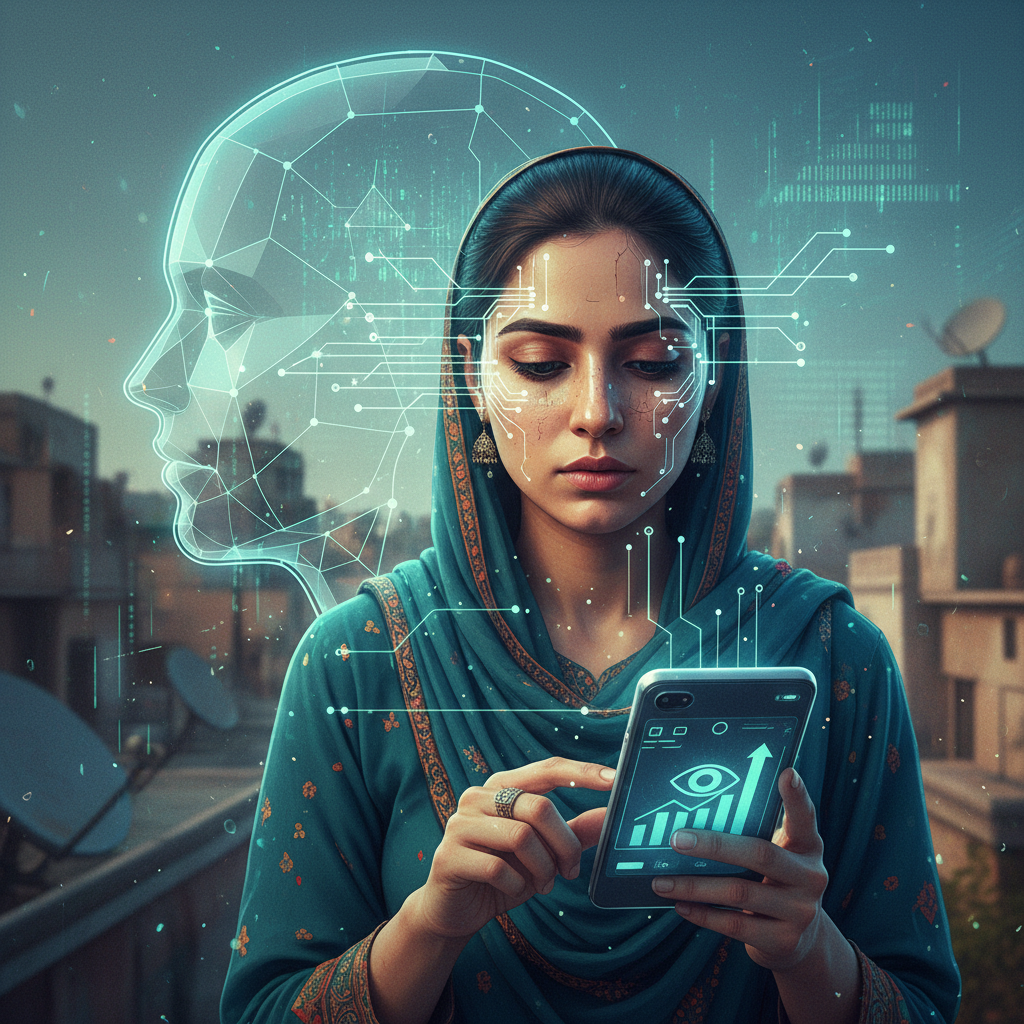
Recently, the boffins at Google DeepMind dropped some fascinating research that's got the digital wellness crowd buzzing. They're exploring how advanced AI models could be used not just for a quick chat, but for more structured, personalized mental health support. We're talking about algorithms designed to identify patterns in user input, offer evidence-based coping strategies, and even, dare I say, provide a semblance of empathetic listening. It's a bold step, moving beyond simple symptom tracking apps to something that aims for a deeper, more therapeutic interaction. The Land of Smiles has a new expression because it's called 'disruption', and it's coming for your psyche.
The core of their work, as detailed in recent pre-print publications and discussions at AI ethics conferences, revolves around fine-tuning large language models (LLMs) with vast datasets of therapeutic conversations and psychological literature. The goal isn't to replace human therapists entirely, at least not yet, but to create an accessible, scalable first line of defense or a supplementary tool. Imagine, if you will, being able to talk through your anxieties at 3 AM without having to wait for an appointment or worry about judgment. For a country like Thailand, where mental health resources can be stretched thin, especially in rural areas, this idea carries a certain allure.
Now, why does this matter to us, beyond the obvious global implications? Because the nuances of mental health are deeply cultural. What brings comfort in one society might fall flat, or even offend, in another. Thai culture, with its emphasis on kreng jai (deference and consideration for others), jai yen yen (cool heart, calm down), and the profound influence of Buddhism, approaches emotional well-being differently than, say, a Western individualistic society. Can an algorithm, no matter how sophisticated, truly grasp the subtle interplay of these values? That's the million-baht question, isn't it?
The technical wizardry behind this involves what DeepMind calls 'contextualized emotional reasoning' and 'adaptive conversational frameworks.' Essentially, the AI is trained to not just parrot back information, but to infer emotional states, adapt its tone, and guide users through cognitive behavioral therapy (CBT) or dialectical behavior therapy (DBT) inspired exercises. They're using reinforcement learning from human feedback (rlhf) to refine these models, ensuring that the AI's responses are not just grammatically correct, but also therapeutically sound and ethically aligned. It's a continuous dance between data, algorithms, and human oversight. You can read more about the ongoing advancements in AI and mental health on TechCrunch.
One of the key researchers involved, Dr. Anya Singh, a cognitive scientist working with DeepMind's health initiatives, recently commented,