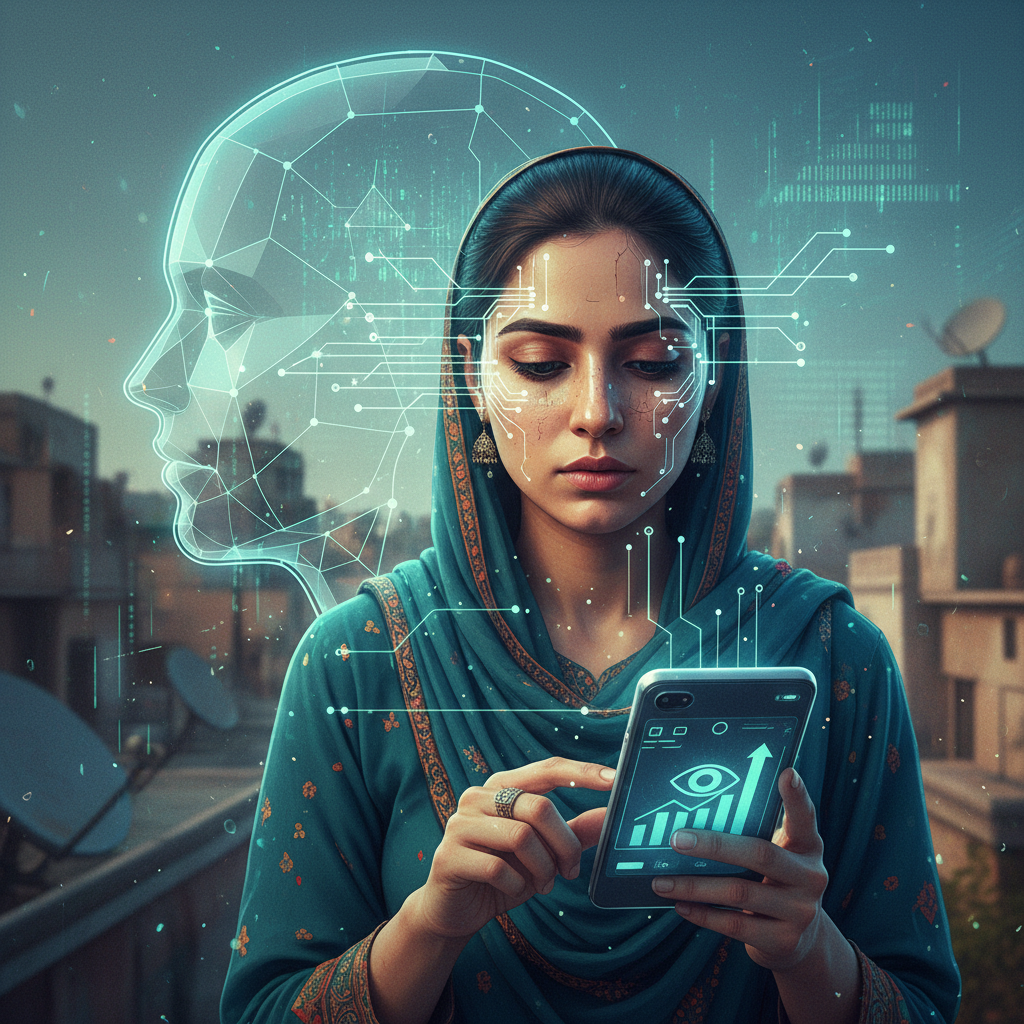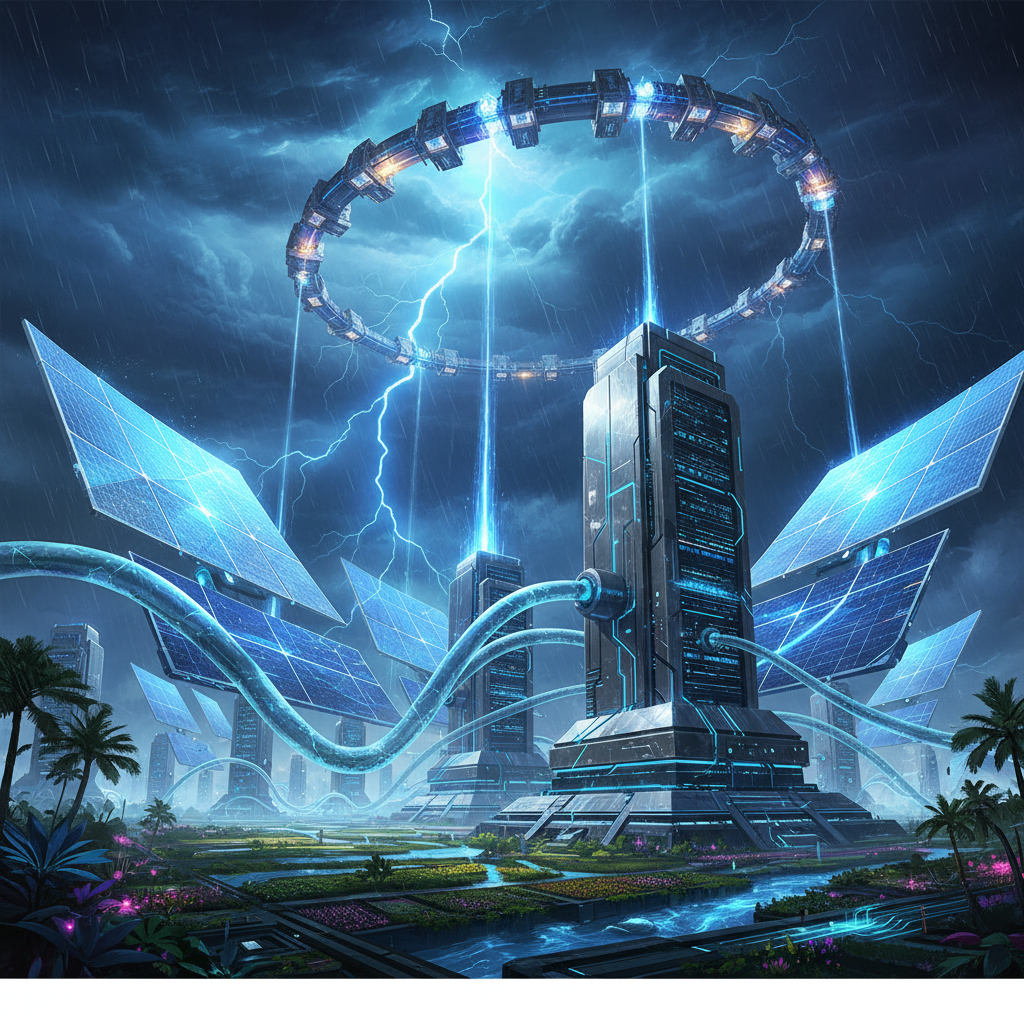

The year is 2030, and the scent of jasmine mixes with the faint hum of a thousand servers in a sprawling campus outside Bengaluru. This isn't just any data center, mind you. This is the heart of India's AI revolution, a behemoth of compute power that processes everything from personalized healthcare diagnostics for villages in Rajasthan to real-time traffic management in Mumbai, all while running on a sophisticated blend of solar, wind, and even a touch of geothermal energy. The air conditioning is powered by a unique absorption cooling system, drawing water from a repurposed reservoir, a testament to ingenious local engineering. This future, vibrant and buzzing with digital life, feels both inevitable and, frankly, a little daunting.
I’ve been thinking a lot about power lately, not just political power, but electrical power. The kind that fuels our smartphones, our cities, and increasingly, the insatiable appetite of artificial intelligence. In India, this conversation is particularly urgent. We are a nation of 1.4 billion dreams, and each dream, it seems, now comes with an algorithm attached. The demand for AI compute infrastructure and data centers is exploding, and with it, the demand for energy. How we manage this will define not just our technological prowess, but our very environment and economy.
Right now, in April 2026, the global AI compute race is in full swing. Companies like OpenAI, Anthropic, Google, and Meta are all vying for supremacy, building ever-larger models that require unprecedented computational muscle. And where does that muscle come from? Massive data centers, often hidden away in remote locations, consuming energy equivalent to small cities. NVIDIA, the chip giant, is practically printing money with its GPUs, the very engines of this AI boom. But the real story, the one that truly matters to us here in India, is not just about the chips, but about the infrastructure that houses them.
How do we get from today’s nascent, though rapidly growing, infrastructure to that vision of 2030? It’s a multi-pronged approach, a grand project that involves government, industry, and even local communities. The first key milestone, already underway, is the aggressive push for renewable energy integration. "We cannot build a digital future on fossil fuels alone," says Dr. Priya Sharma, a leading energy policy expert at the Indian Institute of Science, Bengaluru. "By 2028, we expect at least 60 percent of new data center capacity in India to be directly powered by renewable sources, primarily solar and wind farms located within 200 kilometers of the facilities." This isn't just about being green, she explains, it's about energy independence and cost stability in the long run.
The second milestone involves innovation in cooling technologies. Traditional data centers are notorious for their energy-hungry cooling systems. But in India, with our often-scorching climate, this challenge is magnified. Companies are investing heavily in liquid cooling, immersion cooling, and even exploring direct air cooling in regions with lower ambient temperatures. Meet the woman who is spearheading some of these innovations, Dr. Anjali Singh, CEO of 'CoolCompute India,' a startup based in Pune. "We are developing AI-driven predictive cooling systems that can reduce energy consumption by up to 30 percent," she told me during a recent interview. "It’s about making every watt count, especially when you’re talking about facilities that can draw tens of megawatts."
By 2029, we will see the emergence of 'edge AI hubs' in smaller cities and even large towns. These won't be the colossal data centers of Bengaluru or Hyderabad, but smaller, distributed nodes closer to the data source and the end-user. Think of them as digital choupals or community centers for AI. This distributed architecture reduces latency, makes AI applications faster and more responsive, and crucially, lessens the strain on the main data center hubs. It also democratizes access, bringing AI closer to the people who need it most, from farmers using AI for crop management to small businesses leveraging AI for customer service.
Who wins in this future? Certainly, India stands to gain immensely. As a global hub for digital talent, having robust, sustainable compute infrastructure positions us as a leader in AI development and deployment. "India's unique blend of engineering talent and a massive, diverse dataset makes it an unparalleled testbed for AI innovation," says Rajesh Kumar, Head of AI Strategy at a major multinational tech firm with significant operations in Hyderabad. "The compute infrastructure is the bedrock upon which this innovation will flourish." This story will change how you think about India's role on the global tech stage, moving beyond just IT services to true AI leadership.
However, there are also potential losers. Smaller, less efficient data centers that fail to adapt to sustainable practices or cannot scale to meet demand will struggle. Communities near large data centers could face environmental concerns if not managed responsibly, particularly regarding water usage and heat dissipation. The digital divide, while potentially narrowed by edge computing, could widen if access to these powerful AI tools remains concentrated in urban centers or among the privileged. We must ensure that the benefits of this AI revolution are shared equitably, like the monsoon rains nourishing every corner of our land.
What should readers do now? For entrepreneurs, the opportunity lies in developing energy-efficient AI solutions, sustainable data center technologies, and localized AI applications. For policymakers, it's about creating clear regulatory frameworks that encourage investment while safeguarding environmental and social well-being. For the average citizen, it’s about understanding the profound impact of AI on our lives and demanding responsible development. The future of AI compute infrastructure is not just a technical challenge, it is a societal one, and our collective actions today will determine the landscape of tomorrow.
As we look towards 2030, the vision of India as a sustainable AI superpower is within reach. It’s a future where our technological might is matched by our environmental conscience, where the hum of servers contributes to a more prosperous and equitable society. It’s a future built not just on silicon and code, but on the enduring spirit of innovation and community that defines India. For more insights into the broader AI landscape, you might find articles on TechCrunch's AI section helpful, or delve deeper into research on MIT Technology Review. Our own platform also has a piece on how AI education is evolving in India, which you can read here: The Gurukul Goes Digital: Why India Will Own the AI Education Revolution, Not Just Adapt to It [blocked].