The wind howled a familiar tune across the Reykjanes Peninsula, carrying with it the scent of sulfur and the promise of geothermal heat. Guðrún, a geologist with eyes as blue as the glacial lagoons, adjusted her hard hat. For decades, she had read the land with a keen eye, feeling the subtle shifts, interpreting the ancient stories etched in rock. Now, her constant companion was a tablet, its screen alive with data streamed from AI-powered sensors burrowed deep beneath the earth. This wasn't just about finding new veins of minerals or optimizing drilling; it was about a profound shift in how she, and others like her, understood their work, their safety, and even their own intuition.
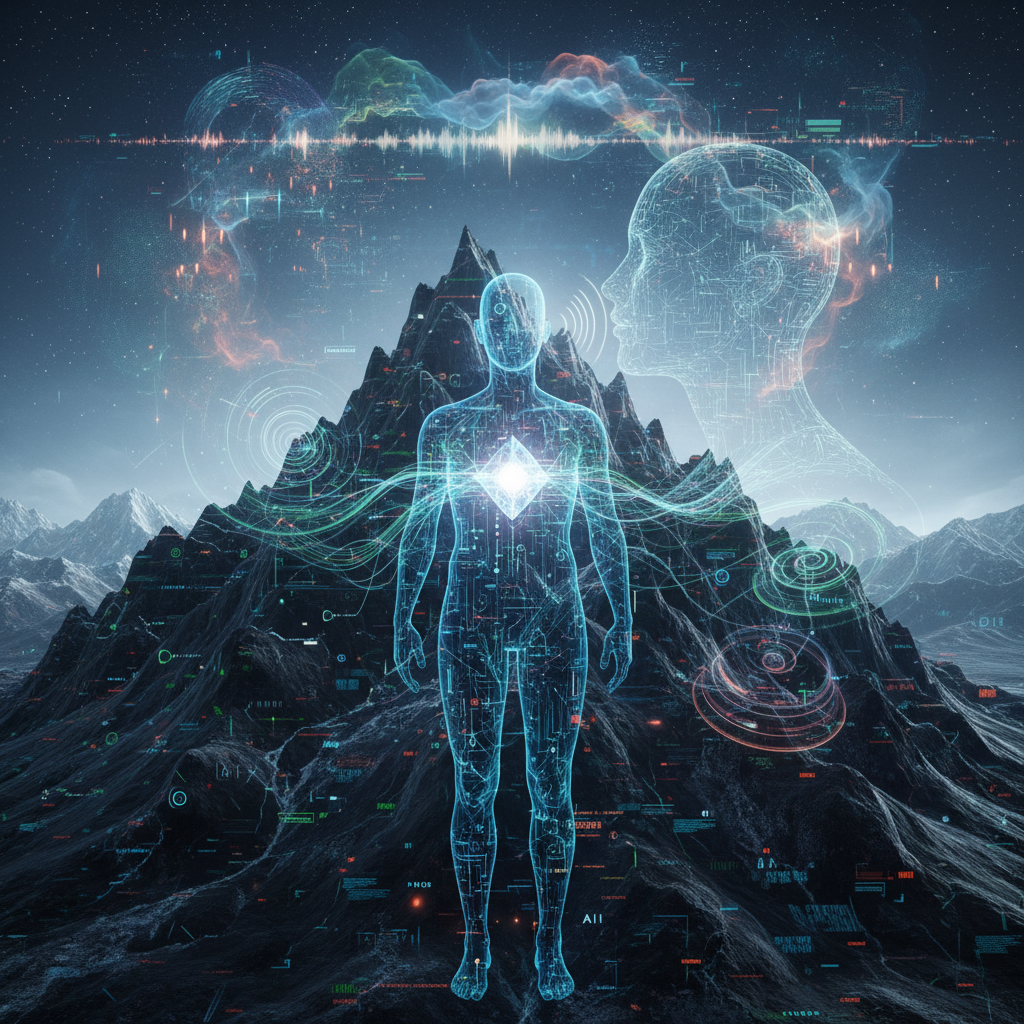
In the land of fire and ice, AI takes a different form. Our natural resources, from the geothermal energy that warms our homes to the mineral deposits beneath our volcanic crust, are intrinsically linked to the raw, untamed power of the earth. For generations, Icelanders have worked these lands, often with a deep, almost spiritual connection to nature. But as the world clamors for more sustainable energy and materials, AI is stepping in, promising efficiency and safety previously unimaginable. Companies like Alcoa, operating their aluminum smelters here, and smaller Icelandic firms exploring new geothermal fields, are increasingly relying on sophisticated AI models for everything from predictive maintenance on heavy machinery to real-time geological analysis and even forecasting seismic activity near drilling sites. This isn't just a technological upgrade; it's an intimate dance between human experience and machine learning, and it's changing the psychology of those involved.
Recent research from the University of Iceland's Department of Psychology, led by Dr. Helga Jónsdóttir, has begun to shed light on this evolving human-AI dynamic. "We're seeing a fascinating duality," Dr. Jónsdóttir explained to me over a cup of strong coffee in her office, which overlooked the bustling harbor of Reykjavík. "On one hand, there's a significant reduction in cognitive load for tasks like routine monitoring and data interpretation. The AI handles the noise, allowing human experts to focus on anomalies, on the truly complex problems. This can lead to reduced stress and improved job satisfaction." She showed me her research in a lab overlooking a glacier, where heat maps of brain activity showed lower stress markers in geologists using AI-assisted tools compared to those relying solely on manual interpretation. "However," she continued, "there's also a subtle erosion of what we call 'situational awareness' and a potential over-reliance on the machine. If the AI becomes too good at predicting, do humans stop looking for the unexpected? Do they lose that critical, intuitive edge developed over years of hands-on experience?"
This psychological shift isn't unique to Iceland, but our small, close-knit society and unique geological context amplify its effects. When AI systems predict potential rockfalls in a quarry, or optimize the drilling path for a geothermal well, they are literally shaping the physical environment and the safety protocols that govern human lives. The human element, the 'gut feeling' that has guided generations of Icelandic workers through treacherous conditions, is now being challenged, and sometimes overridden, by algorithmic certainty. This creates a cognitive tension: the comfort of knowing AI is watching, balanced against the unease of ceding judgment to a black box.
Consider the safety aspect. AI models, trained on vast datasets of geological surveys, seismic activity, and equipment performance, can predict failures and hazards with impressive accuracy. "Our predictive maintenance systems, powered by algorithms similar to those used by Google DeepMind for other industrial applications, have reduced unscheduled downtime by 15% and significantly lowered the risk of equipment failure in our operations," stated Magnús Ólafsson, Head of Operations at a prominent Icelandic geothermal company. "This means fewer people exposed to dangerous situations, which is paramount." This is undoubtedly a positive. The mental burden of constant vigilance is lessened, leading to a calmer, more focused workforce. However, Dr. Jónsdóttir's research also points to a phenomenon where workers, accustomed to AI flagging issues, might become less proactive in identifying subtle, non-algorithmic cues of danger. The human brain, ever efficient, tends to offload tasks it perceives as automated. This cognitive shortcut, while saving mental energy, could be perilous if the AI misses something.
Broader societal implications are also emerging. Iceland's story is unique. We are a nation built on innovation and resilience, often making the most of what our challenging environment offers. As AI optimizes resource extraction, it could lead to greater economic prosperity and more sustainable practices, aligning with our national ethos of environmental stewardship. Yet, it also brings questions about the future of traditional roles and the skills needed in a rapidly changing industry. Will the next generation of geologists and engineers be as intimately connected to the land, or will their connection be mediated primarily through data interfaces? The shift from hands-on observation to screen-based monitoring can alter our relationship with the natural world, potentially leading to a more abstract understanding of our environment.
For readers navigating this evolving landscape, whether in Iceland or beyond, some practical advice emerges. First, embrace AI as a powerful tool, but never relinquish critical thinking. Treat AI's predictions as highly informed suggestions, not infallible commands. Second, cultivate what psychologists call 'meta-cognition,' the awareness of your own thought processes. Understand when you are relying on AI and actively seek to verify its outputs with your own expertise and observation. Third, advocate for transparency in AI systems. The more we understand how these algorithms arrive at their conclusions, the better we can integrate them into our decision-making without losing our human agency. Finally, foster continuous learning. The skills needed to work alongside AI are different from those required for manual labor or purely human analysis. Investing in training that emphasizes human-AI collaboration, rather than replacement, is crucial. For more insights into the psychological aspects of human-AI interaction, MIT Technology Review often publishes excellent articles on the subject, and Wired frequently covers the broader societal impacts of AI.
The integration of AI into Iceland's mining and natural resource sectors is not just about efficiency or profit. It’s a profound experiment in human-machine collaboration, unfolding against a backdrop of unparalleled natural beauty and power. It challenges our perceptions, reshapes our roles, and asks us to reconsider what it means to truly understand and work with the earth. The algorithms whisper, but it is up to us to listen with both our minds and our hearts, ensuring that our ancient connection to this land endures, even as technology advances. For more on how our small nation navigates technological shifts, you might find our previous article, Iceland's Digital Shields: Why Satya Nadella's Microsoft Needs to Learn From Our Small Nation's Cybersecurity Secrets [blocked], insightful.