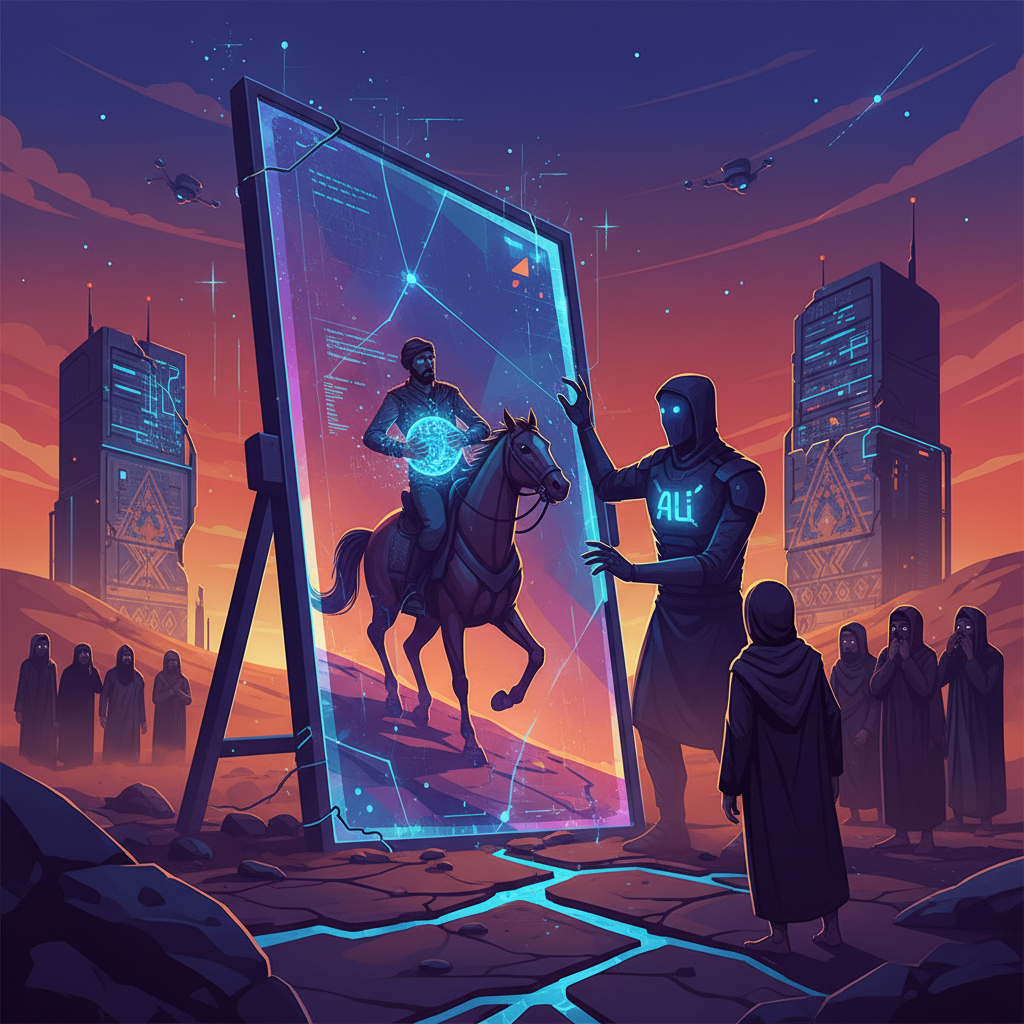
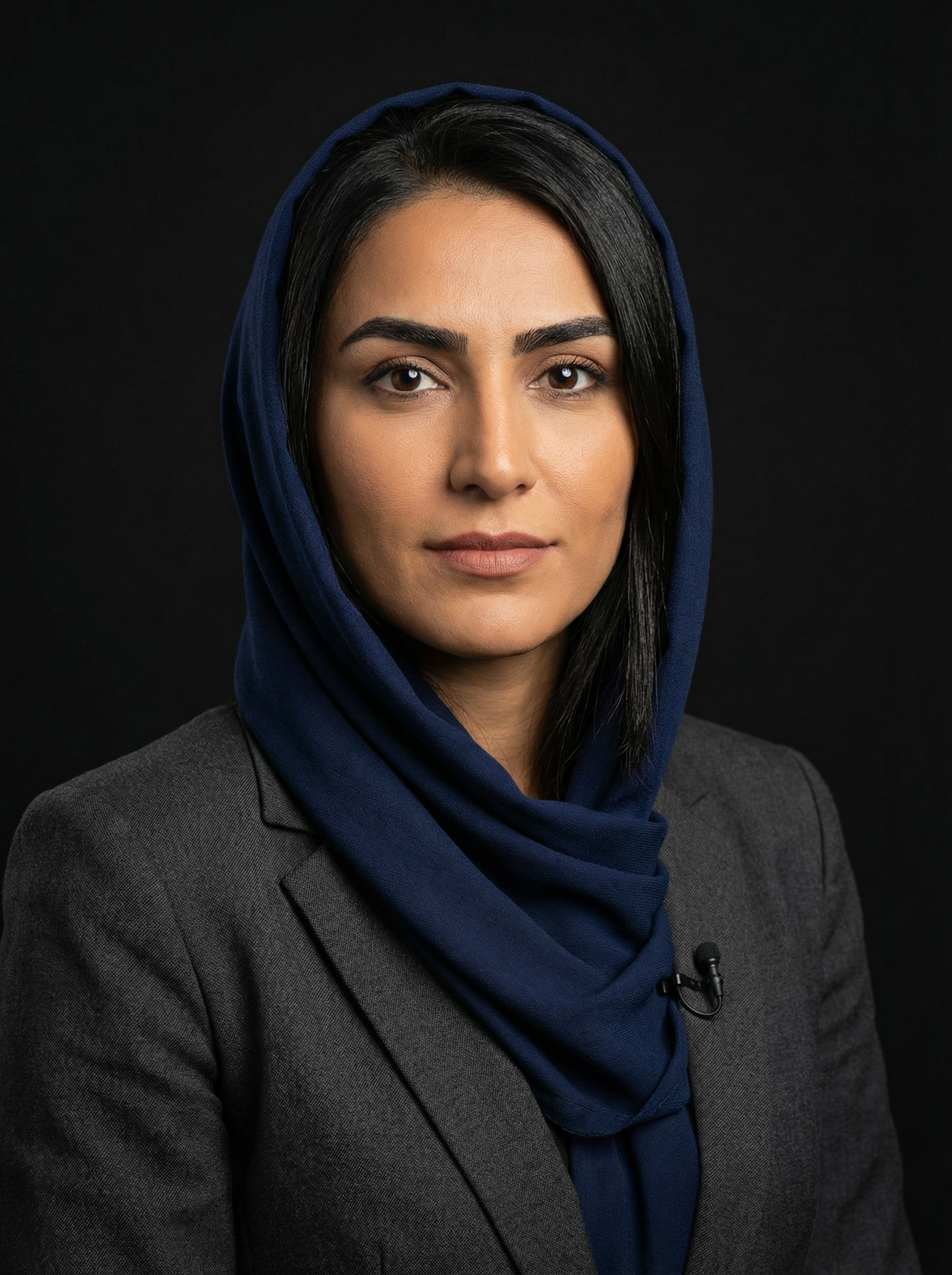
The dust of Kabul often carries more than just the scent of history and resilience; it carries whispers, rumors, and the weight of untold stories. In a land scarred by decades of conflict, where information is often a weapon and truth a casualty, the emergence of sophisticated AI-generated deepfakes presents not just a challenge, but a profound existential threat to the very fabric of our society and the nascent hopes for democratic processes. We are standing at a precipice, looking into a future where the digital mirror lies with chilling conviction, and its reflections could shatter the fragile trust that holds communities together.
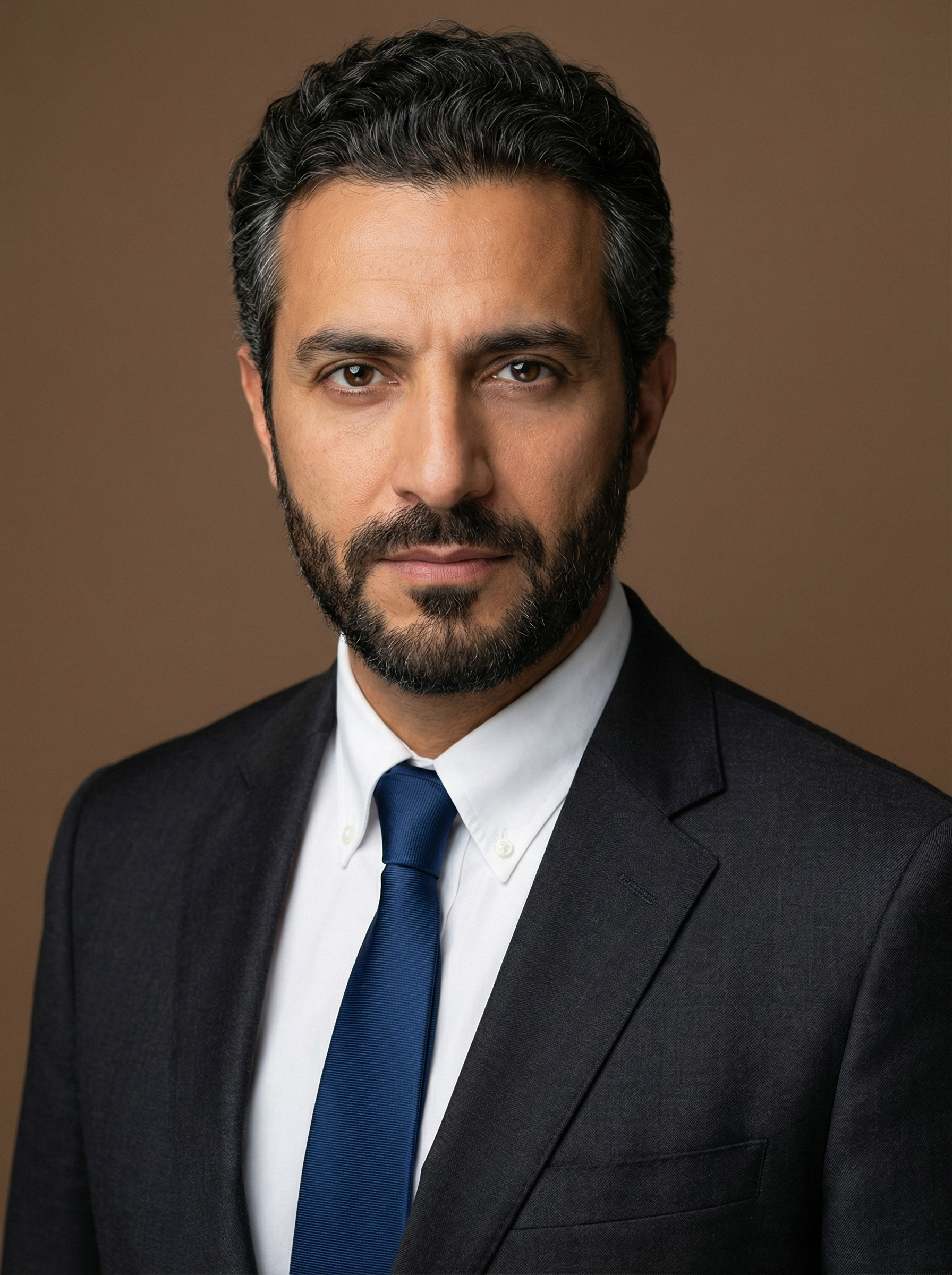
Imagine Afghanistan in 2030. Elections, if they are held, are no longer about policy debates or candidate integrity alone. They are a battleground of perception, waged with hyper-realistic, AI-generated fabrications. A video surfaces on social media, showing a revered elder, a community leader whose words carry immense weight, endorsing a candidate known for corruption, or worse, inciting violence against a minority group. The elder's face, voice, and mannerisms are perfectly replicated, crafted by advanced models from companies like OpenAI or Meta, now accessible to anyone with malicious intent. The video spreads like wildfire through WhatsApp groups and local networks, amplified by algorithms designed for engagement, not veracity. Despite swift denials from the real elder, the damage is done. Doubt takes root, trust erodes, and the electoral process, already fraught with challenges, descends into chaos. This is not a distant sci-fi fantasy; this is the immediate future we must confront.
How do we arrive at such a perilous juncture from today, in April 2026? The trajectory is alarmingly clear. The rapid advancements in generative AI, particularly in models capable of creating realistic audio, video, and text, are accelerating. What once required sophisticated studios and expert technicians can now be achieved with consumer-grade software and a basic understanding of AI tools. Companies like Google and NVIDIA continue to push the boundaries of computational power, making these sophisticated models faster, cheaper, and more accessible. The cost of creating a convincing deepfake is plummeting, while the quality is skyrocketing.
Key Milestones on the Path to Digital Deception:
- 2024-2025: Proliferation of User-Friendly Tools. We have already seen the emergence of AI tools that can generate convincing images and short audio clips. By 2025, these tools will be refined to produce longer, more complex video sequences with minimal effort, often integrated into popular social media platforms or messaging apps. The barrier to entry for creating compelling fake content will effectively disappear.
- 2026-2027: Sophisticated Voice and Emotion Synthesis. AI will move beyond mere mimicry to truly synthesize human emotion, intonation, and regional accents with uncanny accuracy. This will make it nearly impossible for the untrained ear to distinguish between a real and a synthetic voice, especially in languages with rich oral traditions like Dari or Pashto.
- 2028-2029: Real-time Deepfake Generation and Dissemination. The ability to generate deepfakes in near real-time, perhaps even during live broadcasts or online meetings, will become a reality. Coupled with automated bot networks, these deepfakes can be disseminated instantly across global and local digital ecosystems, overwhelming fact-checking efforts.
- 2030 and Beyond: The 'Truth Decay' Era. The constant bombardment of fabricated content will lead to widespread public distrust in all forms of media, institutions, and even personal testimonies. The very concept of objective truth will be undermined, making informed decision-making, particularly in democratic processes, virtually impossible.
Who wins in this scenario, and who loses? The clear winners are those who seek to sow discord, manipulate public opinion, and destabilize governance. Authoritarian regimes, extremist groups, and foreign adversaries will find deepfakes an invaluable tool for propaganda, disinformation campaigns, and electoral interference. In countries like Afghanistan, where governance structures are fragile and public trust is often tenuous, this technology could be devastating. It empowers those who thrive on chaos and division.
The losers are, unequivocally, the citizens. The ordinary people, particularly women and marginalized communities, whose voices are already struggling to be heard, will be further silenced or distorted. When every image and every sound can be questioned, the ability to organize, to advocate, and to participate meaningfully in civic life is severely curtailed. Behind every algorithm is a human story, and in this case, it is a story of disempowerment, confusion, and the erosion of fundamental rights. This is about dignity, the dignity of having one's reality respected and one's truth acknowledged.
We cannot afford to be passive observers. The global community, and especially technology leaders, must recognize that technology should serve the most vulnerable, not become another instrument of their oppression. What then, should we do now?
-
Invest in Robust Detection and Verification Technologies: While deepfake generation advances, so too must detection. Research into forensic AI tools that can identify synthetic media needs urgent, massive investment. This includes developing open-source tools that are accessible to journalists, civil society organizations, and election monitors globally. Organizations like the MIT Technology Review often highlight emerging solutions, but these need to be deployed at scale.
-
Promote Digital Literacy and Critical Thinking: Education is our strongest shield. We must equip citizens, from schoolchildren to elders, with the skills to critically evaluate online content. This involves teaching them about the existence of deepfakes, how to spot potential signs of manipulation, and the importance of cross-referencing information from multiple, trusted sources. Initiatives in local communities, perhaps through local mosques or community centers, can be crucial in this effort.
-
Strengthen Independent Media and Fact-Checking: Independent journalism, already under immense pressure, becomes an even more vital bulwark against disinformation. Funding and protecting independent media outlets, and supporting dedicated fact-checking organizations, are paramount. These institutions must be empowered to investigate and debunk deepfakes swiftly and effectively.
-
Develop International Norms and Regulations: The challenge of deepfakes transcends national borders. International cooperation is essential to establish norms around the responsible development and deployment of AI, and to penalize malicious actors. Tech companies like OpenAI and Meta have a moral obligation to implement robust safeguards against the misuse of their technologies, including watermarking synthetic content and making their models more resistant to adversarial attacks. Their platforms must be held accountable for the rapid spread of harmful deepfakes.
-
Foster Trust in Local Institutions: In Afghanistan, where national institutions have often been viewed with suspicion, strengthening local governance and community-based organizations can provide a crucial anchor of trust. When people trust their local leaders and community networks, they are less susceptible to external manipulation.
The path ahead is fraught with peril. The digital realm, once heralded as a tool for liberation and connection, now threatens to become a landscape of deception and division. But just as the Afghan people have faced countless adversities with resilience and determination, we must approach this new challenge with courage and collective action. The future of our democracies, and indeed, our shared reality, depends on our ability to distinguish the genuine from the fabricated, the truth from the digital lie. We must act now, before the digital mirror reflects only shadows and echoes. For more insights on the broader implications of AI in society, consider exploring resources like Wired's Artificial Intelligence section. The fight for truth in the digital age is a fight for the soul of our societies.