The rumble of progress, they call it. The march towards a smarter, more efficient urban landscape. For years, we've heard the buzzwords: smart cities, IoT, interconnected everything. But lately, as AI gets woven deeper into the fabric of our urban centers, that buzz has taken on a more… surveillance-like hum. We're talking about AI-powered cameras, facial recognition, predictive policing algorithms, all promising to make our streets safer. But at what cost? And who really benefits when companies like Palantir are at the heart of it all?
The Headline Development: Our Cities Are Watching, Thanks to AI
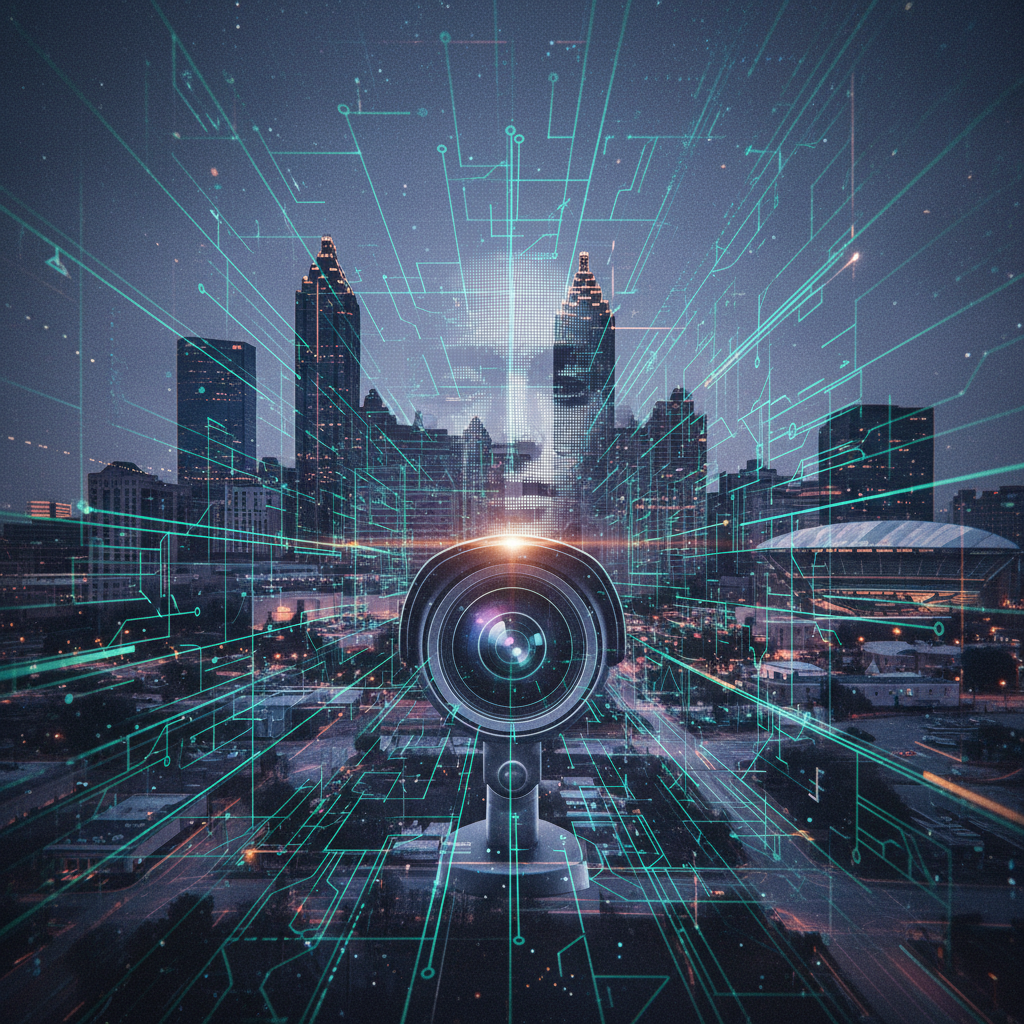
It's no secret that cities across the USA are investing heavily in smart infrastructure. From traffic management systems that optimize flow using real-time data to intelligent streetlights that adjust brightness based on pedestrian activity, the goal is often noble: improve quality of life, reduce crime, make things run smoother. But beneath the surface of these seemingly benign innovations lies a burgeoning network of AI-powered surveillance. Think about it: every public camera, every sensor, every data point collected from your phone or car, it's all feeding into an ever-growing digital eye. Companies like Palantir, known for their work with government agencies, are increasingly pitching their sophisticated data integration and analysis platforms to municipalities. They promise to connect disparate data sources, from police records to public camera feeds, and use AI to identify patterns, predict crime hotspots, and even track individuals. It's happening right now, in places like New Orleans, and even in discussions in my hometown, Atlanta, where the promise of 'safety' often trumps the conversation about 'privacy.'
Why Most People Are Ignoring It: The Digital Fog and the Safety Siren
Let's be real. Most folks are too busy trying to make ends meet, dealing with traffic, or just trying to catch a break to deeply ponder the philosophical implications of AI surveillance. The tech is complex, often hidden behind layers of jargon and opaque contracts. Plus, the narrative is always framed around safety. Who doesn't want safer streets, right? When politicians and police chiefs talk about using AI to catch criminals faster, to prevent violence, it's a powerful siren song. It drowns out the quieter, more nuanced concerns about civil liberties. People see a headline about a new AI system helping solve a crime and think, 'Great, more of that.' They don't often see the thousands of innocent faces scanned, the countless data points collected, or the potential for bias baked into the algorithms. It's a classic case of the immediate, tangible benefit overshadowing the long-term, abstract risk. The digital fog is thick, and the average citizen just doesn't have the time or tools to cut through it.
How It Affects YOU: Your Digital Footprint, Your Freedom
This isn't some far-off dystopian novel, my friends. This is the real AI revolution, and it's happening in your neighborhood. Every time you walk down a street with a 'smart' streetlight, every time you drive through an intersection with license plate readers, every time you use public Wi-Fi, you're contributing to this data stream. Imagine a system that can track your movements, identify your face in a crowd, and even infer your habits based on your public interactions. What if an algorithm, designed with historical data that reflects societal biases, flags you as 'suspicious' simply because of where you live or the color of your skin? What if your participation in a peaceful protest is logged and analyzed? This isn't just about catching bad guys, it's about who gets to decide what 'bad' looks like, and whether the system can make mistakes that impact your life. Your right to anonymity in public spaces, a cornerstone of a free society, is slowly eroding. As The Verge has pointed out repeatedly, the line between convenience and control is getting blurrier by the day.
The Bigger Picture: A New Era of Social Control or True Urban Harmony?
On the grand stage, AI-powered surveillance in smart cities represents a fundamental shift in the relationship between citizens and the state. On one hand, proponents argue it could lead to unprecedented levels of public safety, efficient resource allocation, and even environmental benefits through optimized infrastructure. Imagine a city where traffic jams are a relic of the past, where emergency services respond instantly, and where crime rates plummet. That's the utopian vision. However, the dystopian shadow looms large. We're talking about the potential for pervasive social scoring, political targeting, and the chilling effect on free speech and assembly. If every action is recorded and analyzed, will people self-censor? Will marginalized communities, already over-policed, face even greater scrutiny and algorithmic bias? This isn't just about privacy; it's about power. It's about who holds the keys to the digital kingdom and how they choose to wield them. The future of AI is being built in places you'd never expect, and the implications for democratic societies are profound.
What Experts Are Saying: A Chorus of Caution and Concern
The experts are not monolithic in their views, but a strong current of concern runs through their discussions. Take Meredith Whittaker, President of the Signal Foundation and a vocal critic of surveillance capitalism. She has often highlighted how these systems, even with good intentions, can exacerbate existing inequalities.