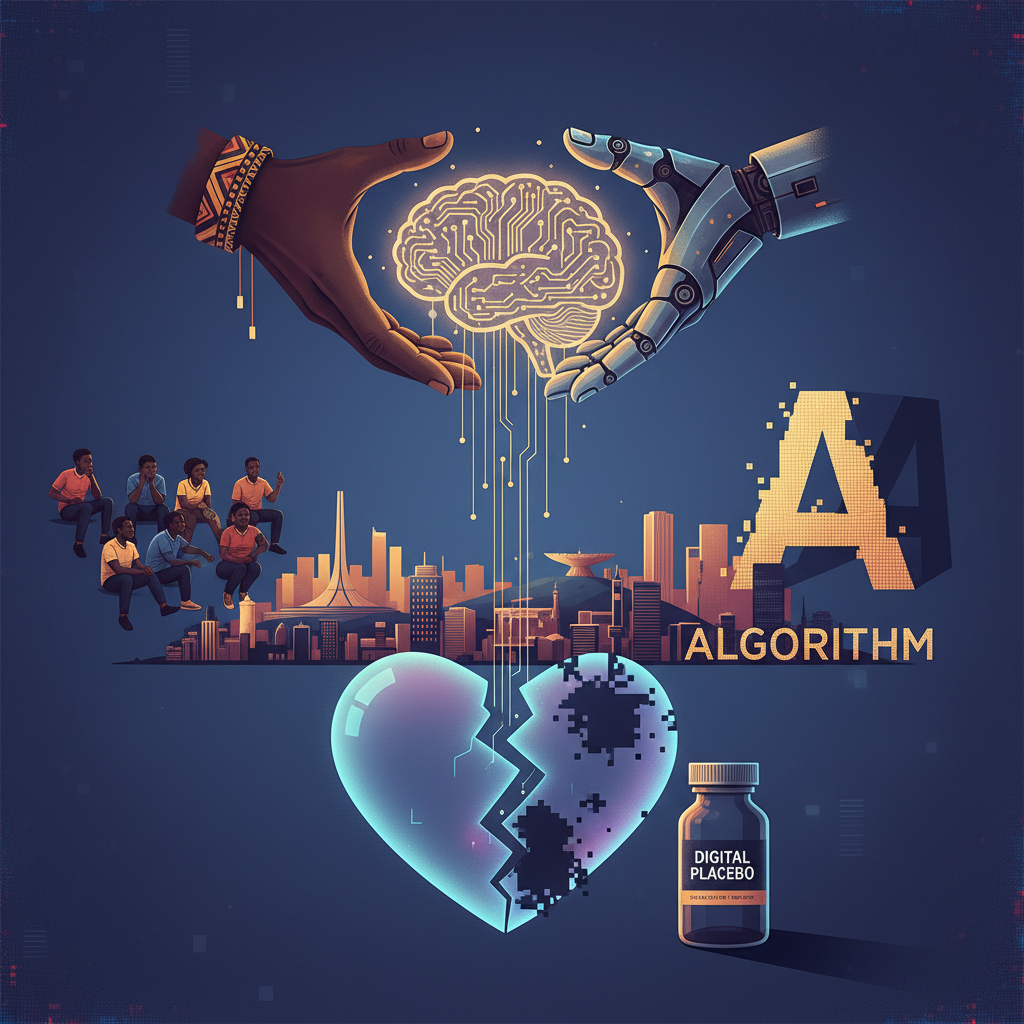

Let's be frank. The global mental health crisis is not some whispered secret; it's a roaring fire, and here in Zimbabwe, like so many places across Africa, access to professional care is a luxury many simply cannot afford. So, when Silicon Valley starts pushing AI therapy chatbots, addiction algorithms, and digital wellness apps, my ears perk up. On one hand, the potential feels like a cool breeze on a scorching day. On the other, I can't shake the feeling that we might be swapping one set of problems for another, especially if these solutions are built without a deep understanding of our diverse human experiences.
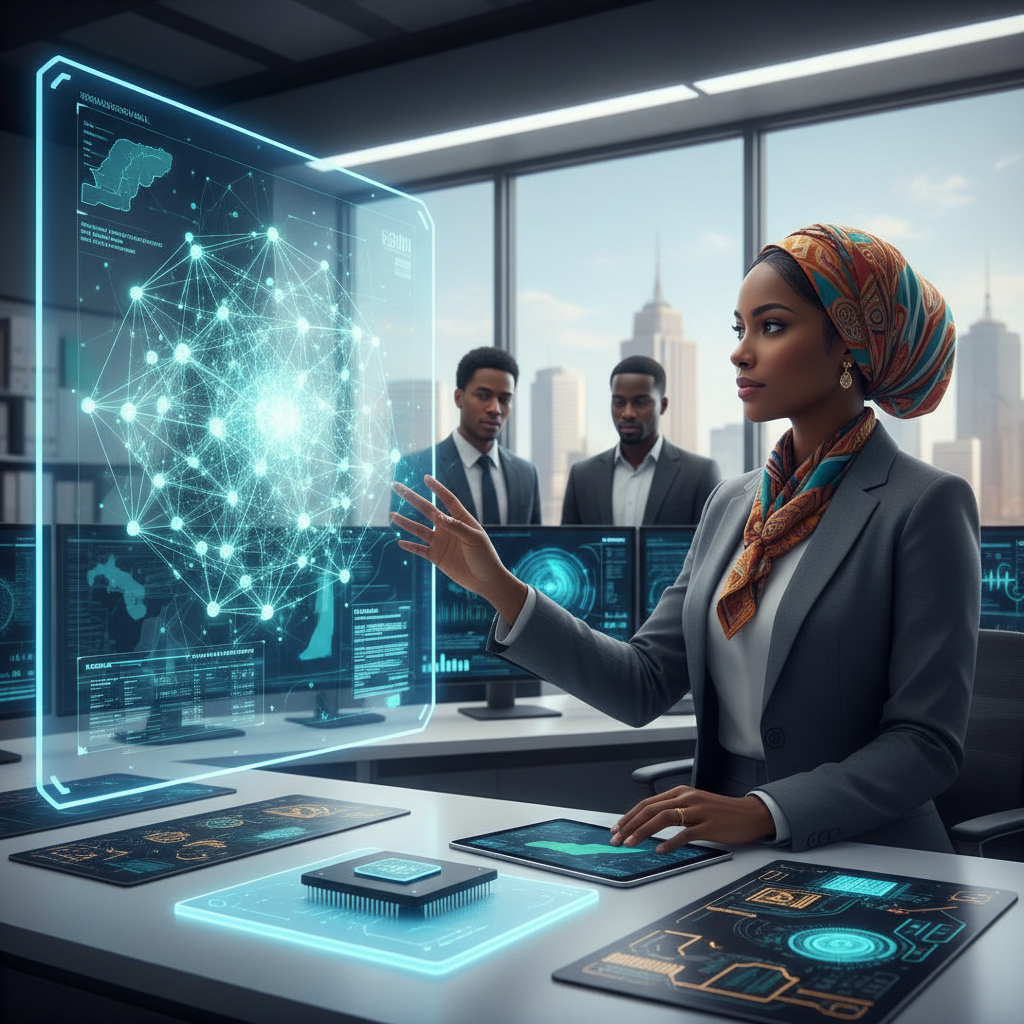
I'm calling it now: the future of wellness, like so much else, will be deeply intertwined with AI. But what kind of future? Are we talking about a truly inclusive, culturally sensitive future, or just another Western-centric export dressed in digital clothes? Companies like OpenAI and Google DeepMind are pouring billions into models that can understand and generate human language with astonishing fidelity. It's not a huge leap to imagine these models being fine-tuned to offer empathetic responses, cognitive behavioral therapy exercises, or even just a listening ear, 24/7. For someone in a remote Zimbabwean village, where the nearest psychiatrist might be hundreds of kilometers away, this sounds revolutionary.
Consider the sheer scale of the need. The World Health Organization estimates that globally, mental health conditions are on the rise, and a significant portion of the population lacks access to effective care. In Africa, the ratio of mental health professionals to the population is shockingly low, often less than one specialist per 100,000 people. This isn't just a statistic; it's a lived reality of silent suffering. So, when an app promises immediate, anonymous support, it’s easy to see why it gains traction. We've seen platforms like Woebot and Wysa gain traction in other parts of the world, offering automated therapy sessions. The idea is that these AI companions can bridge the gap, providing immediate, low-cost support to millions.
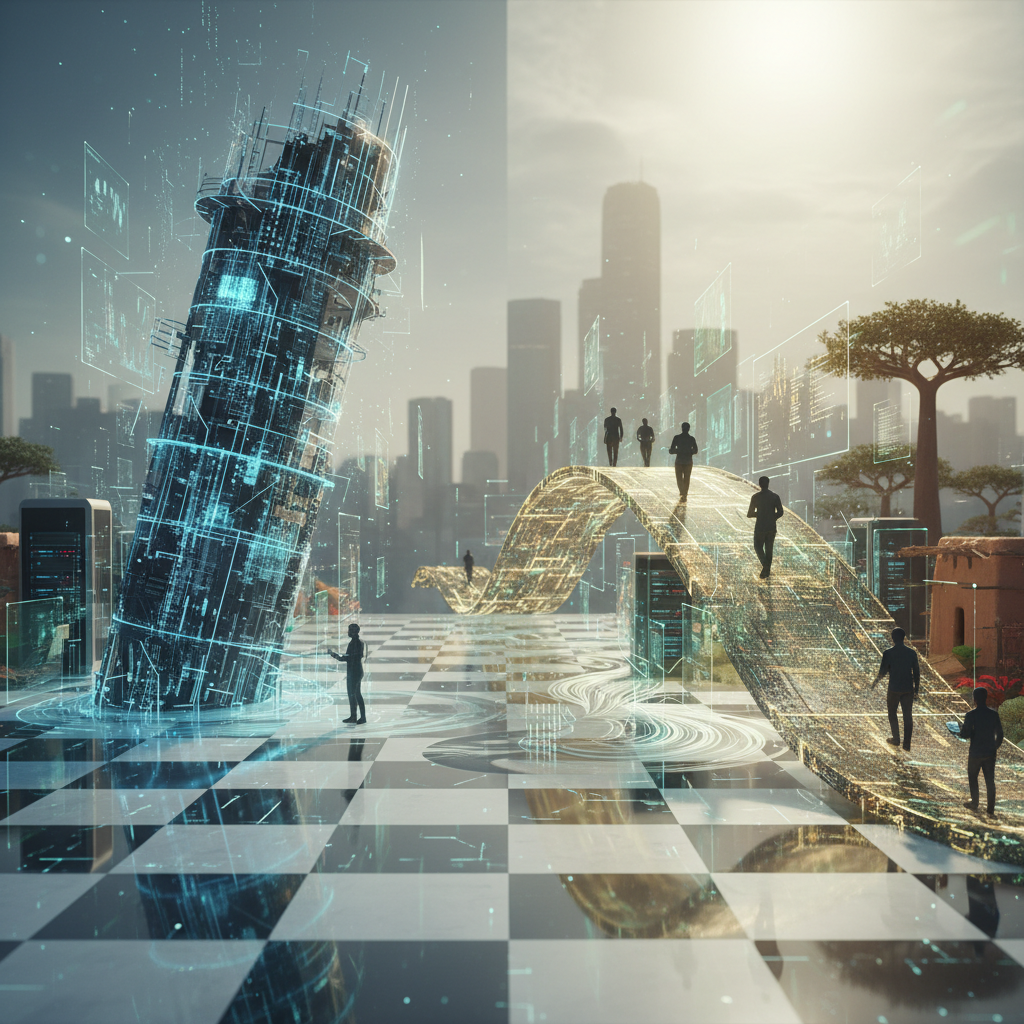
But here's where my Zimbabwean skepticism kicks in. Our understanding of mental well-being is often communal, deeply rooted in family, tradition, and spiritual practices. It's not always about individual introspection in a clinical setting. A chatbot, no matter how advanced, cannot sit with an elder under a Mopane tree, listening to stories of ancestors and community struggles. It cannot understand the nuances of Shona proverbs or the weight of collective trauma. Can an algorithm truly grasp the concept of ubuntu, that profound sense of interconnectedness, when it's programmed by engineers thousands of miles away, often with a singular, individualistic view of the self?
Dr. Mandla Ndlovu, a clinical psychologist based in Bulawayo, articulated this beautifully in a recent panel discussion. He said,