The air in Harare always carries a certain hum, a mix of street vendors, kombi engines, and the vibrant beat of local music. Lately, though, there's another sound, a whisper really, about AI. Not the kind of AI that makes your phone smarter, but the kind that creates art, composes music, and writes stories. And with it, the global chatter about an AI bubble, a dot-com crash 2.0, has reached our shores.
Now, I've heard this song before, many times. The West gets excited, pours billions into something, then frets about its value. But for us, for Africa, the stakes are always higher, the ripple effects more profound. So, when people like Sam Altman at OpenAI are talking about trillion-dollar valuations and others are screaming 'bubble,' I'm not just listening to the market; I'm looking at what this means for the young digital artists in Mbare, the musicians in Highfield, and the storytellers across our continent.
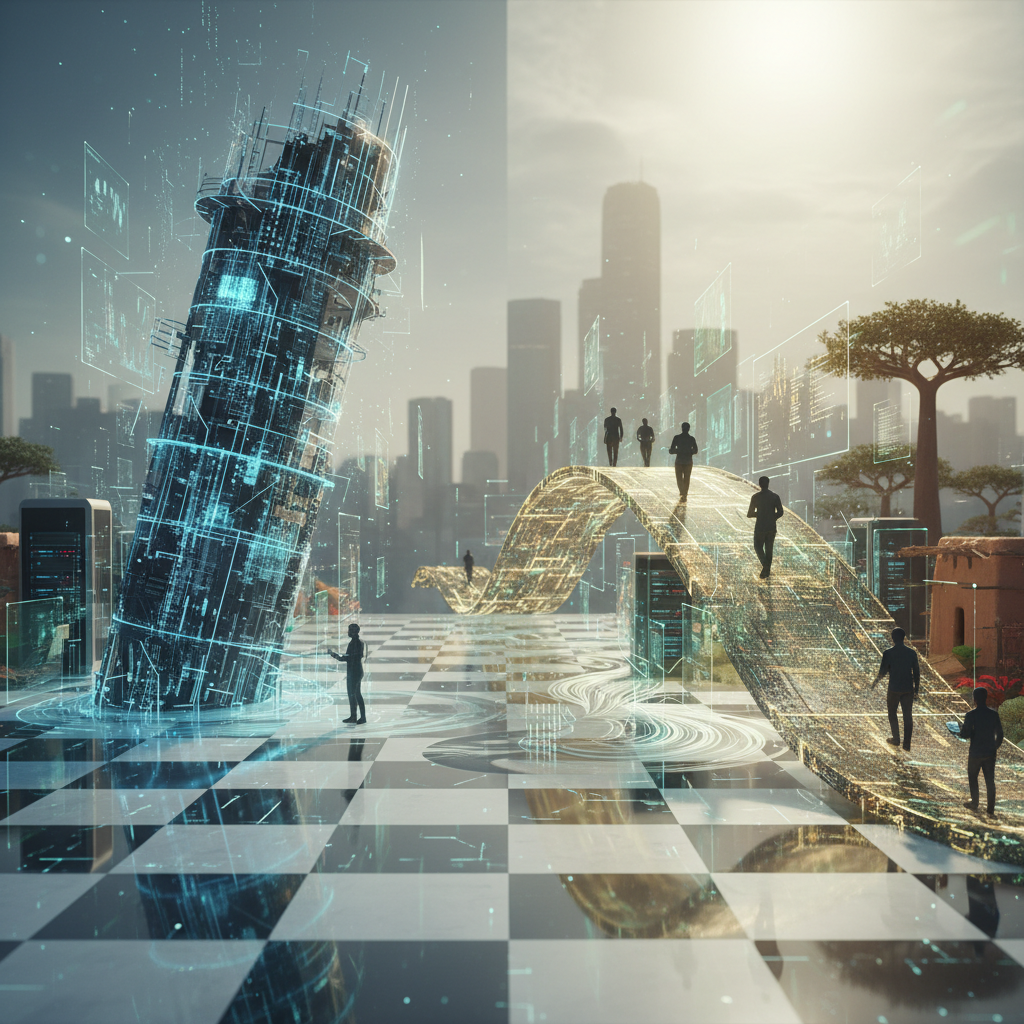
My take? This isn't a bubble like the dot-com era, not exactly. That was about access, about connecting the world. This is about creation, about intelligence itself. The dot-com bust left behind infrastructure; this AI wave, even if it crashes, will leave behind tools that have fundamentally altered how we think, create, and interact. The question isn't if it will reshape us, but how it will reshape us, and who will be holding the brush when the dust settles.
The Future is African, Even When the Bubble Bursts
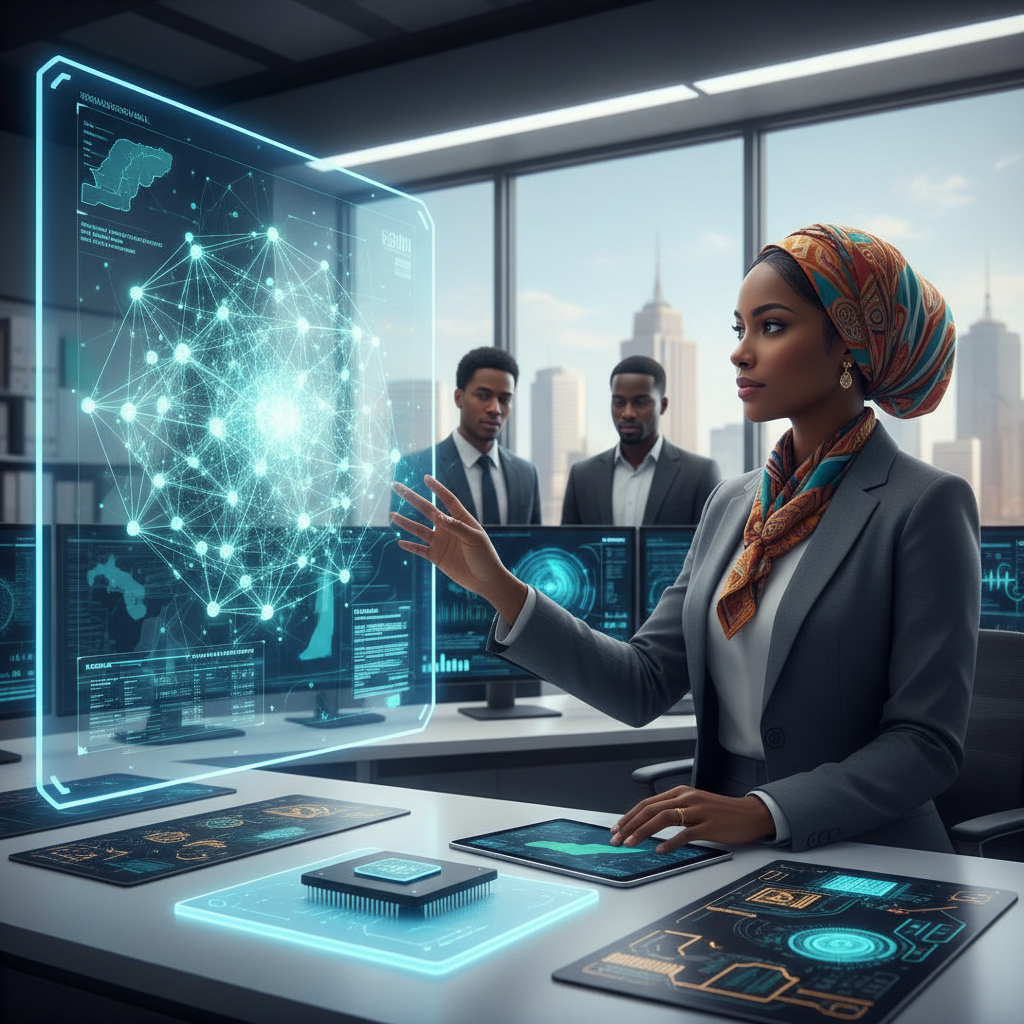
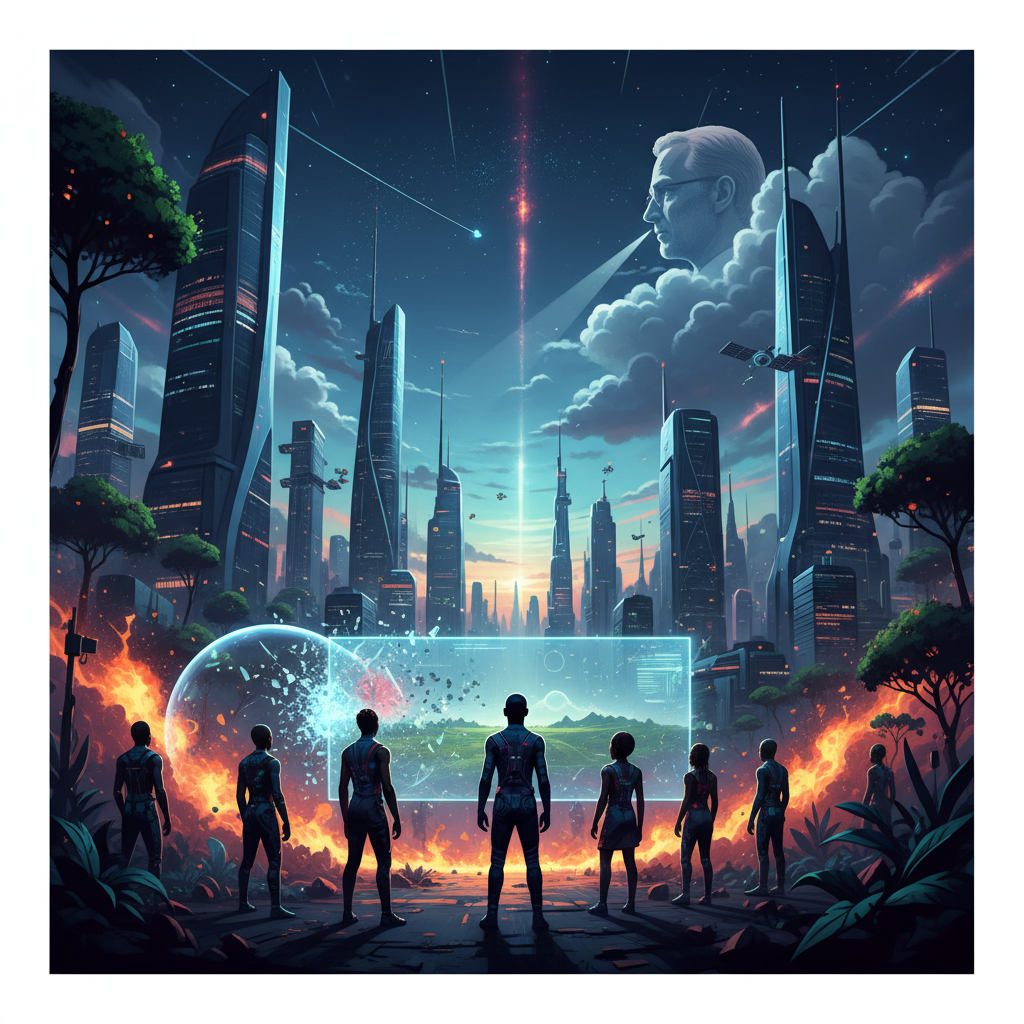
Imagine Harare in 2036. The skyline is dotted with solar-powered data centers, not just for mining crypto, but for training bespoke AI models. Our local artists, filmmakers, and musicians are no longer struggling to find international platforms; they are the platforms. They're using AI tools, not to replace their creativity, but to amplify it, to reach audiences in ways we can only dream of today. A young gwenyambira, a mbira player, uses AI to generate complex polyrhythms, creating entirely new genres that blend traditional Zimbabwean sounds with futuristic electronic beats. An animation studio in Bulawayo, powered by local talent and open-source AI models, produces feature films that rival Hollywood, telling uniquely African stories with stunning visuals generated in a fraction of the time and cost.
This isn't just wishful thinking. This is the inevitable outcome if we play our cards right. The raw material for this creative explosion is already here: our stories, our music, our visual arts. What AI offers is a multiplier, a way to scale that creativity globally without losing its essence. We are seeing early signs. Take for instance, the growth of digital art collectives in places like Cape Town and Nairobi, experimenting with generative AI for visual storytelling. They are not waiting for Silicon Valley to tell them what to do; they are building their own narratives.
How We Get There: Milestones and Mindsets
The path to this future isn't smooth. The 'bubble' debate is real because the valuations are insane, and many AI companies are still searching for sustainable business models beyond venture capital injections. But the underlying technology, the capability, is not going away. Here's how I see us navigating this:
1. Open Source AI Takes Center Stage (2026-2028): As the big tech companies like OpenAI and Google face scrutiny and potential market corrections, the open-source movement will surge. Projects like Meta's Llama models, and others from smaller, more agile players, will become the backbone for innovation. This is crucial for Africa. We can't afford to be locked into expensive proprietary systems. We need tools that are accessible, adaptable, and can be localized. Imagine local developers, perhaps from the National University of Science and Technology, building fine-tuned large language models specifically for Shona or Ndebele, trained on our oral histories and literature. This is where the real power shift happens. TechCrunch has been tracking this trend closely.
2. The Rise of 'Cultural AI' (2027-2030): This is my favorite part. Instead of generic AI, we'll see the emergence of AI models specifically trained on diverse cultural datasets. Think AI that understands the nuances of Zimbabwean proverbs, the rhythm of traditional dances, the symbolism in our art. This isn't just about language translation; it's about cultural interpretation and generation. Imagine an AI that can help preserve endangered languages by generating new stories and songs in those tongues. This will empower creators to produce work that resonates deeply with their heritage while appealing to a global audience. Dr. Chipo Moyo, a computational linguist at the University of Zimbabwe, told me just last week,