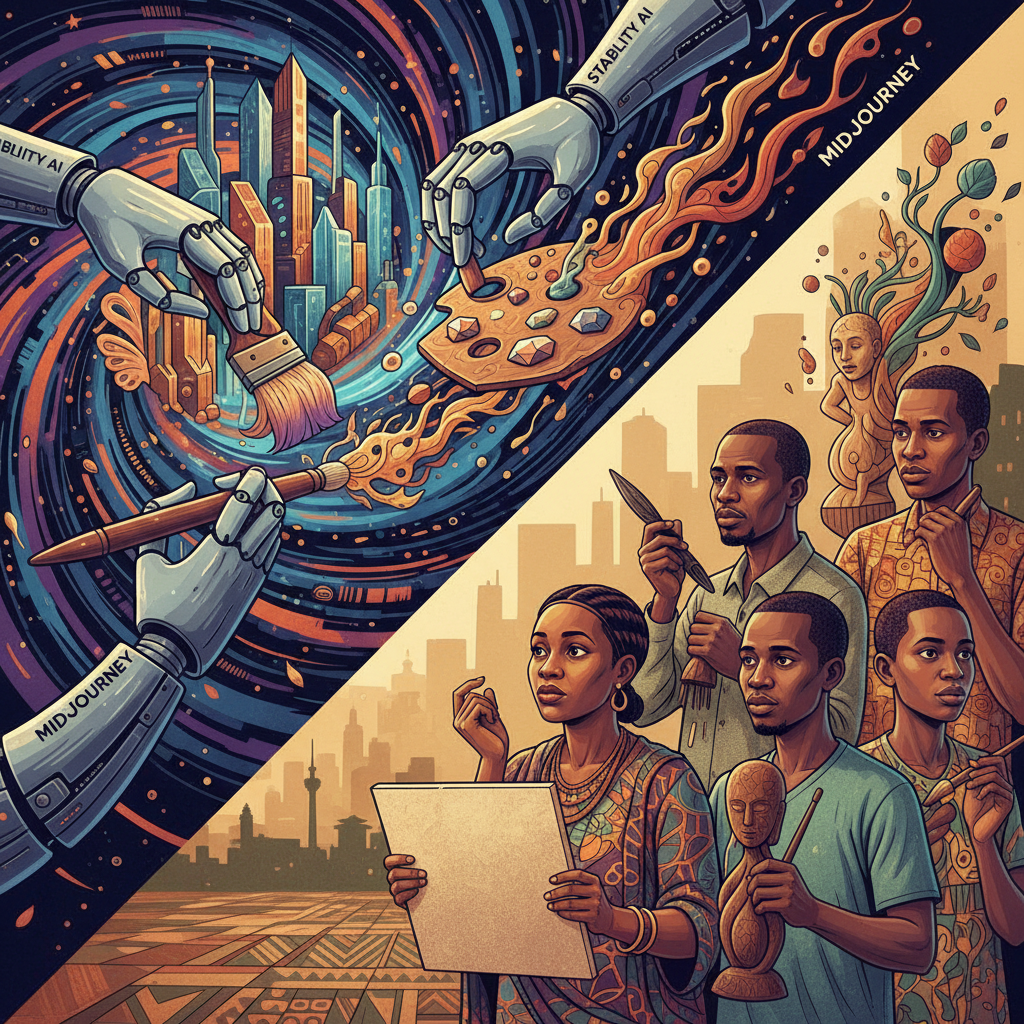
Let me tell you something, the air in Harare, especially around First Street Mall or the National Gallery, it just hums with creativity. You can feel it, taste it, see it in every roadside vendor's craft, every mural splashed across a wall, every beat dropping from a kombi speaker. We are a people who create, who tell stories, who paint our lives in vivid, unapologetic hues. So when I see the buzz around Stability AI, Midjourney, and the whole generative image revolution, my mind doesn't just go to algorithms and pixels; it goes straight to the hands of our artists, our designers, our storytellers.
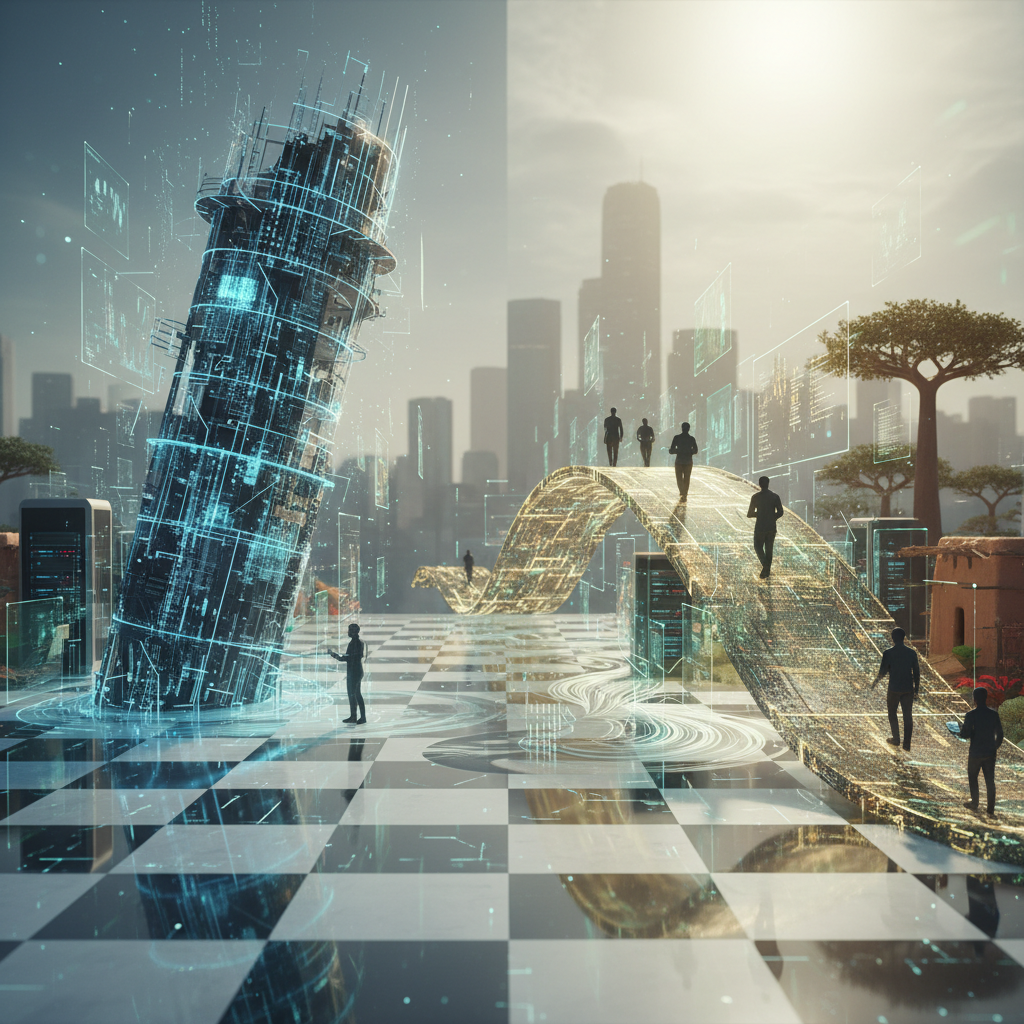
For too long, the narrative of African art, African design, and African aesthetics has been filtered, interpreted, and often diluted by external lenses. We've seen our rich cultural tapestry reduced to tropes, our complex histories flattened into caricatures. But now, with these powerful generative AI tools, I'm calling it now: the future is African, and we have an unprecedented chance to reclaim our visual sovereignty.
Think about it. A young artist in Mbare, without access to expensive art schools or traditional materials, can now prompt Midjourney to generate images inspired by Shona mythology, Ndebele patterns, or the bustling energy of a Zimbabwean market, all in styles that are uniquely theirs. They can iterate, experiment, and bring visions to life that would have been impossible just a few years ago. This isn't just about making pretty pictures; it's about democratizing creation, about giving voice to perspectives that have been historically marginalized. It's about a new kind of artistic freedom.
I spoke with Dr. Tafadzwa Moyo, head of the Digital Arts Department at the Harare Institute of Technology. He told me, “We are already seeing students, even those without formal art training, producing stunning visual concepts using tools like Stable Diffusion. The barrier to entry for high-quality visual production has plummeted, and this is a game-changer for cultural preservation and innovation. We are exploring how to integrate these tools into our curriculum, not as a replacement for traditional skills, but as a powerful augmentation.” He estimates that within five years, over 60 percent of commercial graphic design projects in Zimbabwe will incorporate generative AI in some capacity.
Of course, there are the naysayers, the purists who clutch their pearls and wail about the death of art, the loss of human touch. They argue that AI generated art is soulless, derivative, a mere pastiche of existing human creations. They worry about copyright, about artists being replaced, about the ethical implications of training these models on untold amounts of internet data without proper attribution or compensation. And these are valid concerns, I won't deny that. The legal frameworks are still playing catch-up, and the question of fair compensation for the artists whose work forms the bedrock of these models is a thorny one. We need robust discussions and proactive policy-making, not just here in Zimbabwe but globally, to ensure creators are protected and rewarded.
However, to dismiss generative AI entirely is to miss the forest for the trees. It's like saying photography killed painting, or synthesizers killed acoustic music. It simply changed the landscape, expanded the possibilities. The human element shifts, it doesn't disappear. The artist's vision, their prompt engineering, their curation, their post-processing, their unique cultural lens, that's where the true artistry lies now. It's not about the machine doing the work; it's about the machine amplifying the human imagination. As Ms. Chengetai Dube, a renowned textile designer from Bulawayo, put it to me, “I use Midjourney to explore new pattern combinations for my fabrics. It allows me to visualize hundreds of iterations in minutes, something that would take weeks by hand. It's not replacing my craft; it's accelerating my creative process and letting me push boundaries I couldn't before. It's a collaborator, not a competitor.”
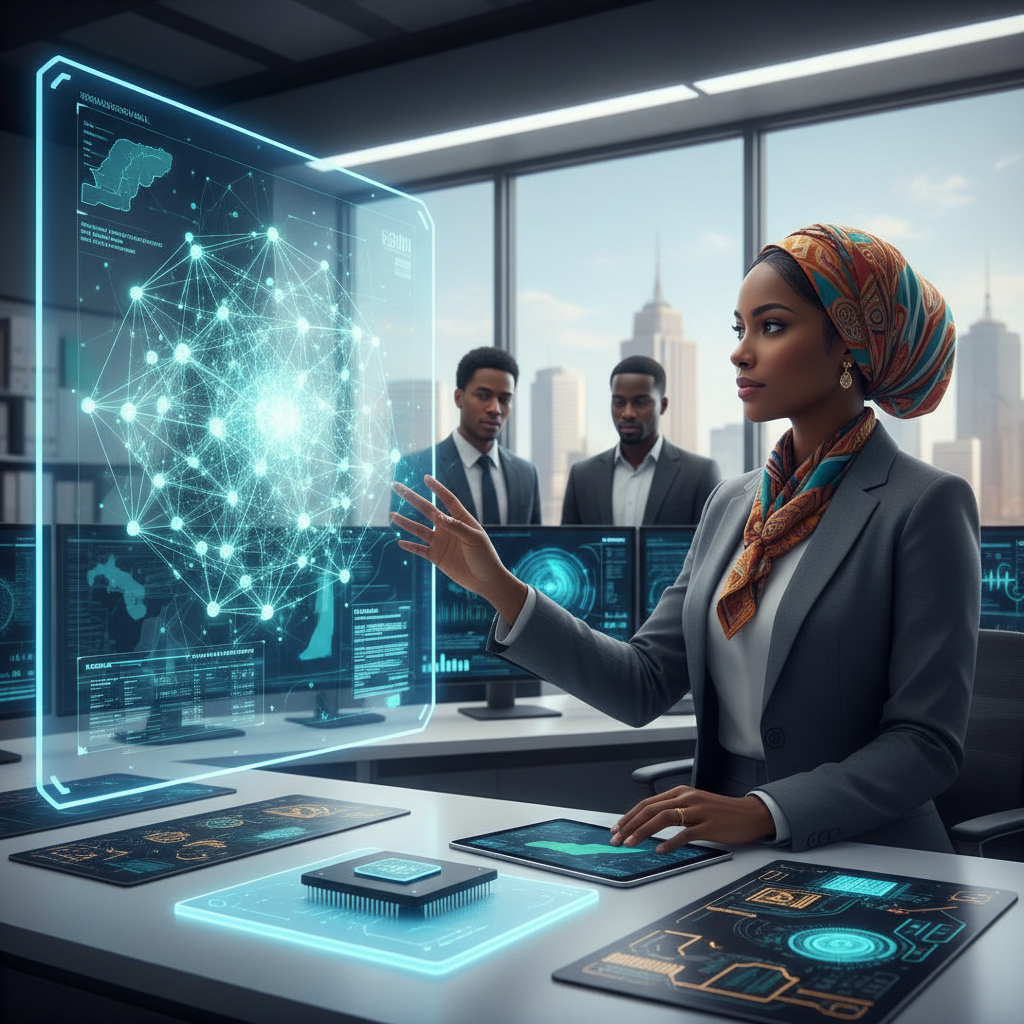
Indeed, the potential for African cultural expression is immense. Imagine AI models trained specifically on vast datasets of African art, folklore, historical imagery, and contemporary urban aesthetics. We could generate entirely new forms of digital art, interactive experiences, and even virtual worlds that authentically reflect our diverse heritage. This isn't just a pipe dream; companies like Stability AI are already making their models open source, allowing for fine-tuning and specialization. This means local developers, local artists, and local institutions can take these powerful engines and mold them to serve our specific needs and visions. We can build our own datasets, curate our own styles, and generate images that speak directly to our souls. According to a recent report on TechCrunch, investments in specialized, culturally-specific AI models are projected to grow by 40% annually over the next decade, indicating a global shift towards more localized AI applications.
This is where we, as Africans, need to be proactive. We cannot afford to be passive consumers of technology developed elsewhere. We must be active participants, shaping these tools to tell our stories. The Ministry of Arts and Culture, along with local tech hubs like the one at the University of Zimbabwe, should be fostering collaborations between artists, AI researchers, and entrepreneurs. We need hackathons focused on African generative art, incubators for AI-powered creative startups, and educational programs that equip our youth with the skills to master these new mediums.
Consider the economic implications too. A recent study by the MIT Technology Review highlighted that creative industries leveraging AI are seeing revenue growth rates 15-20% higher than those that are not. For a country like Zimbabwe, where creative talent is abundant but economic opportunities can be scarce, this represents a significant avenue for growth. Our artists could be generating unique digital assets for the global market, creating bespoke designs for international brands, or even contributing to the burgeoning metaverse with distinctly Zimbabwean aesthetics. The global digital art market, valued at over $2.5 billion in 2023, is ripe for disruption, and our artists are uniquely positioned to contribute to it.
My friend, Mr. Tendai Nkomo, a street artist whose murals adorn walls across Harare's CBD, summed it up perfectly. “People always ask me if AI will take my job. I tell them, no, it will give me more ideas. It will give me more time to paint the big pieces, the ones that really matter. The small stuff, the quick concepts, AI can help with that. But the feeling, the soul, that's still me.” He envisions using AI to create digital mock-ups of his murals, allowing clients to visualize the final product before he even picks up a spray can. It's about efficiency, about enhancing, not replacing.
So, as Stability AI and Midjourney continue to evolve, pushing the boundaries of what's visually possible, my message to my fellow Zimbabweans, to all Africans, is clear: watch this space. Do not be intimidated by the technology. Embrace it, learn it, and most importantly, infuse it with our unique spirit, our vibrant cultures, and our untold stories. This is our chance to paint our own future, in our own colours, for the world to see. The canvas is digital, the brush is algorithmic, but the vision, the heart, that remains undeniably, gloriously African. Let's make sure our fingerprints are all over it. We have an opportunity to leapfrog decades of creative limitations, and I, for one, am incredibly excited to see what masterpieces emerge from our continent. This isn't just a technological shift; it's a cultural renaissance waiting to happen, powered by pixels and passion.