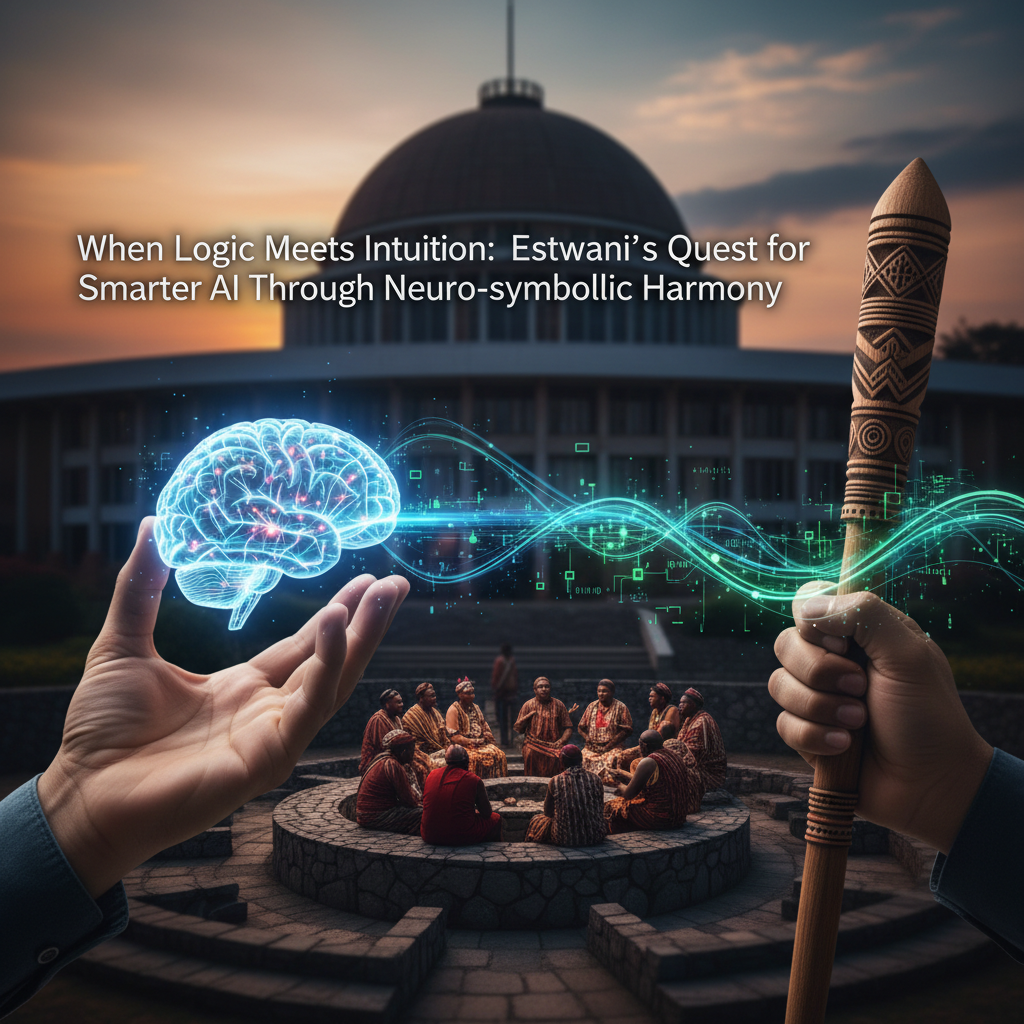
The sun was just beginning to kiss the peaks of the Mdzimba mountains, painting the sky in hues of orange and purple, when I received the news. Another major breakthrough in artificial intelligence, they said, something called neuro-symbolic AI. My first thought, as always, was: what does this mean for us, here in Eswatini, this small but mighty kingdom I call home?
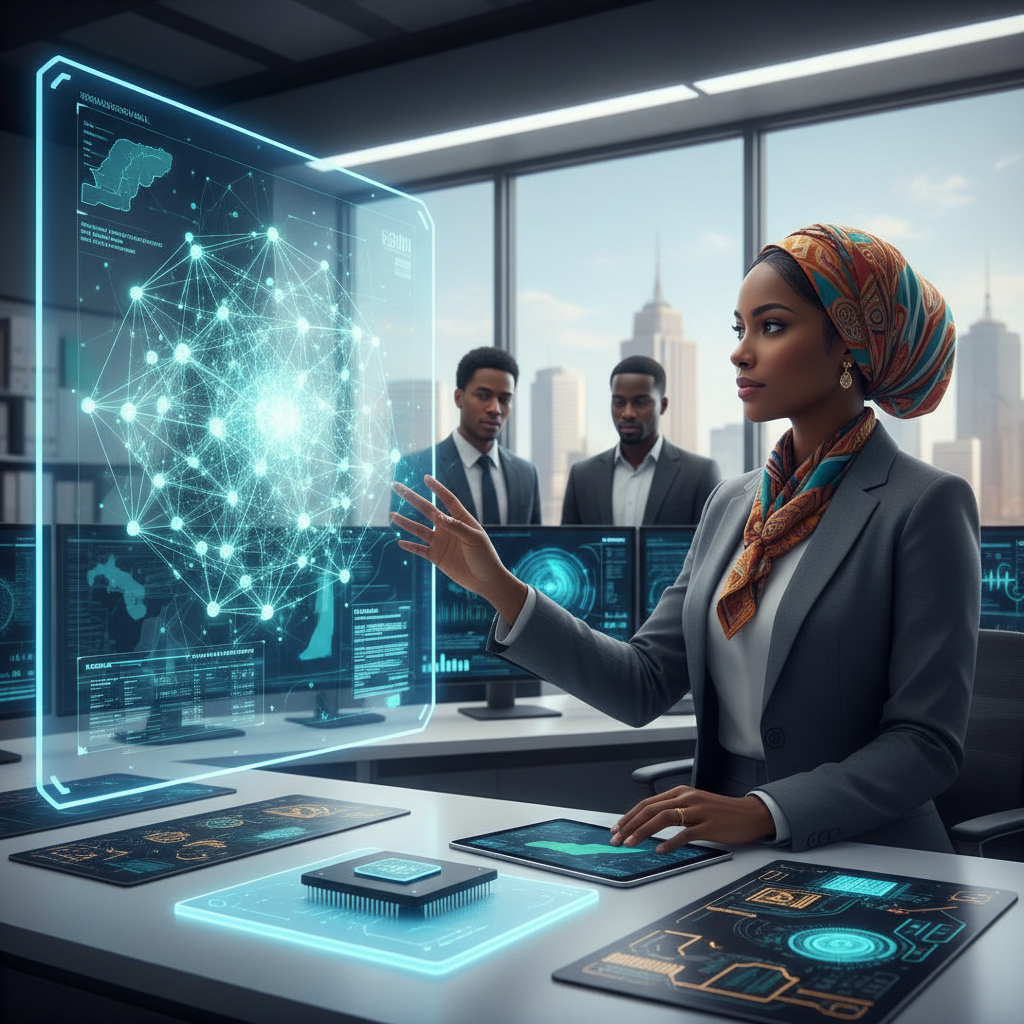
For many, AI still feels like a distant hum, a whisper from the laboratories of Silicon Valley or the bustling tech hubs of Asia. But for us, it is becoming a tangible force, slowly but surely weaving its way into the fabric of our lives. This new wave, neuro-symbolic AI, promises to bridge the gap between the intuitive, pattern-recognizing power of neural networks and the logical, rule-based reasoning of traditional AI. Imagine an AI that not only sees a pattern in a patient's symptoms but also understands why those symptoms lead to a specific diagnosis, much like a seasoned doctor who combines years of experience with medical textbooks.
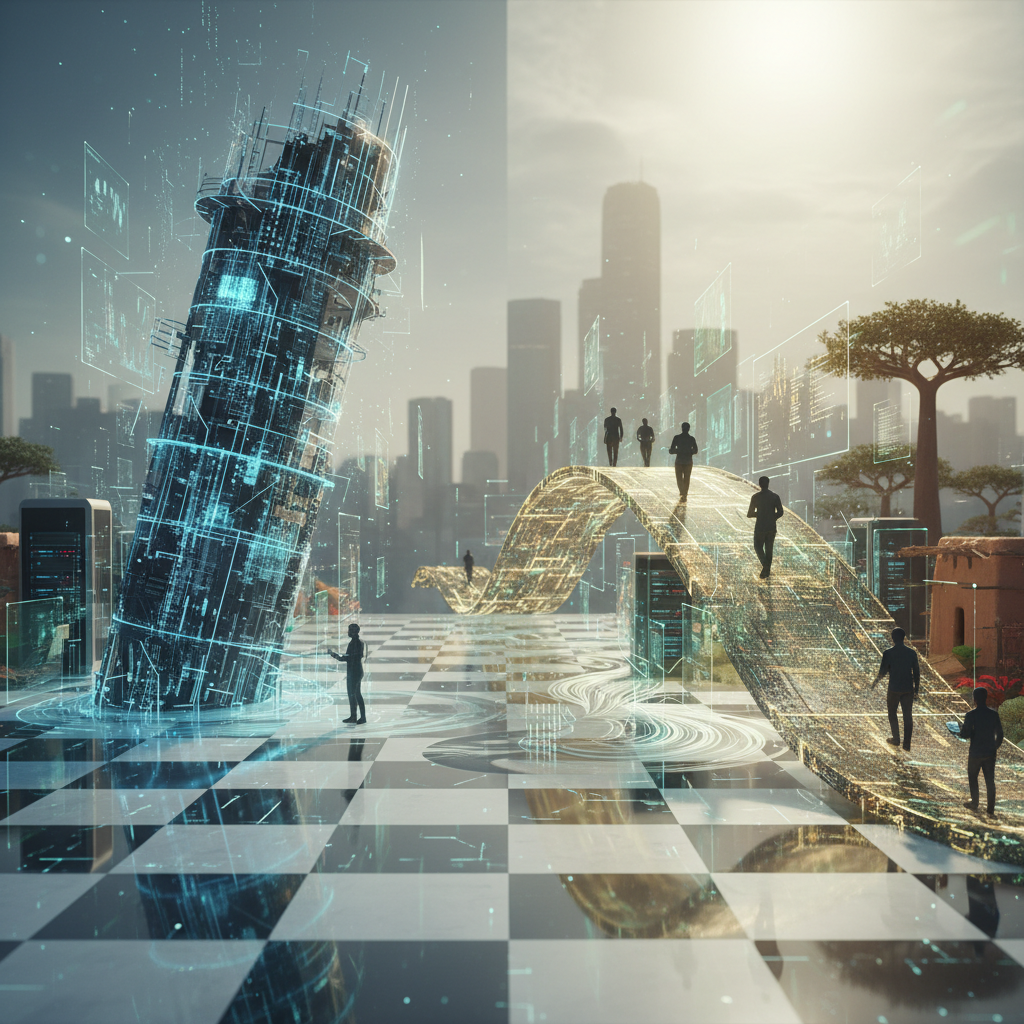
It is a fascinating concept, this marriage of two distinct AI philosophies. On one side, you have the deep learning models, the ones that power our large language models and image recognition systems. They are brilliant at finding correlations in vast amounts of data, learning from examples without explicit programming. Think of them as the intuitive artist, creating masterpieces from raw emotion and observation. On the other side, you have symbolic AI, the logical engineer, meticulously following rules and representations of knowledge. It is the kind of AI that can explain its decisions, trace its steps, and understand complex relationships. The challenge has always been how to get these two to speak the same language, to work together in harmony.
“The current generation of large language models, while impressive, often struggles with common sense reasoning or explaining their decisions transparently,” explained Dr. Nompumelelo Maseko, a leading AI researcher at the University of Eswatini, during a recent virtual conference. “Neuro-symbolic AI offers a path to build systems that are not only powerful but also interpretable and robust. This is crucial for applications in sensitive areas like medicine or legal systems, especially in developing nations where trust and clarity are paramount.” Her words resonated deeply with me. In Eswatini, we say 'a person is a person through other people', and AI should learn this lesson. Its decisions must be understood and trusted by the people it serves.
Globally, giants like Google DeepMind and IBM have been investing heavily in this hybrid approach. IBM has long championed neuro-symbolic AI, particularly for enterprise solutions where explainability and reliability are key. They are looking at how this blend can enhance everything from financial fraud detection to drug discovery, where not just identifying a potential candidate but understanding its molecular interactions is vital. Meanwhile, academic institutions and startups are pushing the boundaries, exploring how these systems can learn from less data, reason more effectively, and even adapt to new situations with greater agility. According to recent reports, investment in neuro-symbolic AI startups has seen a 40% increase in the last year alone, signaling a clear shift in the industry's focus, as noted by TechCrunch.
But what does this mean for Eswatini, a nation where digital infrastructure is still developing, and access to cutting-edge technology can be a challenge? This tiny kingdom has big ideas about technology, and our approach has always been about leveraging innovation for community benefit. Consider healthcare. Our traditional healers possess a vast, symbolic knowledge base of medicinal plants and remedies, passed down through generations. Imagine an AI system that could learn from this symbolic knowledge, combine it with modern medical data from neural networks, and then offer diagnostic support or even help in identifying new therapeutic compounds. It is a powerful vision, one that respects our heritage while embracing the future.
“We are exploring pilot projects that integrate traditional medical knowledge with AI-driven diagnostics,” shared Mr. Sibusiso Nxumalo, Director of the Eswatini National AI Council. “A neuro-symbolic approach could be revolutionary here. It allows us to encode the wisdom of our elders, which is symbolic, and combine it with the pattern recognition of modern AI to create a truly bespoke health solution for our people. We are not just importing technology; we are adapting it to our unique context.” He spoke with a passion that was infectious, painting a picture of an AI that truly serves its community.
One area where this hybrid AI could make a significant impact is in education. Our schools, particularly in rural areas, often lack resources. A neuro-symbolic AI tutor could not only identify a student's learning gaps (neural network) but also understand the underlying conceptual misunderstandings (symbolic reasoning) and then explain the concepts in a structured, logical way. This could personalize learning on a scale previously unimaginable, ensuring that no child is left behind, regardless of their location or access to teachers. This is a far cry from the generic chatbots we see today; this is an AI that truly comprehends and teaches.
Another critical application lies in agriculture, the backbone of our economy. Eswatini farmers, like my own grandmother, have generations of knowledge about soil, weather patterns, and crop cycles. A neuro-symbolic AI could integrate this local, symbolic wisdom with real-time sensor data and satellite imagery (neural networks) to provide hyper-localized advice on planting, irrigation, and pest control. This could lead to more resilient crops and increased food security, directly impacting the livelihoods of thousands of families.
Of course, challenges remain. The development of neuro-symbolic AI requires significant computational power and expertise, resources that are not always readily available in smaller nations. Data privacy and ethical considerations are also paramount. We must ensure that these powerful systems are developed and deployed responsibly, with human oversight and a deep understanding of local cultural nuances. The fear of job displacement, while a global concern, takes on a different weight in communities where every job supports an extended family.
However, the potential benefits are too great to ignore. This convergence of AI paradigms offers a chance to build systems that are not just intelligent but also wise, systems that can learn from our experiences and understand our world in a more holistic way. It is about creating AI that complements human intelligence, rather than merely mimicking it. As we look towards the future, I am hopeful that Eswatini, with its strong community spirit and innovative mindset, can play a unique role in shaping this technology. Sometimes the smallest countries have the biggest vision, and I believe our emphasis on human-centered development will guide us in harnessing neuro-symbolic AI for the true betterment of our people. Perhaps, as we build these smarter machines, we will also learn a little more about ourselves and the intricate dance between logic and intuition that defines us. The journey has just begun, and the mountains are watching. You can learn more about the broader implications of AI in urban development by reading about Eswatini's Call for Humanity in AI's Urban Dream [blocked].