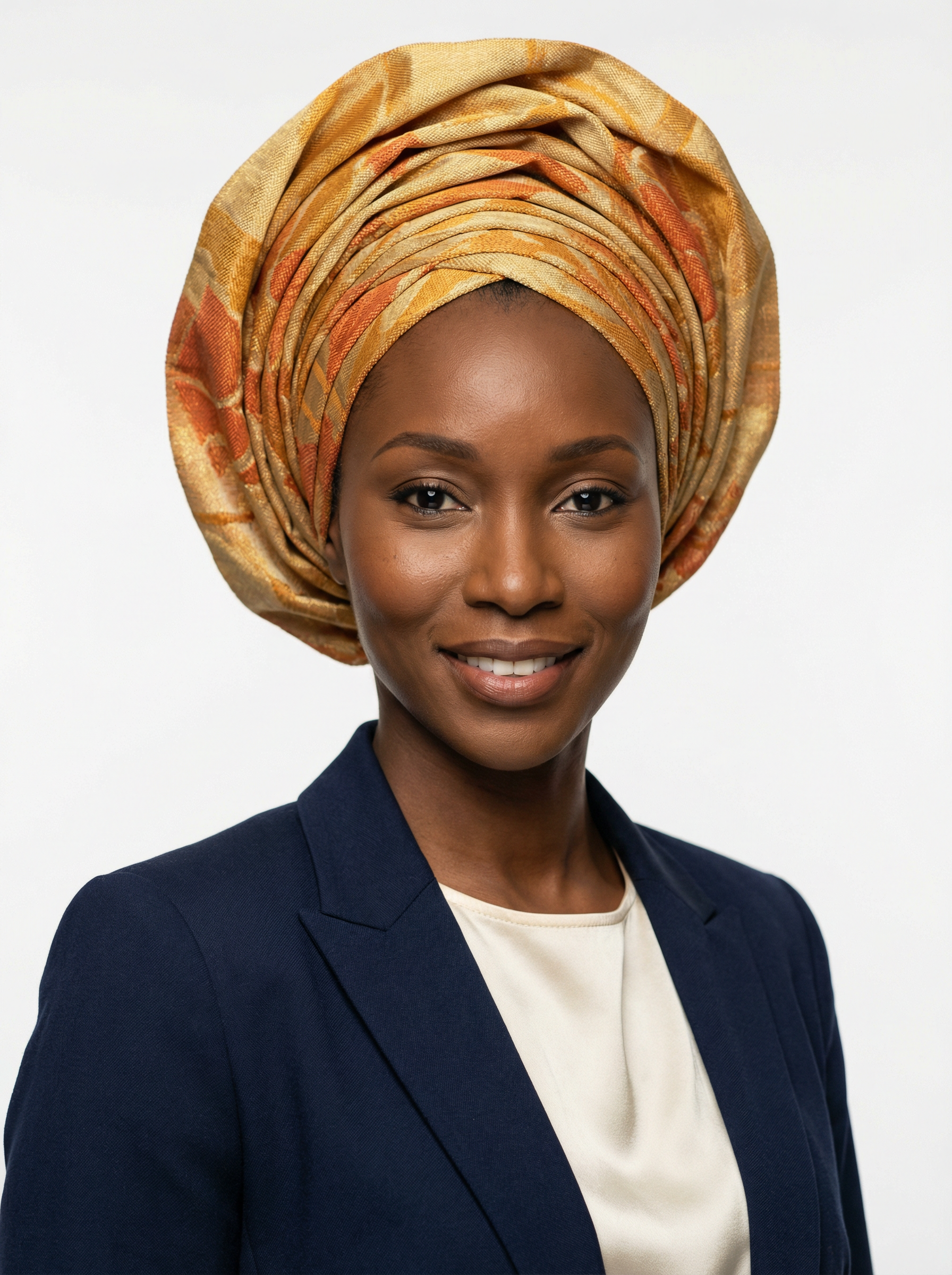

The year is 2030. Picture this: A young woman, barely 28, sits in a sun-drenched office overlooking Samora Machel Avenue in Harare. Her name is Tendai, and she is a lead AI ethicist for a major global tech firm, one of the giants, let us say, Google. Her salary, even after local adjustments, is a comfortable seven figures, in US dollars. Her team, a vibrant mix of Zimbabwean, Kenyan, and Nigerian talent, is building ethical frameworks for generative AI models that will influence billions of lives. This is not a dream, my friends, this is the future I see unfolding, a future shaped by the relentless, insatiable hunger for AI talent, a hunger that is finally turning its gaze to the African continent.
For too long, the narrative around Africa and technology has been one of consumption, of catching up. But the great AI talent war, with its dizzying salaries and fierce competition, is flipping that script. The demand for skilled AI engineers, researchers, and ethicists has exploded, driven by the likes of NVIDIA, OpenAI, and Microsoft. These companies are not just looking for coders; they are seeking problem-solvers, creative thinkers, and individuals who can navigate complex data landscapes with a nuanced understanding of human behavior and societal impact. And guess what? Africa, with its youthful population, burgeoning tech hubs, and unique cultural perspectives, is becoming an unexpected, yet utterly logical, frontier in this global scramble.
We are talking about a brain drain, yes, but one that is evolving into something far more intricate. It is less about our best minds leaving permanently and more about them operating globally, often from right here at home. The allure of seven-figure salaries, once reserved for the gilded cages of Silicon Valley, is now reaching into the bustling streets of Lagos, the innovative labs of Nairobi, and yes, the vibrant creative spaces of Harare. "The talent market for AI is utterly broken, in the best possible way for those with the skills," remarks Dr. Naledi Mkhize, a senior AI recruiter for Microsoft Africa, speaking from her Johannesburg office. "Companies are willing to pay almost anything for top-tier expertise, especially in niche areas like reinforcement learning or multimodal AI. We are seeing bidding wars that would make traditional finance look tame."
How do we get to this 2030 scenario from where we stand today, in April 2026? The path is already being paved. First, there is the undeniable demographic advantage. Africa has the youngest and fastest-growing population in the world. This means a vast pool of potential talent, eager to learn and innovate. Governments and private institutions, albeit slowly, are recognizing this. Universities in places like Rwanda, Ghana, and South Africa are rapidly scaling up their AI and data science programs. Here in Zimbabwe, institutions like the National University of Science and Technology, Nust, are seeing a surge in applications for their computer science departments, fueled by the promise of these high-paying global roles.
Second, remote work has become the norm, not the exception, for many high-tech roles. The pandemic accelerated this shift, and the AI industry, being inherently digital, has embraced it wholeheartedly. This means a brilliant AI researcher in Bulawayo can contribute to a project led by OpenAI in San Francisco, without ever leaving home. This decentralization of talent acquisition is a game-changer for countries like ours, allowing us to retain our people while they gain global experience and earn world-class wages. "The idea of physical proximity to headquarters is an outdated relic," says Mr. Kwame Nkrumah, a Ghanaian AI startup founder whose company, 'AfroBots', recently secured a seed round from a major US venture capital firm. "My team is distributed across four African countries, and we are building cutting-edge robotics solutions. The talent is here, the connectivity is improving, and the world is finally realizing it."
Key milestones on this journey will include the establishment of more dedicated AI research centers across the continent, funded by a mix of local governments, international development partners, and crucially, the very tech giants who stand to benefit. We will see accelerated investment in digital infrastructure, ensuring reliable internet access even in rural areas, because you cannot participate in a global AI economy without it. There will be a proliferation of online learning platforms, offering specialized AI certifications and degrees, often in partnership with global universities, making high-quality education accessible to millions. We will also witness a significant increase in local AI startups, like AfroBots, tackling African problems with African solutions, attracting further investment and creating a vibrant ecosystem.
So, who wins and who loses in this high-stakes game? The clear winners are the individuals with the skills. They will command unprecedented salaries, enjoy unparalleled career mobility, and have the power to shape the future of technology. Countries that proactively invest in Stem education, digital infrastructure, and policies that attract and retain talent will also win. They will see economic growth, increased foreign investment, and a flourishing innovation sector. I am thinking of nations like Kenya, Rwanda, and potentially, if we play our cards right, Zimbabwe.
However, there are potential losers too. Nations that fail to adapt, that cling to outdated educational models or stifle innovation with excessive bureaucracy, risk being left behind. They will face a true brain drain, where their brightest minds are indeed siphoned off without any reciprocal benefit. There is also the risk of exacerbating existing inequalities within countries. If AI education remains inaccessible to the majority, a small elite could benefit immensely while the rest struggle. We must ensure this new wealth and opportunity are distributed broadly.
What should readers, particularly those in Africa, do now? If you are young and ambitious, learn to code. Dive into data science. Explore machine learning. The resources are out there, many of them free or low-cost. Companies like Google and Microsoft are offering scholarships and training programs specifically for African youth. Keep an eye on platforms like TechCrunch for emerging opportunities and trends. For policymakers, the message is clear: invest, invest, invest. In education, in infrastructure, in creating an enabling environment for innovation. Support local startups, incentivize foreign tech companies to establish research and development centers here, not just sales offices. We need policies that encourage knowledge transfer and local capacity building, not just resource extraction.
This is not just about economics; it is about cultural sovereignty. If we want AI to reflect our values, our stories, our diverse experiences, we must be at the table, building it. The future is African, and it is being built by African minds. Watch this space, because the next decade will be transformative for our continent, driven by the very talent that the world is now clamoring for. We have an opportunity to leapfrog decades of traditional development, powered by the ingenuity of our people and the boundless potential of artificial intelligence. It is a thrilling prospect, one that fills me with immense hope for our collective future. For more insights into the societal impact of AI, you can explore articles on Wired. The time for Africa to lead in AI is not coming, it is here.