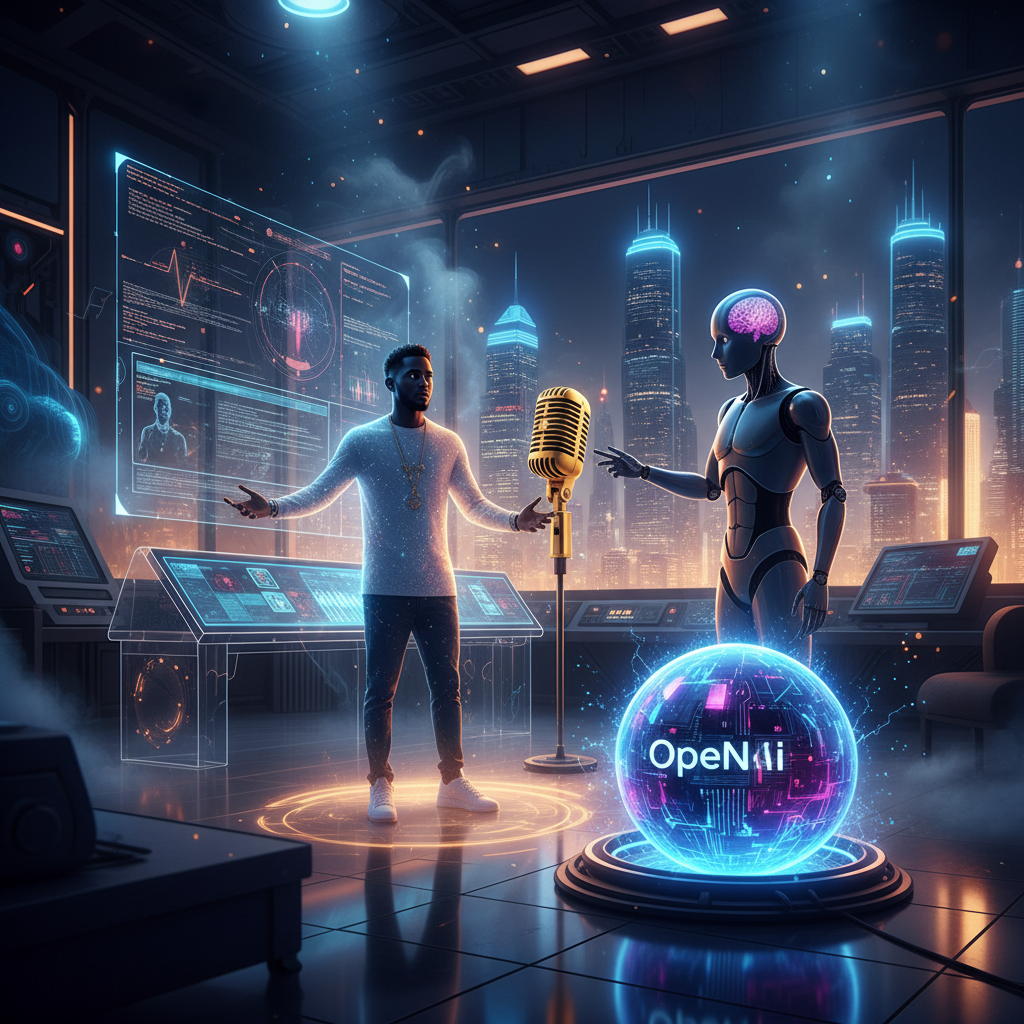
Picture this: it is 2031, and the hottest new Bongo Flava track, 'Mwezi Wangu,' is topping charts from Dar es Salaam to London. The melody is infectious, the lyrics poetic, and the beat, oh, the beat is pure fire. The artist, a fresh face known as 'Aura,' is everywhere. Only, Aura isn't a person. Aura is an advanced generative AI, trained on millions of hours of East African music, poetry, and storytelling, developed by a consortium of tech giants and local creative houses.
Now, here is the million-dollar question, or perhaps the multi-billion shilling question: who owns 'Mwezi Wangu'? Is it the engineers at OpenAI or Google who built Aura? Is it the record labels that licensed their vast catalogs for training data? Is it the ghost of every artist whose work was ingested, their creative essence distilled into an algorithm? Or, and this is where it gets truly wild, does Aura itself have some claim? You can't make this stuff up, can you?
This isn't some far-off science fiction. This is the intellectual property battlefield of tomorrow, and it is brewing right now. The question of 'who owns what an AI creates' is not just a philosophical debate for Silicon Valley elites; it is a very real, very urgent economic and cultural challenge that will reshape Tanzania and the entire African continent in the next 5-10 years.
The AI Art Explosion: From Today's Prompts to Tomorrow's Profits
Today, in April 2026, we are already seeing the nascent stages. Midjourney and Stability AI are churning out stunning visuals from text prompts. OpenAI's GPT models are writing passable articles and even short stories. Google's Gemini is composing music. These are still largely tools, extensions of human creativity. The human in the loop, the 'prompter,' is generally considered the copyright holder, much like a photographer owns the picture taken with a camera.
But the future, my friends, is not about mere tools. It is about autonomous creative agents. Imagine a scenario by 2028 where an AI, let us call her 'Zawadi,' not only generates a stunning landscape painting but also conceives the idea, selects the style, and executes it without a single human prompt beyond an initial directive to 'create a piece inspired by the Serengeti.' If Zawadi then sells that painting for millions, who gets the cheque? The programmer who wrote her code? The company that owns the server she runs on? Or Zawadi herself, perhaps through a trust fund managed by a DAO?
“The current legal frameworks for intellectual property are woefully inadequate for the coming wave of AI-generated content,” says Dr. Aisha Mchunga, a leading IP lawyer based in Dar es Salaam, who specializes in digital rights. “Our laws, both internationally and here in Tanzania, were designed for human creators. They simply do not account for autonomous AI. We are trying to fit a square peg into a very complex, multi-sided hole.”
How We Get There: Key Milestones and the Great Data Grab
The journey to this future is paved with data, algorithms, and a whole lot of legal wrangling. Here are some milestones we can expect:
- 2026-2027: The Data Scramble Intensifies. Major AI labs like Anthropic and Meta will be in a frantic race to acquire and license every piece of digital content imaginable: books, music, art, videos, code. The cost of this data will skyrocket, and creators will either be paid handsomely or find their work ingested without proper compensation, leading to massive lawsuits. We are already seeing the early skirmishes; expect full-blown copyright wars. Reuters has been tracking these developments closely.
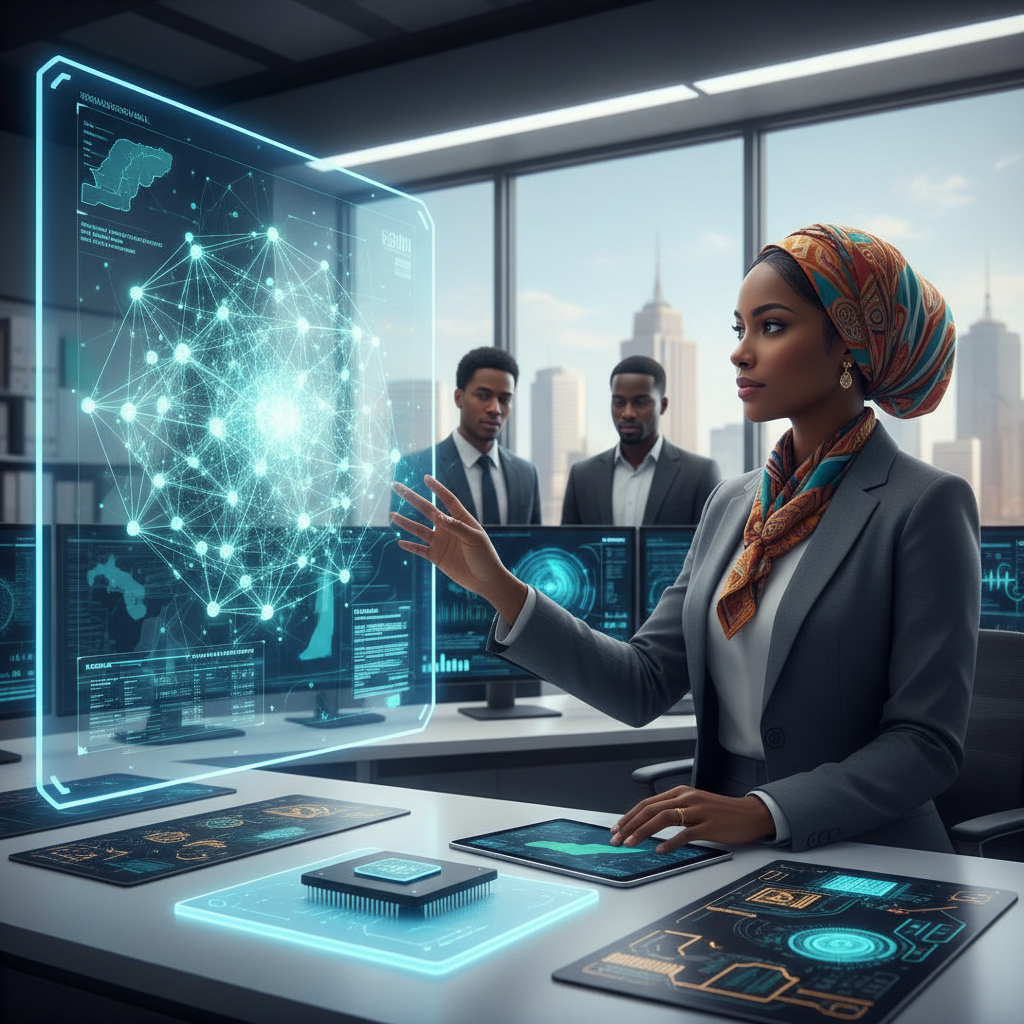
- 2027-2029: The Rise of Autonomous Creative Agents. AI models will evolve from mere generators to agents capable of independent creative thought and execution. They will learn, adapt, and produce novel works without continuous human oversight. This is when the 'authorship' question becomes truly thorny. Expect the first few landmark legal cases challenging traditional IP definitions.
- 2029-2031: Global IP Harmonization Attempts. Nations will realize the economic and cultural chaos caused by disparate IP laws. International bodies, perhaps even the World Intellectual Property Organization (wipo), will convene summits to attempt to create global standards for AI-generated IP. This will be a messy, politically charged process, with developing nations like Tanzania pushing for equitable access and benefit-sharing, not just Silicon Valley dominance.
- 2031-2033: The Emergence of AI-Owned IP. Some jurisdictions, likely progressive ones, will begin to experiment with legal frameworks that grant AIs a form of 'legal personality' for the sole purpose of owning their creations. This does not mean AIs will be citizens, but rather legal entities capable of holding assets, much like a corporation. This is where things get really weird. Welcome to the future, because it is weird.
Who Wins and Who Loses: A Tanzanian Perspective
Winners:
- Big Tech and Data Aggregators: Companies with vast data lakes and the computing power to train these advanced AIs will have an undeniable advantage. They will become the new gatekeepers of creativity, owning the 'means of production' for digital art. Think Google, Microsoft, and perhaps even some well-funded African tech hubs that manage to scale.
- Early Adopting Creators: Artists, musicians, and writers who learn to collaborate effectively with advanced AIs, using them as powerful co-creators rather than mere tools, will find new avenues for expression and commercial success. Imagine a Tanzanian fashion designer using AI to generate thousands of unique fabric patterns in minutes.
- Legal Professionals: Oh, the lawyers. They will be swimming in work, litigating every nuance of AI ownership, licensing, and infringement. Prepare for a boom in IP law firms specializing in AI.
Losers:
- Individual Human Creators (initially): Many traditional artists, musicians, and writers, especially those without the resources to leverage advanced AI, could find their work devalued or even made redundant. The market will be flooded with AI-generated content, driving down prices for human-made creations. This is a serious concern for a country like Tanzania, where the creative industries are a vital source of livelihood for many.
- Developing Nations without Robust IP Laws: Countries with weak or outdated intellectual property laws will struggle to protect their cultural heritage and local creators from being exploited by global AI models. Our rich oral traditions, unique music genres, and visual arts could be ingested and repurposed without any benefit returning to their originators. This is a critical point for policymakers here in Tanzania. What happens when a global AI generates a new version of 'Nani Kama Mama' without a single shilling going to the original artists or their estates?
- The Concept of Originality: The very idea of 'originality' will be challenged. If an AI synthesizes elements from millions of existing works, is its output truly original, or merely a sophisticated remix? This philosophical quandary has profound legal and cultural implications.
“The danger for African nations is that we become net consumers of AI-generated content, with the value being extracted by foreign entities,” warns Mr. Juma Msangi, Director of the Tanzania Copyright Society (cosota). “We need to invest in our own AI capabilities and, more importantly, establish robust legal frameworks that protect our cultural assets and ensure our creators benefit from this technological shift. We cannot afford to be spectators in this intellectual property gold rush.”
What Readers Should Do Now
For those of us in Tanzania and across Africa, sitting on the sidelines is not an option. This isn't just about Silicon Valley; it is about our cultural sovereignty and economic future.
- Educate Yourself: Understand the basics of AI and intellectual property. The more informed you are, the better equipped you will be to navigate these changes. Resources like MIT Technology Review offer excellent deep dives into these topics.
- Advocate for Policy: Engage with policymakers, local artists' associations, and legal bodies. Push for the development of forward-thinking IP laws that address AI authorship, data licensing, and equitable benefit-sharing. Our government needs to be proactive, not reactive.
- Explore AI Collaboration: If you are a creator, start experimenting with the AI tools available today. Understand their capabilities and limitations. Learn how to prompt effectively and integrate AI into your creative workflow. The future of creativity might be a partnership.
- Protect Your Data: For content creators, understand how your work is being used by AI models. Read terms and conditions carefully. Advocate for clear consent mechanisms and fair compensation for the use of your data in training sets.
The debate over AI and intellectual property is not just about who gets rich; it is about the very definition of creativity, authorship, and cultural heritage in the digital age. For Tanzania, it is an opportunity to shape a future where our vibrant creative spirit continues to thrive, even as algorithms learn to sing our songs. Only in East Africa, perhaps, can we find a uniquely human solution to this uniquely artificial problem. The clock is ticking, and the melodies of tomorrow are already being composed. The question is, whose name will be on the album cover? And more importantly, whose bank account will swell? The answer depends on what we do today. For more on the evolving landscape of AI and creativity, check out articles on The Verge.