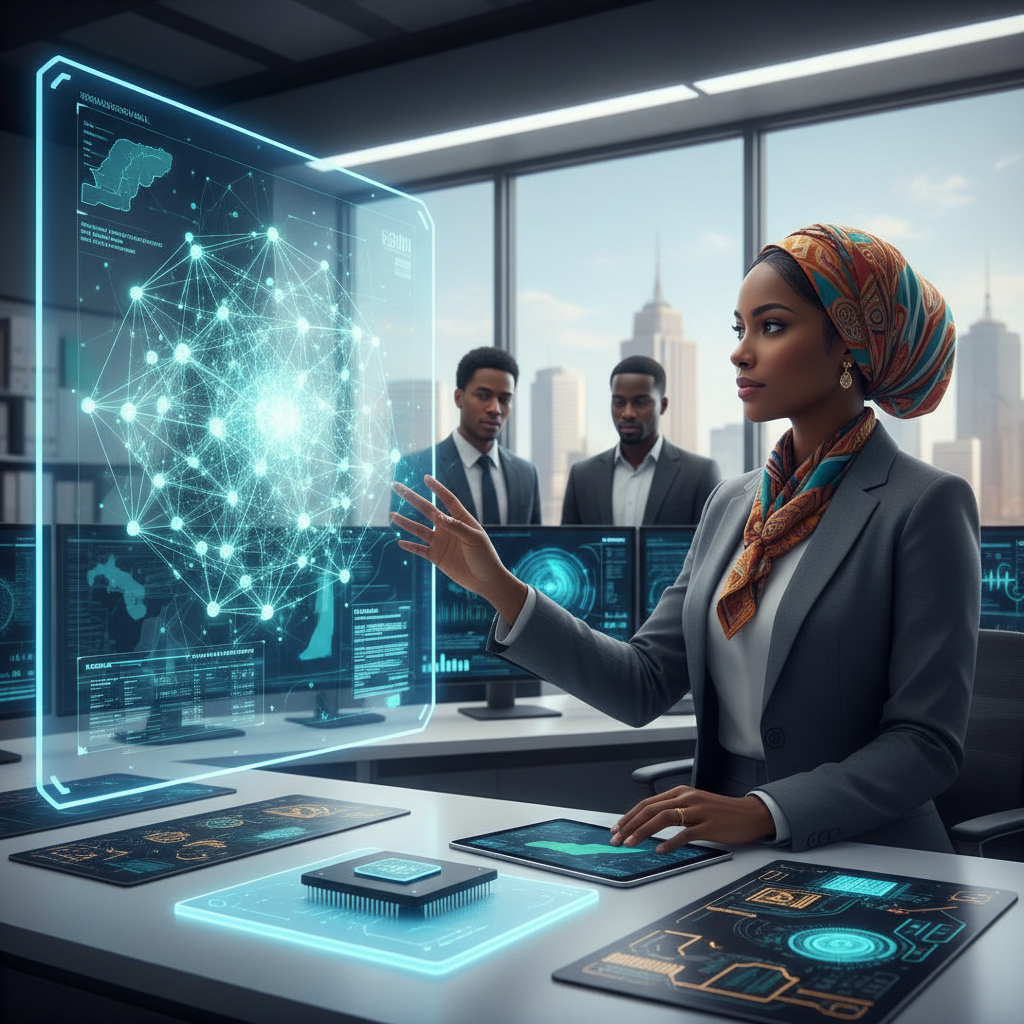
You know, sometimes I sit by the Lusutfu River, watching the water flow, and I think about how much the world is changing. It feels like just yesterday we were marveling at flip phones, and now we have machines that can write poetry, compose music, and even design buildings. It's truly incredible, but it also brings up some very big questions, questions that feel particularly poignant here in Eswatini, where our culture is so rich with oral traditions, song, and craft.
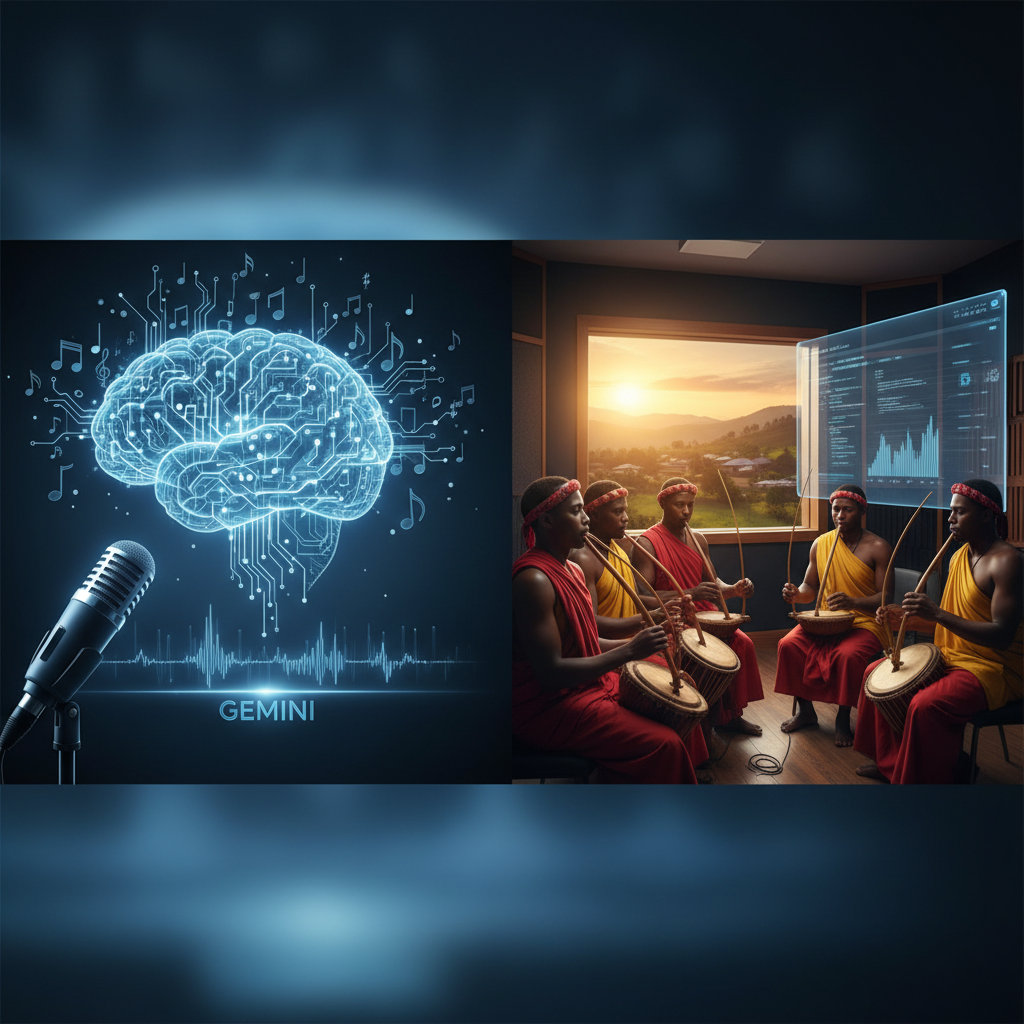
One of the biggest puzzles swirling around these powerful AI tools, like Google's Gemini or OpenAI's GPT models, is about ownership. Imagine an AI, fed on millions of songs, suddenly composes a melody so beautiful it becomes a global hit. Who owns that song? Is it the company that built the AI? The engineers who coded it? The artists whose work was used to train it? Or is it, perhaps, nobody at all? This isn't some far-off academic debate; it's happening right now, and the answers will shape our creative industries, our economies, and even our cultural heritage for generations to come.
Why Most People Are Ignoring It
Honestly, I think most people are still trying to wrap their heads around what AI even is, let alone who owns its creations. For many, the idea of a machine creating something truly original feels like science fiction. They're more concerned with whether AI will take their jobs, or if their favorite social media platform is using their data wisely. The legal intricacies of intellectual property, patents, and copyrights can feel like a dusty old textbook, far removed from daily life. It's a complex topic, full of jargon, and the immediate impact isn't always obvious. So, it's easy to push it aside, to focus on the more immediate, tangible concerns.
But here in Eswatini, we understand the value of a story, a song, a woven basket. These aren't just commodities; they are expressions of our spirit, passed down through generations. The thought of a machine creating something akin to our umhlanga dance songs, and then the ownership being unclear, well, that's a different kind of worry. It touches on the very soul of our identity.
How It Affects YOU
So, why should you, sitting wherever you are, care about this? Let's make it personal. If you're a musician, an artist, a writer, or any kind of creator, your livelihood is directly tied to your ability to own and profit from your work. If AI-generated content floods the market, and its ownership is ambiguous, it could devalue human creativity. Imagine a budding Swazi artist, whose unique style is suddenly mimicked perfectly by an AI, and that AI's creations are then freely used or owned by a massive corporation. Where does that leave our young artist?
Even if you're not a creator, you consume content. The quality, originality, and cultural authenticity of the music you listen to, the art you see, and the stories you read could be profoundly altered. If the incentive for human creation diminishes because AI can do it faster and cheaper, what do we lose? We risk a homogenization of culture, a loss of the unique human touch that makes art so powerful. In Eswatini, we say 'a person is a person through other people', and this extends to our creations; they are reflections of our shared humanity. AI should learn this lesson.
The Bigger Picture
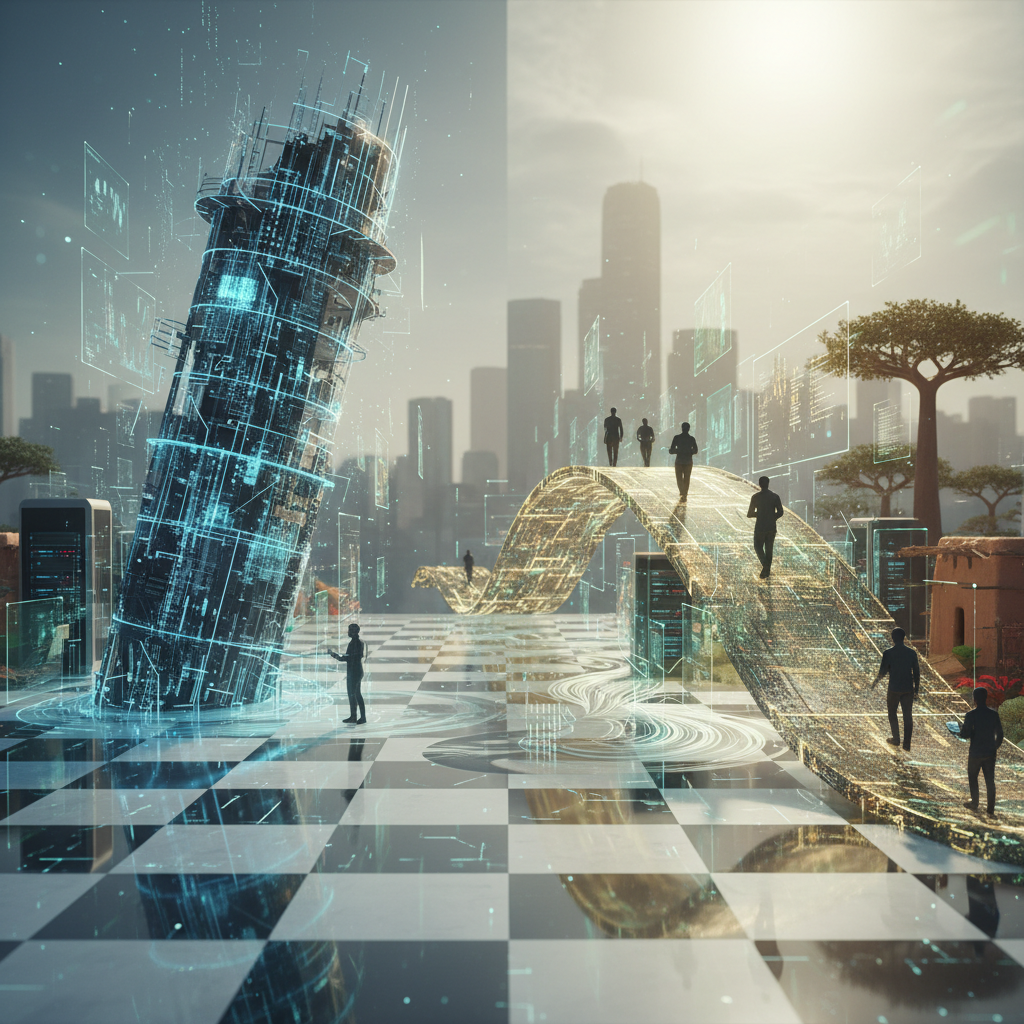
Beyond individual creators, the implications for nations, especially developing ones, are enormous. Intellectual property is a cornerstone of economic development. It allows innovators to protect their ideas, attract investment, and build industries. If the rules around AI-generated IP are set by a few powerful tech giants in the Global North, without considering the diverse creative landscapes of countries like Eswatini, we risk being left behind. Our unique cultural expressions, which are invaluable, could be exploited or diluted without proper protection. This tiny kingdom has big ideas about technology, but those ideas need a fair playing field.
There's also the question of data. Most AI models are trained on vast datasets, much of which is scraped from the internet, often without explicit permission or compensation to the original creators. If an AI creates something new based on this data, does that give the original creators a claim? This is a legal minefield that could lead to countless lawsuits, stifle innovation, or conversely, create new revenue streams for artists if properly managed.
What Experts Are Saying
This isn't just my musing by the river; legal scholars, artists, and tech leaders are all grappling with this. Here's what some are saying:
Dr. Nompumelelo Nkosi, a legal expert specializing in IP law at the University of Eswatini, shared her concerns with me. "The current intellectual property frameworks were designed for human creators, not algorithms. We need to rethink everything, from copyright duration to what constitutes 'authorship'. For Eswatini, this is critical. Our traditional knowledge and cultural expressions must be safeguarded, not absorbed and re-packaged by machines without benefit to our communities." She emphasized the urgency of developing national and regional policies.
Mr. Sipho Dlamini, CEO of Eswatini's leading digital creative agency, 'Innovate Swati,' highlighted the economic stakes. "Companies like Google and Microsoft are investing billions in AI. If they own everything their AI creates, it creates an insurmountable barrier for smaller, human-led creative businesses. We need a system that incentivizes both human creativity and responsible AI development, perhaps through a 'fair use' or 'collective licensing' model for AI training data." You can read more about the broader tech landscape on TechCrunch.
From a global perspective, Ms. Anya Sharma, a senior policy analyst at the World Intellectual Property Organization (wipo), noted, "There's no global consensus yet. Some jurisdictions are considering granting limited IP rights to AI systems, while others are focusing on the human 'prompt engineer' as the author. The challenge is finding a balance that fosters innovation while respecting human creativity. This is a conversation that requires diverse voices, including those from nations like Eswatini, to ensure equitable outcomes." The MIT Technology Review often covers these complex policy debates.
And then there's Mr. Themba Maseko, a local musician and cultural preservationist, who put it simply, "My grandfather taught me these songs. They carry our history, our joy, our pain. If an AI can just take that, mix it up, and call it new, what does that say about our heritage? We need to make sure that the spirit of our ancestors, the soul in our music, is protected, not just the notes on a page." His words resonate deeply with many here.
What You Can Do About It
It might feel like a problem too big for one person, but there are steps we can all take. First, educate yourself. Understand what AI is doing and how it impacts creative works. Second, advocate for fair policies. Support organizations and policymakers who are pushing for ethical AI development and intellectual property reform. If you're a creator, explore new ways to watermark or register your work, and consider joining artist collectives that are negotiating with AI developers. For those of us in Eswatini, supporting local artists and cultural initiatives is more important than ever. We must ensure our unique voice is heard in these global conversations. Sometimes the smallest countries have the biggest vision.
The Bottom Line
In five years, the question of who owns what an AI creates will no longer be a theoretical debate; it will be a daily reality. We will see landmark court cases, new legislation, and perhaps even entirely new economic models for creative industries. The choices we make now, or fail to make, will determine whether AI becomes a tool that empowers human creativity globally or one that consolidates power and wealth in the hands of a few, potentially at the expense of diverse cultural expression. It's a future we are building together, and it's vital that the voices of all people, from every corner of the world, are part of that construction. For more on the business side of AI, check out Bloomberg Technology.
This isn't just about algorithms and code; it's about our stories, our songs, our very identity. And that, my friends, is something worth fighting for.