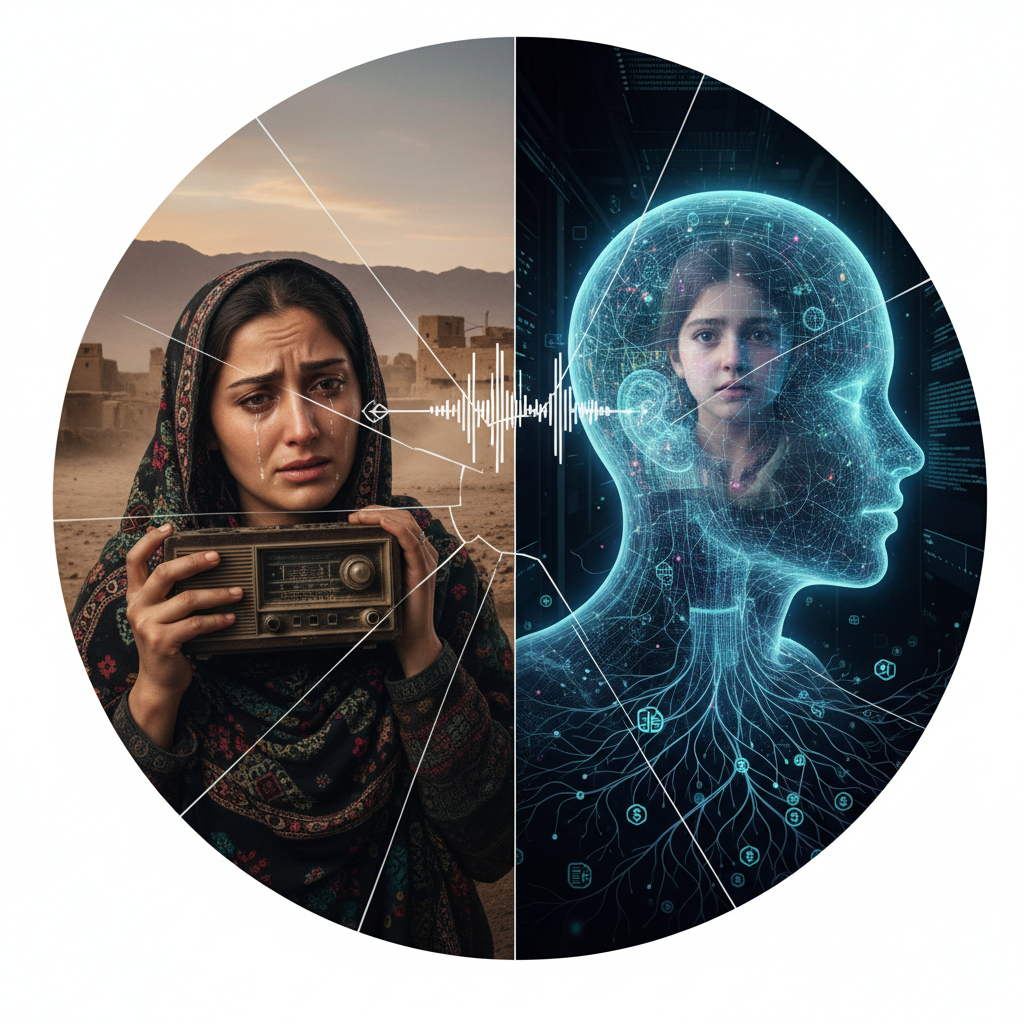
The call came late, a frantic whisper on a crackling line. “Mama, I am in trouble. I need money, quickly. Don't tell anyone.” The voice, though distorted, was unmistakably that of Zahra, my neighbor’s daughter, who had left for Kabul to pursue her studies. My neighbor, Bibi Gul, a woman whose life has been a testament to resilience through decades of conflict, felt a cold dread grip her heart. She scraped together every Afghani she had, borrowing from relatives, selling a precious heirloom. It was a substantial sum, a fortune for her, transferred to an unfamiliar account as instructed. Only later, when Zahra called from Kabul, safe and unaware, did the horrifying truth emerge: it was a sophisticated scam, an AI-generated voice clone, a digital ghost of her daughter. Bibi Gul’s story is not unique, it is a harrowing echo across our nation, a new front in the battle for dignity and security. This is about dignity, not just money. It is about the erosion of trust, the manipulation of love, and the psychological scars left when technology, designed elsewhere, is weaponized against the most vulnerable among us. The profound impact of AI-powered scams, from voice cloning to elaborate phishing schemes and financial crimes, is reshaping human cognition, behavior, and relationships in Afghanistan in ways we are only beginning to comprehend. The very fabric of our tightly-knit communities, built on oral tradition and personal connection, is being unraveled by these insidious digital threats.
In a country where formal institutions are often fragile and trust is primarily placed in family and community networks, the psychological impact of these AI-driven deceptions is particularly devastating. The cognitive dissonance experienced by victims, believing they heard a loved one's voice, only to discover it was a machine's mimicry, can lead to deep trauma. Dr. Ahmad Shah Massoud, a psychologist specializing in trauma recovery at Kabul University, explains, “The human brain is wired to recognize familiar voices as a primary identifier of safety and connection. When an AI replicates that voice to commit fraud, it creates a profound sense of betrayal, not just by the scammer, but by the very sense of reality the victim holds. It can induce paranoia, social withdrawal, and a deep mistrust of communication itself.” He estimates that reported cases of AI voice cloning scams have surged by over 300% in the last year alone, though many more go unreported due to shame and fear.
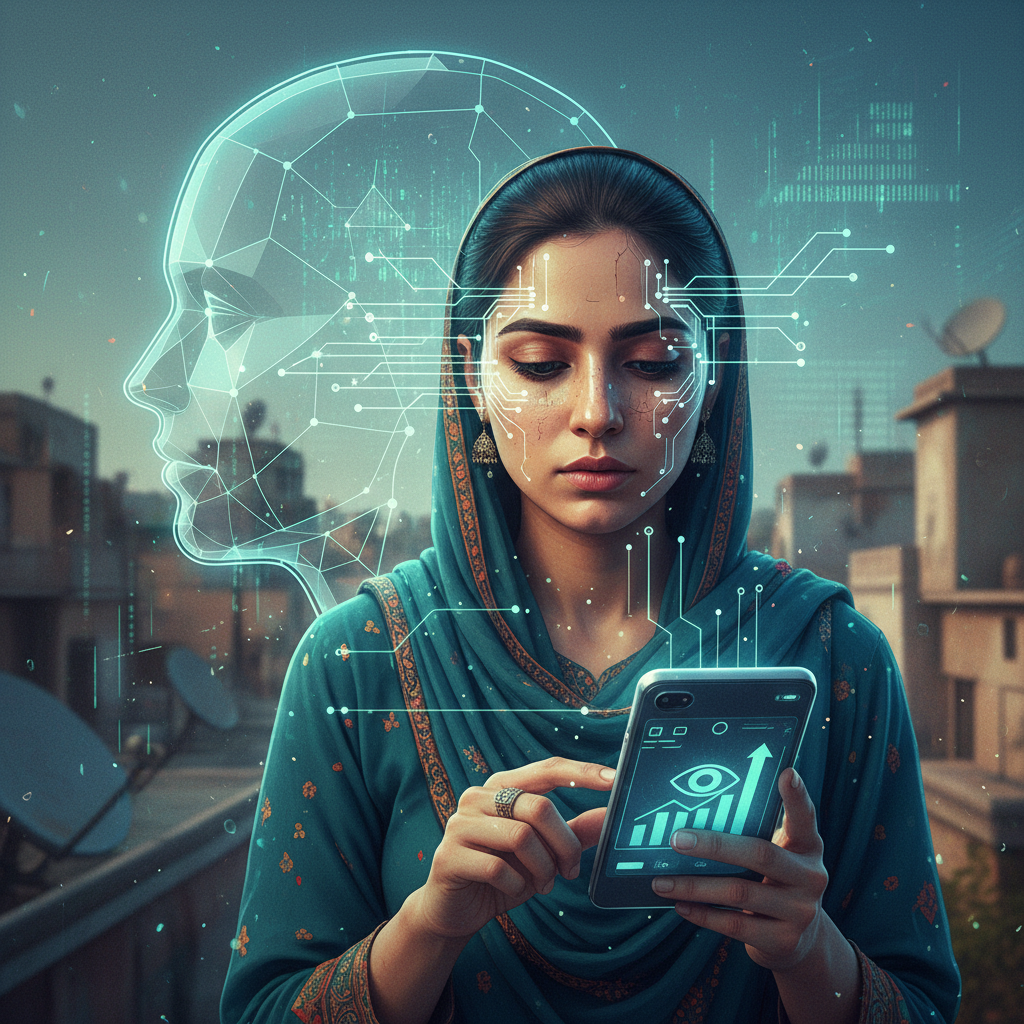
The sophistication of these tools, often leveraging publicly available audio data and advanced generative AI models from companies like Google’s DeepMind or OpenAI, means that even a short audio clip can be enough to create a convincing replica. The scammers are not always foreign actors, increasingly, local opportunists are acquiring these tools, exploiting cultural nuances and intimate family knowledge to make their attacks even more potent. Phishing attempts, once easily identifiable by poor grammar, are now crafted with impeccable local dialect and cultural references, making them almost indistinguishable from legitimate communications. They often target individuals with perceived connections to international aid, remittances, or those with family abroad, exacerbating existing vulnerabilities.
Consider the case of Karim, a shopkeeper in Herat, who lost his life savings to a phishing email that appeared to be from a well-known international NGO, promising grants for small businesses. The email, flawlessly written in Dari, even included a logo and contact details that seemed legitimate. “I have always been careful,” Karim recounted, his voice heavy with despair, “but this one, it spoke to my hopes, to my desire to rebuild. It felt real, like a hand reaching out. Now, I question everything I read, everything I see online.” His experience highlights a critical cognitive shift: the erosion of digital literacy and critical thinking in the face of hyper-realistic AI-generated content. The constant need to discern truth from sophisticated falsehoods creates what psychologists call 'cognitive overload' and 'decision fatigue', leaving individuals more susceptible to manipulation.
Broader societal implications are equally concerning. The widespread fear of AI-powered deception can lead to a breakdown of social cohesion. People become hesitant to trust calls from unknown numbers, even from family members, or to engage in online transactions. This isolation can be particularly damaging in a society that relies heavily on informal networks for support and commerce. “The digital divide here is not just about access to technology, it is about access to knowledge and protection against its misuse,” states Dr. Laila Nazari, a sociologist studying technology adoption in Afghanistan. “When the tools of progress become instruments of exploitation, it deepens existing inequalities and further marginalizes those who are already struggling.” She points out that women, often with less access to formal education and financial literacy, are disproportionately affected by these scams, further entrenching gender disparities.
Technology should serve the most vulnerable, yet here we see it amplifying their precarity. The rapid advancements in generative AI, from voice synthesis to deepfake video creation, are outpacing our collective ability to educate and protect our citizens. While companies like Anthropic and Meta are investing in AI safety and ethics, their innovations are often developed and deployed in contexts far removed from the realities of places like Afghanistan. The responsibility, therefore, falls not only on tech giants to build more secure and transparent systems, but also on local authorities and international partners to implement robust educational campaigns and accessible reporting mechanisms. We need culturally sensitive digital literacy programs, delivered in local languages, that explain the mechanics of these scams and equip people with the tools to verify information. This includes teaching simple verification techniques, such as establishing verbal passcodes with family members or insisting on video calls for sensitive financial requests.
Moreover, there is an urgent need for legal frameworks that address AI-powered fraud, coupled with law enforcement capabilities to investigate and prosecute these crimes. Without accountability, the perpetrators will continue to operate with impunity, preying on the hopes and fears of our people. Behind every algorithm is a human story, and in Afghanistan, these stories are increasingly marked by loss, betrayal, and the profound psychological burden of a world where even a loved one's voice can be a lie. It is a stark reminder that as AI progresses, our focus must remain on the human element, on protecting the very trust and connection that define our humanity. The fight against AI-powered deception is not just a technological challenge, it is a moral imperative to safeguard our collective well-being.
For more insights into the societal impacts of AI, you can read articles on Wired's AI section or explore research on MIT Technology Review. The latest developments in AI technology can also be found on TechCrunch's AI category.