
Let us be honest, the world of accounting and audit has always been a bit like a dusty old ledger, meticulously kept, painfully slow, and rarely exciting. But if you think that is how it will remain, you are not paying attention. We are standing on the precipice of a seismic shift, one that will redefine trust, transparency, and perhaps even the very nature of economic sovereignty. And from my vantage point in Budapest, I see a future that is both dazzlingly efficient and deeply unsettling.
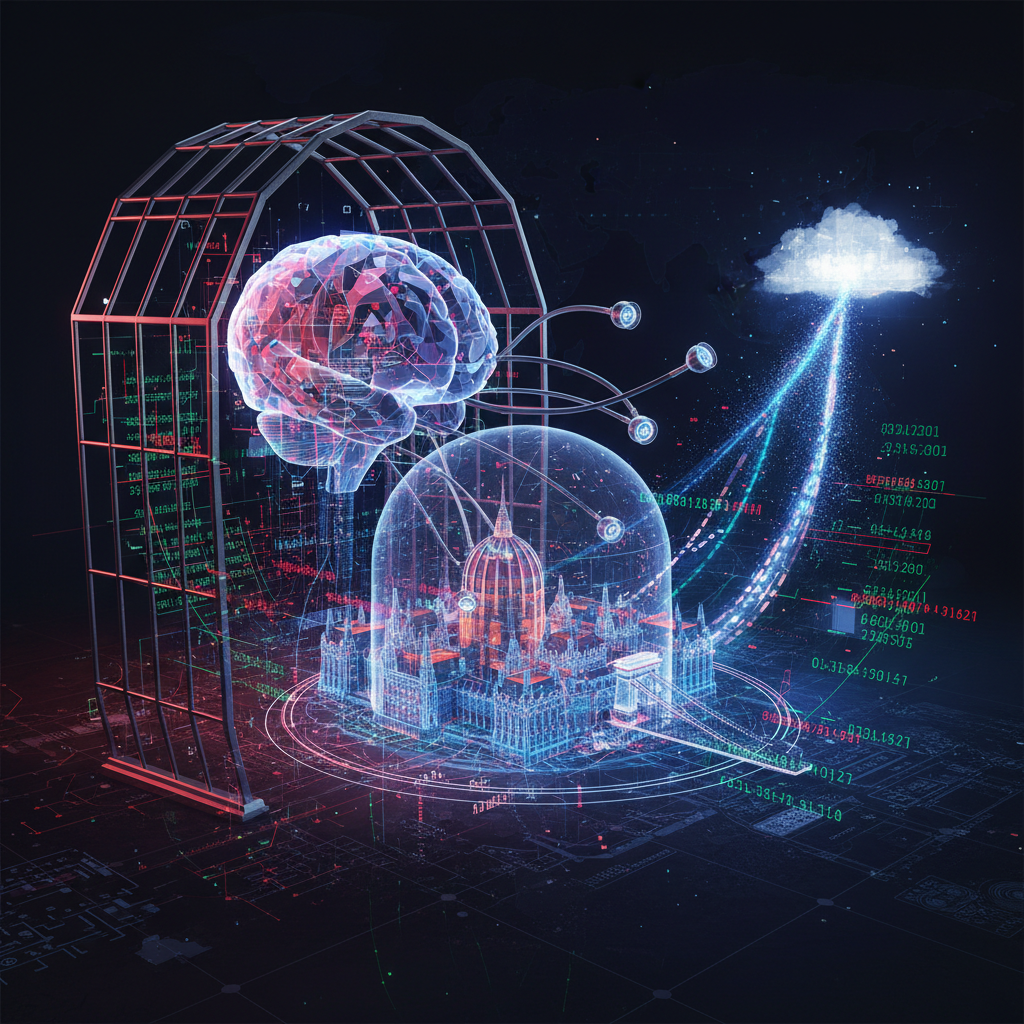
Imagine this: it is 2031. A small manufacturing firm in Győr, a company that has been the backbone of its community for generations, files its annual report. But there is no frantic scramble of human accountants, no late nights poring over spreadsheets. Instead, a sophisticated AI system, perhaps an evolution of what we now see from giants like Google DeepMind or even specialized startups like MindBridge, has been continuously monitoring every transaction, every invoice, every payroll entry in real time. This AI, let us call it 'Magyar AuditBot,' does not just process data; it understands context, flags anomalies with surgical precision, and even predicts potential compliance breaches before they occur. The audit, traditionally a months-long ordeal, is now a continuous, instantaneous process. The final sign-off is less about human verification and more about human oversight of an almost perfect machine. This is not science fiction; this is the inevitable march of progress, powered by the exponential growth of AI capabilities.
How do we get there from today, April 2026? The path is already being paved. Right now, companies like PwC and Deloitte are heavily investing in AI tools for their audit practices. We see early versions of robotic process automation (RPA) handling repetitive tasks, natural language processing (NLP) extracting key information from contracts, and machine learning algorithms identifying patterns indicative of fraud. The current phase, let us call it 'AI-Assisted Accounting,' is about augmenting human capabilities. Accountants are becoming less data entry clerks and more strategic analysts, interpreting the insights generated by these nascent AIs. They are still in the driver's seat, but the dashboard is getting smarter.
Over the next five years, we will witness a rapid acceleration. The 'Magyar AuditBot' scenario will become commonplace. Key milestones will include the widespread adoption of AI-powered general ledgers that self-reconcile, real-time tax compliance engines that adapt to changing regulations, and predictive analytics that forecast financial risks with unprecedented accuracy. The integration of large language models (LLMs) like OpenAI's GPT-4 or Anthropic's Claude into these systems will allow them to interpret complex legal texts, generate detailed audit reports, and even engage in natural language queries with human supervisors. This means a Hungarian auditor in 2029 might ask their AI assistant,