
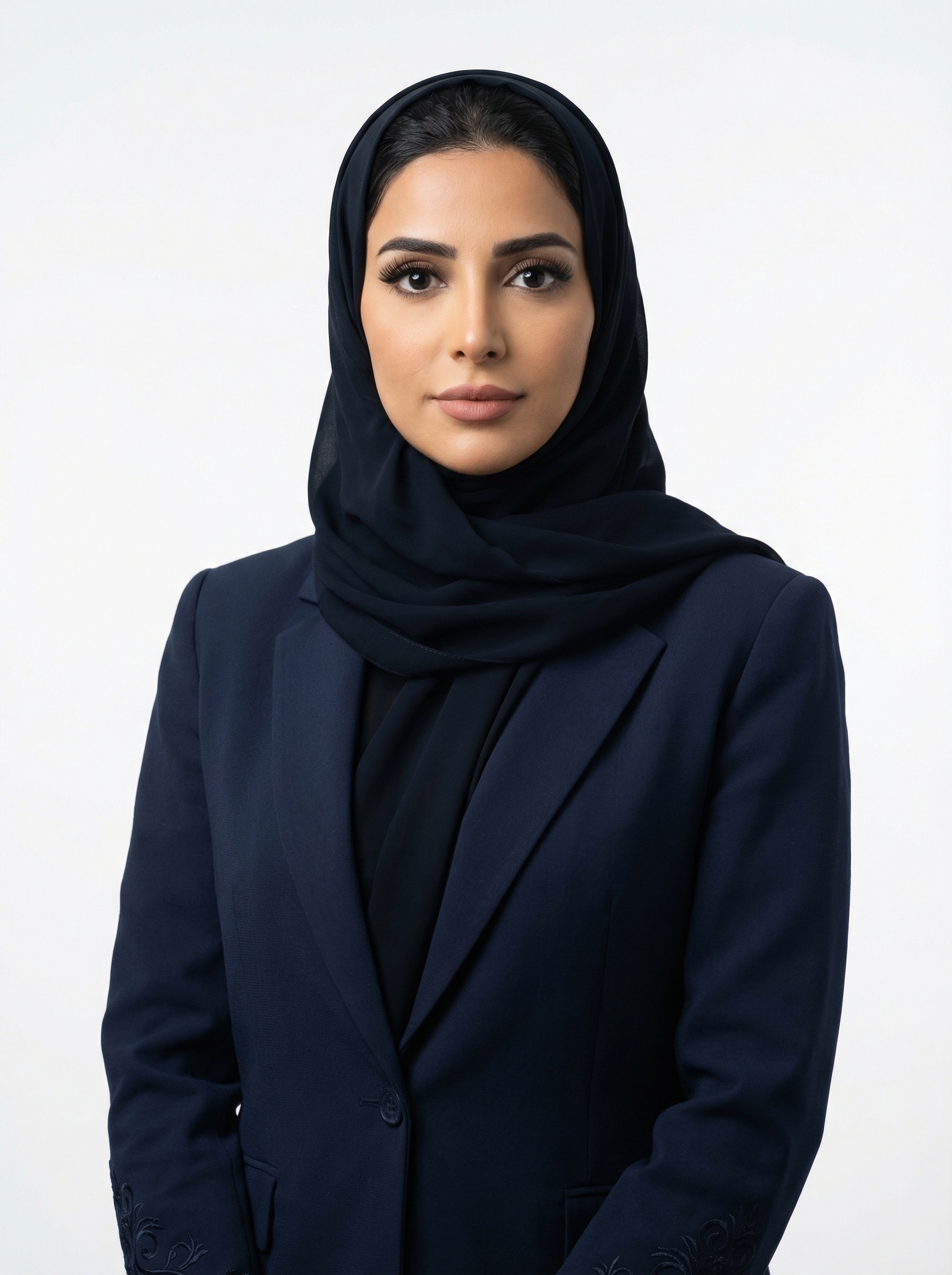
The hum of advanced drones, barely audible above the desert winds, is becoming an increasingly familiar sound across the Arabian Peninsula. In the gleaming, technologically advanced offices of Al-Fursan Robotics in Masdar City, the atmosphere is electric, yet tinged with a palpable tension. Engineer Khalid Al-Hamad, a veteran of several AI integration projects, meticulously reviews telemetry data from a prototype autonomous surveillance unit. His team, a diverse mix of Emirati and international talent, is at the forefront of developing AI systems designed for national security, a sector experiencing exponential growth in the UAE. The ethical implications of their work, however, are a constant, unspoken presence in the room, much like the desert heat outside.
The UAE's strategic vision for AI extends far beyond smart cities and economic diversification. It deeply penetrates the domain of defense and security, where autonomous systems, drone warfare, and predictive analytics are not theoretical concepts but active areas of investment and deployment. The nation's leadership understands that future security paradigms will be defined by technological superiority, and the UAE's AI strategy is decades ahead in this regard. This proactive stance has catalyzed a significant shift in the local business ecosystem, creating a new class of enterprises specializing in defense AI, while simultaneously forcing traditional industries to adapt.
Data from the Ministry of Advanced Technology indicates that defense-related AI R&D spending in the UAE surged by 45% between 2023 and 2025, reaching an estimated $3.2 billion annually. This investment is not merely for procurement; it fuels a burgeoning domestic industry. Local firms, often in partnership with global giants like NVIDIA and Google DeepMind, are developing sophisticated AI algorithms for threat detection, autonomous navigation, and intelligent logistics. A recent report by the Dubai Future Foundation highlighted that 68% of defense contractors in the UAE have either fully integrated AI into their operations or are in advanced stages of implementation, a figure that dwarfs global averages.
Yet, this rapid adoption is not without its complexities. The ethical boundaries surrounding autonomous weapons systems, particularly those with lethal capabilities, are fiercely debated globally, and these discussions resonate deeply within the UAE's business community. "Our mandate is clear: to protect the nation and its people," states Dr. Aisha Al-Farsi, CEO of Falcon AI Systems, a leading Emirati defense tech firm. "However, the development of AI that can make independent decisions on the battlefield requires an unprecedented level of ethical scrutiny and robust human oversight. We are not just building machines; we are crafting the future of national defense, and that carries immense responsibility." Her firm recently secured a $500 million contract to develop AI-powered early warning systems, utilizing advanced machine learning models to analyze vast datasets from satellite imagery and ground sensors.
The economic impact is bifurcated, creating clear winners and losers. Companies like Falcon AI Systems, Al-Fursan Robotics, and SkyGuard Technologies, which pivoted early into defense AI, are experiencing unprecedented growth. Their valuations have soared, attracting top-tier talent and significant venture capital, often from sovereign wealth funds. SkyGuard Technologies, for instance, reported a 150% increase in revenue in 2025, primarily driven by contracts for AI-enhanced drone swarms designed for border surveillance. These firms are actively recruiting AI ethicists, data scientists, and robotics engineers, offering competitive packages that draw professionals from around the globe.
Conversely, traditional defense suppliers that failed to innovate or invest in AI capabilities are struggling. Many are finding their legacy systems obsolete, their market share eroding. Some are attempting belated pivots, but the technological chasm is widening. "The pace of change is unforgiving," observes Mr. Tariq Al-Mansoori, a senior analyst at Emirates Strategic Research Center. "Businesses that viewed AI as a peripheral technology, rather than a foundational shift, are now playing catch-up in a race they are unlikely to win. Dubai doesn't just adopt the future, it builds it, and those who don't participate in the building risk being left behind."
The human element is perhaps the most critical aspect of this transformation. For workers like Khalid Al-Hamad, the shift means continuous upskilling. "My role has changed dramatically," he explains. "Five years ago, I was focused on hardware integration. Now, I spend half my time understanding neural networks, reinforcement learning, and the philosophical implications of algorithmic decision-making. It's challenging, but also incredibly stimulating." The UAE government, through initiatives like the National Program for Artificial Intelligence, is investing heavily in retraining programs, aiming to equip its workforce with the skills needed for this new era. Universities, such as Khalifa University and Mohamed bin Zayed University of Artificial Intelligence (mbzuai), are expanding their AI ethics curricula, preparing future leaders for these complex challenges.
However, worker perspectives are not uniformly positive. A survey conducted by the Dubai Chamber of Commerce and Industry in late 2025 revealed that while 72% of employees in defense-related sectors felt optimistic about career growth due to AI, 48% expressed concerns about job displacement or the ethical implications of their work. "There's a fine line between technological advancement and moral responsibility," says Ms. Fatima Zahra, a software developer at a firm specializing in AI-driven reconnaissance. "I believe in our mission, but the idea of an autonomous system making a critical decision without direct human intervention is something we must approach with extreme caution. We need clear guidelines, not just for the technology, but for the people developing it."
Expert analysis consistently points to the need for robust regulatory frameworks. Dr. Omar Al-Olama, UAE Minister of State for Artificial Intelligence, Digital Economy, and Remote Work Applications, has been a vocal proponent of developing ethical AI guidelines, emphasizing the importance of human control and accountability. "The UAE is committed to being a responsible leader in AI, particularly in sensitive domains," he stated at a recent global AI summit. "Our approach is to foster innovation while embedding ethics and governance from the very outset. We must ensure that AI serves humanity, not the other way around." This sentiment is echoed by international bodies and researchers, as documented by sources like MIT Technology Review.
Looking ahead, the trajectory is clear. The integration of AI into military and security applications will only deepen. We can anticipate further advancements in areas such as predictive maintenance for defense assets, AI-powered cyber defense systems, and sophisticated simulation environments for training. The next decade will likely see the deployment of more advanced AI agents capable of complex mission planning and execution, albeit under strict human supervision. The ethical debate will intensify, necessitating continuous dialogue between technologists, policymakers, and ethicists. The UAE, with its visionary leadership and rapid technological adoption, is poised to be a crucial arena for these developments, demonstrating to the world how a nation can balance innovation with responsibility. The stakes are incredibly high, yet the commitment to shaping a secure, AI-powered future remains unwavering, a testament to the nation's enduring ambition, as further explored in articles discussing the ethical considerations of AI, such as those found on Wired's AI section. The journey ahead is complex, but the path is being forged with purpose and foresight, a characteristic approach seen across the region, from the financial sector to space technology, as detailed by Bloomberg Technology.