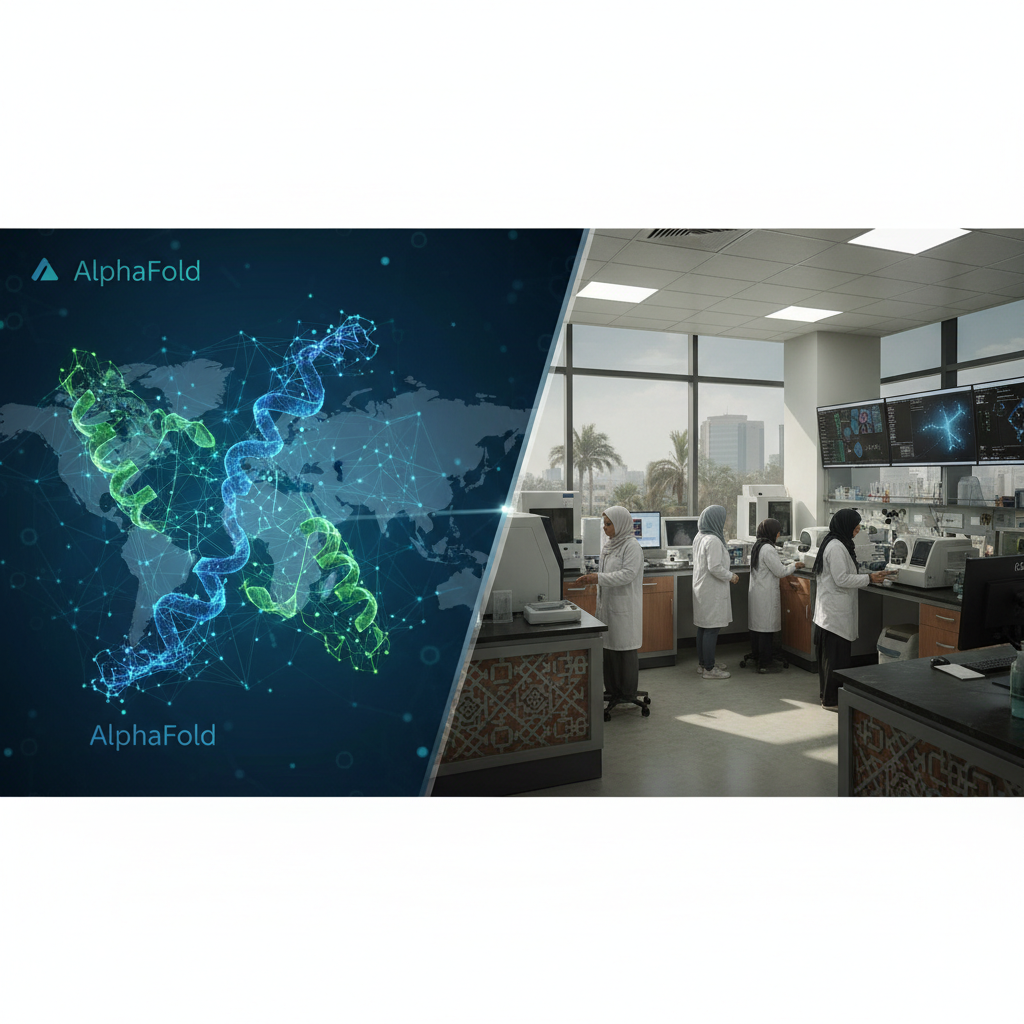

The air in Karachi's bustling pharmaceutical district always carries a certain scent: a mix of antiseptic, raw materials, and the persistent hum of ambition. I was recently at a small lab, tucked away in a less glamorous part of the city, where young scientists, mostly women, were meticulously pipetting samples. Their equipment was modest, their budget tighter than a drum, yet their eyes held the same spark of discovery I have seen in the most advanced facilities abroad. They spoke of AlphaFold, of RosettaFold, of the miracles these AI models were performing in predicting protein structures. They spoke of hope.
But hope alone does not build infrastructure, nor does it bridge the chasm between cutting-edge global research and local realities. The breakthroughs in AI protein folding, particularly those spearheaded by Google DeepMind's AlphaFold, have been nothing short of revolutionary. Imagine, for a moment, the years, even decades, it once took to experimentally determine a single protein's 3D structure. Now, AI can predict these complex architectures with astonishing accuracy, often in mere minutes or hours. This is not just a scientific curiosity; it is a seismic shift accelerating drug discovery, vaccine development, and the creation of novel materials at a pace previously unimaginable.
Globally, the impact is already being measured in billions. Pharmaceutical giants like AstraZeneca and Novartis are reportedly investing heavily, integrating AI protein prediction into their R&D pipelines. McKinsey & Company's recent reports suggest that AI in drug discovery could reduce early-stage development costs by up to 50% and shorten timelines by several years. This translates into faster access to life-saving medicines and more efficient resource allocation. For materials science, companies are using these models to design enzymes for industrial processes, develop new polymers, and even create more sustainable catalysts. The potential return on investment is enormous, driving a fierce competition among those with the resources to leverage this technology.
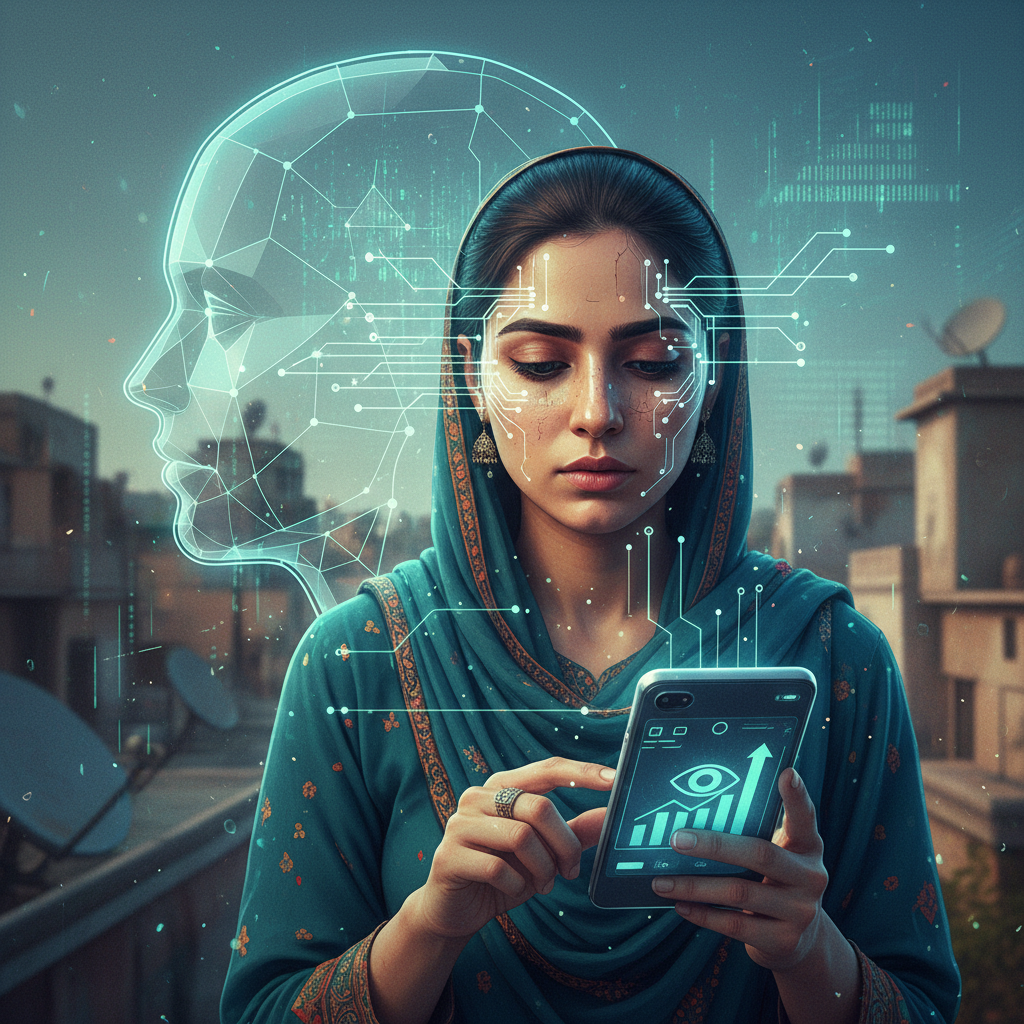
But what about Pakistan? Where do we stand in this global race? While the enthusiasm among our scientists is palpable, the practical adoption rates tell a different story. According to a recent survey by the Pakistan Software Export Board, while interest in AI tools for scientific research is high, actual implementation in local pharmaceutical or materials science companies remains below 10%. This isn't due to a lack of talent; Pakistani universities are producing brilliant minds, many of whom are eager to apply these technologies. The problem, as always, boils down to access, infrastructure, and investment.
Consider the computational power required. Running sophisticated AI models like AlphaFold, even with publicly available code, demands significant GPU resources and cloud infrastructure. For many small and medium-sized enterprises, and even larger local players, this is a prohibitive cost. The digital divide, which I have spoken about so often, manifests here not just as a lack of internet access, but as a severe deficit in high-performance computing capabilities. This is a human rights issue disguised as a tech story, because without equitable access to these tools, our ability to develop local solutions for local health crises, like dengue or tuberculosis, is severely hampered.
I spoke with Dr. Aisha Khan, a leading biotechnologist at the National University of Sciences and Technology in Islamabad. She articulated this challenge eloquently.