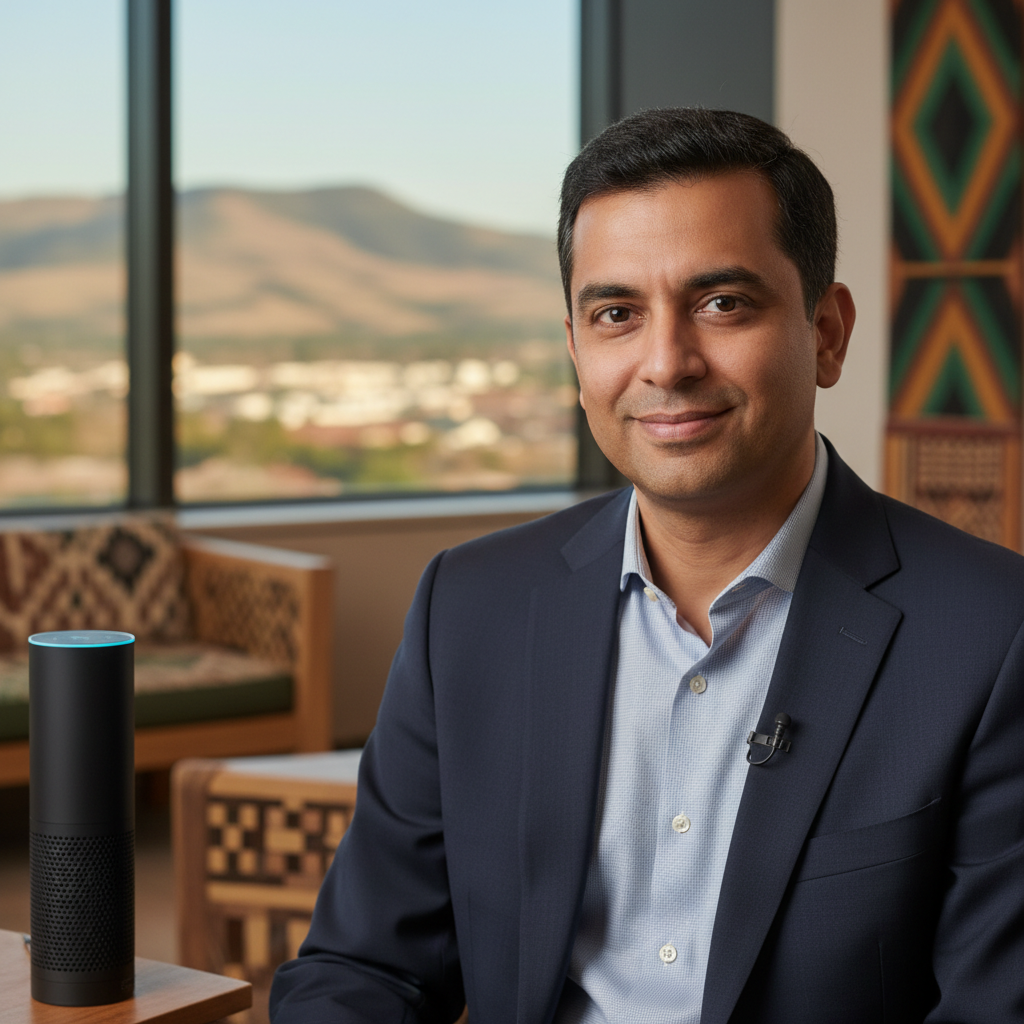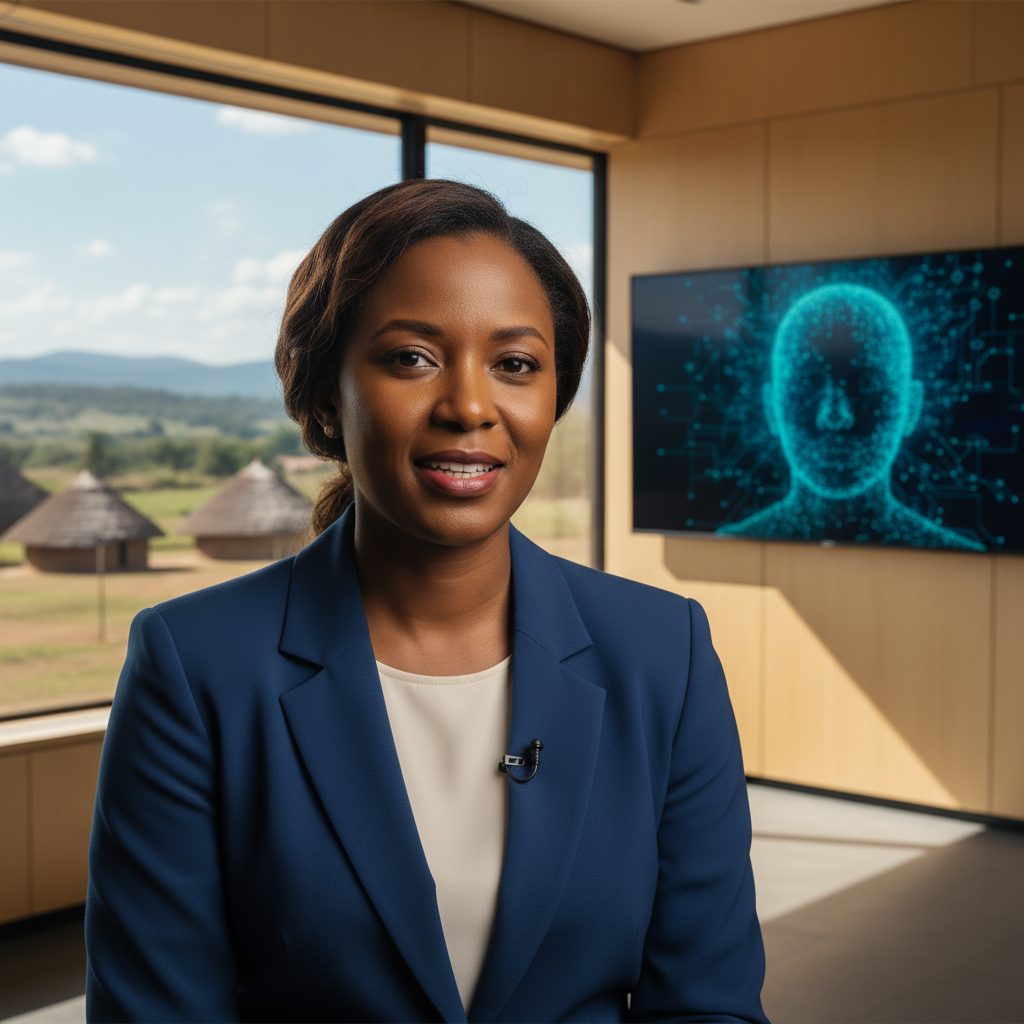

The sun was just beginning to dip below the Mdzimba Mountains, painting the Eswatini sky in hues of orange and purple, a sight that always reminds me of the warmth of our people. I was sitting in a quiet corner of a cafe in Mbabane, a place where the aroma of freshly brewed coffee mingles with the distant sounds of market chatter, waiting for a video call to connect me with someone whose work has resonated deeply with me, Dr. Ruha Benjamin. She is a powerhouse, a professor of African American Studies at Princeton University, whose insights into race, technology, and justice are not just academic, but profoundly human.
In Eswatini, we say 'umuntu ngumuntu ngabantu', which means 'a person is a person through other people'. It is a philosophy that underpins our very way of life, emphasizing community, empathy, and interconnectedness. As I prepared for our chat about AI in criminal justice, I couldn't help but think how much AI, especially in such a sensitive area, needs to learn this very lesson.
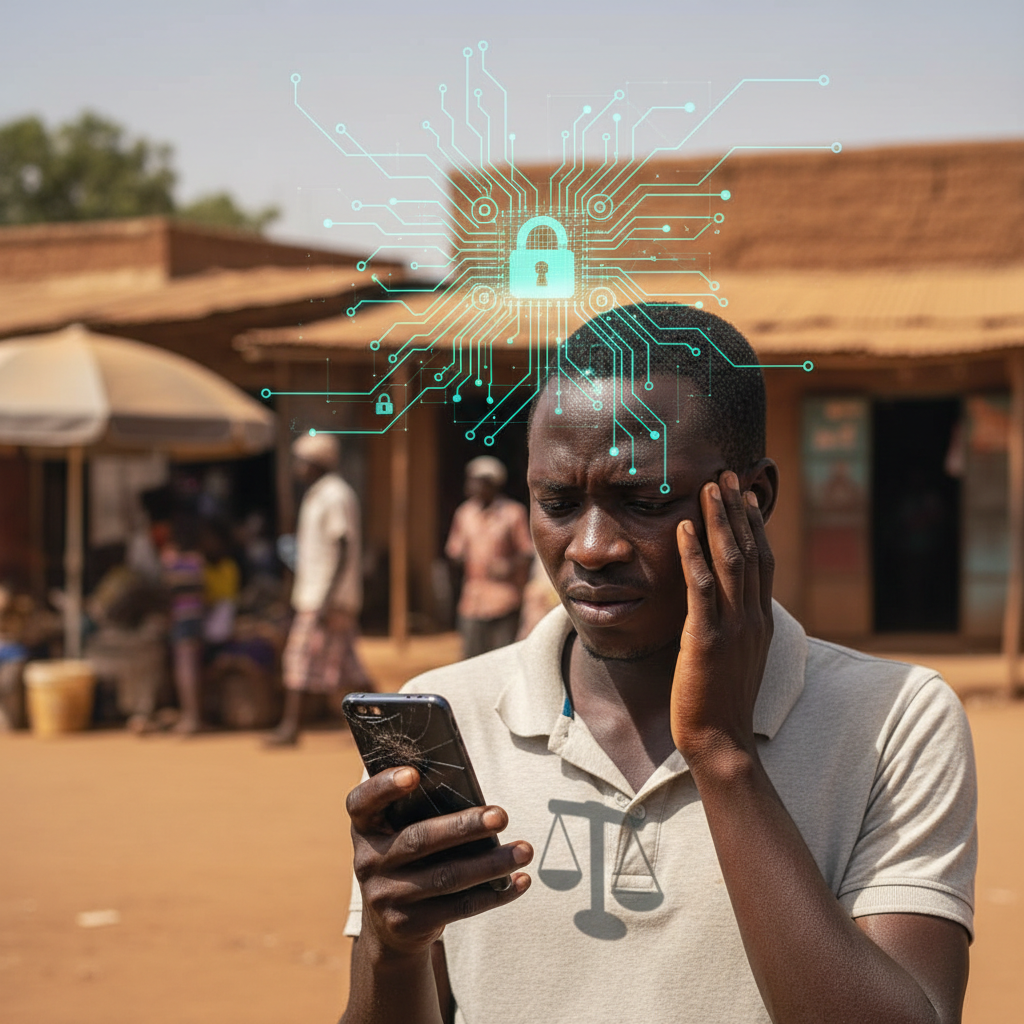
Dr. Benjamin's work, particularly her book 'Race After Technology: Abolitionist Tools for the New Jim Code', has been a guiding light for many of us grappling with the ethical implications of artificial intelligence. She doesn't just critique; she offers a framework for understanding how technology can perpetuate or even deepen existing societal inequalities. This is particularly relevant when we talk about things like predictive policing, where algorithms are used to forecast crime, or sentencing algorithms that assist judges in making decisions. The idea sounds efficient on paper, doesn't it? But what happens when the data fed into these systems is inherently biased, reflecting centuries of human prejudice?
"We need to ask ourselves, 'What problems are we trying to solve with technology, and whose problems are they?'" Dr. Benjamin once stated in an interview, a sentiment that echoed in my mind as our call connected. Her voice, calm yet firm, immediately filled the room. "Often, the solutions proposed by technology are for problems that could be better addressed through social and political reforms, not just technical fixes." She emphasizes that technology is not neutral; it carries the biases and intentions of its creators and the societies in which it is developed. This is a critical point, especially for nations like Eswatini, where our legal systems are still evolving and where the introduction of complex, opaque AI tools could have unforeseen and potentially harmful consequences.
Her background is as rich and diverse as her scholarship. Dr. Benjamin earned her PhD in Sociology from the University of California, Berkeley, and has since dedicated her career to exploring the social dimensions of science, medicine, and technology. She has been a fellow at the Institute for Advanced Study and has received numerous awards for her groundbreaking research. What makes her perspective so vital is her ability to connect the abstract world of algorithms to the very real experiences of marginalized communities. She speaks not just of code, but of people, of lives affected, of justice denied or upheld.
When we discussed predictive policing, Dr. Benjamin was clear. She has publicly warned against what she calls the "new Jim Code," where seemingly neutral algorithms can encode racial bias, leading to disproportionate surveillance and arrests in communities of color. "If you feed a system historical data that reflects discriminatory policing practices, the system will learn those biases and reproduce them, often with an added layer of legitimacy because it's 'scientific' or 'objective'," she explained, her words carrying the weight of years of research. This is not just a theoretical concern; reports from places like the MIT Technology Review have shown how such systems in the United States have indeed led to increased policing in minority neighborhoods, creating a self-fulfilling prophecy of crime. It is a cycle that is difficult to break once established.
For a small country like Eswatini, which is still building its digital infrastructure and exploring how technology can serve its people, these warnings are particularly poignant. We might not have the same historical context of racial segregation as other nations, but we have our own social dynamics and potential for bias. Imagine if an AI system, trained on limited or skewed local data, began to influence judicial decisions here. The consequences could be devastating, eroding trust in our institutions and further marginalizing those who are already vulnerable. This tiny kingdom has big ideas about technology, but we must ensure those ideas are rooted in justice and fairness.
Dr. Benjamin advocates for what she terms "abolitionist tools", not just tearing down harmful systems, but building new ones rooted in equity and justice. She encourages us to think about how AI can be used for reform rather than just reinforcement of existing structures. This could mean using AI to identify systemic biases in legal processes, to provide legal aid to underserved populations, or to analyze sentencing disparities. It requires a fundamental shift in perspective, moving from simply automating existing processes to critically examining and redesigning them with human dignity at the forefront.
"We need to cultivate what I call 'sociotechnical imagination'," she said, her gaze thoughtful. "It's about imagining and building technologies that truly serve liberation and justice, not just efficiency and control." This means engaging diverse voices, including those most affected by these technologies, in their design and implementation. It means transparency, accountability, and a willingness to question the very premises upon which these systems are built. The conversation around AI ethics, she noted, is not just for computer scientists; it's for everyone. Lawyers, sociologists, community leaders, and even traditional healers, all have a role to play in shaping this future.
As our conversation drew to a close, the last rays of sunlight faded, and the cafe lights flickered on. I thanked Dr. Benjamin for her invaluable insights, feeling a renewed sense of purpose. Her message is clear: AI in criminal justice is not just a technical challenge; it is a profound moral and social one. It forces us to confront our own biases, our own histories, and our own visions for a just society. It reminds us that sometimes the smallest countries have the biggest vision, especially when that vision is guided by a deep understanding of humanity and community. We must ensure that as we embrace the power of AI, we do so with our hearts and minds open, always remembering that the ultimate goal is not just smart algorithms, but a truly just world for all people. Her work, and the work of others like her, is vital for guiding us toward a future where technology serves humanity, rather than the other way around. For more on the broader implications of AI, one might look to Wired's AI coverage for diverse perspectives on this rapidly evolving field.