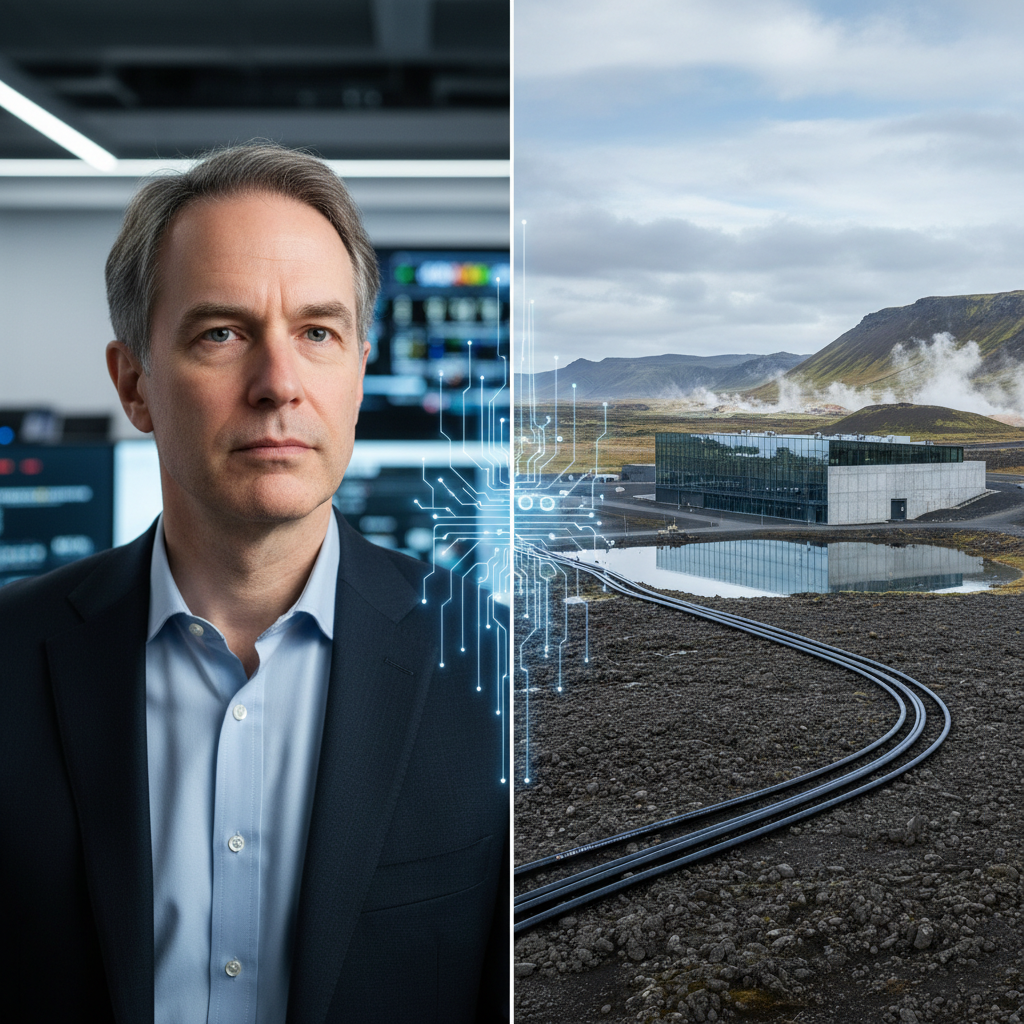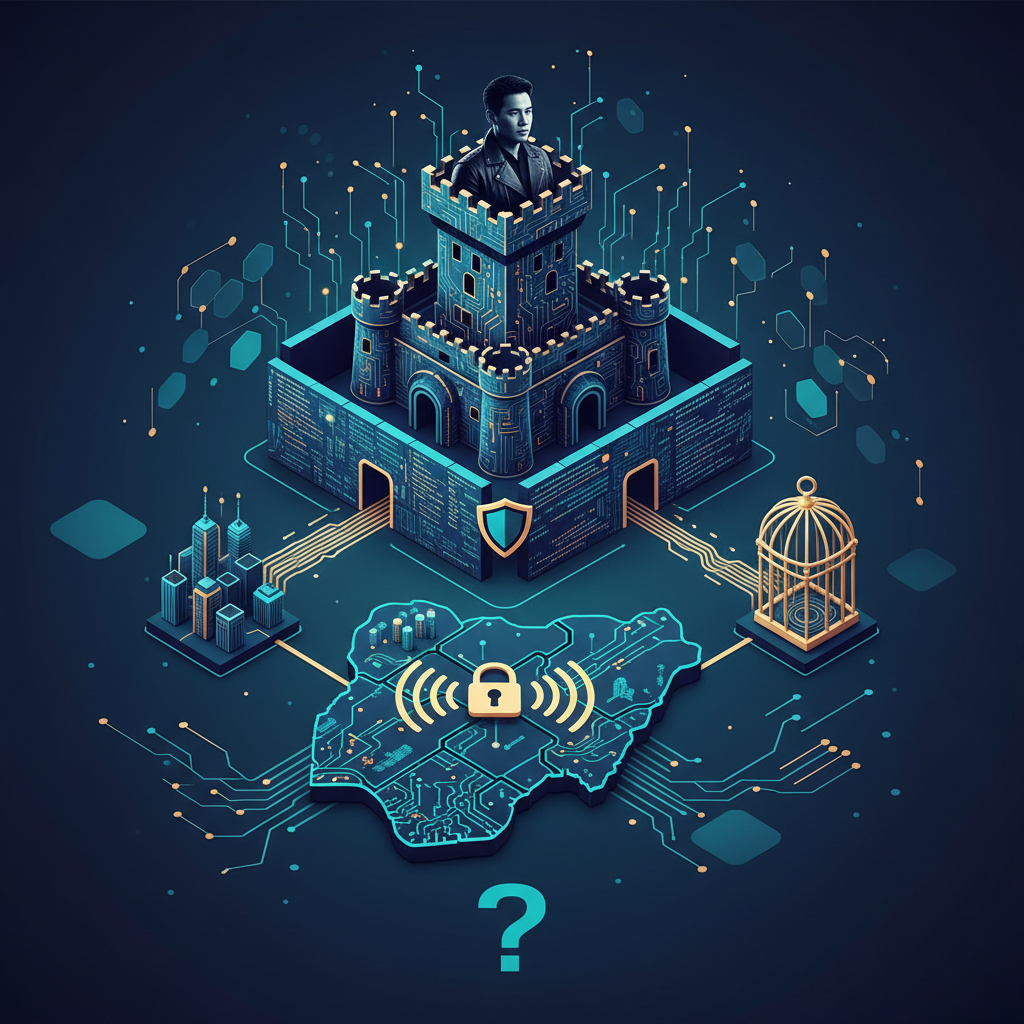

The digital world, my friends, is a sprawling marketplace, a bustling Balogun Market where innovation and peril jostle for space. And at the heart of this market, increasingly, stands one figure: Jensen Huang, the visionary behind NVIDIA. His keynotes are not just product launches; they are pronouncements from the high priest of AI, charting the course for an entire industry. Lately, the drumbeat from NVIDIA has shifted, subtly but significantly, towards cybersecurity. The question that keeps me up at night, the one we must all confront, is this: Is NVIDIA's aggressive push into AI-powered cybersecurity a genuine fortress against the looming digital threats, or is it merely a sophisticated, high-priced luxury that will further widen the chasm between the global North and nations like Nigeria?
For decades, cybersecurity has been a game of catch-up, a perpetual dance between attackers and defenders. Firewalls, antivirus software, intrusion detection systems, these were the foot soldiers in a war fought with static rules and signature databases. It was akin to guarding a sprawling compound with a single, overworked security guard and a dog that only barked at familiar faces. Then came the age of AI, and suddenly, the game changed. Machine learning offered the promise of proactive defense, of systems that could learn, adapt, and predict threats before they even materialized. This wasn't just an upgrade; it was a paradigm shift. According to a report by Reuters, the global AI in cybersecurity market is projected to reach well over $50 billion by the end of the decade, a testament to this transformative power.
NVIDIA, of course, has been at the forefront of this AI revolution, not just as a chipmaker, but as an ecosystem builder. Their GPUs power everything from large language models to complex scientific simulations. Now, they are leveraging this computational might to tackle cybersecurity. Huang's recent announcements have highlighted platforms like NVIDIA Morpheus, an AI framework designed to detect anomalies and threats in real time across vast data centers. They are talking about using AI to analyze network traffic, identify sophisticated malware, and even predict zero-day exploits. It sounds like something out of a science fiction novel, a digital guardian angel watching over our data.
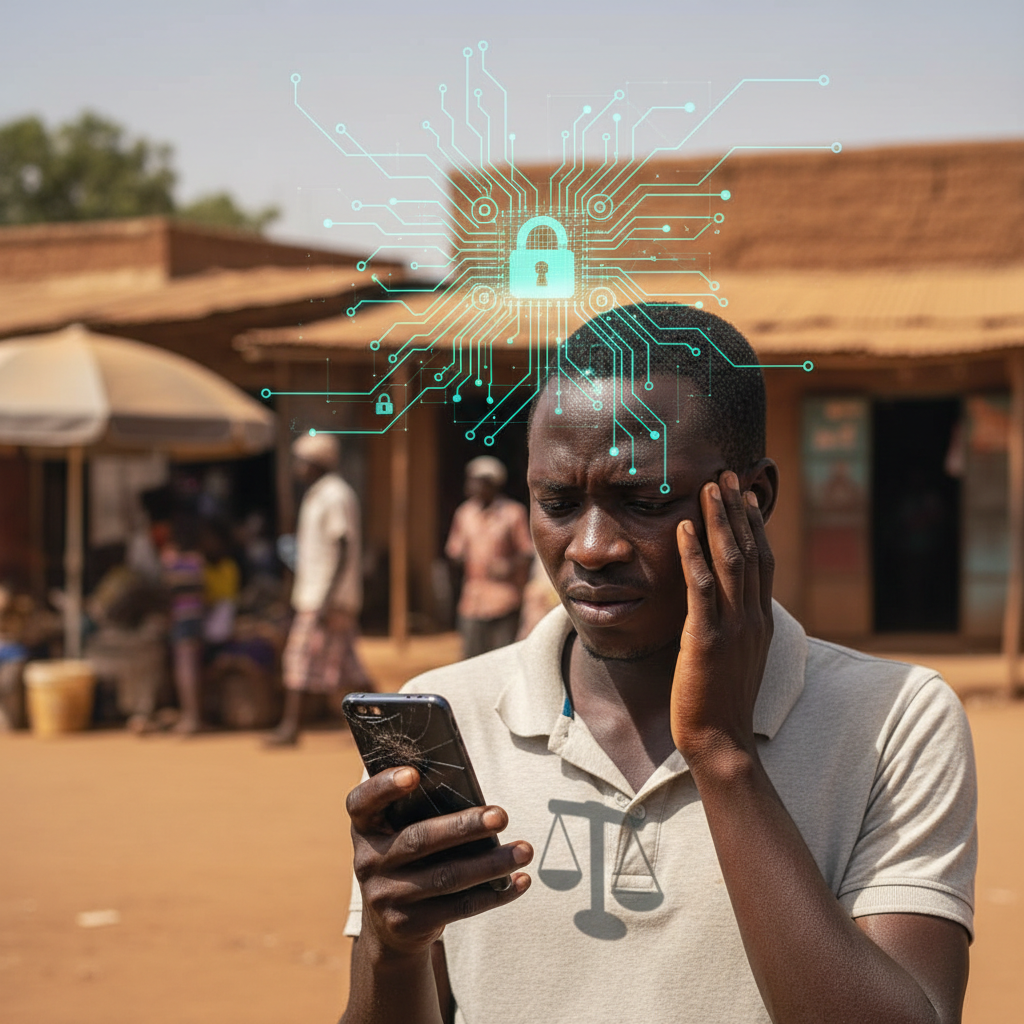
But let us not be swayed by the shiny new toys alone. The history of technology is littered with grand promises that failed to deliver equitable benefits. In Nigeria, our digital landscape is a vibrant, chaotic tapestry. We have burgeoning tech hubs in Lagos and Abuja, a youthful, digitally native population, and a rapidly expanding digital economy. However, we also face unique challenges: a high incidence of cybercrime, a shortage of skilled cybersecurity professionals, and limited infrastructure. The average Nigerian small business or even a government agency does not have the budget or the technical expertise to deploy a full-blown NVIDIA-powered AI cybersecurity suite. We are still grappling with basic digital hygiene, let alone advanced AI defenses.
I spoke recently with Dr. Ngozi Okoro, a cybersecurity expert and lecturer at the University of Lagos. She echoed my concerns. "NVIDIA's technology is undoubtedly powerful," she told me, "but it is also incredibly resource intensive. For us in Nigeria, the immediate priority is foundational cybersecurity: training our people, securing our critical infrastructure, and implementing robust, affordable solutions. AI can augment these efforts, but it cannot replace them. We need solutions that are not just cutting-edge, but also accessible and sustainable within our economic realities." Her point is salient: the future is already here because it is just not evenly distributed.
Consider the sheer scale. NVIDIA's ecosystem, with its Cuda platform, its AI Enterprise software, and its specialized GPUs, represents a massive investment in hardware and expertise. For a global corporation or a well-funded government in the West, this investment might be justifiable. They have the data centers, the cloud infrastructure, and the talent pool to leverage these tools effectively. But for many African nations, including Nigeria, the cost of entry is prohibitive. We are not just talking about buying the chips; we are talking about the entire stack, from power consumption to cooling systems, from data scientists to security analysts who can interpret the AI's findings. It is a monumental undertaking.
Yet, the threat landscape does not discriminate. Cybercriminals and state-sponsored actors target vulnerabilities wherever they find them, regardless of a nation's GDP. Nigerian businesses and government institutions are constantly under attack, from phishing scams and ransomware to more sophisticated data breaches. The average cost of a data breach in Africa, while lower than in North America, is still significant, often crippling small and medium-sized enterprises. We cannot afford to be left behind in the cybersecurity arms race.
So, what is the path forward? Do we simply resign ourselves to a future where only the wealthiest can afford true digital protection? I do not think so. This is where innovation, our Nigerian spirit of ingenuity, must come into play. We need to look at how NVIDIA's advancements can be democratized, perhaps through cloud-based services that offer AI-powered cybersecurity as a utility, rather than a capital expenditure. We need partnerships that transfer knowledge and build local capacity, not just sell products. Perhaps smaller, specialized AI models, trained on regional threat data, could offer targeted protection without the need for a supercomputer in every server room.
I also see an opportunity for Nigerian startups. While NVIDIA builds the superhighways, there is ample room for local innovators to build the vehicles that traverse them, or even the smaller, more agile roads that connect our communities. Imagine Nigerian AI cybersecurity firms developing bespoke solutions, perhaps leveraging open-source AI frameworks, to address the specific threats faced by our local banks, our e-commerce platforms, or even our burgeoning fintech sector. This is not just about consuming technology; it is about creating it, adapting it, and making it our own.
Mark my words, the global cybersecurity landscape is being reshaped by AI, and Jensen Huang's NVIDIA is a dominant force in this transformation. His vision of an AI-fortified digital world is compelling, even necessary. But for it to truly be a global fortress, and not just a gated community for the privileged few, we must ensure that its benefits are accessible to all. Nigeria will lead this revolution, not by passively adopting foreign solutions, but by actively shaping them, by building our own defenses, and by demanding that the future of AI cybersecurity is one of inclusion, not exclusion. The digital safety of our people, our businesses, and our nation depends on it. The time for proactive engagement, for building our own digital wall of Jericho, is now. We cannot afford to wait for others to define our security. The stakes are simply too high. For more insights into the evolving threat landscape, you can always check out reports on Wired or TechCrunch for global perspectives, but remember to always filter it through our local lens.