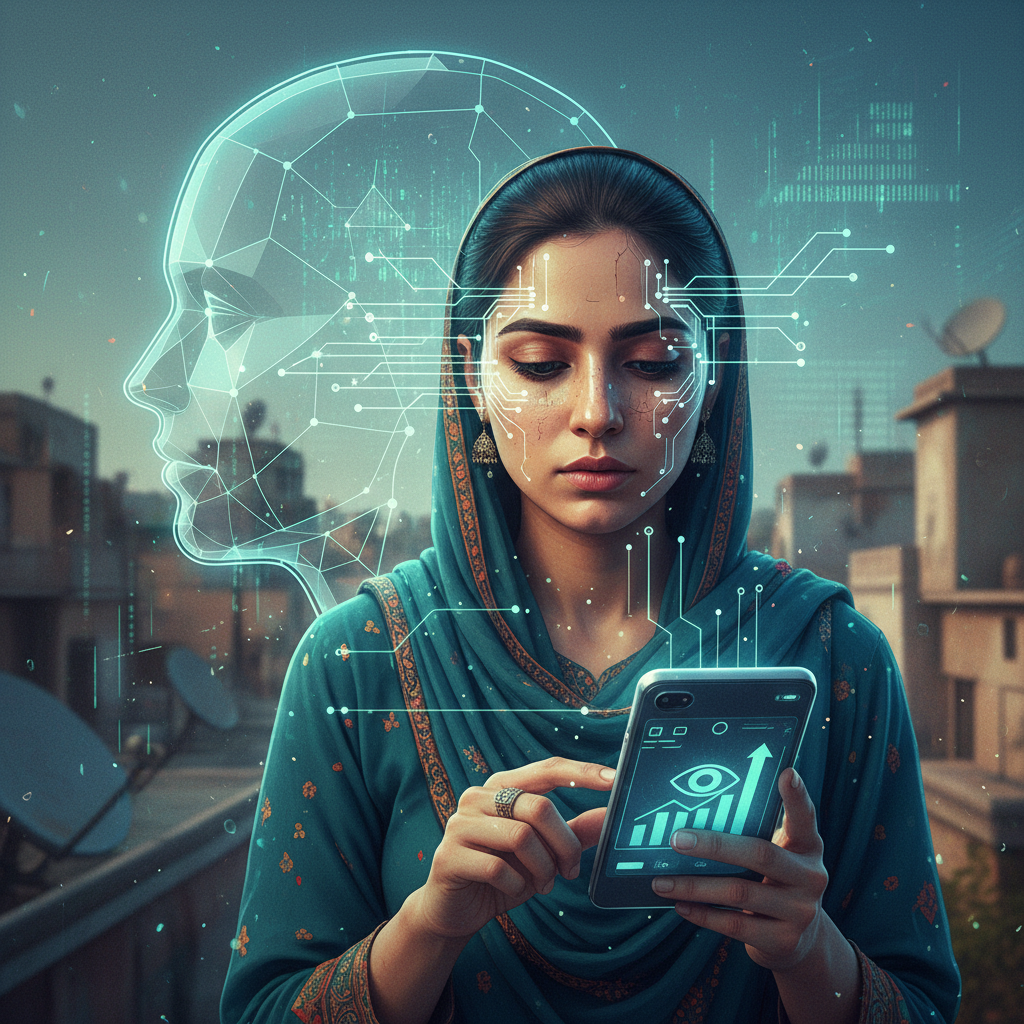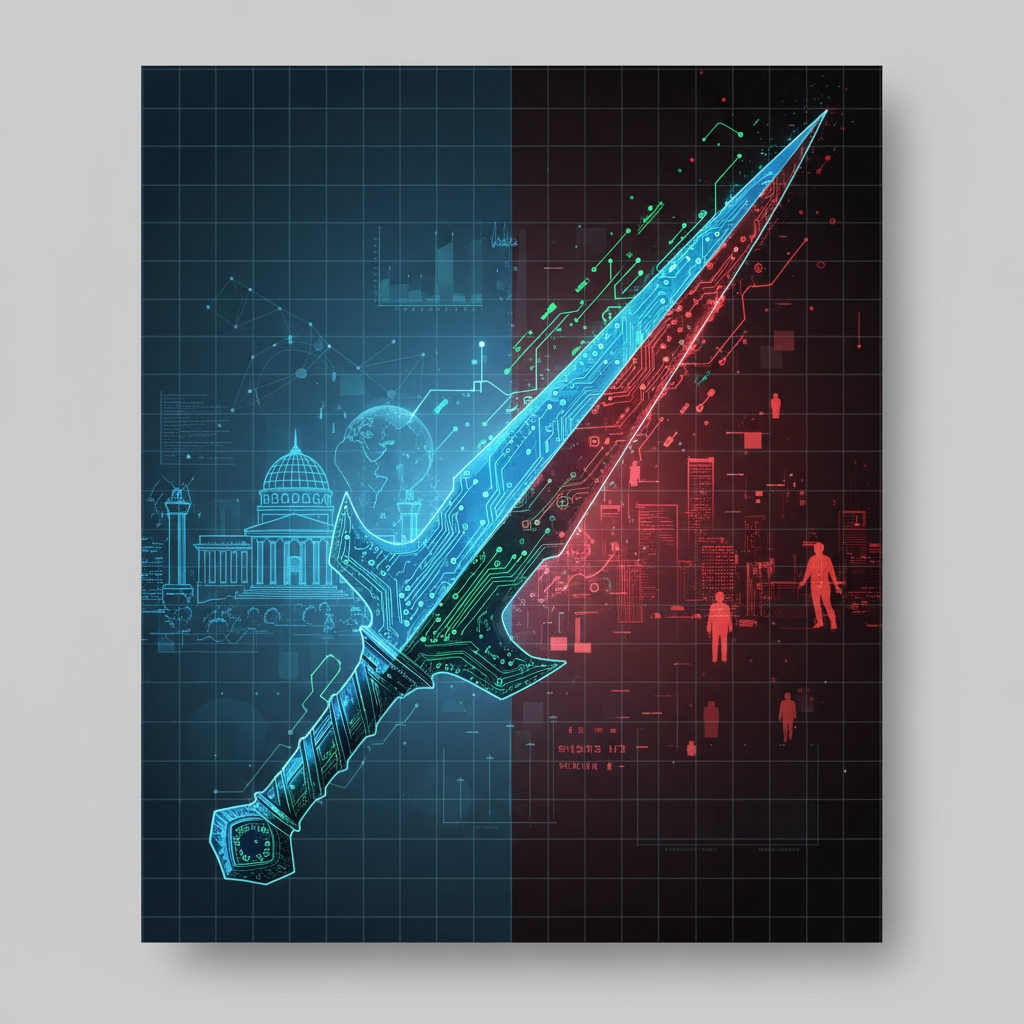

The morning sun often brings with it a sense of clarity in the valleys of Tajikistan, but the dawn of the AI era has introduced shadows of uncertainty, particularly when it comes to accountability. We are witnessing an unprecedented integration of artificial intelligence into every facet of our lives, from automated agricultural systems that manage irrigation in the Khatlon region to sophisticated diagnostic tools in urban hospitals. Yet, as these systems grow more powerful, often powered by the advanced chips from companies like NVIDIA, a fundamental question emerges: when AI causes harm, who is responsible?
What is AI Liability?
AI liability refers to the legal and ethical framework for determining who is accountable when an artificial intelligence system causes damage, injury, or loss. This is not merely an academic exercise; it is a critical inquiry for regulators, developers, users, and those affected by AI's actions. Unlike traditional tools, AI systems can make autonomous decisions, learn, and evolve, often in ways not explicitly programmed by their creators. This autonomy complicates established legal principles of product liability, negligence, and even criminal responsibility. The core challenge lies in attributing fault in a chain of events that may involve data providers, algorithm designers, software engineers, hardware manufacturers, deployers, and end-users.
Why Should You Care?
The implications of AI liability extend far beyond the boardrooms of tech giants. Consider a self-driving tractor, equipped with AI to optimize crop yield, that malfunctions and damages a farmer's entire harvest. Or a medical diagnostic AI that misidentifies a critical condition, leading to delayed treatment. In a region like Central Asia, where technological adoption is accelerating, but regulatory frameworks often lag, these scenarios are not distant hypotheticals. They represent tangible risks to livelihoods, health, and public trust. For businesses, unclear liability means unpredictable financial exposure and a potential deterrent to innovation. For individuals, it means a lack of recourse when harmed. The reality in Central Asia is different from the headlines; while global conversations often focus on advanced robotics or generative AI, our concerns are frequently more grounded, revolving around the practical applications that directly impact our daily existence and economic stability. Without clear answers, the promise of AI for development could be overshadowed by fear and uncertainty.
How Did it Develop?
The concept of liability is ancient, rooted in principles of causation and fault. However, its application to AI is relatively new, emerging as AI systems transitioned from theoretical constructs to practical tools in the mid-20th century. Early discussions focused on simple automation, where the human programmer was clearly at fault for any errors. The advent of machine learning, and particularly deep learning, introduced a paradigm shift. Systems began to learn from data, developing internal representations and decision-making processes that were not always transparent to their human creators. This 'black box' problem, coupled with the ability of AI to adapt and operate without constant human oversight, began to strain existing legal doctrines. Legislators and legal scholars globally, from the European Union to the United States, have been grappling with how to adapt tort law, contract law, and even criminal law to these new realities. The EU, for instance, has been particularly active, proposing directives on AI liability that aim to establish a common framework across member states, recognizing the need for a harmonized approach to a global technology.
How Does it Work in Simple Terms?
Imagine a traditional hand-woven carpet, a skill passed down through generations in Tajikistan. If a flaw appears, you know exactly who to blame: the weaver. Their skill, their materials, their attention to detail are all directly observable. Now, imagine a carpet woven by an AI-controlled loom. The AI was designed by one company, the loom manufactured by another, the raw materials sourced by a third, and the design pattern generated by a separate AI model. If a flaw appears, who is responsible? Is it the company that designed the AI's core algorithm, even if the flaw arose from unexpected interactions with a specific type of yarn? Is it the loom manufacturer, if their machinery introduced a subtle vibration that the AI could not compensate for? Or is it the operator who fed in the raw materials, perhaps unknowingly using a batch with inconsistent quality? This complex web illustrates the challenge. Current legal thinking often tries to extend existing frameworks, like product liability, which holds manufacturers responsible for defects in their products. However, AI is not a static product; it is a dynamic system. Another approach considers negligence, asking if any party failed to exercise reasonable care in the design, development, deployment, or supervision of the AI. The difficulty lies in defining 'reasonable care' for systems that can operate beyond human comprehension or prediction. Some proposals suggest a strict liability approach for high-risk AI, meaning the developer or deployer would be liable regardless of fault, similar to how dangerous activities are treated.
Real-World Examples
- Autonomous Vehicles: Perhaps the most frequently cited example involves self-driving cars. If an autonomous vehicle, such as one developed by Waymo or Tesla, causes an accident, who is liable? Is it the car manufacturer, the software developer, the owner of the vehicle, or even the sensor manufacturer? Early incidents, like the fatal Uber self-driving car crash in Arizona in 2018, highlighted these complexities, leading to discussions about the role of human safety drivers and the limits of autonomous decision-making. The legal outcomes often depend on the specific circumstances, the level of autonomy, and existing traffic laws.
- Medical Diagnostics: AI systems are increasingly used to assist in medical diagnosis. Suppose an AI-powered system, trained on vast datasets, incorrectly advises a physician, leading to a misdiagnosis and patient harm. Is the AI developer liable for a faulty algorithm, the hospital for deploying it, or the physician for relying too heavily on its output without critical human oversight? The European Medical Device Regulation, for example, is attempting to classify AI in medical devices and assign responsibility, but the nuances are immense.
- Algorithmic Trading: In financial markets, AI algorithms execute millions of trades per second. A 'flash crash' or significant market disruption caused by an erroneous or malicious algorithm could lead to immense financial losses. Determining liability in such high-speed, complex systems, where human intervention is minimal, poses a significant challenge for financial regulators and legal systems globally. Firms like Goldman Sachs and JPMorgan Chase utilize AI extensively, and the potential for systemic risk is a constant concern.
- Agricultural Automation: In Tajikistan, where agriculture is a cornerstone of the economy, AI-driven drones for crop monitoring or automated irrigation systems are becoming more common. If a drone misidentifies a healthy crop as diseased, leading to unnecessary pesticide application and economic loss, who is accountable? The drone manufacturer, the AI software provider, or the farmer who deployed it? These are not hypothetical questions but emerging realities for our farmers.
Common Misconceptions
One common misconception is that AI itself can be held legally responsible. AI systems are not legal persons; they cannot hold assets, stand trial, or suffer consequences in the human sense. Liability must ultimately rest with a human or a legal entity. Another misconception is that more advanced AI automatically means less human responsibility. On the contrary, as AI systems become more sophisticated, the responsibility of developers and deployers to ensure safety, robustness, and ethical operation often increases. There is also a belief that current laws are entirely inadequate. While existing legal frameworks require adaptation, they are not entirely obsolete. Principles of product liability, professional negligence, and strict liability can often be extended, albeit with significant effort and interpretation, to cover AI-related harms. The challenge is in the nuance, not in a complete legal vacuum.
What to Watch for Next
The landscape of AI liability is rapidly evolving. We can expect several key developments. Firstly, international harmonization efforts will intensify. As AI systems operate across borders, a patchwork of national laws will create confusion and regulatory arbitrage. Organizations like the Oecd and the United Nations are working towards common principles. Secondly, we will see a greater emphasis on 'explainable AI' (XAI). Regulators and courts will increasingly demand that AI systems can justify their decisions, making it easier to trace errors and assign fault. Thirdly, the role of insurance will grow. Specialized AI liability insurance products are already emerging, providing a financial safety net for companies developing and deploying AI. Finally, expect a push for 'AI by design' principles, where ethical considerations and liability mitigation are baked into the development process from the outset, rather than being an afterthought. As Reuters often reports, the legal and regulatory discussions are moving from theoretical to practical implementation.
For us in Tajikistan, these global discussions are not distant echoes. Our challenges require Tajik solutions, and understanding the global context of AI liability is crucial for developing appropriate local policies that protect our citizens and foster responsible innovation. The decisions made today regarding AI accountability will shape not only the future of technology but also the future of justice in an increasingly automated world. Let's talk about what actually works, not just what is promised, when it comes to safeguarding our societies from the unforeseen consequences of advanced technology. The journey to clarity is long, but it is one we must embark upon with diligence and foresight.